
LockOut Equipment · 29 October 2023
Lockout Equipment for Locking Out Multiple Energy Sources
Crikey, getting your head around the complex world of Lockout Equipment can feel like a bit of a sticky wicket, particularly when you’re juggling multiple energy sources. Don’t worry, we get it! Just one slip-up in safety protocols could lead to some serious drama.
That’s why this article is here to cut through the confusion – giving you all the info you need on how to use lockout/tagout equipment for various types of energy sources. We’ll make sure your plant and machinery are as safe as houses to work on or near.
So buckle up cobber, because this crucial guide is about to make your safety worries disappear faster than a meat pie at a footy match!
Key Takeaways
- Understanding and utilising the Lockout/Tagout eTool is essential for effectively handling multiple energy sources during lockout/tagout procedures.
- Isolating and securing all energy sources is crucial to prevent accidents or injuries. This involves using appropriate lockout equipment for each type of energy source.
- Coordinating with other workers and communicating about locked-out energy sources helps create a safer work environment.
- Adhering to lockout/tagout standards and regulations, including performing risk assessments, ensures the safety of workers and protects them from hazardous energy.
Understanding the Lockout/Tagout eTool
To effectively handle multiple energy sources during lockout/tagout, it is essential to understand and utilise the Lockout/Tagout eTool. This tool provides valuable guidance on isolating and securing all energy sources, coordinating with other workers, and following lockout/tagout procedures in accordance with standards and regulations.
How to handle multiple energy sources during lockout/tagout
Managing multiple energy sources during lockout/tagout requires strategic planning and strict adherence to the established procedures. It starts with recognising all possible types of energy that can be present in equipment, including electrical, hydraulic, pneumatic and gravity sources.
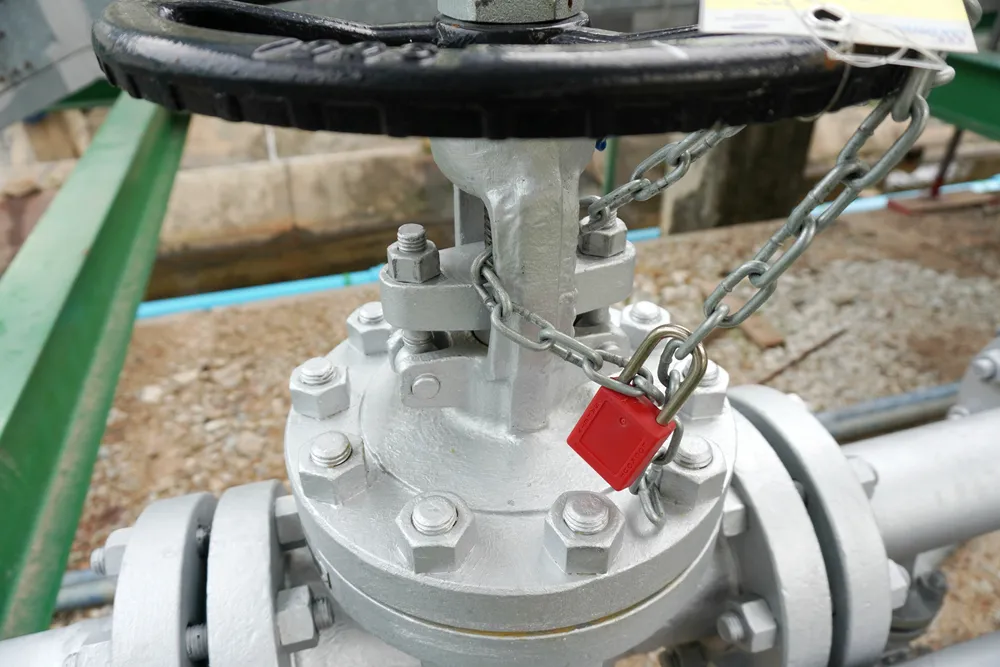
Each source must be isolated using appropriate lockout equipment specifically designed for each type. For instance, electrical circuits need circuit breaker lockouts while gas supply lines may require valve lockout devices.
The next vital step is de-energising the system which involves turning off or disconnecting the power source. After this point, no one should attempt to re-energise without approval from authorised personnel.
Once we have de-energised and locked out each energy source, tag them clearly with details such as the person’s name who performed the lockout and the expected duration of servicing/maintenance work.
This will serve as a clear communication to other employees about ongoing service work.
Multiple-energy-source machinery makes the process a bit complex but utilising versatile products like cable locks can simplify it by securing several isolation points at once quickly and effectively.
Finally yet importantly, always verify if all systems are properly locked out before beginning any service work on machinery or equipment; remove locks only after necessary checks confirm no hazardous conditions exist upon completion of service works.
Through careful observance of these steps, handling various energy sources during lockout/tag-out becomes a less daunting task ensuring safety for everyone involved in machine maintenance or servicing tasks.
Identifying and Isolating all Energy Sources
To ensure safety during lockout/tagout procedures, it is crucial to identify and isolate all energy sources in order to prevent accidents or injuries. Let’s explore the importance of securing every energy source and coordinating with other workers.
Importance of isolating and securing all energy sources
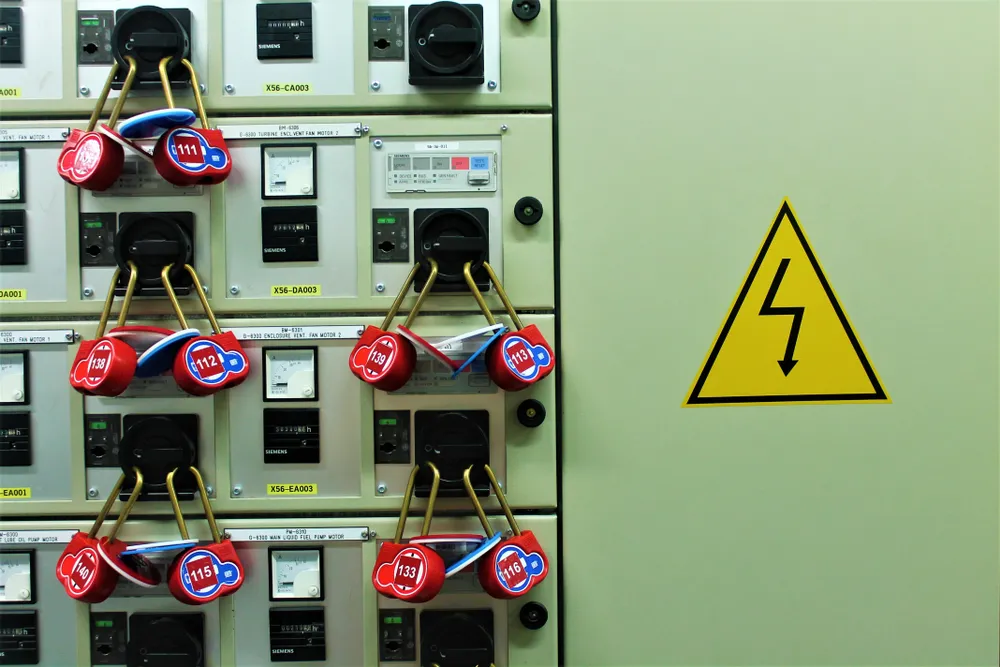
Isolating and securing all energy sources is of utmost importance when it comes to lockout/tagout procedures. This ensures that equipment or machines are completely isolated from any potential hazardous energy, such as electricity, gas, or steam.
By isolating these energy sources, we can effectively reduce the risk of accidents or injuries during maintenance or servicing. It is crucial to follow proper lockout/tagout procedures and use the necessary lockout equipment to physically lock and secure energy isolation devices.
This prevents any accidental release of hazardous energy and helps protect both workers and homeowners from potential harm.
Coordinating with other workers
We need to work together with our co-workers when it comes to lockout/tagout procedures. It is crucial to communicate and coordinate effectively with them to ensure everyone’s safety.
We must inform others about the specific energy sources that we are locking out, as well as any potential hazards associated with them. This way, we can avoid misunderstandings or accidental energising of equipment while maintenance or servicing is being performed.
By coordinating with other workers, we can create a safer work environment for everyone involved in the lockout/tagout process.
Following Lockout/Tagout Standards and Regulations
Adhering to lockout/tagout standards and regulations ensures the safety of workers and protects them from hazardous energy. Find out more about the importance of LOTO procedures and risk assessment in our blog post.
LOTO procedures and risk assessment
To ensure the safety of both workers and equipment, lockout/tagout (LOTO) procedures and risk assessments are essential. LOTO procedures involve isolating and de-energising equipment before maintenance or servicing.
This means shutting off all energy sources such as electricity, gas, or steam to prevent accidental startup or release of stored energy. Risk assessments help identify potential hazards associated with specific tasks and develop strategies to control those risks effectively.
By strictly following LOTO procedures and conducting thorough risk assessments, homeowners can protect themselves from accidents or injuries while working on their equipment. Remember, it is crucial to always prioritise safety when dealing with multiple energy sources in home appliances or machinery.
As homeowners engaging in maintenance activities, understanding LOTO procedures and performing risk assessments will not only keep you safe but also help avoid costly damage to your property caused by mishandling powered equipment.
So take the time to assess potential risks before starting any work involving multiple energy sources at home. Stay informed about proper lockout/tagout practices so you can confidently maintain your equipment while keeping yourself out of harm’s way.
Requirement for interlocked guarding
We must also consider the requirement for interlocked guarding when it comes to lockout equipment. Interlocked guarding is an important safety measure that ensures the equipment or machine cannot be operated without all energy sources being properly isolated.
This means that when one energy source is locked out, such as electricity or gas, the interlock mechanism prevents any other energy sources from becoming active. It adds an extra layer of protection by making sure that all hazardous energy sources are completely disconnected before maintenance or servicing can take place.
By using interlocked guarding in conjunction with lockout/tagout procedures, we can make sure that our homes and workplaces are safer environments for everyone involved.
Lockout/Tagout Procedures
In this section, we will outline the necessary steps for isolating and de-energising equipment to ensure safety. Make sure to read on for important information on locking out all isolation points and effective communication through tagging.
Steps for isolating and de-energising equipment
To isolate and de-energise equipment, there are important steps you need to follow. First, identify all the energy sources connected to the equipment. This includes electricity, gas, steam, or any other power sources.
Next, make sure to turn off or shut down each energy source individually. Follow the manufacturer’s instructions for proper shutdown procedures. After that, lock out all isolation points using lockout devices to prevent accidental re-energisation.
And don’t forget to tag the equipment with clear communication indicating that it is locked out and should not be operated. These steps are crucial for ensuring your safety while working on or around equipment with multiple energy sources.
Importance of locking out all isolation points
Locking out all isolation points is of utmost importance when it comes to ensuring safety during maintenance or servicing tasks. By isolating and securing all energy sources, such as electricity, gas, steam, or other hazardous forms of energy, we can effectively prevent unexpected startup or release of stored energy.
This helps in reducing the risk of accidents or injuries that could occur due to inadvertent activation. Lockout/Tagout procedures require us to physically lock and secure the energy isolation devices to ensure that they cannot be operated until the work is completed.
By following this practice diligently, we can protect ourselves and others from potential harm caused by the uncontrolled release of hazardous energy.
Tagging for effective communication
When isolating equipment for maintenance or servicing, tagging plays a crucial role in effective communication. Tags are used to indicate that the energy isolation device should not be operated and provide important information about the lockout or tagout process.
By using clear and easily understandable tags, authorised employees can quickly identify which equipment is locked out and why. This helps to prevent accidental startup and ensures everyone understands the status of the equipment before beginning work.
Effective tagging is an essential part of the lockout/tagout procedure to maintain safety during maintenance activities.
Lockout/Tagout Solutions and Products
In this section, we will explore different types of lockout devices and highlight the advantages of using cable lockouts. We will also discuss how to effectively use multiple lockout devices for complex machines with multiple energy sources.
Different types of lockout devices
Lockout devices are essential tools for effectively isolating and securing energy sources. There are various types of lockout devices available on the market, each designed to meet specific needs.
For example, cable lockouts provide versatility and can be used to secure multiple isolation points. They are an effective solution for complex machines that have multiple energy sources.
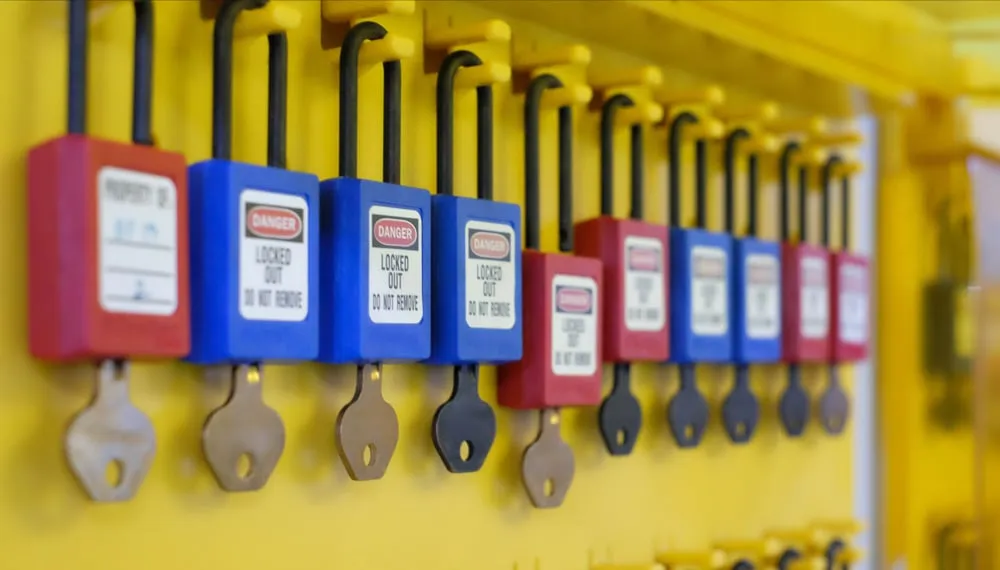
Other lockout devices include padlocks, valve lockouts, electrical plug lockouts, and circuit breaker lockouts. These devices play a crucial role in ensuring the safety of homeowners by preventing accidental startup or release of hazardous energy during maintenance or servicing activities.
Advantages of cable lockout
Cable lockout devices offer several advantages when it comes to locking out equipment with multiple energy sources. First, they are extremely versatile and can be used on a wide range of machines and equipment.
This means that you don’t have to worry about having multiple types of lockout devices for different energy sources.
Second, cable lockouts are easy to use and provide secure isolation of energy sources. They allow you to effectively lock and secure all isolation points, ensuring that no energy can accidentally be released during maintenance or servicing.
Finally, cable lockouts also provide clear visual communication through the use of tags or labels. This helps to clearly indicate that the equipment is locked out and should not be operated.
Using multiple lockout devices for complex machines
To ensure the safety of everyone involved, it’s crucial to use multiple lockout devices for complex machines. These machines often have different energy sources, such as electricity, gas, and steam.
By using multiple lockout devices, you can effectively isolate and secure all these energy sources before maintenance or servicing. This helps prevent any accidental startup or release of stored energy, which could lead to serious injuries or even fatalities.
So remember, when dealing with complex machines with multiple energy sources, always use multiple lockout devices for maximum safety.
Maximise the Use of Lockout Equipment
Lockout equipment plays a crucial role in ensuring the safety of workers when locking out multiple energy sources. By following lockout/tagout procedures and using the right equipment, such as cable lockouts, we can effectively isolate and secure all energy sources to prevent accidents or injuries during maintenance or servicing.
Remember, adherence to lockout/tagout standards is not only essential for compliance but also for creating a safe working environment for everyone involved. Stay safe by prioritising proper isolation and control of hazardous energy.