
LockOut Equipment · 11 October 2023
Lockout Equipment for Confined Spaces
Have you been tying yourself in knots, mate, fretting over your technician’s safety in confined spaces? We reckon we’ve all been there and that’s precisely why we’ve decided to grab this problem by the horns.
Not sure what lockout equipment is or why it’s such a big deal? No worries! In this blog, we’re going to have a good chinwag about the importance of lockout gear in confined spaces and how choosing the right kit can dramatically dial down risk levels.
Ready to put safety first? Let’s get stuck into it then!
Key Takeaways
- Lockout equipment is crucial in confined spaces as it ensures the safety of workers, prevents accidental activations or releases, and ensures compliance with regulations.
- Lockout stations serve as centralised locations where lockout equipment can be easily accessed and stored, enhancing safety procedures in confined spaces.
- Hasps and locks are essential components of lockout equipment, providing secure isolation of energy sources and preventing unauthorised access in confined spaces.
- Tags and labels play a crucial role in ensuring safety by clearly indicating locked-out machinery or energy sources that should not be accessed.
The Importance of Lockout Equipment for Confined Spaces
Lockout equipment is crucial in confined spaces as it guarantees the safety of workers, prevents accidental activations or releases, and ensures compliance with regulations.
Ensures the safety of workers
Lockout equipment plays a crucial role in maintaining the safety of workers in confined spaces.
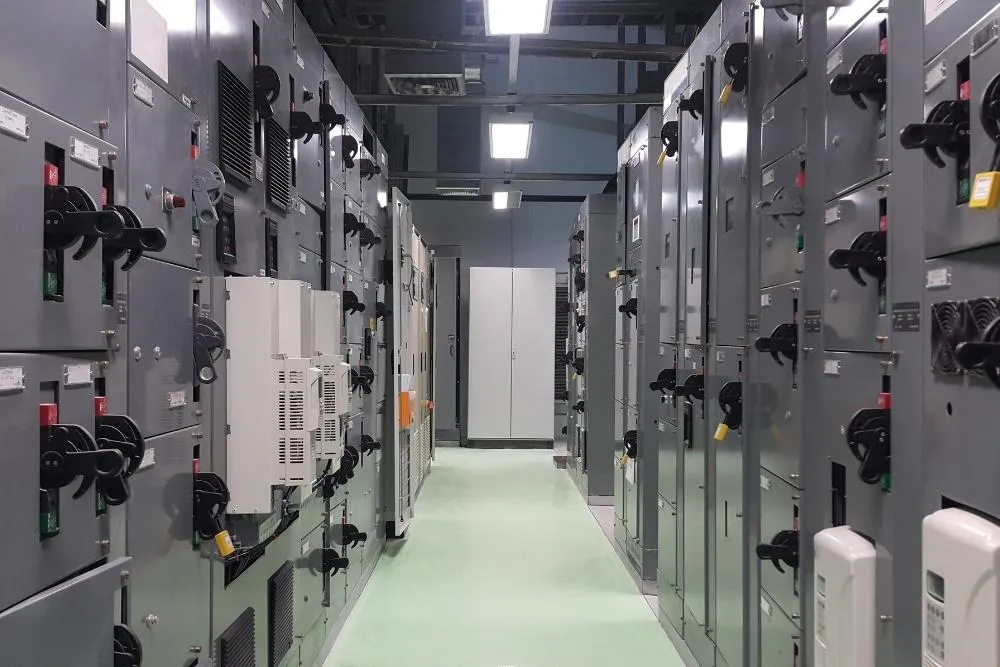
It’s more than just a requirement – it is an integral part of safety procedures that protect employees from unexpected startups and potential hazards.
We also carry out specific measures like tagging out machinery with moving parts and creating task-specific regulations to bolster this protective wall around our team members. So every time we use lockout devices or follow designated protocols, we’re actively working to reduce risks and ensure everyone’s safety within those confined zones on site.
Prevents accidental activations or releases
Lockout equipment plays a crucial role in preventing accidental activations or releases in confined spaces. By securely locking and tagging equipment, you can ensure that machinery or energy sources are not activated unintentionally.
This helps to minimise the risk of unexpected startup or hazardous situations. Lockout procedures and devices are designed to comply with safety regulations and protect both workers and property from potential harm.
So, by investing in lockout equipment for your confined spaces, you’re taking an important step towards creating a safe environment for everyone involved.
By implementing proper lockout procedures and using the right lockout devices, you can significantly reduce the chances of accidents caused by accidental activations or releases.
Complies with regulations
Complying with regulations is essential when it comes to lockout equipment for confined spaces. By following the required standards and guidelines, homeowners can ensure the safety of themselves and anyone entering these spaces.
Lockout tagout procedures are designed to prevent unexpected startup and potential hazards, making them a crucial part of maintaining a safe environment. So, let’s make sure we comply with regulations for the sake of everyone’s safety!
Types of Lockout Equipment
Lockout equipment for confined spaces includes lockout stations, hasps and locks, as well as tags and labels.
Lockout stations
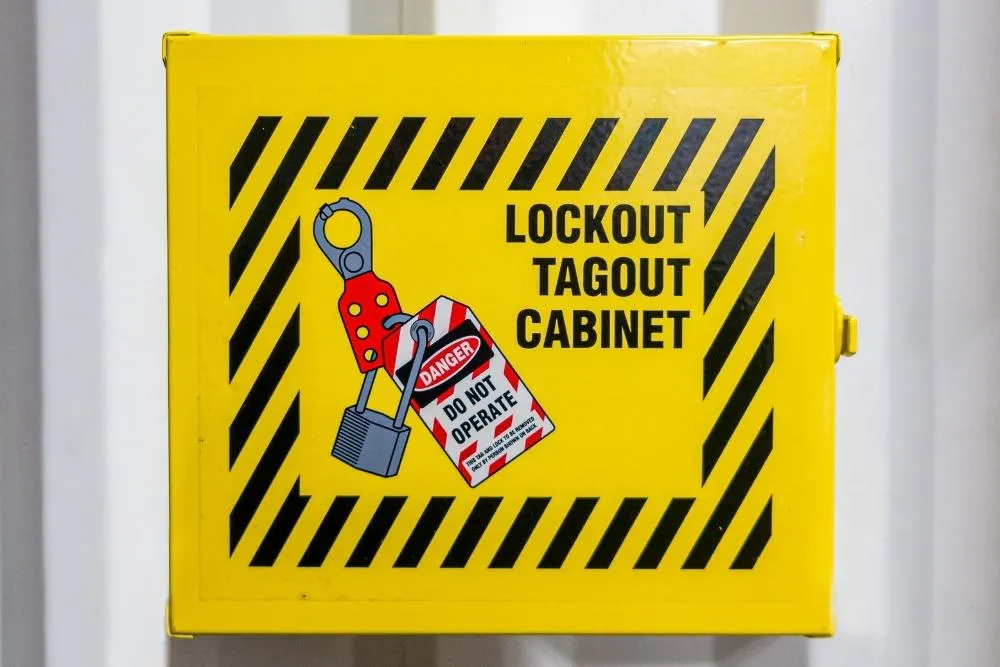
Lockout stations are crucial for ensuring safety in confined spaces. These stations serve as centralised locations where all necessary lockout equipment can be easily accessed and stored.
They typically include hooks, pegs, or slots to hang locks, hasps, tags, and labels. Lockout stations help maintenance managers, supervisors, and technicians stay organised by providing a designated place for all lockout devices.
This not only saves time but also ensures that the right equipment is readily available when needed. By having lockout stations in your facility, you can enhance safety procedures and prevent accidents from occurring in confined spaces.
Hasps and locks
Hasps and locks are essential components of lockout equipment for confined spaces. They play a crucial role in ensuring the safety of workers by securely isolating energy sources and preventing accidental activations or releases.
By using hasps and locks, you can comply with regulations and create a controlled environment within confined spaces.
Hasps provide a secure attachment point for padlocks, allowing multiple workers to lock out the same energy source simultaneously. This ensures that no one can access the equipment or machinery until all padlocks are removed.
Locks, on the other hand, prevent unauthorised access by acting as a physical barrier.
When choosing hasps and locks for your needs, consider factors such as the specific confined space environment and the type of energy source involved. It is important to identify the appropriate equipment for each lockout point to maximise safety.
Tags and labels
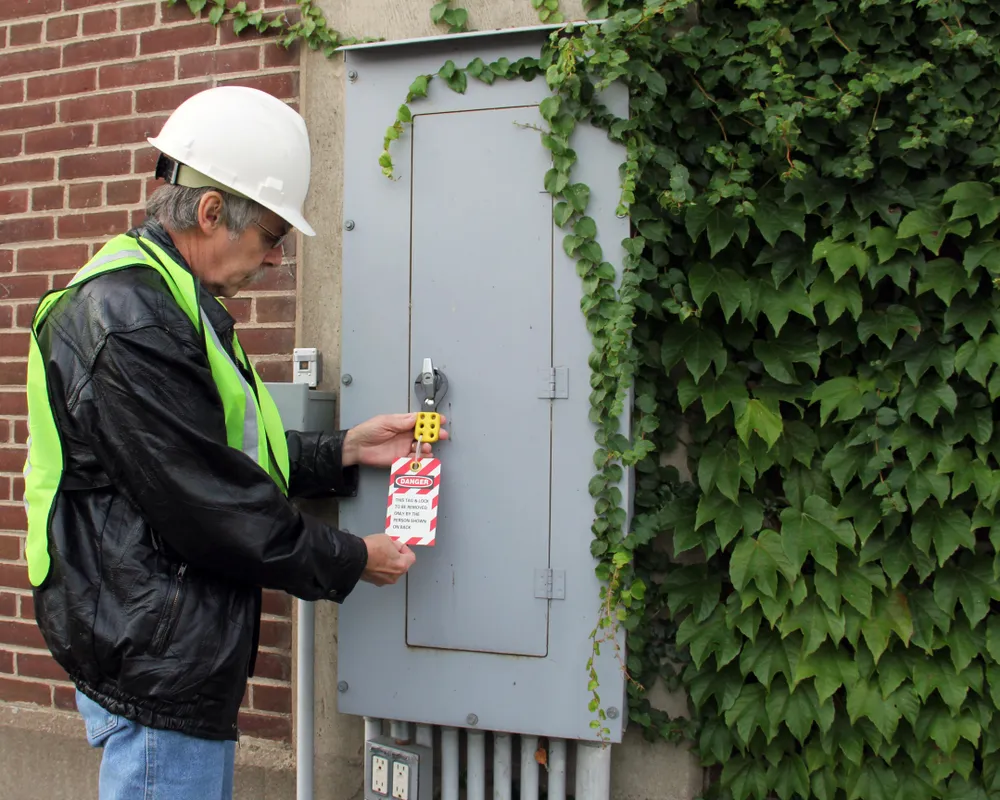
Tags and labels are essential components of lockout equipment for confined spaces. They play a crucial role in ensuring safety and preventing accidental activations or releases. By properly labelling and tagging equipment, you can clearly indicate which machinery or energy sources are locked out and should not be accessed.
This helps to avoid potential hazards and keeps everyone in the facility safe. Remember, danger tags should only be removed by authorised personnel to maintain the integrity of the lockout procedure.
So, make sure to use tags and labels effectively as part of your lockout process in confined spaces.
Choosing the Right Equipment for Your Needs
When it comes to choosing lockout equipment for confined spaces, it’s crucial to assess the specific environment, consider the energy source, and identify the appropriate equipment for each lockout point.
Read on to find out how to make the right choice and ensure safety in confined spaces.
Assessing the specific confined space environment
To ensure the safety of your workers in confined spaces, it is crucial to assess the specific environment beforehand. This involves evaluating factors such as the type of energy source present and identifying the appropriate lockout equipment for each potential lockout point.
By conducting a thorough assessment, you can determine which types of equipment, such as lockout stations, hasps and locks, or tags and labels, will be most effective in securing the confined space.
Remember that assessing the specific environment is an essential step towards implementing proper lockout procedures and preventing accidents or unexpected releases.
Considering the type of energy source
When choosing the right lockout equipment for confined spaces, it is important to consider the type of energy source involved. Different energy sources require different types of lockout devices to effectively secure them and prevent accidental activations or releases.
For example, if the confined space involves electrical equipment, you would need lockout devices specifically designed for electrical isolation, such as circuit breakers or electrical plug locks.
On the other hand, if the energy source is mechanical in nature, like a machine with moving parts, you would need lockout devices that can physically block or immobilise those parts.
It is crucial to properly assess and identify the specific type of energy source in your confined space environment before selecting the appropriate lockout equipment. This will ensure that you have the right tools to safely isolate and control hazardous energies during maintenance or repair work.
Identifying the appropriate equipment for each lockout point
To ensure the safety of workers in confined spaces, it is crucial to identify the appropriate equipment for each lockout point. This involves assessing the specific environment and considering the type of energy source present.
By doing so, you can determine whether lockout stations, hasps and locks, or tags and labels are needed for effective lockout procedures. Remember that choosing the right equipment plays a vital role in preventing accidental activations or releases and complying with regulations.
So take the time to evaluate each lockout point carefully before selecting the appropriate equipment.
Best Practices for Lockout Procedures
Establish a lockout plan and train employees on proper procedures, label and tag equipment correctly, and regularly maintain and inspect equipment to ensure continued safety in confined spaces.
Establishing a lockout plan and training employees
We understand how important it is to establish a lockout plan and provide proper training to employees when it comes to safety in confined spaces. By doing so, we ensure that everyone is aware of the procedures and protocols necessary for working safely in these areas.
This includes identifying potential hazards, understanding lockout tagout procedures, and knowing how to properly use equipment like locks, tags, and labels. Regular training sessions help reinforce this knowledge and keep employees up-to-date with the latest safety measures.
Together, we can create a secure working environment that prioritises the well-being of everyone involved.
Properly labeling and tagging equipment
We understand the importance of properly labelling and tagging equipment in confined spaces. It helps to ensure clear identification and communication, promoting safety for everyone involved.
When equipment is labelled correctly, it becomes easier to locate specific items when needed, reducing confusion and potential delays. Additionally, clearly tagged equipment serves as a visual reminder to workers about potential hazards or precautions that need to be taken.
By following proper labelling and tagging procedures, you can contribute to a safe and efficient work environment in confined spaces.
Regular maintenance and inspection of equipment
Regular maintenance and inspection of equipment are essential for ensuring the safety of workers in confined spaces. By regularly maintaining and inspecting lockout equipment, you can identify any potential issues or malfunctions before they become a hazard.
This includes checking locks, tags, labels, and other components to ensure they are in proper working condition. Regular maintenance also helps to extend the lifespan of your equipment, saving you money in the long run.
So make it a priority to schedule regular inspections and maintenance checks on your lockout equipment to keep everyone safe.
Importance of Confined Space Entry Permits
Confined space entry permits are crucial for ensuring safety in confined spaces, as they help us understand the hazards involved and implement proper entry and exit procedures. We use appropriate safety equipment for entry, such as safety harnesses and breathing apparatus, while also conducting gas detection tests and being vigilant of hazardous materials.
Additionally, our permit-to-work system allows us to have a clear chain of command and access to rescue equipment if needed.
Understanding confined space hazards
Confined spaces can pose serious hazards and risks to both workers and homeowners. It is crucial to have a clear understanding of these potential dangers in order to ensure safety.
For instance, unexpected startup of equipment or machinery in confined spaces can lead to dangerous situations, such as entrapment or crushing injuries. Additionally, confined spaces may contain hazardous substances like gases or chemicals that can cause respiratory problems or poisoning if not properly controlled.
Being aware of these hazards allows us to take the necessary precautions and implement appropriate safety measures when entering or working in confined spaces.
Implementing proper entry and exit procedures
We prioritise the safety of workers by implementing proper entry and exit procedures in confined spaces. This includes following a well-defined lockout plan and providing thorough training to employees.
By thoroughly understanding the hazards associated with confined spaces, we ensure that everyone is aware of the risks involved and knows how to protect themselves. Additionally, using appropriate safety equipment, such as safety harnesses and breathing apparatus, further enhances worker safety during confined space entry.
We also conduct regular maintenance and inspections to guarantee that all equipment is in good working order.
Using appropriate safety equipment for confined space entry
We must prioritise using the right safety equipment when entering confined spaces. This includes items like safety harnesses and breathing apparatus to protect against hazards such as gas leaks or hazardous materials.
It is crucial to have a permit to work in these areas and use lockout tagout procedures, which prevent accidental activation of machinery or equipment while inside. By following these precautions, we can ensure our safety and reduce the risk of accidents in confined spaces.
Secure Your Confined Space
In conclusion, having the right lockout equipment for confined spaces is crucial for ensuring the safety of workers and preventing accidents. By following best practices for lockout procedures, such as establishing a plan, training employees, and properly labelling equipment, you can create a safer working environment.
Remember to always comply with regulations and choose the appropriate equipment for each lockout point to effectively protect everyone involved.