
LockOut Equipment · 3 January 2024
Lockout Equipment for Complex Machinery
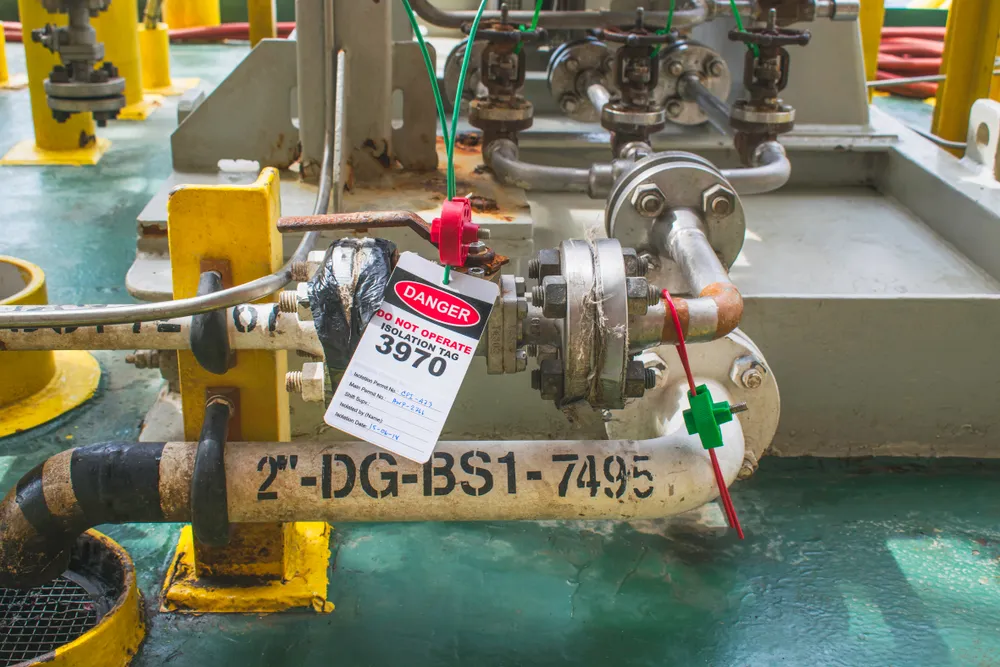
Tackling the challenge of safely powering down complex machinery can be a real head-scratcher, right? We get it; that knot in your stomach, when you’re hoping everything goes to plan, is something we understand all too well.
Our blog is chock-a-block with savvy insights about how using proper lockout gear can be an absolute winner, making sure every piece of kit switches off without a hitch and stays put.
Have a squiz at our safety guide, your peace of mind could just kick off here.
Key Takeaways
- Using lockout and tagout procedures is a must for safely turning off complex machinery, as it protects workers from potential hazards like accidental machine start-ups or the unexpected release of energy.
- Specialised lockout kits are tailored to different types of machinery, containing various devices that help in effectively isolating hazardous energy sources ensuring no unwanted incidents during maintenance.
- For multi-worker scenarios involving several lockout points, assigning responsibility, coordinating efforts, using personal locks and tags by each worker, and establishing clear communication ensures everyone’s safety.
- Lockout equipment doesn’t only include locks and tags but also hasps and storage solutions. These keep tools organised and accessible while also facilitating regular checks to confirm all necessary items are available when needed.
- Innovative lockout devices cater to situations where machinery needs to remain operational during maintenance. This allows certain parts of the machine to be serviced while others continue working safely.
Understanding Lockout and Tagout Procedures
Understanding the importance of a safe and effective lockout process is crucial for managing risks with complex machinery. Proper lockout and tagout procedures involve identifying machinery and energy sources, assessing risks, notifying workers, shutting down machinery, de-energising lockout points, attaching personal locks and tags, and testing the lockout.
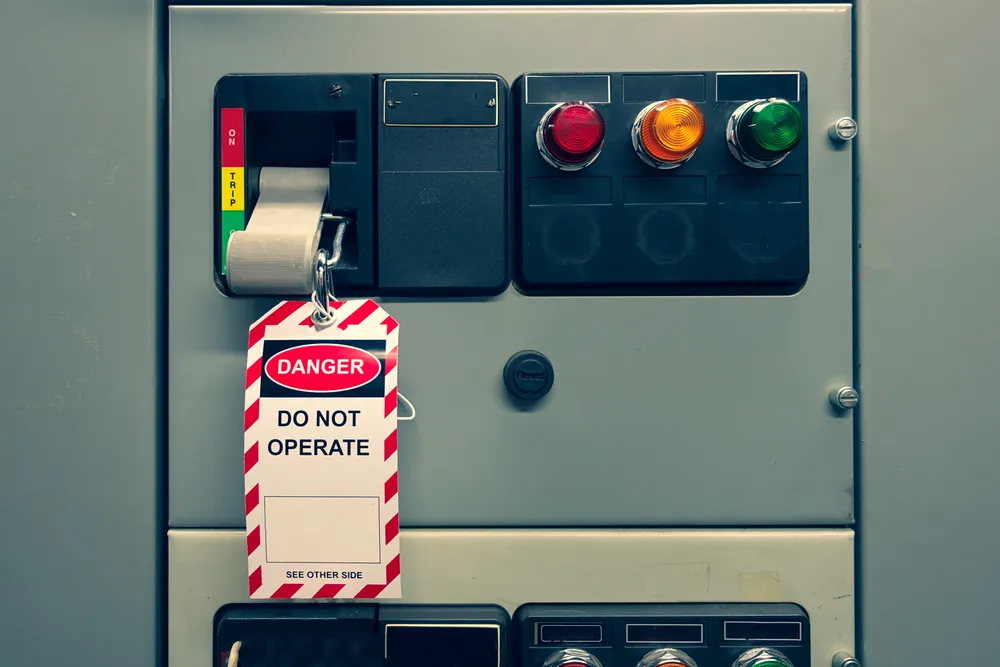
Importance of a safe and effective lockout process
We know that safety comes first when dealing with complex machinery. A reliable lockout process protects our workers from the dangers of accidental machine start-up or unexpected release of hazardous energy.
By effectively isolating and de-energising equipment, we create a safer work environment for everyone involved in maintenance or repair tasks. Our use of lockout tagout procedures is critical; it prevents injuries and saves lives by ensuring that machines are properly shut down before any service begins. As homeowners responsible for the upkeep of our properties, using safety lockout devices lets us manage risks confidently.
We take pride in maintaining not just the efficiency but also the safety standards of our homes through rigorous energy isolation practices. Remembering to utilise proper lockout/tagout equipment is as essential as knowing how to operate your home systems – this knowledge keeps you and others safe as you maintain your living space.
Managing risks with lockout equipment
To effectively manage risks associated with machinery maintenance, it is crucial to use lockout equipment that isolates and de-energises all energy sources. By immobilising these hazardous energy points, the chance of unexpected start-ups or releases is significantly reduced.
Using specific lockout devices for different machinery parts not only ensures worker safety but also complies with formal periodic inspections essential for maintaining safety standards.
It’s important to note that authorised personnel must conduct these procedures, and thorough documentation of group lockout/tagout processes must be maintained to ensure a safer work environment.
Steps for Proper Lockout and Tagout Procedures
Identifying machinery and energy sources is the first step in our lockout and tagout procedures. Once identified, we assess risks and notify workers before shutting down machinery and de-energising lockout points.
Personal locks are then attached, and machinery is tagged out before testing the lockout to ensure proper immobilisation.
Identifying machinery and energy sources
To ensure safety, it is essential to identify all machinery and energy sources before initiating lockout procedures. Here’s a step-by-step process for identifying machinery and energy sources:
- Inspect all machinery and equipment to locate their various energy sources, such as electrical power, hydraulic systems, or pneumatic systems.
- Review equipment manuals or consult with maintenance personnel to understand the specific energy sources and potential hazards associated with each machine.
- Label each energy source clearly with information about its type, location, and any potential risks related to de-energising or isolating it.
- Use appropriate lockout devices that are compatible with the specific energy sources present in each piece of machinery.
- Take inventory of all lockout equipment needed for effectively isolating each identified energy source.
Assessing risks and notifying workers
- Identify potential dangers associated with the machinery and energy sources involved in the lockout/tagout procedure.
- Communicate the identified risks to all workers who may be affected by the equipment shutdown.
- Ensure that workers are informed about the specific hazards and potential consequences of not following lockout/tagout procedures.
- Clearly outline the steps that will be taken to de-energise and isolate the machinery to mitigate risks effectively.
- Provide comprehensive training to all employees involved in the process, including proper procedures for shutdown, de-energising, locking out, and tagging out equipment.
Shutting down machinery and de-energising lockout points
- Identify all energy sources connected to the machinery, including electrical, mechanical, hydraulic, pneumatic, and thermal energy sources.
- Notify all workers in the area of the impending shutdown to ensure their safety.
- Turn off or shut down the machinery using the appropriate procedures outlined in the equipment manual or guidelines.
- Disconnect or isolate all energy sources by following the specific isolation procedures for each type of energy source.
- Securely lock and tag out each energy isolation point to prevent accidental re – re-energisation while maintenance or repair work is being conducted.
- Test that the lockout has been successful by attempting to start up or energise the machinery to verify it remains immobilised and de-energised.
Attaching personal locks and tagging out machinery
After shutting down machinery and de-energising lockout points, the next step is to attach personal locks and tag out the machinery. This step is crucial for ensuring that no accidental startup or release of hazardous energy occurs during maintenance or servicing. Here are the steps for attaching personal locks and tagging out machinery:
Personal Lock Attachment:
- Use a designated personal lock that only authorised personnel have access to.
- Securely fasten the personal lock onto the lockout device to prevent unauthorised removal.
Tagging Out Machinery:
- Use lockout tags to communicate information about the work being done and its importance.
- Ensure that the tag includes details such as equipment identification, reason for lockout, date, and contact information.
Group Lockout Consideration:
- If multiple workers are involved in the maintenance process, ensure each worker attaches their lock and tag to the lockout device.
- Clearly define responsibilities and communication procedures among workers involved in group lockout situations.
Compliance with Procedures:
- Verify that all necessary steps for attaching personal locks and tagging out machinery are completed according to company-specific procedures.
- Conduct regular training sessions on proper lockout/tagout procedures to ensure compliance among employees.
Testing Procedures:
- Before commencing work, verify that the personal locks are securely attached and cannot be removed without proper authorisation.
- Test the tag by ensuring it is visible and contains all required information.
Documentation Requirements:
- Document each instance of attaching personal locks and tagging out machinery in compliance with regulatory requirements.
- Maintain records of all tagouts including details such as duration, reason, personnel involved, equipment tagged, and date/time.
Communication with Personnel:
- Appoint a dedicated individual responsible for overseeing the attachment of personal locks and tagging out machinery during maintenance activities.
- Establish clear communication channels to address any concerns or issues related to tagging out machinery.
Testing the lockout and tagout
After attaching personal locks and tagging out machinery, it’s crucial to test the lockout and tagout to ensure the equipment is effectively isolated. Here are the steps for testing the lockout and tagout:
- Verify all energy sources are cut off by attempting to start the machinery or equipment.
- Ensure that all control switches are in the off position before reconfirming that the equipment cannot be turned on.
- Check that there’s no residual power or stored energy that could pose a danger when trying to restart the machinery.
- Test safety systems and alarms to guarantee they’re still functioning after lockout procedures.
- Confirm with visual checks that moving parts have stopped moving entirely before proceeding with maintenance work.
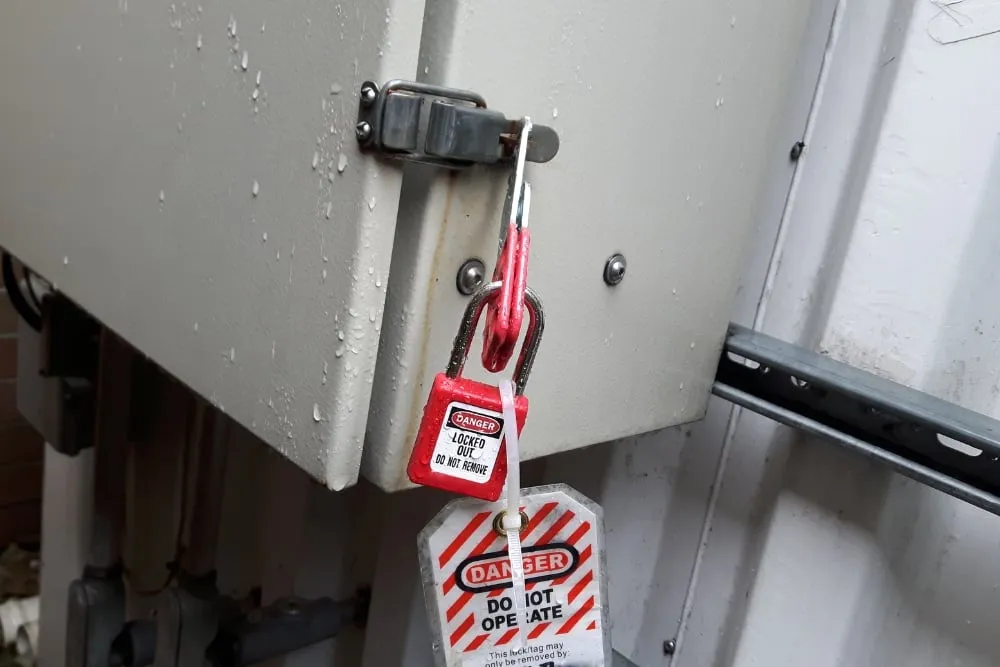
Group Lockout Procedures
When it comes to managing multiple workers and lockout points, it’s important to have clear procedures in place. We’ll discuss how to safely remove lockout and restart machinery when working as a team.
Multiple workers and one lockout point
Lockout Equipment for Complex Machinery is crucial when multiple workers need to isolate one lockout point. To ensure safety, follow these steps:
- Identify the machinery and energy sources that need to be locked out.
- Assess the risks associated with the lockout procedure and notify all workers involved.
- Shut down the machinery and de-energise the lockout points according to safety protocols.
- Have each worker attach their locks to the designated lookout points.
- Use tags to indicate who is responsible for each lock and provide essential information about the work being done.
- Test the lockout to confirm that hazardous energy has been successfully isolated.
Multiple workers and multiple lockout points
When several workers are involved in a lockout procedure, it is crucial to consider multiple lockout points. This ensures that each energy source is effectively isolated and tagged out. Here are the key steps for implementing lockout procedures with multiple workers and multiple lockout points:
- Assign responsibility: Designate specific workers to be responsible for isolating and tagging out each energy source. Clear communication of responsibilities is essential to avoid any confusion.
- Coordinate efforts: Ensure that all workers involved in the lockout procedure are aware of their roles and coordinate their actions to simultaneously de-energise and lock out multiple equipment or machinery.
- Use lockout devices: Equip each worker with personal locks, ensuring they can securely attach them to the individual lockout points. This helps prevent unauthorised re-energisation.
- Communication: Implement a clear communication protocol between all workers involved in the procedure, including regular updates on progress and confirmation when each energy source has been effectively locked out.
- Verification: Conduct thorough checks and verifications once all energy sources have been isolated and tagged out to ensure that machinery remains de-energised before maintenance work begins.
- Documentation: Keep detailed records of the entire lockout process, documenting the isolation of each energy source by multiple workers, as well as any challenges encountered during the procedure.
Removing lockout and restarting machinery safely
To safely remove the lockout and restart machinery, follow these steps:
- Confirm that all workers are clear of the machinery and its moving parts.
- Ensure all tools and equipment have been removed from the machinery.
- Check for any potential hazards or issues before restarting the machinery.
- Notify all workers in the area that the machinery will be restarted.
- Remove personal locks and tags from the energy isolation points.
- Carefully re-energise the machinery, following proper start-up procedures.
- Conduct a thorough check to ensure that everything is functioning properly before resuming operations.
Special Cases for Lockout and Tagout:
When machinery must remain operational, special lockout equipment such as adjustable cable locks can be used to ensure safety during maintenance. The use of lockout equipment for scaffolding structures is crucial for preventing accidental activation of machines and electrical hazards.
When machinery must remain operational
In cases where machinery must remain operational during maintenance or servicing, specific lockout/tagout procedures and equipment are crucial to ensure the safety of workers. It is essential to use innovative lockout devices designed for in-service maintenance, allowing certain areas of the machinery to be isolated while other parts remain operational.
These specialised lockout measures provide a secure way to work on the equipment while ensuring that energy sources are properly controlled.
By utilising these tailored lockout solutions, homeowners can effectively manage potential risks associated with working on complex machinery without disrupting ongoing operations.
Use of lockout equipment for scaffolding structures
Lockout equipment for scaffolding structures is crucial to ensure the safety of workers. This involves isolating and de-energising potential hazards, such as electrical sources or moving parts before any maintenance or repairs are carried out.
By utilising lockout devices designed specifically for scaffolding structures, we can effectively immobilise equipment and prevent accidents, creating a safer work environment for everyone involved.
Locking out energy sources on scaffolding structures helps reduce the risk of unexpected energisation or release of hazardous energy during maintenance activities. Specially designed lockout devices and accessories play a significant role in ensuring that scaffolding machinery can be safely worked on without any risks posed by residual energy.
Recommended Products for Effective Lockout and Tagout
When it comes to ensuring the safety of complex machinery, having the right lockout equipment is crucial. We’ll discuss the best lockout kits for different types of machinery and explore the various tools and devices that can help you effectively de-energise and secure your equipment during maintenance or repair work.
Lockout kits for complex machinery
Lockout kits for complex machinery are crucial for ensuring the safety of our workers and family members when dealing with intricate equipment. These kits contain a range of lockout devices specifically designed to fit onto different types of machinery, effectively preventing unexpected energisation or startup during maintenance or repair.
Using these kits significantly reduces the risk of accidents and creates a safer working environment. It’s important to follow proper procedures and only authorised personnel should install and attach lockout devices according to energy control programmes.
Lockout equipment plays a significant role in isolating hazardous energy sources, such as electrical power, from machinery. By utilising these specific lockout kits, risks associated with machine isolation and de-energising can be managed effectively, achieving greater safety outcomes for everyone involved.
Lockout tags and holders
When conducting lockout and tagout procedures, it’s crucial to have the right equipment. Lockout tags and holders play a pivotal role in clearly communicating critical information about the machinery being worked on and its importance.
These tags help prevent accidental startup or release of hazardous energy by notifying workers that maintenance is being performed, ensuring a safer work environment. By affixing clear and visible tags, homeowners can effectively communicate essential details about the work being done, helping to maintain safety standards.
Lockout holders are also essential for securely storing locks when they aren’t in use during maintenance or servicing procedures. This helps to prevent misplacement of locks and ensures that authorised personnel have easy access to them when needed.
Lockout hasps and devices
Lockout hasps and devices are essential tools in the lockout/tagout process for securing energy isolation points during maintenance or servicing. These devices securely hold lockout padlocks in place to prevent the activation of machinery while workers perform tasks.
By using these devices, workers can ensure that hazardous energy sources remain safely locked out until their work is completed, reducing the risk of accidents and injuries.
When selecting lockout hasps and devices, it’s crucial to choose options that are durable and compatible with the specific machinery being serviced. Look for products that offer flexibility in accommodating various types of energy-isolating mechanisms and provide a clear indication of when they are in use.
Storage solutions for lockout equipment
Lockout equipment storage is crucial for maintaining safety and efficiency. Organising lockout kits, tags, hasps, and other accessories in designated areas ensures easy access when needed.
Proper storage solutions help prevent misplacement or damage to the equipment, making sure that everything is readily available for maintenance procedures. A well-organised storage system also aids in regular inspections and inventory checks to ensure that all necessary items are present.
Having a dedicated storage area for lockout equipment helps to streamline the overall lockout/tagout procedure. This ensures that essential tools are ready when required, thus contributing to a safe working environment for everyone involved in machinery maintenance or servicing.
Discover Complex Machinery
In conclusion, utilising lockout equipment for complex machinery is crucial in ensuring worker safety during maintenance and repair procedures. It involves isolating and de-energising all energy sources to prevent accidental startup or hazardous energy release.
Different devices and accessories are available for specific purposes, emphasising the importance of following formal periodic inspections to maintain safety standards. Proper documentation of lockout/tagout procedures for all machines is essential, along with the involvement of authorised personnel in installing and attaching these devices.