
LockOut Equipment · 17 October 2023
Lockout Devices for Different Industries
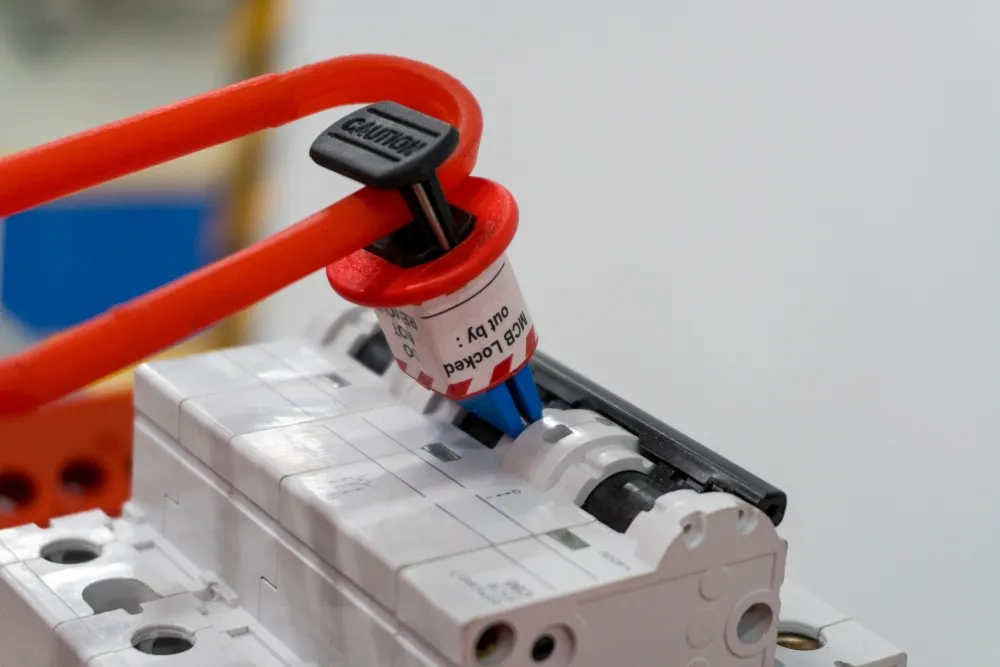
Strolling through the maze of Lockout/Tagout (LOTO) devices across vast industries, such as manufacturing and construction, can be a bit like navigating through an outback. We’ve stood in your boots mate, staring at the endless options and feeling just a tad bamboozled – fancy knowing that LOTO procedures are key to stopping accidental use of machines for safety? This blog post will peel back layers on various lockout devices designed specifically for different workplaces, their importance, and how they bolster safety regulations whilst sticking to standards.
So keep your hat on; cracking open this knowledge could totally transform your perception of workplace safety!
Key Takeaways
- Lockout devices are crucial for workplace safety across industries like manufacturing, construction, mining, and the food industry.
- These devices help prevent accidents by disabling machinery or equipment during maintenance or repair work.
- Safety padlocks and tags are commonly used in conjunction with lockout devices to visually indicate that equipment is not safe to use.
- Compliance with standards is essential to ensure worker protection from hazardous energy sources.
Understanding Lockout/Tagout Procedures
Lockout/Tagout procedures are essential for workplace safety, helping to prevent accidents and protect employees from potential hazards.
Definition of Lockout/Tagout
Lockout/Tagout is a safety procedure widely used across various industries, including construction and manufacturing. This process ensures the de-energisation of machinery or equipment to protect workers from unexpected startups or chemical releases.
In simpler terms, we ‘lock’ the energy-isolating device in its safe position and then ‘tag’ it with vital information like who locked it out, why it’s locked, and how long it will remain inaccessible.
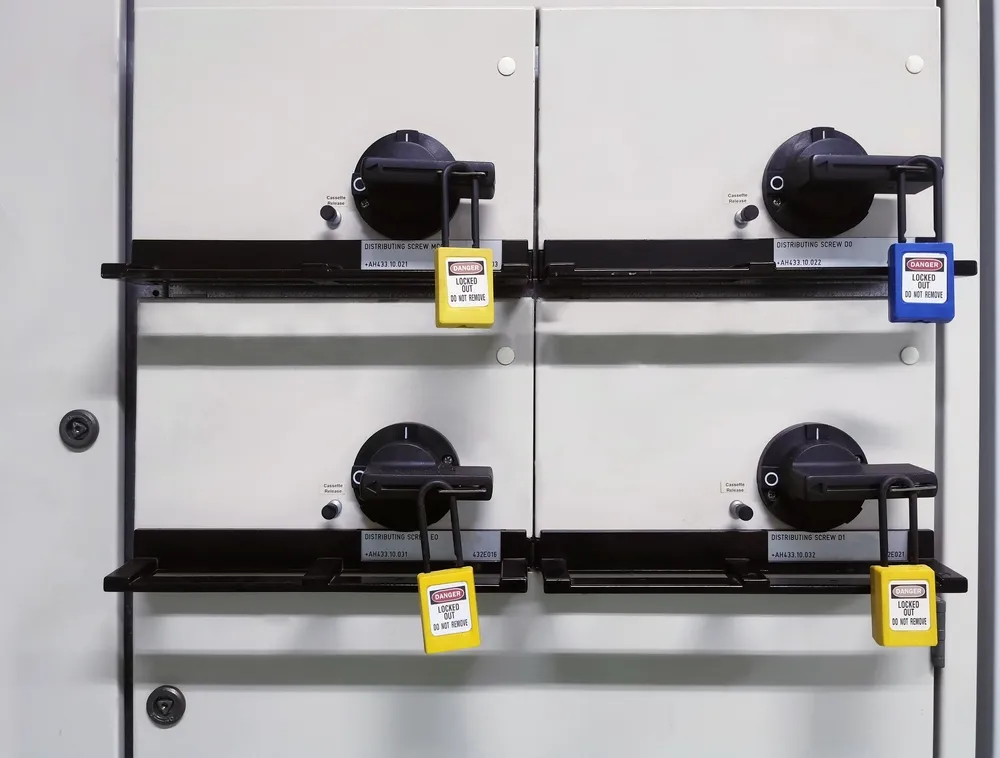
Safety padlocks are often used in the lockout process while durable tags serve as visual warnings not to operate the machine. Using Lockout/Tagout procedures effectively reduces workplace accidents related to uncontrolled hazardous energy.
Importance for Workplace Safety
Ensuring workplace safety is of utmost importance in any industry. Lockout devices play a vital role in preventing accidents and protecting employees from harm. These devices are designed to disable machinery or equipment, making it impossible for them to be operated while maintenance or repairs are being carried out.
By implementing lockout procedures and using appropriate lockout devices, companies can effectively control hazardous energy sources and minimise the risk of workplace accidents.
Lockout devices provide a visual indicator that a piece of equipment is not safe to use. They serve as a physical barrier, preventing unauthorised access and accidental startups. This helps create a safer working environment by reducing the chances of electrical shocks, machinery malfunctions, or other incidents that could lead to serious injuries or even fatalities.
By using lockout devices according to guidelines and company policies, businesses demonstrate their commitment to employee safety. Locking out equipment before performing maintenance tasks ensures that workers are protected from unexpected releases of energy or unintentional movement of machines.
It also promotes accountability among employees by establishing clear protocols for isolating equipment and ensuring that only authorised personnel have access.
Types of Lockout Devices for Different Industries
In different industries, such as manufacturing and construction, various types of lockout devices are used to ensure workplace safety.
Manufacturing Industry
In the manufacturing industry, lockout devices play a crucial role in ensuring workplace safety.
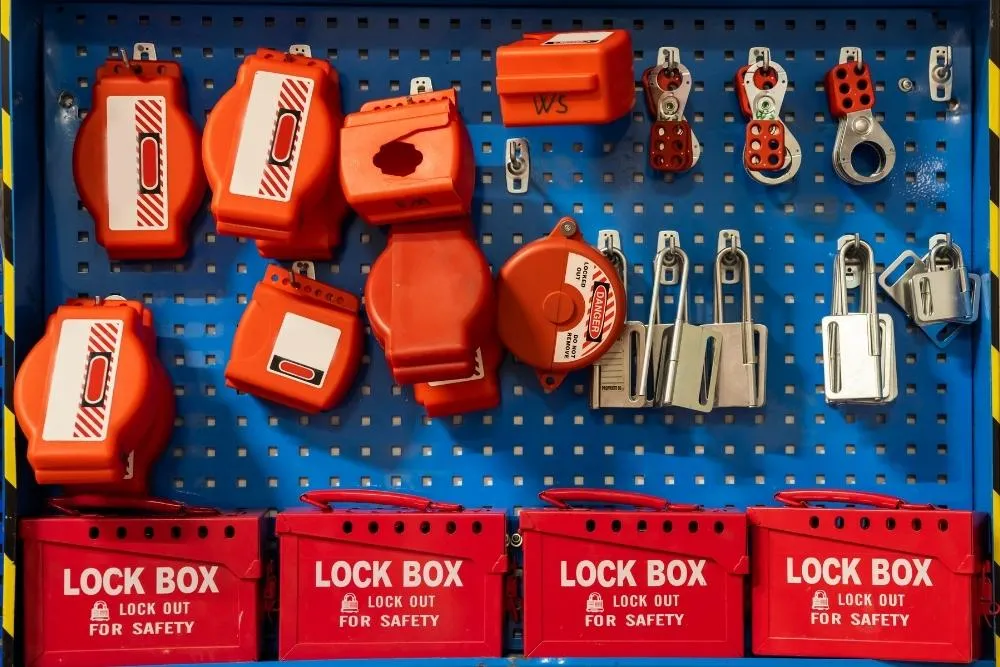
These devices are used to isolate and secure hazardous energy sources in machinery and equipment during maintenance or repair work.
By following proper lockout procedures, workers can prevent accidental release of energy that could lead to serious injuries. Safety padlocks and tags are commonly used in conjunction with lockout devices to clearly indicate that the equipment is not to be operated.
It is important for homeowners who work in the manufacturing industry to understand and follow these lockout/tagout procedures to protect themselves and others from potential accidents or mishaps.
Construction Industry
In the construction industry, lockout devices play a crucial role in ensuring workplace safety. With various hazardous equipment and machinery on construction sites, it is essential to follow proper lockout/tagout procedures to disable, isolate, and secure energy sources effectively.
By using lockout devices such as breakers or ball valve lockouts, workers can safely hold energy-isolating devices in a safe/off position. Safety padlocks are commonly used alongside tags to draw attention to locked-out equipment.
It is important for homeowners involved in construction projects to understand and adhere to these procedures to protect their workforce from potential accidents and ensure a safe working environment.
Mining Operations
Mining operations involve the extraction of valuable minerals and resources from the earth’s crust. These operations can be found in various locations around the world, including open-pit mines and underground tunnels.
Mining is crucial for supplying materials used in construction, manufacturing, and other industries. However, it is also a high-risk industry due to potential hazards such as cave-ins, explosions, and exposure to harmful substances like dust or chemicals.
To ensure safety during mining operations, lockout/tagout procedures are essential. By using lockout devices like padlocks and tags, workers can isolate energy sources and prevent accidental startup of machinery or equipment.
Food Safety Industry
In the food safety industry, lockout devices play a crucial role in preventing accidents and maintaining hygiene standards. Lockout procedures are implemented to safely isolate equipment like mixers or slicers during cleaning or maintenance.
This helps protect workers from hazardous energy sources, such as electrical currents or moving parts. By using lockout devices, like safety padlocks and breaker lockouts, along with tags to communicate the status of equipment, food businesses can ensure that proper precautions are taken before any work is done on machinery.
These measures help minimise risks and keep both employees and consumers safe from potential hazards in the food production process.
Compliance with Standards
In this section, we will discuss the importance of complying with standards for lockout/tagout procedures and how it can ensure workplace safety. Read on to learn more about the lockout/tagout standard and its exceptions or violations.
Overview of Lockout/Tagout Standard
Lockout/Tagout Standard is a set of guidelines and regulations established by the Occupational Safety and Health Administration to ensure workplace safety. It focuses on controlling hazardous energy sources through lockout/tagout procedures.
These procedures involve isolating machinery or equipment from their energy sources, such as electrical circuits or hydraulic systems, to prevent unintentional startup during maintenance or servicing.
By following this standard, employers can protect workers from hazardous energy-related accidents and injuries. Compliance with the Lockout/Tagout Standard is crucial in industries like manufacturing and construction where work environments often involve complex machinery and equipment that pose risks if not properly controlled.
Exceptions and Violations
Exceptions to lockout/tagout procedures can occur in certain situations. For example, if shutting off machinery would create a greater risk than leaving it running, alternative safety measures may be used instead.
However, these exceptions should only be made after a thorough risk assessment has been conducted and documented. In addition, violations of lockout/tagout procedures can result in serious consequences for both employers and employees.
It is essential to follow the established protocols to ensure workplace safety and prevent accidents or injuries. Remember, your well-being and the well-being of those around you depend on everyone following proper lockout/tagout procedures at all times.
Implementing a Comprehensive Lockout/Tagout Program
To ensure workplace safety, implementing a comprehensive lockout/tagout program is crucial. This involves key components such as training employees and conducting regular inspections.
Discover how to establish an effective program that safeguards against accidents. Continue reading for essential tips and guidelines on lockout/tagout procedures in different industries.
Key Components
To ensure a comprehensive lockout/tagout program, there are key components that must be in place. First and foremost, training employees on lockout/tagout procedures is crucial. This includes educating them on the importance of using lockout devices to prevent accidental equipment operation.
Regular inspections should also be conducted to ensure lockout devices are properly installed and functioning effectively. By implementing these key components, we can create a safer work environment and reduce the risk of workplace accidents caused by hazardous energy.
Training Employees
To ensure the successful implementation of a lockout/tagout program, training employees is essential. By providing comprehensive training, employees will understand the importance of lockout/tagout procedures and their role in maintaining workplace safety.
They will learn how to properly identify energy sources, isolate equipment, and securely apply locks and tags. Training should also cover the potential hazards associated with non-compliance and emphasise the need for clear communication when performing lockout/tagout procedures.
Regular refresher courses should be conducted to reinforce these crucial skills and keep employees up-to-date with any changes in procedures or equipment. By investing in employee training, we can create a safer work environment for everyone involved.
Regular Inspections
Regular inspections are a crucial part of maintaining an effective lockout/tagout program. These inspections help ensure that all lockout devices are in proper working condition and that they have not been tampered with or removed without authorisation.
By conducting regular inspections, we can identify any potential hazards or issues that may arise and take the necessary steps to correct them before they lead to accidents or injuries.
During these inspections, we check each lockout device for signs of damage or wear and tear. We also make sure that the devices are being used correctly and that all energy sources have been properly isolated.
In addition, we verify that all locks and tags are labelled with the necessary information, such as the name of the person performing the lockout/tagout procedure.
By regularly inspecting our lockout devices, we demonstrate our commitment to workplace safety and ensure compliance with standards. These inspections give us peace of mind knowing that our machinery is properly secured against hazardous energy sources, reducing the risk of accidents for both ourselves and our employees.
Choosing the Right Lockout Device and Tools
When choosing the right lockout device and tools for your industry, consider factors such as the type of locks and tags needed, LOTO boxes and software options, creating a LOTO inspection checklist, and recommended safety training programs.
Australian industries must prioritise workplace safety by implementing effective lockout/tagout procedures.
Types of Locks and Tags
Lockout/tagout procedures require the use of different types of locks and tags to ensure the safety of workers in various industries. Safety padlocks, whether key or combination locks are commonly used in lockout/tagout procedures.
These padlocks help prevent unauthorised access and clearly indicate that equipment is locked out. Tags are also important in this process, as they provide additional information about the work being done on a machine or equipment.
By using the appropriate locks and tags, workers can effectively communicate potential hazards and prevent accidents from occurring.
LOTO Boxes and Software
Lockout/tagout (LOTO) boxes and software are essential tools for ensuring the safe implementation of lockout/tagout procedures. LOTO boxes provide a secure location to store locks, tags, and other equipment used in the procedure.
They are designed to prevent unauthorised access and protect workers from accidental energisation of equipment. Additionally, LOTO software helps streamline the process by providing electronic documentation, checklists, and reminders for completing lockout/tagout procedures correctly.
These tools enable homeowners to effectively control hazardous energy sources in their homes, minimising the risk of workplace accidents and promoting a safer environment for everyone involved.
Creating a LOTO Inspection Checklist
To ensure the effectiveness of lockout/tagout procedures, it is crucial to have a thorough inspection checklist in place. Here are some key steps for creating a LOTO inspection checklist:.
Firstly, identify all the equipment and machinery that require lockout/tagout procedures in your home or workplace. This includes machines with moving parts, electrical systems, and any other potential sources of hazardous energy.
Next, establish clear guidelines for the lockout/tagout procedure. Specify who is responsible for implementing and overseeing the process. Make sure everyone involved understands their roles and responsibilities.
Include detailed instructions on how to properly apply locks and tags. This should cover aspects such as choosing the right lock type (keyed or combination), ensuring they are durable enough for long-term use, and affixing clear tags with relevant information.
Recommended Safety Training
We strongly recommend that homeowners receive proper safety training to ensure their well-being when working with machines and equipment. This training will equip you with the knowledge and skills needed to understand lockout/tagout procedures and use lockout devices effectively.
By receiving this training, you will be able to identify potential hazards, implement appropriate safety measures, and prevent accidents in your home. Remember, your safety should always be a top priority, so invest in the recommended safety training to protect yourself and those around you.
Know the Perfect Lockout Device for You
In conclusion, lockout devices are essential for ensuring workplace safety in various industries. By implementing lockout/tagout procedures and using appropriate devices, such as padlocks and breaker lockouts, the risk of accidents can be significantly reduced.
Compliance with standards is crucial to protect workers from hazardous energy sources. Remember to choose the right lockout device and provide adequate training to employees for a comprehensive program that prioritises their safety.