
LockOut Equipment · 26 October 2023
Lockout Devices for Automated Systems
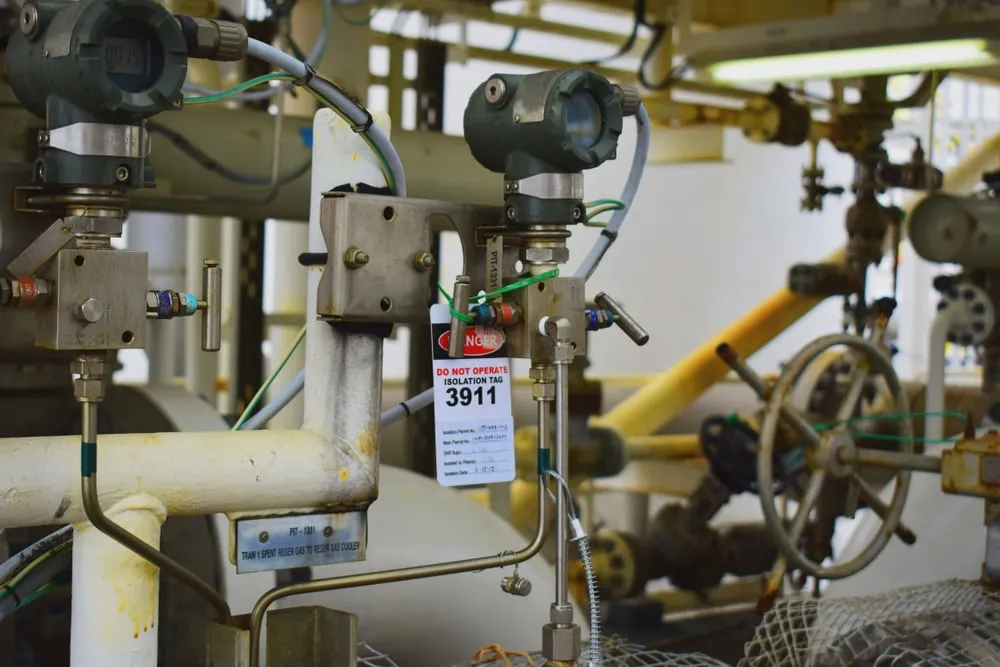
Ever found yourself scratching your head, puzzled about how to maintain safety while manoeuvring automated systems? You’re not alone! We’ve found ourselves in the same boat and stumbled across a ripper of a solution – Lockout devices.
In this yarn, we’ll demystify what these little beauties are, explain how you can use them effectively, and delve into why they’re essential for sticking to safety standards like regulations.
So are ya ready to jump into a world where technology shakes hands with safety?
Key Takeaways
- Lockout Devices for Automated Systems are designed to ensure workplace safety by preventing accidental or inadvertent operation of machinery.
- These devices comply with regulations and provide practical solutions for isolating hazardous energies in the workplace.
- Different types of lockout devices, such as circuit breaker lockouts and plug valve lockouts, are available to fit specific equipment and control different energy sources.
- When choosing lockout devices, it is important to consider compliance, proper fit, and the unique needs of your workplace.
What are LockOut Devices for Automated Systems?
Lockout Devices for Automated Systems are safety devices designed specifically for workplaces to comply with regulations and prevent accidental or inadvertent operation of automated machinery.
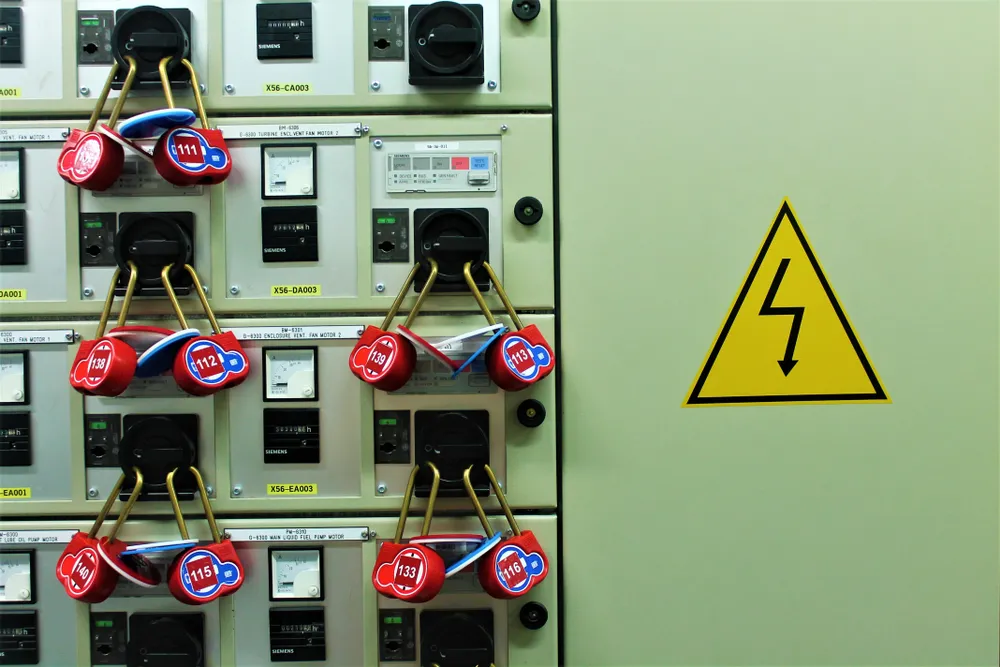
Designed for safety in the workplace
LockOut devices work in the most efficient way to ensure workplace safety. These ingenious creations provide practical solutions for isolating hazardous energies, thus preventing unforeseen accidents from occurring with machinery or automated systems.
There’s no compromise when it comes to safeguarding your employees’ lives with LockOut devices – they inhibit any accidental or unintentional operation of machines that could cause harm or even a life-threatening situation.
Any employer committed to having a secure working environment shouldn’t overlook the significance of these innovatively designed devices.
Comply with regulations
We need to make sure we comply with regulations when using lockout devices for automated systems. This is an important step in ensuring the safety of our workers and preventing accidents.
By complying with regulations, we can create a safer work environment and reduce the risk of injuries or incidents caused by unexpected energisation or startup of machinery.
Remember, it’s crucial to stay up-to-date with any changes or updates to regulations to maintain compliance and protect our workers.
Prevent accidental or inadvertent operation
Lockout devices for automated systems play a crucial role in preventing accidental or inadvertent operations. By effectively locking and isolating energy sources, these devices ensure the safety of workers and minimise the risk of accidents.
Padlocks, hasps, electrical lockouts, and valve lockouts are just a few examples of devices used to prevent unauthorised access to equipment. Lockout tagout procedures involve affixing labels or tags to communicate important information about ongoing work.
By implementing these measures, homeowners can create a safe environment and prevent any unintended operation of their automated systems.
Types of Lockout Devices
There are various types of lockout devices for automated systems, including circuit breaker lockouts, plug valve lockouts, gate valve lockouts, cable lockouts, and electrical equipment lockouts.
Circuit breaker lockouts
Circuit breaker lockouts are an important type of lockout device used in automated systems. They ensure the safety of workers by preventing accidental or inadvertent operation of circuit breakers.
These lockouts comply with regulations and are designed to fit securely over circuit breakers, keeping them in the off position and preventing energisation. By using circuit breaker lockouts, homeowners can effectively control hazardous energies and protect themselves and others from potential accidents or injuries.
Plug valve lockouts
Plug valve lockouts are a crucial type of lockout device for automated systems. They are specifically designed to prevent accidental or inadvertent operation of plug valves in the workplace, ensuring the safety of workers and compliance with regulations.
By effectively locking and isolating energy sources, plug valve lockouts provide physical protection by restricting unauthorised access to equipment. These lockout devices are easy to use and can be securely fastened onto plug valves, preventing any unwanted movement or activation.
Investing in high-quality plug valve lockouts is essential for maintaining a safe work environment and preventing accidents or injuries caused by unexpected equipment operations.
Furthermore, plug valve lockouts play an important role in controlling hazardous energies associated with automated systems such as robot cells. It is essential to follow proper procedures when using these lockout devices, including preparing for lockout, following a sequence of steps, using tags and signs correctly, and receiving adequate training on their usage.
Gate valve lockouts
Gate valve lockouts are an important type of lockout device used in automated systems to ensure safety. These lockouts are designed to fit over gate valves, preventing them from being operated accidentally or inadvertently.
By securely locking the gate valve in place, workers can work safely without the risk of unexpected releases of hazardous energy. Gate valve lockouts are easy to use and provide a visible indication that the valve is locked out and should not be tampered with.
They are an essential tool in preventing accidents and injuries when working with automated systems.
Cable lockouts
Cable lockouts are an important type of lockout device for automated systems. These locks are specifically designed to secure cables, preventing accidental or unauthorised operation of equipment.
With cable lockouts, you can effectively isolate energy sources and ensure the safety of workers in your home. These devices are easy to use and provide a reliable way to control hazardous energies.
By using cable lockouts, you can comply with safety regulations and protect yourself and others from potential accidents or injuries caused by unexpected equipment activation.
Electrical equipment lockouts
We use electrical equipment lockouts to ensure the safety of workers and prevent accidents. These lockout devices are designed specifically for electrical equipment, such as circuit breakers, fuse holders, and other electrical switches.
By using these lockouts, we can effectively isolate and control hazardous energy sources in automated systems. It’s important to choose the right lockout device that fits your specific equipment and complies with safety regulations.
Properly using electrical equipment lockouts is crucial for preventing unauthorised access or operation of machinery, reducing the risk of injuries and ensuring a safe working environment for everyone involved.
How to Choose the Right Lockout Device
When selecting the appropriate lockout device, it is crucial to consider the specific equipment you are working with, ensure compliance, check for proper fit, and think about the unique needs of your workplace.
Consider the type of equipment
Different lockout devices are designed to fit specific types of equipment. When choosing a lockout device, it is important to consider the type of equipment you will be working with.
This includes circuit breakers, plug valves, gate valves, and electrical equipment. Each type of equipment may require a different lockout device or combination of devices to effectively isolate the energy source and prevent accidental operation.
By considering the type of equipment, you can ensure that you select the right lockout device for your specific needs and maintain a safe workplace environment.
Check for compliance
Ensuring compliance is crucial when choosing lockout devices for automated systems. By checking for compliance, you can be confident that the devices you select meet all necessary safety standards and regulations. This means they have undergone rigorous testing and are designed to effectively prevent accidental or inadvertent operation of machinery.
Ensure proper fit
To ensure the safety and effectiveness of lockout devices for automated systems, it is crucial to ensure a proper fit. This means selecting lockout devices that are specifically designed for the type of equipment you are working with.
By choosing the right size and style of lockout device, you can ensure that it securely locks and isolates energy sources, preventing accidental activations or restarts. It’s important to consider factors such as the dimensions of the equipment, the type of energy source being locked out, and any specific requirements outlined by regulations.
By taking these steps to ensure a proper fit, you can confidently protect yourself and others from potential hazards in your workplace.
Consider the needs of your specific workplace
To ensure the safety of your workplace, it is important to consider its unique needs when choosing lockout devices for automated systems. Take into account the type of equipment you have and determine which lockout devices will provide the most effective protection.
Additionally, make sure that the chosen devices comply with regulations to guarantee that all safety standards are met. When selecting lockout devices, proper fit is crucial as well.
Considering the specific requirements of your workplace will help ensure that you choose the right lockout devices to maintain a safe environment for everyone involved.
When selecting lockout devices for automated systems in your workplace, it is essential to consider their specific needs. This means taking into account factors such as the type of equipment present and determining which lockout devices are best suited for ensuring worker safety.
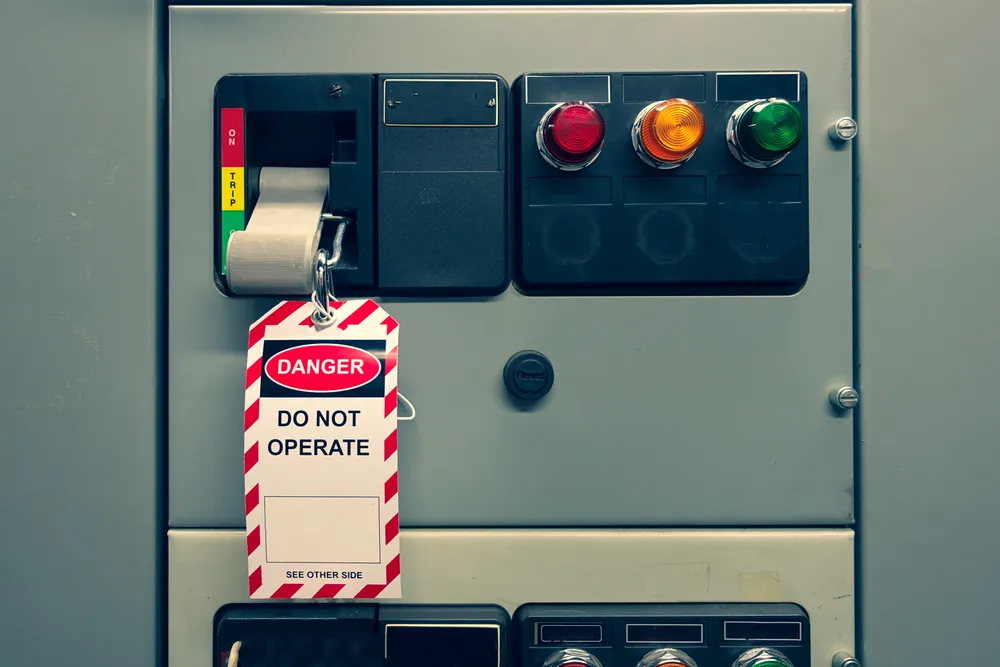
Benefits of Using Lockout Devices
Using LockOut devices provides a safe and effective way to control hazardous energies, which is why Fortune 500 companies rely on them. They are also suitable for robot systems due to their compliance with regulations.
Safe and effective way to control hazardous energies
Lockout devices for automated systems provide a safe and effective way to control hazardous energy.
By using lockout devices, such as padlocks and valve lockouts, you can prevent accidental or inadvertent operation of machinery and equipment.
This ensures the safety of both workers and equipment by isolating energy sources with locks, making it impossible for anyone to operate the equipment without proper authorisation.
Lockout tagout procedures also involve the use of electrical and cable lockouts, padlocks, hasps, and safety tags to further enhance safety measures. Compliance with lockout tagout regulations is crucial in preventing accidents and injuries in automated systems.
Trusted by Fortune 500 companies
Fortune 500 companies trust lockout devices for their automated systems because they provide a safe and effective way to control hazardous energies. These devices are designed to comply with regulations, ensuring the highest level of safety in the workplace.
Whether it’s circuit breaker lockouts, plug valve lockouts, gate valve lockouts, cable lockouts, or electrical equipment lockouts, these trusted devices can be used for a wide range of applications.
So if top companies rely on them, you can have peace of mind knowing that they will keep your home and loved ones safe as well.
Can be used for robot systems
Lockout devices are not just limited to traditional machinery and equipment; they can also be used for robot systems. These devices play a crucial role in ensuring the development and maintenance of safe robot cells, protecting both people and equipment.
By effectively locking and isolating energy sources, lockout devices prevent accidental or inadvertent operation of robots, reducing the risk of injuries or damage. When it comes to home automation or any other automated systems involving robots, incorporating lockout devices is essential for maintaining a safe working environment.
In addition to their use in traditional machinery, lockout devices are trusted by Fortune 500 companies for securing robot systems. They provide a reliable means of controlling hazardous energies associated with robotic operations.
Whether you have an automatic welding helmet or a rescue system at home that involves robotics, implementing lockout procedures using these safety devices is vital to ensure optimal protection.
How to Properly Use Lockout Devices
To properly use lockout devices, begin by preparing for lockout and following a sequence of procedures. Use tags and signs correctly, and remember the importance of training and expertise in utilising these safety devices.
Preparing for lockout
Before beginning any lockout procedure, it is crucial to properly prepare for the task at hand. This involves gathering all necessary lockout devices and equipment, such as padlocks, hasps, and tags.
It is important to ensure that these devices are in good working condition and readily accessible. Additionally, familiarise yourself with the specific lockout tagout procedures for your equipment or machinery.
This includes identifying all energy sources that need to be isolated and understanding how to effectively use the lockout devices to secure them. By taking the time to properly prepare for a lockout, you can help ensure a safe work environment for yourself and others.
Following a sequence of procedures
We must always follow a specific sequence of procedures when using lockout devices for automated systems. This ensures that we effectively isolate and control hazardous energy sources.
First, we need to prepare for lockout by identifying the equipment and energy sources involved. Then, we can use the appropriate lockout devices, such as electrical or valve lockouts, padlocks, and safety tags, to secure the equipment.
It is crucial to properly attach the devices and make sure they are in working order. Additionally, we should clearly communicate the purpose of the lockout by using signs or tags that indicate why the equipment is out of service.
Proper use of tags and signs
We understand the importance of properly using tags and signs when it comes to lockout devices for automated systems. Tags and signs play a crucial role in communication and ensuring everyone’s safety.
By affixing clear and easily understandable tags or labels to machines or equipment, we can effectively communicate information about the work being done and why it is important to follow proper procedures.
These tags serve as visual reminders that equipment is locked out, providing an extra layer of protection. Additionally, using signs in conjunction with tags helps create awareness in the workplace, reminding everyone involved about the potential dangers associated with operating locked-out equipment.
Importance of training and expertise
Proper training and expertise are crucial when it comes to using lockout devices for automated systems. It ensures that you understand the procedures and protocols involved in safely locking out energy sources.
With the right knowledge, you can effectively identify and isolate potential hazards, reducing the risk of accidents or injuries. Ongoing training also keeps you up-to-date with any changes or advancements in lockout tagout procedures, ensuring that you have the skills necessary to maintain a safe workplace environment.
So remember, investing in training and gaining expertise is essential for maximising the effectiveness of lockout devices and keeping yourself and others safe.
Discover Lockout Devices for Your System
LockOut Devices for Automated Systems are vital tools for ensuring workplace safety. These devices, such as circuit breaker lockouts and valve lockouts, effectively prevent accidental operation of equipment and machinery.
By choosing the right lockout device and properly using it, workers can control hazardous energies and minimise the risk of accidents. With their proven effectiveness and compliance with safety regulations, LockOut Devices for Automated Systems are a must-have for any workplace.