
Tag Out System · 10 November 2023
Leveraging Tag Out Systems to Prevent Hazardous Energy Incidents

Managing energy hazards in the workplace can sometimes feel like you’re tiptoeing through a minefield, right? We understand the tussle of ensuring everyone’s nick-of-time safety. Ever realised that having your ducks in a row with proper lockout/tagout (LOTO) procedures is said to dodge about 50,000 injuries each year? Our yarn here slices through the complexity and gives you the good oil on how tag-out systems can be your best mate in this critical safety stoush.
So, pull up a pew and get clued up for tips that could be real lifesavers!
Key Takeaways
- Proper lockout/tagout (LOTO) procedures are crucial in preventing about 120 fatalities and approximately 50,000 injuries caused by hazardous energy incidents each year.
- Leveraging tag-out systems, such as CMMS and IIoT technology, simplifies the implementation of LOTO procedures and ensures compliance with safety regulations while enhancing overall workplace safety.
- Implementing effective LOTO programs safeguards employees from potential harm caused by stored energy release and contributes to creating a secure work environment compliant with regulations.
What is Lockout/Tagout (LOTO)?
LOTO stands for Lockout/Tagout, and it’s a safety procedure used to prevent accidents and injuries caused by hazardous energy sources. It involves isolating the energy source and locking or tagging it to ensure that machinery or equipment cannot be energised during maintenance or servicing.

Definition and purpose
Lockout/tagout, or LOTO, is our go-to safety procedure designed to ensure that machines are properly shut off and unable to be started up again during maintenance or repair work. It serves a dual purpose: first, it provides a clear signal that equipment is out of service and not safe for use; secondly, it’s a vital protective measure against the accidental release of hazardous energy that could cause injury or even death.
We rely on these safety lockouts as an essential defence in maintaining workplace safety. By isolating energy sources with locks and tags, we prevent unexpected machine activations.
This practice not only safeguards our colleagues but has been shown to save lives by averting approximately 120 fatalities and 50,000 injuries each year. Our commitment to proper energy isolation through lockout/tagout systems isn’t just about following regulations, it’s about putting people first and ensuring everyone goes home safely after their shift.
Importance in preventing accidents and injuries
Preventing accidents and injuries is crucial in any workplace environment. Implementing proper lockout/tagout procedures can significantly reduce the risk of unexpected equipment startup, which could lead to hazardous energy incidents.
Every year, lockout/tagout prevents around 120 fatalities and about 50,000 work-related injuries. This protection system safeguards workers by controlling and maintaining hazardous energy, ensuring a safe work environment for everyone involved.
Implementing effective lockout/tagout programs is essential for protecting employees from potential harm caused by stored energy release. By following these safety procedures meticulously, businesses can prevent workplace accidents and ensure the well-being of their workforce while also remaining compliant with regulations.
It’s vital to prioritise safety by leveraging tag-out systems to protect against hazardous energy incidents.
The 6 Steps of LOTO Safety Procedures
First, we prepare by identifying energy sources and potential hazards. Then, we shut down the equipment or machinery following specific procedures. After that, we isolate the energy sources by using physical barriers or disconnection devices.
Next, we lock out and tagout the machinery to prevent accidental re-energisation. Following this, we check for stored energy and release it in a controlled manner if necessary. Lastly, we verify that all steps have been completed correctly before starting any maintenance work.
Prepare
Before starting any lockout/tagout (LOTO) procedure, it’s crucial to thoroughly prepare. This involves gathering the necessary equipment and tools, including safety locks and tags.
Additionally, identifying all energy sources and understanding the associated risks is essential in ensuring the safe execution of LOTO procedures. Knowing these facts can prevent about 120 fatalities and around 50,000 injuries each year from hazardous energy incidents.
Therefore, taking the time to adequately prepare for LOTO plays a vital role in safeguarding your workplace against unexpected releases of stored energy.
Shut down
Before proceeding to the next step of isolating hazardous energy sources, it is crucial to ensure that all machinery and equipment are completely shut down. This involves turning off all power sources and stopping any ongoing processes.
Neglecting this step can result in serious accidents or injuries due to unexpected startup during maintenance or repair work.
Effective shutdown procedures play a critical role in preventing workplace incidents caused by the release of stored energy. Home, industrial, and office owners need to understand the significance of properly shutting down equipment before moving on to isolate and lock out tagged-out systems.
Isolate
Isolating energy sources is a critical step in the lockout/tagout (LOTO) process to protect workers from hazardous energy incidents. By physically disconnecting and separating the machinery or equipment from its energy source, we ensure that stored energy cannot be unexpectedly released during maintenance or servicing activities.
Implementing this isolation step effectively prevents workplace accidents and injuries, safeguarding both employees and equipment. According to the Lockout/Tagout Fact Sheet, proper isolation through LOTO procedures saves lives by averting about 120 fatalities and approximately 50,000 injuries each year.
The next crucial aspect after isolation is implementing lockout/tagout measures, ensuring secure control over the isolated energy sources. This two-pronged approach significantly enhances safety protocols within industrial and office environments while mitigating potential risks associated with hazardous energy incidents.
Lockout/tagout
Implementing proper lockout/tagout (LOTO) procedures is crucial for preventing workplace accidents and injuries caused by hazardous energy incidents. LOTO controls and maintains hazardous energy, safeguarding employees from potential harm.
Lockout/Tagout Fact Sheet emphasises the significance of these practices in disabling machinery or equipment to prevent the release of stored energy. By following the six important steps for effective LOTO procedures and leveraging tag-out systems, businesses can ensure worker safety, comply with regulations, and prevent about 120 fatalities and 50,000 injuries annually, ultimately creating a safer work environment for all.
Developing a comprehensive lockout/tagout program is essential for controlling and preventing hazardous energy incidents. Employing advanced technologies such as computerised maintenance management systems (CMMS) simplifies LOTO procedures, making it easier for organisations to comply with safety regulations.
Check stored energy
After locking out or tagging out the energy source, it is crucial to check for stored energy. This step involves verifying that all potentially hazardous energy has been isolated and dissipated before any servicing or maintenance work begins on equipment.
Failure to confirm the absence of stored energy greatly increases the risk of accidental start-up, putting workers’ safety at serious risk. Implementing a systematic approach to checking for stored energy will help prevent incidents and ensure a safer work environment for everyone in the facility.
Ensuring proper verification of stored energy is critical for preventing hazardous incidents and maintaining worker safety during maintenance activities. Neglecting this vital step can have severe consequences, underscoring the need for thorough checks before proceeding with any equipment servicing or repair tasks.
Verify
To complete the lockout/tagout process, it is crucial to verify that all hazardous energy sources have been effectively isolated and controlled. This involves checking that the equipment is safe for maintenance or repair work to proceed without posing any risk to workers.
By verifying that all steps of the LOTO procedures have been correctly carried out, we can ensure a safer working environment and prevent potential accidents and injuries caused by unexpected release of stored energy.
Verifying the success of lockout/tagout procedures is essential in safeguarding employees from workplace hazards. It helps to confirm that all necessary measures have been taken to control hazardous energy, preventing incidents and promoting a culture of safety within our facilities.
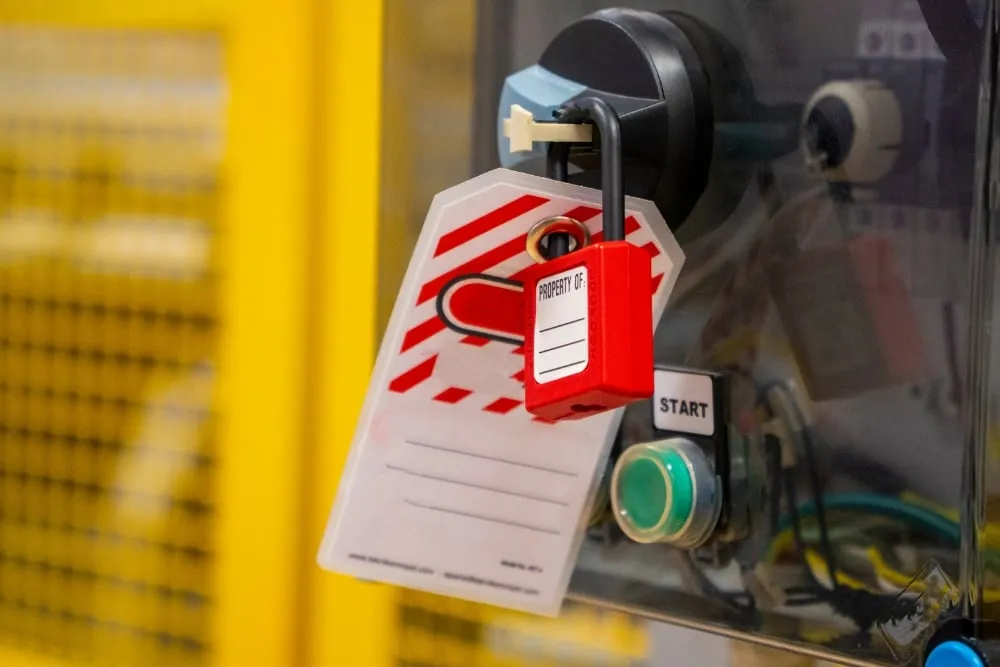
Leveraging Tag Out Systems for Hazardous Energy Prevention
We’ll discuss the importance of proper LOTO procedures and how to utilise a CMMS for simplification. Plus, we’ll explore the benefits of upgrading to IIoT technology for enhanced hazardous energy prevention.
Importance of proper LOTO procedures
Proper LOTO procedures are essential for maintaining a safe work environment. Implementing these procedures prevents about 120 fatalities and approximately 50,000 injuries each year, protecting everyone in the facility and saving lives.
By following the six important steps for effective lockout/tagout procedures, including preparation, shutdown, isolation, locking/tagging out, checking stored energy, and verification, businesses can ensure worker safety and compliance with safety regulations.
Developing a safer and more effective lockout/tagout program is crucial for controlling hazardous energy incidents and creating a secure workplace for employees.
Leveraging tag-out systems allows organisations to prevent hazardous energy incidents by utilising newer technologies such as CMMS or IoT technology. These advancements simplify the implementation of lockout/tagout procedures while making it easier to comply with safety regulations.
Utilising a CMMS for simplification
Maximising the efficiency of lockout/tagout (LOTO) procedures is pivotal for safeguarding against hazardous energy incidents. Using a CMMS streamlines the management and documentation of LOTO processes, ensuring compliance with safety regulations and minimising the risk of accidents.
Integrating a CMMS into maintenance operations simplifies scheduling, tracking, and reporting on equipment isolation procedures, enhancing overall workplace safety.
Employing a CMMS provides real-time visibility into LOTO tasks, allowing for quick identification and resolution of issues that could compromise worker safety. With automated notifications and detailed records, organisations can maintain an up-to-date log of energy control measures, bolstering their ability to prevent hazardous energy incidents effectively.
Upgrading to IIoT technology
After simplifying lockout/tagout procedures using a CMMS, another significant step for industrial and office owners is upgrading to Industrial Internet of Things (IIoT) technology.
This advanced technology integrates physical machinery with digital systems, allowing real-time monitoring and control of equipment remotely. Utilising IoT devices provides the capability to track machine performance, energy consumption, and overall equipment effectiveness.
Implementing IIoT technology offers the potential to enhance safety by identifying and addressing hazardous energy incidents promptly.
Upgrading to IIoT technology not only improves workplace safety but also increases operational efficiency by providing actionable insights into machine operations and energy usage, contributing to cost savings and reducing downtime.
Training and Compliance Requirements for Lockout/Tagout
Ensure that your employees are properly trained in LOTO safety procedures and compliant with regulations to prevent hazardous energy incidents. To learn more about the importance of training and compliance in lockout/tagout, keep reading!
LOTO safety training courses
Participating in LOTO safety training courses is crucial for all employees, ensuring they understand the proper procedures to prevent hazardous energy incidents. These courses provide comprehensive guidance on lockout/tagout protocols, empowering workers with the knowledge and skills needed to safeguard themselves and others in the workplace.
Proper training also ensures compliance with regulations, reducing the risk of violations and promoting a culture of safety awareness among employees.
By enrolling in LOTO safety training courses, home, industrial, and office owners can equip their staff with essential knowledge about machine safety, energy isolation, and verification.
Compliance with regulations
Ensuring compliance with regulations is crucial for maintaining a safe work environment and protecting employees from hazardous energy incidents. Understanding and adhering to the lockout/tagout (LOTO) standards set can significantly reduce workplace fatalities and injuries, contributing to a safer and more productive workspace.
It’s important to note that the Lockout/Tagout Fact Sheet outlines the necessary practices and procedures to disable machinery or equipment effectively, preventing the release of hazardous energy.
By prioritising compliance with these regulations, businesses can create a secure environment while avoiding unexpected startup hazards.
Developing an effective lockout/tagout program that aligns with standards is not only vital for worker safety but also helps in reducing about 120 fatalities and approximately 50,000 injuries each year caused by hazardous energy incidents.
Understanding LOTO as part of an energy control program
Compliance with regulations helps us understand the critical role of Lockout/Tagout (LOTO) as part of an energy control program. LOTO procedures are crucial for preventing workplace accidents and injuries caused by unexpected release of stored energy.
These practices help in controlling hazardous energy and safeguarding employees from harm and incidents.
Additionally, LOTO prevents about 120 fatalities and approximately 50,000 injuries each year, making it one of the topmost violations. Understanding LOTO as part of an energy control program is essential for creating a safe work environment and ensuring compliance with safety regulations.
Learn to Prevent Hazards
In conclusion, implementing and adhering to proper lockout/tagout procedures is essential for creating a safe work environment and preventing hazardous energy incidents. By leveraging tag-out systems and following the 6 steps of LOTO safety procedures, organisations can ensure the safety and compliance of their workers while also preventing accidents and injuries.
The role of LOTO in creating a safe work environment
LOTO plays a crucial role in creating a safe work environment by preventing hazardous energy incidents. Implementing lockout/tagout procedures helps to effectively control and maintain the release of stored energy, protecting workers from potential injuries and accidents.
By following the six important steps for LOTO safety procedures and leveraging tag-out systems, organisations can ensure compliance with safety regulations and contribute to safeguarding their employees’ well-being.
Proper implementation of LOTO not only prevents fatalities but also helps in avoiding unexpected startup, making it an essential component for workplace safety. With Lockout/Tagout preventing about 120 fatalities and 50,000 injuries annually, home, industrial, and office owners must understand its significance in creating a secure work environment.
The transformative power of LOTO procedures
Lockout/Tagout (LOTO) procedures have the transformative power to safeguard workers and prevent hazardous energy incidents in homes, industrial settings, and offices. By following the six essential steps of LOTO safety procedures, including preparation, shutdown, isolation, lockout/tagout, stored energy check, and verification, organisations can ensure worker safety and compliance with regulations.
It’s crucial for home and industrial owners to understand that leveraging tag-out systems is not only about regulatory compliance but also about creating a safe work environment where everyone is protected from potential injuries or fatalities caused by unexpected energy releases.
Implementing proper LOTO procedures plays a pivotal role in preventing about 120 fatalities and approximately 50,000 injuries each year. Moreover, it contributes to avoiding unexpected equipment startup while controlling hazardous energy effectively.