
LockOut Equipment · 24 September 2023
Legal Requirements for LockOut Tag Out
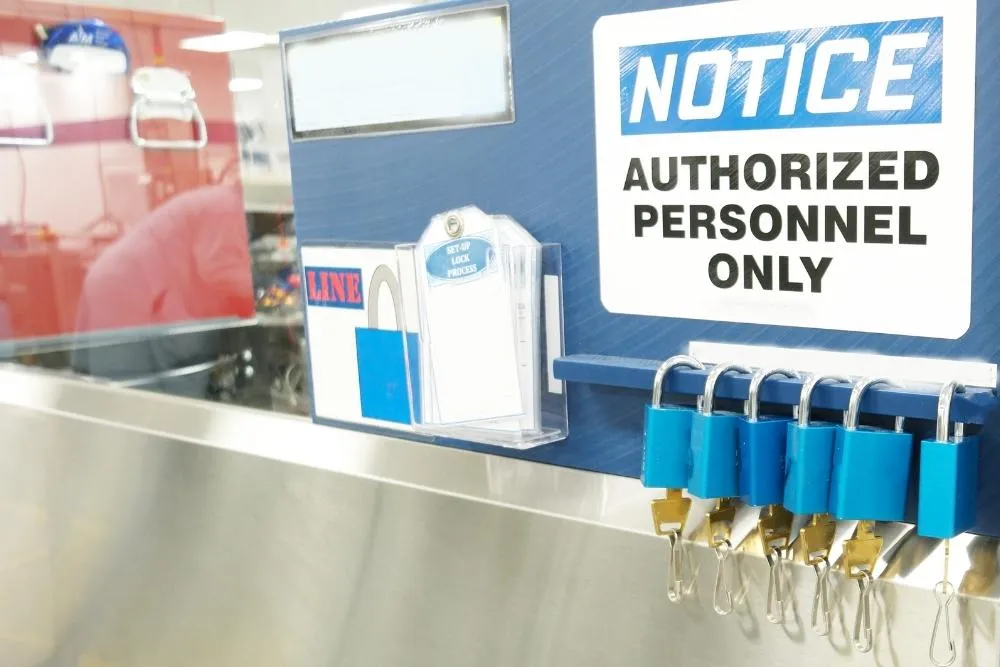
Navigating the tricky terrain of LockOut Tag Out (LOTO) legal requirements can feel like a bit of a ‘sticky wicket’, especially when you consider that non-compliance could turn your home or workplace into a potential danger zone.
We’ve been through this complex puzzle ourselves and reckon about 10% of industrial accidents Down Under are due to not sticking to the LOTO rules properly. This blog post is here to make heads and tails of these Australian standards for LOTO – detailing every crucial step from preparation all the way down to getting equipment back up and running safely.
Key Takeaways
- Compliance with lockout tagout (LOTO) requirements is crucial for homeowners to ensure safety and prevent accidents in their homes.
- The Work Health and Safety Regulation 2017 sets out the guidelines and standards for LOTO procedures in Australia, which must be followed to maintain a safe working environment.
- Proper preparation, shutdown, isolation, lockout/tagout implementation, stored energy checks, isolation verification, and re-energising equipment are important steps to comply with Australian standards for LOTO.
Importance of Lockout Tagout (LOTO)
Lockout Tagout (LOTO) procedures play a key role in maintaining a secure environment by isolating and de-energising machinery during maintenance or repair tasks. It’s primarily designed to prevent sudden machine startups that can pose severe safety hazards.
Increasing workplace safety is at the heart of LOTO, proving its significant value in protecting workers from harm.

In Australia, LOTO falls under legal guidelines detailed by Work Health and Safety regulations. Not only does it make working environments safer, but it also safeguards employers from potential penalties arising due to non-compliance with these standards.
Incorporating the use of durable, standardised lockout tagout devices in the workplace further enhances this strategy’s effectiveness.
Providing adequate information, instruction, training, and supervision for personnel involved in or around areas where LOTO procedures are applied is equally crucial. This proactive approach drastically reduces risk factors related to unintended equipment start-up incidents leading to accidents and injuries.
Australian Standards for LOTO
The Australian Standards for LOTO are crucial for ensuring workplace safety and preventing accidents. These standards outline the compliance requirements, including the Work Health and Safety Regulation 2017, which focuses on isolation, de-energisation, lockout, and tagout procedures.
To comply with these standards, specific steps must be taken, such as preparation, shutdown, isolation, lockout/tagout implementation, stored energy checks, isolation verification, and re-energising equipment.
Failure to meet these legal requirements can have serious consequences for both employers and workers.
Compliance requirements
Compliance with lockout tagout (LOTO) requirements is a crucial responsibility for all homeowners. It is essential to follow the Work Health and Safety regulations in Australia to ensure the safety of your home and prevent accidents.
As per these regulations, you must isolate, de-energise, lock out, and tag out any plant equipment that requires maintenance or repair. This ensures that unexpected start-up of equipment does not occur, reducing the risk of accidents.
Additionally, it is important to use durable and standardised lockout tagout devices provided by your employer or purchased from reliable sources. By complying with these requirements, you can create a safe environment for yourself and your family.
To comply with LOTO standards as a homeowner, make sure you are familiar with proper lockout tagout procedures. This includes shutting down the equipment, isolating energy sources effectively through appropriate controls such as switches or valves, using lockout devices to secure energy isolation points, verifying that stored energy has been released or dissipated before starting any maintenance activities and documenting each step along the way.
Work Health and Safety Regulation 2017
The Work Health and Safety Regulation 2017 is a crucial legal requirement that all homeowners need to be aware of. This regulation sets out the specific guidelines and standards for lockout tagout procedures in Australia.
It outlines the responsibilities of employers and workers when it comes to isolating, de-energising, locking out, and tagging out plant equipment to ensure workplace safety. Compliance with this regulation is essential to avoid penalties and maintain a safe working environment.
By following the requirements of the Work Health and Safety Regulation 2017, homeowners can help prevent accidents and injuries caused by unexpected equipment start-up while performing maintenance or repair procedures on their property.
Isolation, de-energisation, lockout, and tagout procedures
To ensure workplace safety, it is crucial to follow proper isolation, de-energisation, lockout, and tagout procedures. These steps involve isolating the equipment from its energy source, de-energising it to remove any potential hazards, locking it out with a designated lock or tag, and clearly marking it as being out of service.
Following these procedures helps prevent unexpected equipment start-up and reduces the risk of accidents or injuries. It’s important for homeowners to understand these procedures in order to safely maintain or repair their plant equipment and keep themselves and others protected from harm.

Steps to Comply with Australian Standards for LOTO
To comply with Australian Standards for LOTO, you need to follow a series of steps: preparation, shutdown, isolation, lockout/tagout, stored energy check, isolation verification, and re-energising equipment.
Read more to ensure the safety of your workplace.
Preparation
To ensure the safety of your home and prevent accidents, proper preparation is key when it comes to lockout tagout (LOTO). Before you start any maintenance or repair procedures on your equipment, make sure you have a clear plan in place.
This involves identifying all the potential energy sources that need to be isolated and de-energised. Take the time to gather all the necessary lockout tagout devices, such as locks and tags, so you can effectively secure the equipment.
It’s also important to communicate with others in your household about what you’ll be doing and why it’s necessary for their safety. By taking these steps during preparation, you’re setting yourself up for a smooth and safe LOTO process.
Keeping ourselves safe at home should never be taken lightly – especially when it comes to our electrical equipment. So, before diving into any maintenance or repair tasks at home, we need to make sure we’re adequately prepared for lockout tagout (LOTO).
One crucial step is identifying all possible energy sources that need isolation or de-energisation. Once identified, gather reliable lockout devices like locks and tags – they play an essential role in securing our equipment properly.
Shut Down
To comply with Australian standards for Lockout Tagout (LOTO), it is important to properly shut down the equipment before performing any maintenance or repair procedures. Shutting down involves turning off the power supply and ensuring that all energy sources are isolated.
This step is crucial in preventing unexpected start-ups and ensuring the safety of both workers and equipment. During the shutdown process, it is essential to follow specific lockout tagout procedures to effectively de-energise the plant and avoid accidents caused by electrical hazards or stored energy.
Remember, shutting down equipment is a key component of LOTO implementation, helping to minimise risks and maintain a safe work environment.
Isolation
Isolation is a crucial step in the Lockout Tagout (LOTO) procedure to ensure workplace safety. It involves disconnecting and securing energy sources, such as electrical circuits or mechanical systems, before performing maintenance or repairs.
By isolating equipment from its energy source, we minimise the risk of accidental start-up and protect ourselves from potential harm. Isolation should be done using proper lockout tagout devices and procedures according to Australian standards.
Remember that isolation is an essential part of preventing accidents and injuries during plant maintenance or repair work.
Lockout/Tagout
Lockout/Tagout (LOTO) is a legal requirement under the Work Health and Safety regulations in Australia. It is an essential procedure aimed at isolating, de-energising, locking out, and tagging out plant equipment to ensure workplace safety.
Compliance with the Lockout Tagout Australian standards is crucial to avoid penalties and ensure the prevention of unexpected start-up of equipment. Employers are required to provide durable lockout tagout devices that are standardised, substantial, and easily identifiable.
Proper instruction, information, training, and supervision must be provided to all individuals who may be affected by the lockout tagout procedures. Remember, implementing LOTO procedures reduces the risk of accidents and injuries caused by unexpected equipment start-up in your home or workplace.
Stored Energy Check
Before performing any maintenance or repair procedures on equipment, it is crucial to conduct a stored energy check. This step ensures that all sources of energy within the equipment are isolated and de-energised, preventing unexpected start-ups or releases of hazardous energy.
By checking for stored energy, such as electrical charge or pressurised fluids, you can avoid potential accidents and injuries in your home. Remember to follow the lockout tagout procedure and use appropriate safety devices to effectively control and verify the absence of stored energy before starting any work.
Isolation Verification
To ensure the safety of our workspace, it is crucial for us to verify that isolation procedures have been properly implemented before any maintenance or repair work begins. This involves conducting a thorough check to confirm that all energy sources associated with the equipment have been isolated and de-energised.
By verifying the isolation, we can prevent accidental start-ups and protect ourselves from potential injuries. Remember, isolation verification is an essential step in the lockout tagout process to maintain a safe working environment.
Re-Energising Equipment
To re-energise equipment after lockout and tagout procedures, it is important to follow a systematic approach. First, ensure that all personnel have safely exited the work area and removed any locks or tags.
Next, conduct a thorough inspection of the equipment to verify that all energy sources are properly restored. This may involve checking electrical connections, resetting switches or valves, and ensuring that there are no residual stored energies.
Once everything has been checked and cleared, slowly restore power to the equipment while closely monitoring for any unusual sounds or movements. It is crucial to proceed with caution during this step to prevent accidents or unexpected start-ups.
Legal Requirements for LOTO
The legal requirements for lockout tags in Australia are outlined in the Work Health and Safety Regulation 2017. It is the responsibility of employers to ensure compliance with these regulations, including providing training and implementing lockout tag-out procedures.
Workers also have responsibilities to follow these procedures and failure to comply can result in serious consequences.

Work Health and Safety Regulation 2017
The Work Health and Safety Regulation 2017 is a set of legal requirements that must be followed by all workplaces in Australia. These regulations are aimed at ensuring the safety and well-being of workers by establishing guidelines for various aspects of workplace health and safety, including lockout tagout procedures.
Under these regulations, employers have a responsibility to provide appropriate training, equipment, and supervision for lockout tagout procedures. Workers also have responsibilities to follow the established lockout tagout procedures and communicate any concerns or issues related to safety.
It’s important for homeowners to be aware of these regulations when carrying out maintenance or repair work on their properties to ensure the safety of themselves and others.
Employer responsibilities
Employers have a crucial role in ensuring the safety and compliance of lockout tagout procedures in the workplace. They are responsible for providing durable and standardised lockout tagout devices to their employees, as required by the Work Health and Safety regulations.
Additionally, employers must provide proper training, instruction, information, and supervision to all individuals who may be affected by these procedures. This includes educating employees about the importance of lockout tagout in preventing accidents caused by unexpected equipment start-up.
By fulfilling their responsibilities, employers contribute to creating a safe work environment for everyone involved.
Worker Responsibilities
Workers have important responsibilities when it comes to Lockout Tagout (LOTO) procedures. Firstly, they must follow the instructions and procedures provided by their employer regarding LOTO.
This includes properly isolating and de-energising equipment before maintenance or repair work begins. Workers also need to ensure that they use the appropriate lockout tagout devices as specified by their employer.
They should never remove or tamper with these devices without proper authorisation. Furthermore, workers are responsible for verifying that all energy sources have been effectively isolated and that equipment is safe to work on.
Consequence of non-compliance
Non-compliance with Lockout Tagout (LOTO) regulations can have serious consequences. Firstly, it puts the safety of workers at risk by not properly isolating and de-energising equipment before maintenance or repair procedures.
This increases the likelihood of unexpected start-ups, leading to accidents and injuries. Secondly, non-compliance can result in legal penalties and fines for employers who fail to meet their responsibilities under the Work Health and Safety regulations.
Additionally, failure to implement proper lockout tagout procedures can damage equipment and increase downtime for plant maintenance. It is essential for homeowners to understand that compliance with LOTO standards is crucial for ensuring workplace safety and preventing potential hazards.
Enhancing Efficiency in Your Space with Tags
In conclusion, complying with the legal requirements for LockOut Tag Out (LOTO) is crucial in ensuring workplace safety and preventing accidents. Employers have a responsibility to provide proper training and lockout tagout devices, while workers must follow procedures and guidelines.
Non-compliance can result in serious consequences. Stay informed and prioritise LOTO to protect yourself and others from potential hazards.
Stay compliant, stay safe! Discover the legal requirements for LockOut Tag Out with Tag Out System. Don’t let regulatory uncertainties jeopardise your workplace safety – take action now. Contact us for expert insights on the legal obligations and compliance standards associated with LockOut Tag Out. Trust Tag Out System to be your guide in navigating the complex landscape of safety regulations. Don’t wait for penalties or accidents to happen – reach out now and ensure your LockOut Tag Out procedures meet legal standards. Act today for a workplace that prioritises safety and compliance. Contact us now!