
Tag Out System · 29 February 2024
Legal and Regulatory Compliance in Tag Out Procedures
Keeping our workplaces secure during maintenance to prevent those surprise machine wake-ups is a real challenge. We totally get it – we’ve faced the same head-scratchers ourselves.
Sticking to Lockout Tagout (LOTO) rules isn’t just ticking boxes on a compliance checklist; it’s about looking out for each other’s safety. In this yarn, we’re going to show you how keeping your nose clean with legal and regulatory requirements can be your best mate when locking out gear.
So don’t go walkabout – stick around and find out what you need to ace that compliance game while keeping everyone safe as houses!
Key Takeaways
- Lockout/Tagout (LOTO) procedures are not just good practice but mandatory under Australian standards, notably AS/NZS 4836:2011, for safeguarding workers during equipment maintenance.
- Training on LOTO is crucial; without it, employees might face severe risks from energy sources due to non-compliance. Employers must ensure training is comprehensive and ongoing.
- Violating LOTO regulations by removing locks or tags without authorisation can lead to dangerous accidents. Keeping these devices secure is everyone’s responsibility in the workplace.
- It’s essential to keep documentation of LOTO procedures up to date and accessible to all staff involved in machinery operation and maintenance to prevent confusion or errors.
- Investing in quality lockout/tagout devices specific to different types of equipment helps maintain a high standard of safety across various workplace environments.
Understanding Lockout/Tagout Regulations
Understanding the importance of lockout/tagout procedures and complying with Australian standards is crucial for workplace safety. Failure to follow LOTO regulations can lead to serious consequences, so it’s essential to be aware of the requirements and guidelines.
Importance of LOTO procedures
Lockout/Tagout (LOTO) procedures are our first line of defence against the unexpected release of hazardous energy. We count on these safeguards to protect us while performing maintenance or repairs on machinery, ensuring that equipment is properly shut down and cannot be restarted until the work is complete.
By isolating energy sources with locks and tags, we prevent accidents and injuries, making it an indispensable part of workplace safety.
LOTO compliance isn’t just a best practice; it’s a legal requirement under Australian standards such as AS/NZS 4836:2011. As home and office owners, our responsibility extends to keeping everyone safe by adhering to these regulations.
This means investing in quality lockout/tagout devices and putting into practice procedures that meet or exceed the set standards. With lives at stake, cutting corners is not an option, every machine must have its own lockout method tailored to its specific needs so that all potential risks are neutralised.
Let’s turn now to understanding how Australian standards shape LOTO compliance in our workplaces.
Australian standards for LOTO compliance
To ensure workplace safety, it is vital to comply with the Lockout/Tagout Australian standards. The AS/NZS 4836:2011 standard provides guidelines for lockout/tagout procedures in Australia, outlining specific requirements and best practices.
Compliance with these standards is essential to prevent accidents and safeguard employees during machinery maintenance or repair. Employers must adhere to these regulations by using appropriate lockout/tagout devices and developing task-specific procedures in consultation with relevant workers.
Adhering to the Australian standards for LOTO compliance is crucial for protecting employees from potential hazards associated with equipment maintenance or repair. AS/NZS 4836:2011 sets clear guidelines and legal requirements that employers need to follow diligently, ensuring a safe working environment in accordance with Australian regulations.
Common LOTO Violations and Consequences
Some common violations related to lockout/tagout procedures include inadequate training, neglecting energy sources, unauthorised removal of locks/tags, failure to inspect equipment, and incomplete documentation.
These violations can result in serious consequences such as workplace accidents and non-compliance with safety regulations.
Inadequate training
Inadequate training poses a significant risk in lockout/tagout procedures. Properly trained employees understand the importance of energy isolation and the correct use of lockout/tagout devices, reducing the risk of workplace accidents.
Failure to provide comprehensive training can result in violations and non-compliance with UK standards for LOTO procedures, leading to severe consequences for employers and employees alike.
Employers must ensure that all workers involved in machinery maintenance or repair receive thorough training on lockout/tagout regulations, including how to identify energy sources and apply appropriate lockout devices.
Neglecting energy sources
Neglecting energy sources during lockout/tagout procedures can lead to serious workplace accidents and injuries. Ensuring that all energy sources are properly identified, isolated, and controlled is crucial for the safety of employees working on machinery maintenance or repair.
Compliance with British standards for lockout/tagout regulations, such as BS EN 61439-1:2016, is essential to prevent the neglect of energy sources and maintain a safe work environment.
As part of our legal responsibilities as employers, it is imperative to strictly adhere to lockout/tagout procedures by addressing all energy sources effectively. This includes taking into account UK legislation-specific requirements for lockout/tagout compliance and ensuring that adherence to PUWER regulations is maintained at all times.
Unauthorised removal of locks/tags
Unauthorised removal of locks/tags compromises workplace safety and violates regulatory compliance. This action can result in an unexpected release of hazardous energy, leading to severe injuries or fatalities.
It is crucial for employers and workers to understand the legal requirements for lockout/tagout procedures, including the consequences of unauthorised removal of locks/tags. Employers must enforce strict policies against tampering with lockout devices and tags to protect employees from potential risks associated with machinery maintenance or repair.
Organisations should regularly educate their workforce about the importance of respecting and maintaining lockout/tagout devices as part of their workplace safety culture. Any unauthorised interference with these safety measures poses a significant threat to employee well-being, equipment integrity, and overall operational efficiency.
Failure to inspect the equipment
Failure to inspect equipment can result in serious workplace safety hazards. Regular inspection of lockout/tagout devices and machinery is crucial to identify any potential issues or malfunctions that could compromise the effectiveness of the safety procedures.
Employers must ensure that equipment lists are regularly updated, and inspections are conducted according to task-specific procedures outlined in workplace regulations. Neglecting these inspections can lead to an increased risk of accidents during maintenance or repair work on machinery.
Employers should also be aware that lockout/tagout compliance requires adherence to specific rules and legal requirements regarding the use of lockout/tagout devices for electrical equipment safety.
Failure to maintain these devices and comply with regulations can lead to severe consequences, including penalties under UK standards for lockout/tagout compliance. It is vital for employers to proactively address any shortcomings related to inspecting equipment as part of their ongoing commitment to workplace safety.
Incomplete documentation
When documenting lockout/tagout procedures, it is imperative to ensure that all necessary information is accurately recorded and readily available. Incomplete documentation can lead to confusion and errors during maintenance or repairs, potentially putting employees at risk.
It is essential for employers to maintain comprehensive equipment lists, task-specific procedures, and workplace regulations to comply with lockout/tagout legal requirements. Updating documentation regularly is equally crucial as it ensures that the information remains relevant and reflective of any changes in machinery or procedures.
Maintaining complete and up-to-date documentation allows for effective communication of safety protocols among employees, promoting a safer work environment. By implementing thorough record-keeping practices, employers can uphold compliance with lockout/tagout regulations while prioritising the well-being of their workers.
Best Practices for LOTO Compliance
To ensure compliance with lockout/tagout regulations, it is essential for companies to establish a company-wide awareness and training program. Standardised lockout/tagout processes, as well as creating and maintaining equipment lists and procedures, are also crucial for adherence to workplace regulations.
Company-wide awareness and training
To ensure workplace safety, it’s crucial for everyone to be aware of and trained in lockout/tagout procedures. Here are the key steps to implement company-wide awareness and training:

- Conduct regular training sessions on lockout/tagout regulations and best practices for all employees, including office owners and homeowners.
- Provide specific training tailored to different equipment types and lockout/tagout tasks for diverse work environments.
- Ensure that all employees understand the legal requirements and penalties associated with non – compliance with lockout/tagout regulations.
- Implement clear communication channels to inform all workers about updates or changes in lockout/tagout procedures and standards.
- Encourage open discussions and feedback from employees regarding their understanding of lockout/tagout procedures to continuously improve compliance levels.
Standardised LOTO process
To ensure workplace safety and compliance with regulations, we implement a standardised Lockout/Tagout (LOTO) process that includes the following key elements:
- Creation of clear and comprehensive equipment lists to identify all machinery and energy sources requiring LOTO procedures. This ensures that no equipment is overlooked during maintenance or repair activities.
- Development and documentation of task-specific procedures for each piece of equipment, clearly outlining the steps for isolating energy sources and implementing LOTO devices. This minimises the risk of errors or oversights during maintenance tasks.
- Implementation of workplace regulations regarding LOTO procedures, including training employees on proper LOTO protocols, authorising personnel to perform LOTO tasks, and conducting regular inspections to ensure compliance with established procedures.
- Regular review and update of the standardised LOTO process to incorporate any changes in equipment or regulations, ensuring continuous improvement in workplace safety practices.
Creating and maintaining equipment lists and procedures
We understand the importance of having standardised Lockout/Tagout (LOTO) processes in place for workplace safety. Creating and maintaining detailed equipment lists and procedures is essential to ensure effective LOTO compliance.
- Develop a comprehensive list of all equipment that requires lockout/tagout procedures, including machinery, electrical systems, and other energy sources.
- Create task-specific lockout/tagout procedures tailored to each piece of equipment, outlining the steps for isolating energy sources and ensuring safe maintenance or repair.
- Regularly review and update equipment lists and procedures to reflect any changes or new additions in the workplace, ensuring that all LOTO requirements are up-to-date.
- Provide clear instructions and visual aids on how to implement lockout/tagout procedures for different types of equipment to ensure consistent application across the workplace.
- Train employees on how to access, use, and update equipment lists and procedures for lockout/tagout compliance as part of their ongoing safety training.
- Conduct regular audits to verify that all equipment lists and procedures are being followed correctly, making necessary adjustments as needed.
Workplace regulations
Employers must establish and maintain workplace regulations to ensure compliance with lockout/tagout procedures. These regulations outline the specific rules and legal requirements for using lockout/tagout devices, as well as the necessary steps to isolate energy sources during maintenance or repair activities.
Creating and enforcing workplace regulations is crucial in providing a safe working environment for employees, aligning with Australian standards and guidelines such as AS/NZS 4836:2011.
By adhering to these regulations, employers demonstrate their commitment to industrial safety and risk management while protecting workers from potential hazards associated with machinery maintenance.
To uphold workplace safety, employers should implement clear policies that comply with local legislation, including Queensland’s specific requirements for lockout/tagout procedures.

Quality Lockout Products for Enhanced Safety
Investing in quality LOTO devices can significantly enhance workplace safety, click here to learn more about the different types of lockout products available.
Importance of LOTO devices
Lockout/tagout (LOTO) devices are essential for workplace safety, especially when performing maintenance or repair on machinery. Using the appropriate LOTO devices to physically isolate energy sources helps prevent unexpected start-ups and ensures that employees are protected from hazardous energy during servicing tasks.
It is crucial for employers to comply with lockout/tagout British standards and legal requirements, such as those outlined in BS EN 50272-3:2017, to uphold workplace safety and prevent accidents related to equipment maintenance.
Implementing LOTO devices according to regulations not only prioritises employee well-being but also minimises the risk of violations and penalties associated with non-compliance. Proper utilisation of lockout/tagout devices demonstrates a commitment to employee safety and underscores the importance of creating a secure work environment.
Types of LOTO devices
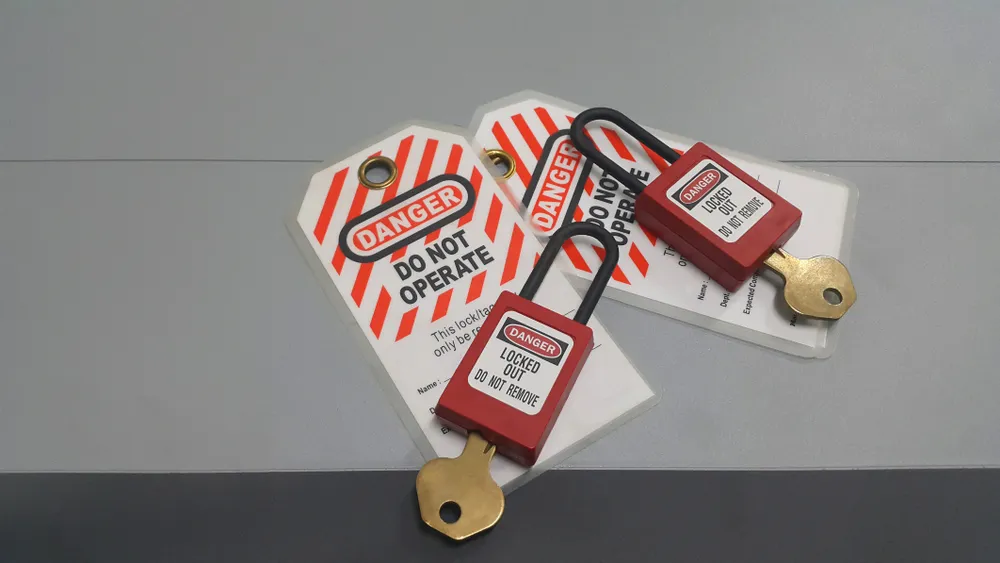
- Padlocks: These are the most commonly used LOTO devices, featuring durable construction and key-controlled access for authorised personnel.
- Lockout hasps: These devices allow multiple padlocks to secure a single energy isolation point, ensuring enhanced safety during maintenance or repair.
- Valve lockouts: Specifically designed for isolating energy sources on valves, these devices prevent accidental or unauthorised operation.
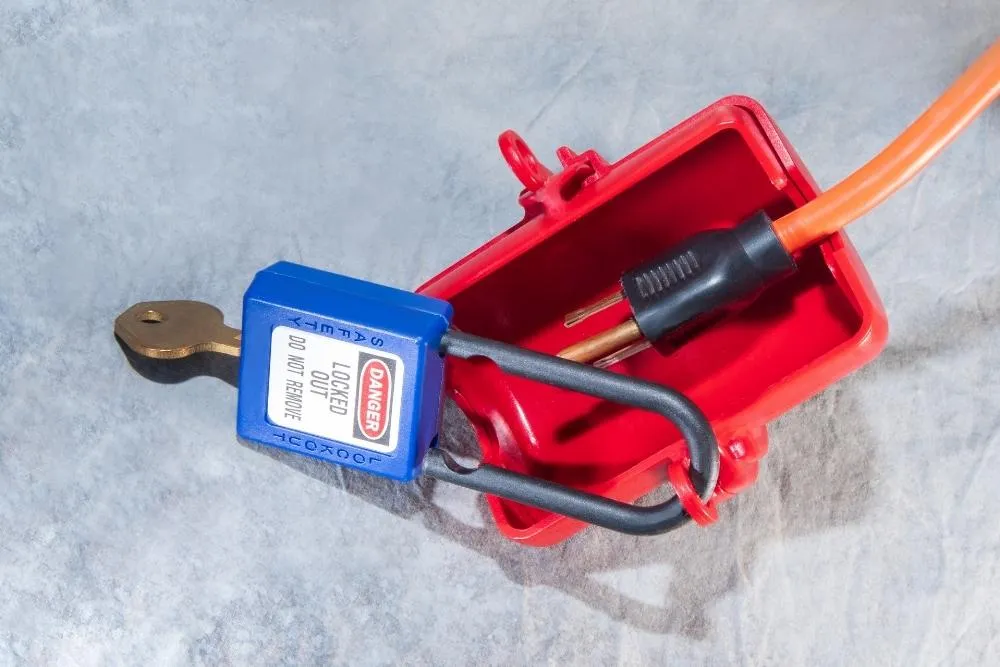
- Electrical lockout devices: These include circuit breaker lockouts, plug and switch lockouts, and electrical panel lockouts to prevent exposure to hazardous electrical energies.
- Tagout devices: While not providing physical restraint, tagout devices serve as visual warnings with information about the energy-isolating device’s status.
Enhance Safety in Your Space with Our Tagout System!
In conclusion, legal and regulatory compliance in tag-out procedures is crucial for workplace safety. Employers must prioritise employee safety during machinery maintenance or repair.
This includes creating and maintaining equipment lists, task-specific procedures and workplace regulations to ensure lockout/tagout compliance. It’s vital to use appropriate lockout/tagout devices to physically isolate energy sources for machinery maintenance or repair.
Compliance with lockout/tagout regulations is essential for ensuring a safe working environment.
Stay ahead of legal and regulatory requirements with the Tag Out System. Our expertise ensures your tag-out procedures align seamlessly with industry standards and regulations. Don’t compromise on compliance – partner with us for reliable legal guidance and peace of mind in your tag-out procedures. Contact Us Today!