
LockOut Equipment · 16 October 2023
Key Features to Look for in LockOut Equipment
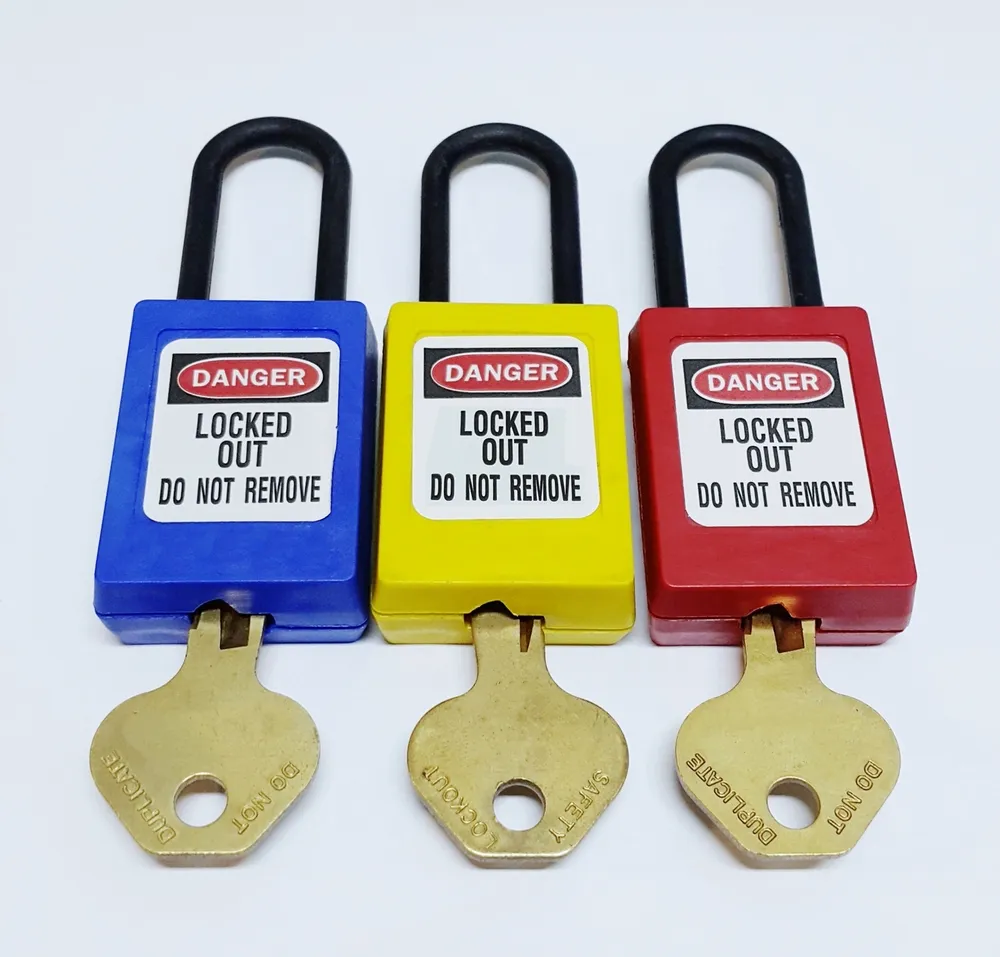
Ever had a bit of a sticky wicket with hazardous energy while mucking around with heavy machinery at home? You’re in good company; we’ve been up that same creek without a paddle, mate.
Suddenly realising how vital lockout equipment is to stop us from copping any damage from unexpected energisation, we rolled up our sleeves and took a deep dive into safety guidelines and rules for those non-negotiable features these life-saving gadgets should have.
This yarn on our blog aims to dish up all the nitty-gritty you need to suss out top-notch, reliable lockout gear. Keen as mustard? Keep your peepers peeled..your well-being could hinge on it!
Key Takeaways
- Lockout equipment should have strength and durability to withstand regular use and harsh environmental conditions.
- Unique tags are crucial for clear identification and communication during lockout procedures.
- Secure locks are essential to prevent unauthorised access and accidental re – re-energisation of machinery or equipment.
- Compliance with safety standards ensures the effectiveness of lockout equipment.
Key Features to Look for in Lockout Equipment
When considering lockout equipment, it’s important to prioritise strength, durability, unique tags, secure locks, and compliance with safety standards.
Strength and durability
Quality lockout equipment boasts strength and durability to resist the rigours of regular use.
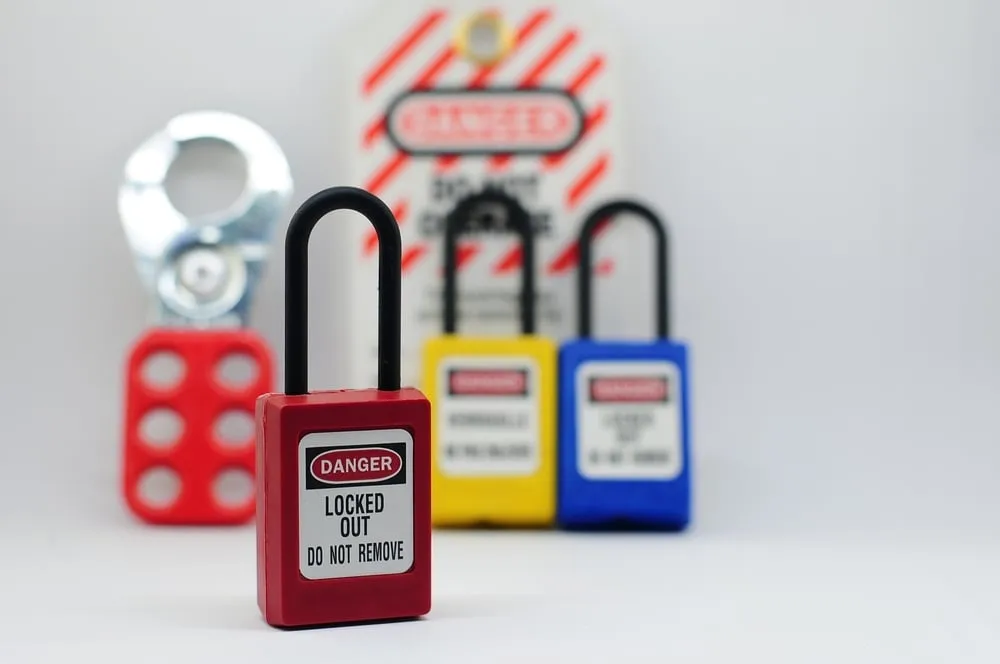
We’re talking about sturdy lockout padlocks, capable of withstanding attempts at tampering, as well as weather-resistant lockout tags that can handle harsh environmental conditions.
These devices can endure physical stress without compromising their functionality or visibility. By opting for robust, durable tools, you ensure not only long-term use but also safety in preventing unintentional energy release from machinery or equipment during service and repair tasks.
This is why we place such high importance on these features when considering our choice of lockout equipment – they keep us safe while adding value through longevity.
Unique tags
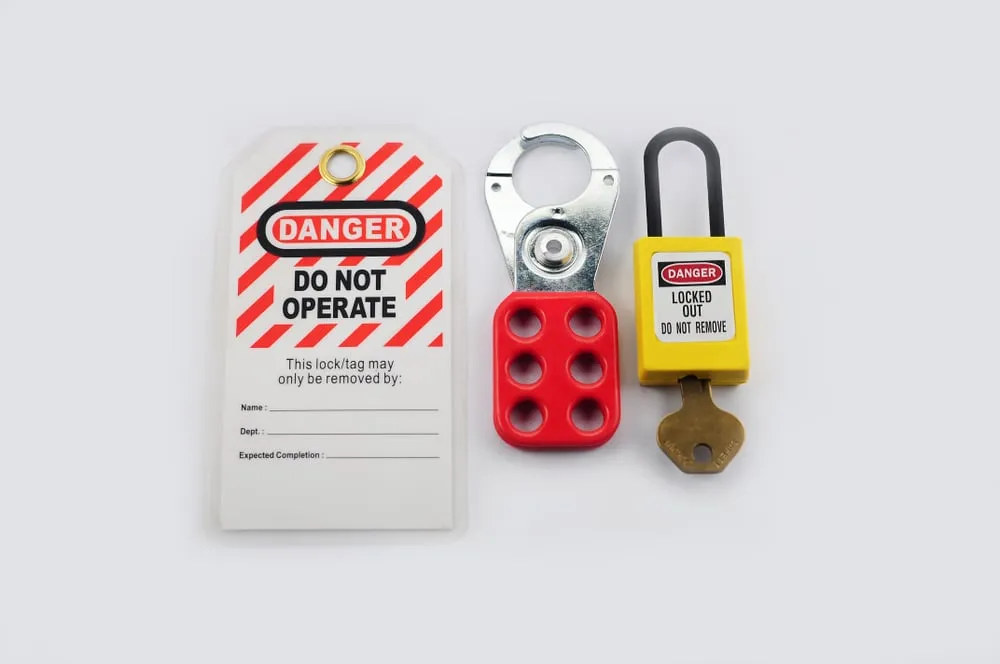
When choosing lockout equipment, it’s important to look for unique tags. These tags play a crucial role in communicating important information about the lockout process. They should be highly visible and easy to read, providing space to include details such as the name of the authorised employee, the reason for the lockout, and the expected completion time.
Unique tags help ensure that everyone knows who is responsible for the lockout and why it is in place. By using these distinctive tags, you can enhance safety measures by making sure that there is no confusion or mix-up when it comes to identifying equipment under lockout.
In addition to being informative, unique tags also serve as a reminder and warning for others not to activate or tamper with locked-out equipment. This added level of visibility helps prevent accidents and ensures that everyone respects the importance of proper lockout procedures.
So, when looking for lockout equipment, make sure you prioritise unique tags that provide clear identification and communication during critical maintenance work or repairs.
Secure locks
Our lockout equipment should include secure locks to ensure maximum safety and prevent unauthorised access. When choosing lockout padlocks, look for ones that are sturdy, resistant to tampering, and have a unique key or combination.
Additionally, opt for locks with shackle dimensions that fit your equipment properly and withstand extreme weather conditions. Remember to consider the durability of the locking mechanisms as well.
These secure locks play a crucial role in protecting you and your family by preventing accidental re-energisation of machinery or equipment while they are being repaired or serviced.
Compliance with safety standards
Compliance with safety standards is crucial when choosing lockout equipment for your home. It ensures that the equipment meets the necessary requirements to protect you and your loved ones from potential hazards.
When selecting lockout devices, make sure they are designed to meet industry regulations and guidelines. This will give you peace of mind knowing that your lockout equipment is up to standard and will effectively safeguard against hazardous energy releases.
Your safety should always be a top priority, so remember to prioritise compliance with safety standards when purchasing lockout equipment for your home.
Importance of Proper Lockout Procedures
Proper lockout procedures are of utmost importance when it comes to ensuring the safety of your home and family. Lockout procedures involve de-energising and securing equipment or machinery, preventing the release of hazardous energy.
By following these procedures, you can effectively protect yourself from potential accidents and injuries.
Lockout procedures help eliminate the risk of unexpected energisation or startup of equipment, which can cause serious harm. By properly isolating and disabling machinery before maintenance or repair work, you minimise the chances of accidental activation that could lead to life-threatening incidents.
It is crucial to understand the significance of lockout/tagout requirements and educate yourself on how to implement proper lockout procedures. This includes using reliable lockout devices like hasps, tags, and padlocks.
These devices should be durable, highly visible, tamper-resistant, and easy to use. Additionally, regularly inspecting and maintaining your lockout equipment is essential for its effectiveness.
Remember that compliance with relevant regulations and standards plays a vital role in choosing the right lockout equipment for your home’s safety needs. So make sure you prioritise selecting equipment that meets lockout/tagout requirements.
By practising proper lockout procedures with reliable equipment in place, you can create a secure environment at home where potential hazards are effectively controlled.
Top 6 Essential Lockout Equipment for Workplace Safety
In Australian English, the sentence would be:
Top 6 Essential Lockout Equipment for Workplace Safety includes lockout devices, safety padlocks, tagout equipment, eyewash stations, absorbent supplies and workplace signs.
Lockout devices
Lockout devices are essential components of lockout equipment used to disable machinery and equipment, preventing the release of hazardous energy. These devices play a crucial role in ensuring workplace safety by securely isolating energy sources during servicing or repair.
Some key features to look for in lockout devices include durability, compatibility with different types of machinery, ease of use, and visibility. Lockout tags should be highly visible and easy to read, while lockout padlocks should be sturdy and resistant to tampering.
It is important to regularly inspect and maintain these devices to ensure their effectiveness. Compliance with relevant regulations is also crucial when choosing lockout devices for your home or workplace.
Safety padlocks
Safety padlocks are an important component of lockout equipment. These sturdy locks are designed to prevent unauthorised access and ensure the safety of workers during maintenance or repair activities.
They should have a durable construction that can withstand tough conditions, along with a unique key or combination for added security. Safety padlocks should also be weather-resistant, allowing them to be used in outdoor environments without compromising their effectiveness.
By incorporating safety padlocks into your lockout program, you can effectively control hazardous energy sources and protect both your employees and your property from potential accidents or injuries.
Tagout equipment
Tagout equipment is an essential component of lockout procedures. It involves using tags to clearly indicate that a piece of machinery or equipment is locked out and should not be operated.
The tags should be highly visible and easy to read, providing information about the authorised employee, the reason for the lockout, and the expected completion time. By using tagout equipment as part of your safety program, you can help ensure that everyone in your home understands which equipment is off-limits and avoid any potential accidents or injuries.
Eyewash stations
Eyewash stations are an essential component of workplace safety, even for homeowners. These stations provide immediate relief in case of eye injuries caused by chemicals or foreign objects.
They typically consist of a basin and a flushing mechanism that allows water to flow into the eyes, effectively washing away any harmful substances. Eyewash stations should be easily accessible, clearly marked with signage, and regularly inspected to ensure they are in working order.
It is crucial to know the location of these stations and how to use them properly in case of an emergency. In addition to providing immediate aid for eye injuries, eyewash stations also play a vital role in compliance with workplace safety regulations.
Absorbent supplies
Absorbent supplies are an essential part of workplace safety, especially when it comes to dealing with spills and leaks. These supplies, such as absorbent pads or mats, can quickly and effectively soak up liquids to prevent them from spreading and causing accidents.
They play a crucial role in maintaining a clean and safe working environment by reducing the risk of slips, falls, or other hazards caused by slippery surfaces. Absorbent supplies should be readily available in areas where spills are likely to occur, ensuring that any potentially dangerous substances are contained and cleaned up promptly.
Regularly restocking these supplies is important to ensure their effectiveness in emergency situations.
Workplace signs
Workplace signs play a crucial role in communicating important safety information to employees and visitors. They are visual reminders that help promote awareness and ensure everyone understands the potential hazards and necessary precautions.
Workplace signs should be clear, concise, and easy to understand, with bold lettering and recognisable symbols. By incorporating workplace signs into your safety program, you can enhance overall safety awareness and create a safer work environment for everyone involved.
Tips for Choosing the Right Lockout Equipment
Consider the type of energy source, evaluate the equipment’s compatibility, check for keying options, and research lockout tagout software options.
Consider the type of energy source
When choosing lockout equipment, it is important to consider the type of energy source that needs to be isolated.
Different types of machinery and equipment can have different energy sources, such as electrical, hydraulic, pneumatic, or mechanical.
Understanding the specific energy source will help you select the appropriate lockout devices and tools for effective isolation. For example, if you are dealing with electrical energy sources, you may need insulated padlocks or devices designed specifically to prevent electrical currents from flowing.
Similarly, if you are working with hydraulic systems, you may require lockout valves or hose covers to prevent the release of hydraulic pressure. Taking into account the type of energy source ensures that your chosen lockout equipment is compatible and suitable for effectively isolating hazardous energy in your home.
Evaluate the equipment’s compatibility
When choosing lockout equipment, it is important to evaluate its compatibility with the machinery or equipment you need to secure. Different machines may have different energy sources and isolation mechanisms, so you want to make sure that the lockout devices can effectively disable these energy sources and prevent re-energisation.
Consider factors such as the type of equipment, specific energy isolation requirements, and any unique features or dimensions that may affect the fit of the lockout device. By evaluating compatibility, you can ensure that your chosen lockout equipment will work effectively and provide adequate protection against hazardous energy.
Check for keying options
When choosing lockout equipment, it is important to check for keying options. This means considering whether the equipment uses unique keys or combinations that are not easily replicated or tampered with.
Unique keying options help ensure that only authorised personnel can access the locked-out machinery or equipment. By checking for keying options, you can enhance the security and effectiveness of your lockout procedures, keeping your home and family safe from potential hazards.
So, make sure to look for lockout equipment that offers reliable and secure keying options.
Research lockout tagout software options
When researching lockout tagout software options, it is important to consider the specific needs of your home. Look for software that allows you to create and manage lockout procedures, track equipment maintenance schedules, and generate reports on compliance.
Additionally, seek software solutions that are user-friendly and compatible with your existing systems. By investing in reliable lockout tagout software, you can enhance safety measures in your home and ensure adherence to regulations.
Incorporating Lockout Equipment into Your Safety Program
To incorporate lockout equipment into your safety program, train employees on proper lockout procedures, perform regular audits, and establish a system for reporting and tracking lockout incidents.
Train employees on proper lockout procedures
We believe that it is crucial to train our employees on proper lockout procedures. By providing comprehensive training, we ensure that everyone understands how to effectively use the lockout equipment and follow the safety protocols.
This includes teaching them about the purpose of lockout/tagout, when and why it should be implemented, how to identify energy sources, and how to properly apply and remove locks. Training also emphasises the importance of communication and teamwork in ensuring a safe working environment.
Our goal is for every employee to have a thorough understanding of lockout procedures so they can confidently protect themselves from potential hazards while performing maintenance or repairs on machinery or equipment.
Perform regular audits
We believe it is crucial to perform regular audits of your lockout equipment. These audits help ensure that all devices are in proper working condition and meet safety standards. By conducting regular inspections, you can identify any damaged or worn-out equipment and promptly replace them to maintain the effectiveness of your lockout procedures.
Additionally, audits provide an opportunity to train employees on proper lockout/tagout procedures and reinforce their understanding of the importance of using the equipment correctly.
Regular audits also demonstrate your commitment to workplace safety and compliance with regulations.
Establish a system for reporting and tracking lockout incidents
To ensure the effectiveness of your lockout equipment and improve workplace safety, it is crucial to establish a system for reporting and tracking lockout incidents. This allows you to monitor the frequency and types of incidents that occur, helping you identify trends and areas where improvements can be made.
By implementing a clear reporting process, employees can easily document any lockout-related incidents they witness or experience. This information can then be used to inform training programs, evaluate the effectiveness of your lockout procedures, and make necessary adjustments to prevent future accidents or hazards.
Regularly reviewing these incident reports will help you stay proactive in maintaining a safe work environment for everyone involved.
Learn What to Look for in a Lockout Equipment
In conclusion, when choosing lockout equipment, it is important to consider key features such as durability, compatibility, visibility, and ease of use. Look for lockout devices that are sturdy and resistant to tampering, with visible tags that include essential information.
Additionally, prioritise compliance with safety regulations and regularly inspect and maintain the equipment for optimal effectiveness.