
LockOut Equipment · 1 February 2024
Key Elements of Effective Lockout Equipment

Ever found yourself in a bit of a sticky situation, trying to keep your home shipshape without any mishaps? Yeah, we completely get it – particularly when you wrap your head around the fact that lockout devices are vital for safety when you’re doing repairs.
No dramas though, because our blog’s here to take you through the nitty-gritty of securing your equipment with each careful step. So go on and breathe easy – we’ve got your back!
Key Takeaways
- Servicing and maintenance of equipment are different, with servicing being routine checks and maintenance dealing with repairs. Both need proper lockout/tagout to keep things safe.
- You have to know your energy sources inside out – whether they’re electrical or thermal, for example – and make sure everyone’s clued up on the specific lockout procedures.
- Choosing the right type of lock for each job is crucial. They’ve got to be tough as nails so that machinery stays put when it’s supposed to.
- Training isn’t just a one-off thing; we need regular brush-ups on safety rules and how-tos, especially when new gear or methods come into play.
- Keeping all your safety equipment in tip-top shape with yearly inspections means you can trust it to do its job when it counts.
Understanding Lockout/Tagout Procedures
When it comes to lockout/tagout procedures, it’s important to understand the difference between servicing and maintenance activities. Identifying energy sources and equipment-specific procedures are crucial, as well as proper usage and selection of locks.
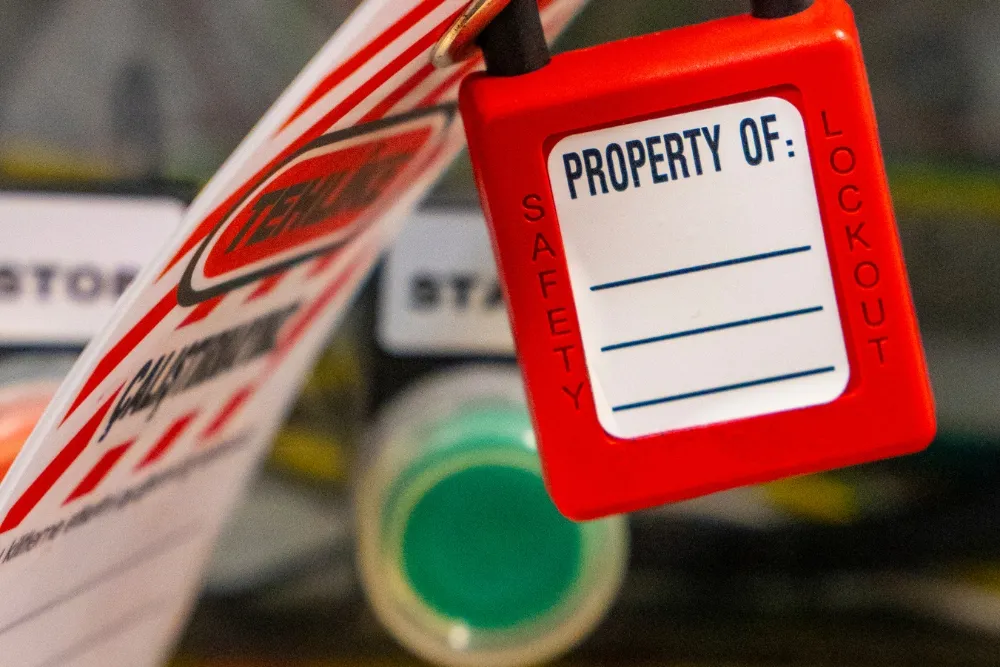
Difference between servicing and maintenance activities
Servicing and maintenance might sound like they’re the same thing, but there’s a key difference between them that we need to get our heads around. Servicing is all about regular checkups for equipment to ensure everything’s working as it should.
Think of it like giving your car a service where they change the oil, replace filters, or make sure the brakes are functioning properly. It’s a routine process aimed at keeping machines running smoothly and preventing any hiccups before they happen.
On the other hand, maintenance steps in when something’s already gone awry or is worn out. It involves fixing or replacing parts that have broken down to get your machine back in action.
Maintenance activities could range from tightening loose bolts on machinery to swapping out a malfunctioning part for a new one. Keeping up with both servicing and maintenance is crucial; these practices help dodge bigger issues down the line and are essential elements of an effective lockout/tagout program, ensuring our safety isn’t compromised while handling machinery.
Identifying energy sources and equipment-specific procedures
We must identify the different energy sources and specific procedures for each piece of equipment. This is crucial in ensuring the effective implementation of lockout/tagout programs. Here are some essential points to consider:
- Identify all potential energy sources such as electrical, mechanical, hydraulic, pneumatic, thermal, and chemical energy within your equipment.
- Develop machine-specific lockout/tagout procedures for each type of machinery present in your workplace.
- Document and communicate these procedures to all employees involved in the maintenance and servicing of equipment.
- Ensure that all lockout/tagout procedures are regularly reviewed and updated to reflect any changes in equipment or processes.
- Conduct thorough training sessions to educate employees on the identification of energy sources and the proper execution of specific lockout/tagout procedures.
- Regularly review and assess the effectiveness of these procedures to maintain a safe working environment for everyone involved.
Proper usage and selection of locks
When using lockout equipment, it is crucial to select the right type of locks for different energy isolation points. Locks should be durable and fit properly on the isolation devices to effectively prevent machinery from being operated during servicing or maintenance.
It’s important to ensure that the locks are standardised across all equipment and are compatible with the specific energy sources they will be used to isolate.
Proper usage of locks involves employing them whenever machinery or equipment needs servicing or maintenance. Locks must be labelled with clear identification regarding what they are isolating and who has placed them there.
Verification and training requirements
- Developing a thorough training programme to educate all employees about lockout/tagout procedures and the importance of compliance with safety regulations.
- Conducting regular verification of employee understanding and competency in executing lockout/tagout procedures to maintain a high level of safety awareness.
- Identifying specific energy sources and types of hazardous energy present in machinery to tailor training programmes for different equipment.
- Implementing ongoing training sessions to keep employees updated with industry standards, technologies, and best practices related to lockout/tagout procedures.
- Providing clear instructions on how to verify the effectiveness of lockout devices and ensuring that all employees understand the process.
Identifying Energy-Isolating Devices
Proper identification of energy-isolating devices is crucial for the safety of all employees, and understanding the types and functions of these devices is essential in effective lockout procedures.
To learn more about how to identify energy-isolating devices and ensure workplace safety, continue reading our blog.
Importance of correct identification
Correctly identifying energy-isolating devices is crucial for the safety of everyone involved. Identifying the types of hazardous energy present in machinery is essential for developing a comprehensive lockout policy.
It enables you to effectively control hazardous energy and implement the necessary procedures. Furthermore, understanding and correctly identifying these devices allow for clear communication in lockout/tagout procedures, including specifying the equipment to be locked out, the reasons behind it, and authorised personnel responsible for carrying it out.
This ensures that all employees are well-informed and can execute the procedures effectively, ultimately safeguarding everyone around machinery and equipment.
Identifying energy-isolating devices also involves communicating machine/task-specific lockout/tagout procedures to employees. This helps ensure that each individual understands how to execute these specific procedures properly, thereby enhancing overall workplace safety.
Types of energy-isolating devices
Lockout devices are designed to physically prevent the operation of machinery. Here are the types of energy-isolating devices used in lockout procedures:
- Electrical Disconnects: These devices disconnect machinery from its power source, such as a circuit breaker or switch.
- Valve Lockouts: Used to isolate the flow of fluids or gases by locking valves in the closed position.
- Plug Lockouts: Applied to electrical plugs to prevent machines from being energised.
- Pneumatic Lockout Devices: Used to block pneumatic energy and ensure that machines do not operate during maintenance.
- Ball Valve Lockouts: These secure ball valves in either the open or closed position, preventing them from being turned.

Protection of All Employees
Ensuring the safety of all workers is a top priority, and thorough training and proper equipment usage are essential in protecting employees from hazardous energy sources. To learn more about the important elements of effective lockout equipment, keep reading!
Ensuring the safety of all workers
Our lockout/tagout programme is designed to safeguard all workers by controlling hazardous energy sources and ensuring that machinery cannot be operated during maintenance or servicing.
We prioritise thorough training for all employees and emphasise the importance of using proper lockout equipment, such as safety locks and tagout devices, to prevent accidents and injuries.
Implementing a comprehensive lockout/tagout programme is crucial in protecting workers from hazardous energy while working with machinery. Our policy follows workplace regulations and industry standards to keep our employees safe at all times.
Importance of thorough training and proper equipment usage
It is crucial to provide thorough training and ensure the proper usage of lockout/tagout equipment. This is essential for the safety of all individuals involved in maintenance and servicing activities.
- Conduct regular safety training programmes to educate employees about the potential hazards associated with machinery and equipment.
- Emphasise the importance of following equipment-specific lockout/tagout procedures to effectively control hazardous energy sources.
- Provide hands-on training sessions to familiarise employees with the correct selection and usage of safety lockout equipment.
- Ensure that all workers are aware of confined space regulations and understand the significance of adhering to lockout/tagout protocols in such environments.
- Regularly review and update lockout/tagout training materials to incorporate industry standards and best practices.
- Encourage open communication channels for employees to raise concerns or seek clarification about lockout/tagout procedures.
Regular Inspections and Maintenance
Ensuring the safety of all workers with annual inspections of the lockout program and keeping equipment in good working condition is crucial for effective lockout/tagout procedures. To learn more about maintaining a safe work environment, read our full blog on Key Elements of Effective Lockout Equipment.
Annual inspection of the lockout program
To maintain the effectiveness of our lockout program, conducting an annual inspection is crucial. Here are the key steps involved in this process:
- Reviewing the documented lockout/tagout policy to ensure it is up to date and complies with industry standards and regulations.
- Inspecting all lockout/tagout devices and ensuring they are in good working condition, as per compliance requirements.
- Verifying that all energy-isolating devices are clearly labelled, easily accessible, and properly maintained.
- Conducting a thorough inventory of lockout/tagout equipment to identify any missing or damaged items that need replacement.
- Providing refresher training for employees involved in the lockout program, ensuring they are up to date with any new procedures or technologies.
Importance of keeping equipment in good working condition
As we know, regular inspections and maintenance are essential for the effectiveness of a lockout programme. Ensuring that all equipment is kept in good working condition is crucial to safeguarding workers and preventing unexpected incidents.
Checking the functionality of lockout devices, such as locks and tags, at regular intervals helps to identify any wear and tear or malfunctions that could compromise their ability to effectively control hazardous energy sources.
Regular maintenance not only keeps your lockout equipment in optimal working order but also contributes to overall workplace safety by minimising the risk of accidents.
Staying Up to Date with Industry Standards
We’ll also discuss the importance of compliance and implementing new technologies and best practices to ensure your lockout equipment is up to date with industry standards. Keep reading to learn more about the key elements of effective lockout equipment!
Compliance
To comply with regulations, we must ensure that our lockout/tagout program is in line with the industry standards. This involves implementing new technologies and best practices to enhance workplace safety.
Regular collaboration with other industry professionals will help us stay current with any updates or changes to the regulations.
Implementing a lockout/tagout program not only safeguards workers but also ensures compliance with requirements. It is crucial to regularly review and update our procedures to align them with the latest guidelines set for machine-specific lockout/tagout activities.
Implementing new technologies and best practices
We must stay current with the latest technologies and best practices in lockout/tagout procedures to ensure the safety of our homes. Utilising innovative technologies and best practices enhances the effectiveness of our lockout equipment, promoting a safer environment for everyone involved. Here are some key ways to implement new technologies and best practices:
- Explore advanced lockout tagout equipment with enhanced safety features, such as smart locks with remote access capabilities.
- Invest in electrical lockout equipment that incorporates cutting-edge technology for better energy isolation and control.
- Stay updated on industry advancements, including new materials and designs for industrial lockout equipment to improve durability and reliability.
- Incorporate digital solutions such as electronic lockout procedures and management systems to streamline documentation and compliance monitoring.
- Participate in industry forums and conferences to learn about emerging trends and best practices, fostering continuous improvement in our lockout/tagout programme.
Collaborating with other industry professionals for ongoing improvement
To ensure ongoing improvement in lockout/tagout procedures, we collaborate with industry professionals. This collaborative approach allows us to stay updated on the latest technologies and best practices, ensuring that our lockout programme remains compliant with standards.
By exchanging knowledge and experiences with other professionals, we can enhance our procedures and address any emerging challenges related to equipment inventory, types of energy-isolating devices, or machine-specific lockout/tagout procedures.
Collaborating with others helps us maintain a high level of safety for all employees by continuously refining our lockout/tagout programme based on industry insights.
Learn More about Lockout Equipment
In conclusion, effective lockout equipment is vital for preventing accidents during servicing and maintenance. Ensuring proper usage and selection of locks, regular inspections, and staying up to date with industry standards are crucial elements.
Identifying energy-isolating devices and protecting all employees through thorough training are also essential. Incorporating these key elements into a lockout/tagout program can significantly enhance workplace safety.