
LockOut Equipment · 5 March 2024
Key Components of an Effective Tag Out Procedure
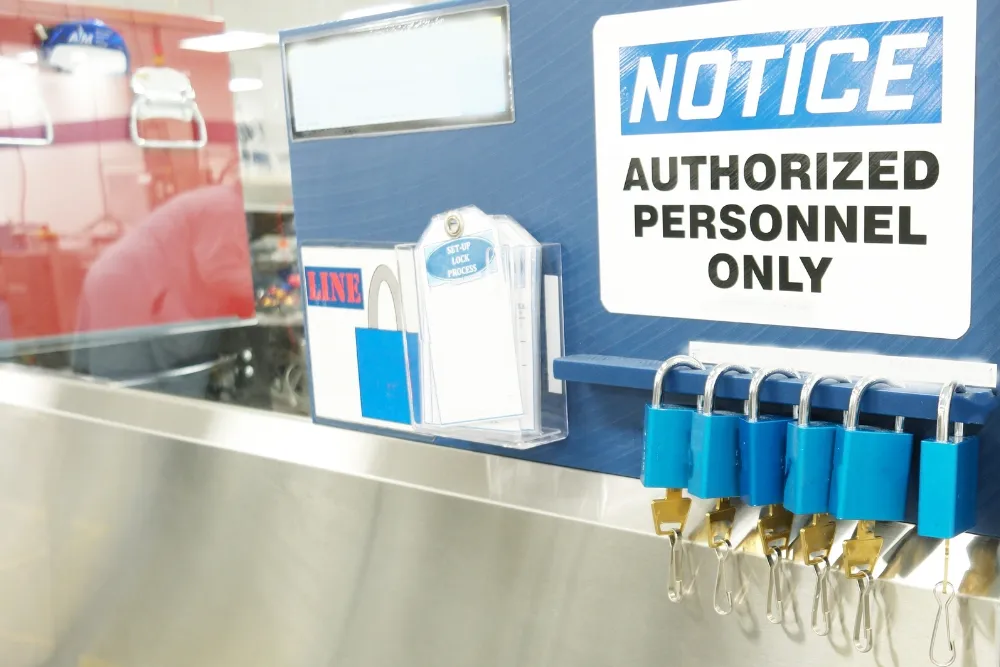
Ever found yourself staring at a bit of kit at work that’s got a big ‘Do Not Touch’ tag slapped on it? Yeah, we know the feeling – it’s like being told not to press the big red button.
But as tempting as it might be to ignore it, those tags are part of something pretty important called Lockout/Tagout (LOTO), and they’re all about keeping us safe from harm when machines are getting a bit of TLC.
Key Takeaways
- Clear policies and step-by-step procedures are vital for safely managing hazardous energy sources in the workplace. They help ensure that everyone knows exactly how to control energy when machines or equipment need maintenance or repair.
- Detailed inventories of all machinery, along with their specific lockout/tagout processes, are crucial for identifying potential hazards. This allows staff to properly isolate energy sources and protect themselves during work tasks.
- Ongoing training is necessary so employees fully grasp the importance and methods of controlling hazardous energies. Regular refreshers keep safety practices sharp in everyone’s mind.
- Using the right lockout devices ensures machines stay switched off whilst under maintenance. Tagout devices then provide visible warnings that inform workers about why equipment should not be used until released from service.
- Continuous verification, testing, reviews, and updates keep the tag-out procedure current and effective against new threats or changes in regulations; while thorough documentation tracks all LOTO activities for compliance and reference purposes.
Understanding Lockout/Tagout (LOTO) procedures
Lockout/Tagout (LOTO) procedures are a critical part of workplace safety, aiming to prevent the unexpected startup of machinery or equipment. These procedures involve isolating hazardous energy sources and ensuring that they are properly controlled during maintenance or servicing activities.
Definition and purpose
Lockout/Tagout (LOTO) procedures are all about keeping us safe while we work with or around hazardous energy sources like electricity, hydraulics, and pneumatics. Imagine having a system that ensures machines are completely shut off and can’t be started up again by anyone else until the work is done; this is what LOTO does.
It locks down equipment so nobody gets hurt.
The purpose of these procedures is crystal clear: to prevent unexpected energisation or startup of machinery and equipment. We use lockout devices to secure energy control points and tagout devices as visible warnings.
Together, they form a safety barrier against accidental machine activation, guarding us from serious harm on the job. Our policies make sure everyone knows exactly how to control hazardous energy every single time it’s necessary.
Importance of LOTO for workplace safety
Implementing an effective lockout/tagout (LOTO) procedure is crucial for workplace safety. It ensures that all hazardous energy sources are properly controlled during maintenance and servicing of machinery, minimising the risk of accidents.
LOTO helps in preventing unexpected start-ups or releases of stored energy, safeguarding employees from potential injuries and fatalities.
Incorporating LOTO procedures into workplace safety measures is essential for mitigating risks associated with the operation and maintenance of industrial machinery. By following specific lockout/tagout guidelines, owners can effectively manage mechanical and electrical isolation protocols to protect their workforce from hazardous energy sources.
Key Components of an Effective Tag Out Procedure
Effective tag-out procedures include clear policy and procedures, equipment inventory, employee training, lockout and tagout devices, verification and testing, periodic review and updates, and documentation.
These components are crucial for ensuring workplace safety and preventing accidents.
Clear policy and procedures
We establish and maintain a clear policy and procedures to effectively manage the lockout/tagout process. We document step-by-step instructions that outline how to isolate energy sources, apply locks and tags, verify isolation, and safely restore equipment to operation.
Our policy ensures that all employees are trained in these procedures and understand the importance of following them meticulously. Additionally, we conduct periodic reviews to update our policies as necessary, ensuring that they remain current with any changes in equipment or regulations.
Our clear policy communicates expectations for compliance with lockout/tagout procedures, minimising confusion and promoting a safer work environment. By outlining specific steps for isolating hazardous energy sources and providing comprehensive training for employees, we prioritise workplace safety while also meeting regulatory requirements.
Equipment Inventory
Maintaining an accurate equipment inventory is essential for a comprehensive lockout/tagout programme. This inventory should include all machinery and equipment within the workplace, detailing their specific energy sources and potential hazardous energies to be isolated.
It ensures that workers can easily identify and isolate energy sources during maintenance or servicing activities, contributing to a safer work environment.
An up-to-date equipment inventory also aids in developing machine/task-specific lockout/tagout procedures, as it provides crucial information needed for effective implementation. By keeping track of all machinery and equipment, homeowners and office owners can ensure that their lockout/tagout procedures are tailored to each specific machine’s requirements, thereby enhancing the overall effectiveness of the tag-out procedure.
Employee training
Employee training is a crucial element of an effective tag-out procedure. It involves educating workers on the potential hazards associated with hazardous energy sources and how to safely control them.
Training should cover specific lockout/tagout procedures, equipment maintenance, and the correct use of lockout devices and tagout devices. Moreover, it is essential to ensure that employees understand the importance of following safety protocols and compliance with workplace safety regulations.
Effective employee training also includes identifying hazardous energy sources in the workplace and teaching workers how to recognise and isolate them for maintenance or servicing.
Lockout devices
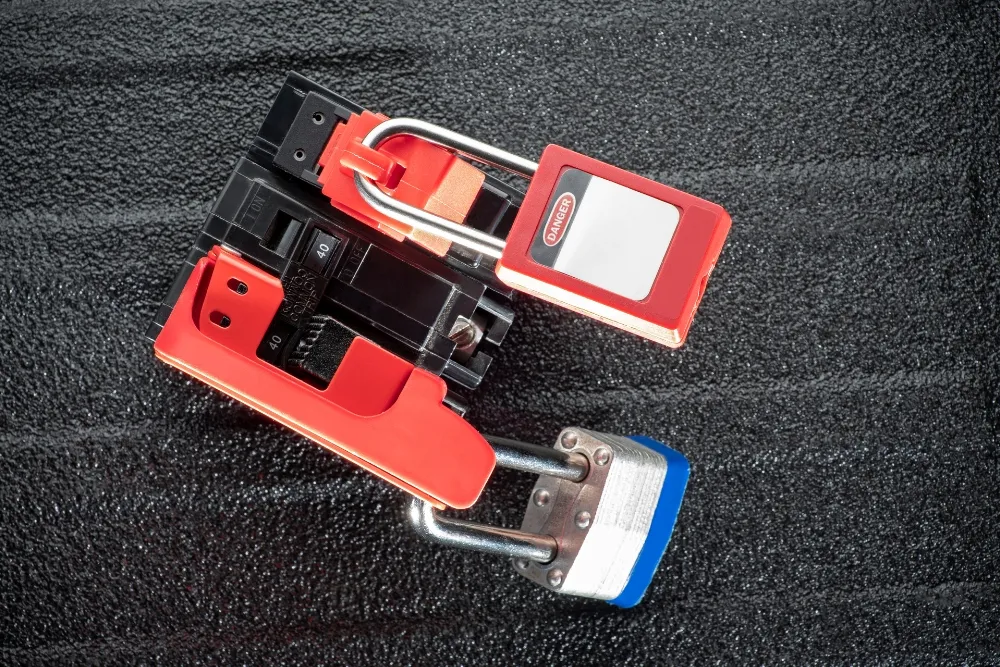
Lockout devices, such as safety padlocks, are essential for securing energy isolation devices in the off/safe position. These devices prevent accidental release of hazardous energy during maintenance or servicing activities.
Lockout devices play a crucial role in machinery isolation procedures by ensuring that machine controls, pressure lines, and starter switches remain securely locked and tagged when not in operation.
Additionally, using lockout tagout devices helps to comply with workplace electrical safety regulations and reduce the risk of accidents related to hazardous energy sources.
The use of lockout devices is vital for workplace accident prevention and employee safety training. It is imperative to equip your premises with these essential tools as part of a comprehensive lockout/tagout programme.
Tagout devices
Tagout devices play a crucial role in a comprehensive lockout/tagout procedure. These devices involve the use of standard labels or tags to clearly indicate why a machine has been locked out, along with important details such as when the lock and tag were applied, and the name of the individual who applied them.
The tagout device serves as an important visual indicator that equipment isolation is in place and that the plant or equipment must not be operated. It is essential for homeowners and office owners to ensure that tagout devices are used effectively to communicate vital information about machinery status and safety precautions.
A lockout/tagout programme, which includes utilising tagout devices, plays a significant role in workplace safety by ensuring hazardous energy sources are properly contained or controlled.
Verification and testing
After implementing tagout devices and procedures, it is crucial to perform verification and testing to ensure the effectiveness of the lockout/tagout programme. Verification involves checking that all hazardous energy sources are isolated before any maintenance or servicing work begins.
Testing should be conducted periodically to confirm that the lockout/tagout devices are properly working and that employees understand and follow the established procedures.
Regular checks on lockout/tagout devices help in maintaining a safe work environment, protecting employees from potential hazards related to equipment energisation, or other unforeseen risks.
Periodic review and updates
After verification and testing, it’s crucial to regularly review and update your lockout/tagout procedures. Periodic review ensures that the procedures remain accurate and effective, taking into account any changes in equipment or processes.
It also allows for updates based on new safety standards or regulations.
The frequency of reviews should align with the level of risk associated with specific equipment or machinery. Additionally, ensuring all employees are aware of these reviews is essential for maintaining a safe work environment.
Documentation
Documentation is a crucial aspect of an effective tag-out procedure. It involves maintaining accurate records of all lockout/tagout activities, equipment inventory, and procedures.
This documentation should include details such as when the lock and tag were applied, the name of the individual who applied them, specific lockout/tagout procedures for each piece of machinery or equipment, and periodic reviews and updates to ensure compliance with safety regulations.
Accurate documentation not only helps in tracking maintenance history but also ensures that any authorised employee can easily understand which equipment is under a LOTO process. The information provided on tags and documents must be clear to avoid confusion or errors during machine repair or servicing.
Common Mistakes to Avoid When Using Lockout/Tagout Systems
Making mistakes when using lockout/tagout systems can lead to serious workplace accidents. Lack of communication, improper training, and failure to regularly review and update procedures are common pitfalls to avoid.
Failure to follow proper procedures
Failure to follow proper procedures when implementing lockout/tagout can result in serious safety hazards. Neglecting to accurately document lockout/tagout activities, including equipment isolation and energy control measures, can lead to confusion and potential accidents.
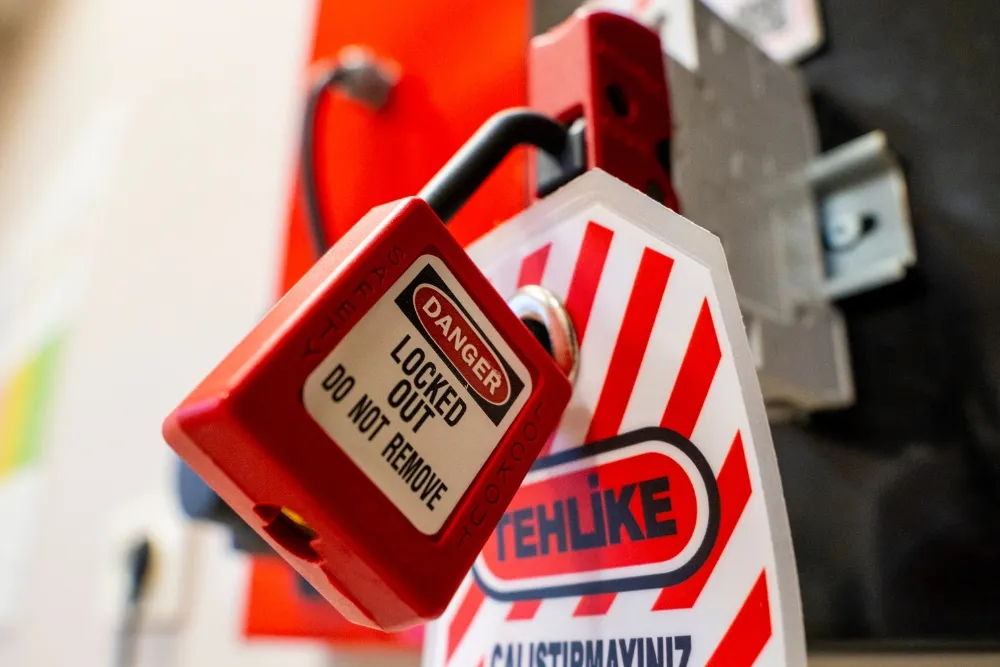
Inadequate communication about the status of locked-out equipment may also endanger workers who are unaware of ongoing maintenance or repair work. Furthermore, failure to regularly review and update lockout/tagout procedures might compromise the effectiveness of safety measures.
It is essential to adhere strictly to established lockout/tagout protocols as failure to do so could pose significant risks for both employees and property. Regular training on the importance of following proper procedures should be provided to all staff involved in equipment maintenance or repairs.
Lack of communication
Failure to communicate effectively can lead to serious safety hazards in the workplace. Without clear communication, employees may not be aware of machinery lockout/tagout procedures or the potential dangers associated with specific equipment.
As a result, errors or accidents could occur due to misunderstandings about which machines are undergoing maintenance or repairs. This lack of communication places both workers and property at risk.
To prevent such incidents, it’s crucial for all personnel involved in the LOTO procedure to communicate openly and clearly. Sharing information on equipment isolation status, task-specific lockout/tagout procedures, and any changes made during maintenance is vital for ensuring everyone’s safety and preventing accidents.
Lack of proper training
Inadequate training poses a significant risk when it comes to implementing effective lockout/tagout procedures. Without proper training, employees may not fully understand the potential hazards associated with specific machinery and equipment, leading to incorrect or incomplete execution of LOTO protocols.
This can result in serious safety breaches and accidents within the workplace.
With adequate training, employees gain a clear understanding of the importance of energy isolation protocols and are equipped with the necessary knowledge to identify hazardous energy sources.
Inadequate documentation
Ineffective documentation of lockout/tagout procedures can lead to serious safety hazards. Without proper records, it’s challenging to track when equipment was shut down or isolated, who performed the procedure, and how long it has been in place.
This lack of documentation can result in confusion and errors, potentially putting individuals at risk if machinery is inadvertently restarted without proper authorisation.
To prevent these risks, maintaining accurate and up-to-date documentation is critical. Clear records should detail the date and time of lockout/tagout events, personnel involved, specific equipment affected, energy sources controlled, and verification that the isolation was successful.
Failure to regularly review and update procedures
Neglecting to regularly review and update procedures can compromise the effectiveness of your lockout/tagout program. Without periodic reviews, new equipment may be overlooked, and changes in machinery or processes might not be addressed.
This could lead to outdated procedures that do not reflect the current state of your workplace, potentially putting employees at risk. Regular updates are essential for maintaining a comprehensive and reliable tag-out procedure.
Failing to incorporate regular reviews into your lockout/tagout policies increases the likelihood of overlooking critical changes in equipment or processes that impact safety measures.
Who is Responsible for the LOTO Programme?
Management, supervisors, and authorised individuals are responsible for implementing and overseeing the LOTO programme to ensure workplace safety. They play a crucial role in developing, communicating, and enforcing lockout/tagout procedures to protect employees from hazardous energy sources.
Management
Management plays a critical role in overseeing the successful implementation of lockout/tagout (LOTO) procedures. It is essential for management to develop and document a comprehensive lockout/tagout programme or policy, detailing the specific procedures that workers must follow when containing or controlling hazardous energy sources.
Furthermore, it is imperative for management to ensure that there is an up-to-date equipment inventory, as well as machine/task-specific lockout/tagout procedures in place for effective implementation.
This includes securing power sources with locks, attaching tags as necessary, and regularly reviewing and updating the procedures to maintain workplace safety standards.
Moreover, management should designate authorised individuals responsible for conducting verification and testing processes on LOTO devices routinely. It is also important for management to promote open communication channels among employees regarding LOTO policies and procedures.
Supervisors
Now turning our attention from management to supervisors, it’s crucial for supervisors to oversee the implementation and adherence of lockout/tagout procedures. Supervisors play a critical role in ensuring that employees are trained effectively on lockout/tagout procedures and diligently follow them.
They are also responsible for regularly reviewing and updating the procedures as necessary, maintaining an up-to-date equipment inventory, and ensuring appropriate documentation is in place.
Supervisors need to lead by example when it comes to following lockout/tagout procedures, emphasising the importance of proper communication and coordination with employees during equipment shutdowns.
Authorised Individuals
Involving authorised individuals is a critical step in the successful implementation of lockout/tagout procedures. Authorised employees are those who have been trained and certified to perform lockout/tagout procedures on specific equipment or machinery.
They are responsible for applying their knowledge to ensure that all energy sources are isolated effectively, using appropriate locks and tags. Additionally, they play a crucial role in verifying the effectiveness of the locked-out equipment before maintenance work begins.
It is important to note that only qualified personnel should be appointed as authorised individuals for lockout/tagout processes. This ensures that they have the necessary expertise to safely carry out these procedures, minimising the risk of accidents or injuries during maintenance or repair tasks.

Steps to Perform LOTO Procedures
Determine the appropriate procedure and get ready for the shutdown. Inform all concerned employees, shut down the equipment, and isolate it. Then add individual locks, check stored energy, make sure the equipment is isolated, shut off controls, and restore the equipment to working order.
Determine the appropriate procedure
To determine the appropriate lockout/tagout procedure, start by identifying and documenting all hazardous energy sources and equipment in your home or office. Then, create machine-specific lockout/tagout procedures for each piece of machinery.
Ensure that these procedures are easily accessible to employees and regularly reviewed and updated as needed. By doing so, you will establish an effective system for containing or controlling hazardous energy during maintenance, servicing, or repair activities.
Updating machine-specific lockout/tagout procedures ensures that workers have the necessary guidelines to safely isolate energy sources before carrying out any work on machines or equipment.
Get ready for the shutdown
Before moving on to the actual shutdown process, it’s crucial to ensure that all employees are informed about the impending equipment shutdown. This step helps in preventing any unexpected issues and ensures that everyone is prepared for the temporary cessation of operations.
Additionally, it is important to shut down the equipment following the specific procedures outlined and isolate it from all energy sources. This action guarantees a safe environment for any required maintenance or repair work.
Following these steps will make sure that your lockout/tagout procedure is effectively implemented with minimal risks involved.
Inform all concerned employees
Informing all concerned employees is a vital step in the lockout/tagout procedure. We must clearly communicate the reasons for the equipment shutdown, as well as the specific hazards associated with it.
Providing this information ensures that everyone understands the importance of adhering to the lockout/tagout process and complies with safety regulations.
Employee training is essential to effectively inform all concerned individuals about their role in the LOTO programme. It’s crucial that all employees are aware of how to isolate energy sources, attach appropriate tags, and use safety padlocks correctly.
Shut down the equipment
To shut down the equipment, turn off all power sources and controls. This includes switches, valves, and any other energy sources that could pose a hazard. Make sure to follow machine-specific lockout/tagout procedures as outlined in your LOTO programme.
Next, isolate the equipment from its power source by using locks and tags to ensure it cannot be restarted while maintenance or servicing is being performed. Once the equipment has been fully shut down and isolated, it is important to verify that all stored energy has dissipated before proceeding with any work.
Take care not to skip this critical step; failure to properly shut down and isolate machinery can result in serious injuries or even fatalities due to unexpected start-ups or releases of stored energy.
Isolate the equipment
To isolate the equipment, it is essential to first shut down the machinery and ensure all energy sources are securely locked. Then, individual locks must be added to hold the energy-isolating device in a safe/off position.
Safety padlocks are used for securing these devices, ensuring they cannot be removed without authorisation. Next, tags should be attached indicating why the machine has been locked out and by whom.
This ensures that everyone in the workplace is aware of which equipment is isolated and why, preventing any unintentional operation.
Add individual locks
When implementing a tag-out procedure, it is crucial to add individual locks to the equipment. Each lock should be unique and easily identifiable, ensuring that only authorised personnel can remove them.
This step effectively prevents accidental startup or operation of machinery during maintenance or repair work, safeguarding against potential hazards.
By adding individual locks as part of the lockout/tagout procedure, the risk of unexpected energy release is minimised, promoting a safer working environment. Furthermore, this practice aligns with the key components of an effective tag-out procedure by securely isolating power sources and clearly indicating equipment status to all persons on-site.
Check stored energy
To ensure safety, always verify that stored energy has been fully released before starting any maintenance work. Use the appropriate tools to examine all potential sources of stored energy, such as compressed air, hydraulic systems, and electrical capacitors.
Once confirmed that no residual energy remains in the machinery or equipment, you can proceed with confidence to carry out necessary repairs or maintenance tasks without risk.
Always take cautious steps when it comes to checking stored energy because failing to do so can lead to serious accidents and injuries. It is crucial for workers and employees who perform lockout/tagout procedures to understand how critical this step is.
Make sure the equipment is isolated
After checking stored energy, the next crucial step in the lockout/tagout procedure is to ensure that the equipment is isolated. This involves physically disconnecting the power sources and effectively securing them using locks or other devices.
It’s important to follow machine/task-specific lockout/tagout procedures and use energy-isolating devices to prevent any unexpected release of hazardous energy. Homeowners and office owners should ensure that all necessary steps are taken to isolate equipment before initiating maintenance or servicing work, thereby prioritising safety for anyone working on or near the machinery.
It’s critical to understand that proper isolation of equipment with effective lockout/tagout measures can prevent accidents and protect workers from potential harm due to unexpected energisation of machinery or equipment during maintenance activities.
Shut off controls
Once the equipment is isolated, the next step is to shut off controls. This involves turning off any power switches or control panels that operate the machinery. Additionally, ensure that all energy sources are fully powered down before proceeding with any maintenance or repair work.
It’s crucial to follow these steps in order to prevent any unexpected start-ups or releases of hazardous energy during the lockout/tagout procedure.
Shutting off controls is a vital part of the overall lockout/tagout process and plays a pivotal role in ensuring workplace safety for both home and office owners alike. With a clear understanding and implementation of this key step, potential risks associated with equipment maintenance can be effectively minimised.
Restore equipment to working order
Once the equipment has been effectively isolated and shut down, it is time to restore it to working order. This crucial step in the lockout/tagout procedure involves removing all locks and tags, reactivating power sources, and ensuring that the equipment is safe for use.
It’s important to double-check all control switches, valves, and other power sources before restarting machinery or equipment.
After isolating the energy sources by attaching locks and tags during shutdown procedures, homeowners and office owners must carefully follow proper steps when restoring equipment to a working state.
Tagout Mastery for a Secure Environment!
To ensure workplace safety, a clear policy and procedures are essential for an effective tag-out procedure. Equipment inventory and machine-specific lockout/tagout procedures play a critical role in implementing the process.
Regular employee training must be conducted to ensure a proper understanding of lockout/tagout protocols. Lockout devices should securely hold energy-isolating devices, while tagout devices provide specific information about the equipment’s status.
Periodic reviews and updates of the LOTO program are crucial to maintain its effectiveness. Complete documentation is necessary to record all lockout/tagout activities for future reference.
Discover the essential components of a robust Tag Out procedure for your safety and efficiency. Contact us today to learn more!