
LockOut Equipment · 28 September 2023
Key Components of a Tag Out System
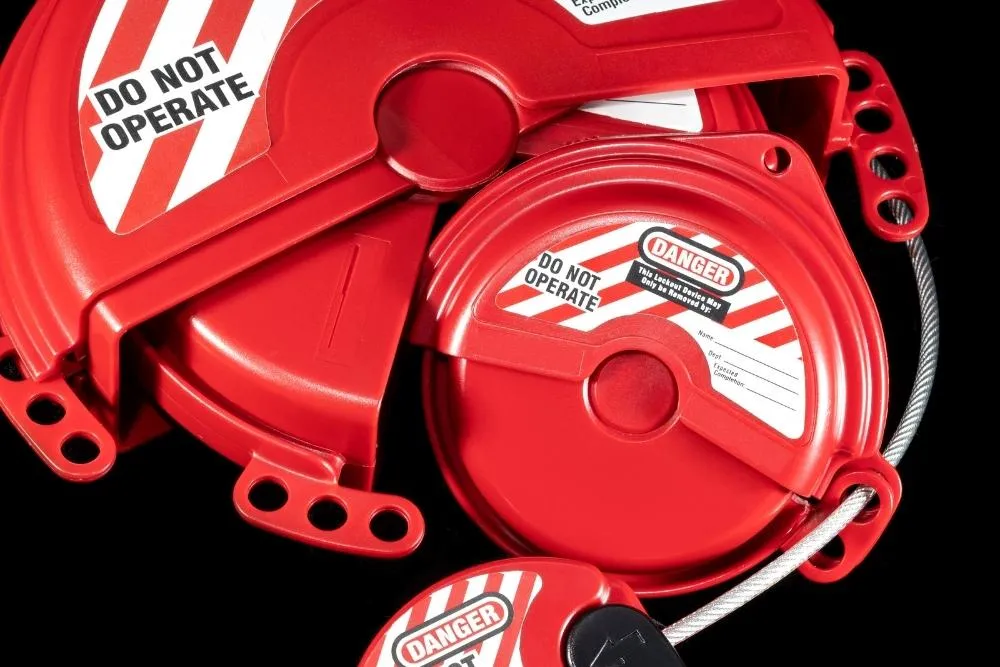
Feeling like you’re lost in the bush when it comes to navigating all the safety measures needed to keep your home accident-free, mate? You’re not alone! It’s a hard yakka knowing that common accidents often come from unexpected energy releases from our day-to-day appliances.
But don’t worry, we’ve got your back! Our guide is here to walk you through the ins and outs of a Tag Out System – your main fortification against such incidents. Are you ready for a bit of peace of mind? Crikey, let’s get stuck into it then!
Key Takeaways
- Lockout/Tagout is crucial for protecting against hazardous energy exposure, preventing accidents and injuries, and ensuring compliance with OSHA standards.
- The components of a lockout/tagout program include machine-specific procedures, written policies, employee training, locks and devices, group lockout procedures, and identification of energy sources.
- Steps of lockout/tagout safety include preparation, shutdown, isolation, verification of isolation, release of stored energy (if present), equipment repairs or maintenance work, and re-energisation control measures.
Importance of Lockout/Tagout
Lockout/Tagout is crucial for protecting against hazardous energy exposure, preventing accidents and injuries, and ensuring compliance with OSHA standards.
Protection against hazardous energy exposure
Unexpected releases of hazardous energy during maintenance or setup can result in serious injuries or even death. Applying a lockout tagout system is a proven method for controlling such unforeseen energy discharges.
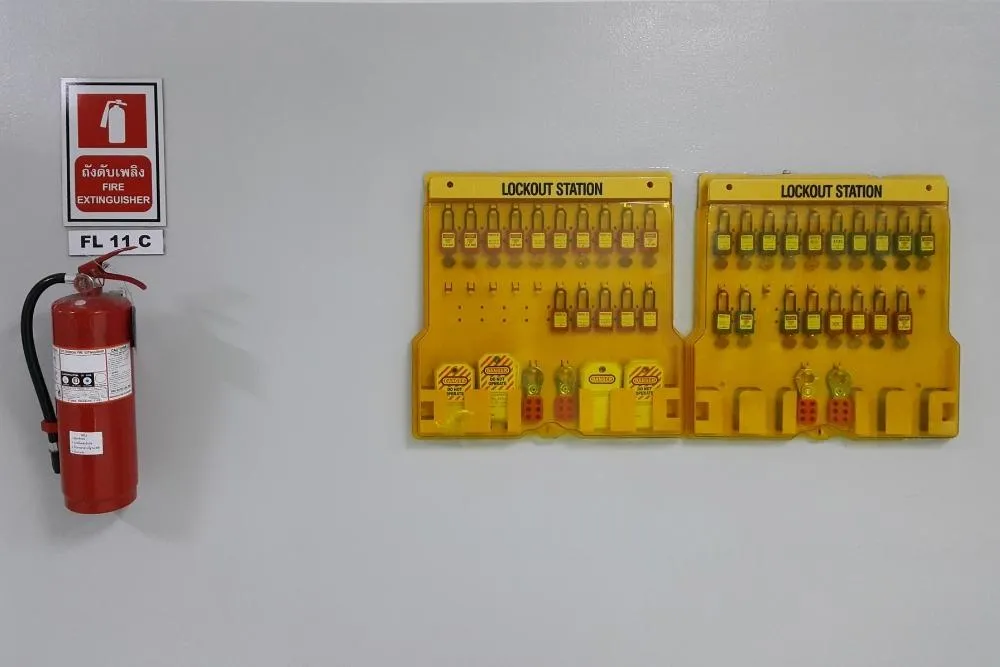
This safety procedure involves de-energising equipment, isolating the energy source with a physical barrier such as a lock and providing visual cues with tags to alert others about ongoing maintenance work.
A lock prevents unexpected startups or movement while a tag provides key information like the reason for the lockout and the person responsible for it. Both are integral parts of ensuring protection against hazardous energy exposure in any environment where machinery operates.
With this system in place, homeowners can perform needed tasks safely without risking accidents from sudden power surges or machine operations.
Preventing accidents and injuries
Preventing accidents and injuries is a crucial aspect of implementing a lockout/tagout system. By following proper safety procedures, you can protect yourself and others from hazardous energy exposure and minimise the risk of accidents in the workplace.
It’s important to understand that a lockout device plays a key role in preventing accidents by ensuring that machinery remains shut down during maintenance or repairs. By properly isolating energy sources, using the necessary safety padlocks, and following equipment isolation protocols, you can effectively control hazardous energy and keep everyone safe.
Remember, lockout/tagout is an essential component of workplace safety that should never be overlooked.
In addition to using lockout devices, it’s also essential for employees to receive adequate training on lockout/tagout procedures. This training equips them with the knowledge they need to handle equipment shutdowns safely and identify potential hazards associated with machinery maintenance.
By empowering authorised employees with this information, you are taking proactive measures towards accident prevention in your workplace. So always prioritise employee safety by emphasising regular training sessions focused on lockout/tagout practices.
Compliance with OSHA standards
It is crucial for all homeowners to ensure compliance with OSHA standards when implementing a lockout tagout program. OSHA, or the Occupational Safety and Health Administration, sets guidelines and regulations to protect workers from hazardous energy exposure.
By following these standards, you are prioritising workplace safety and reducing the risk of accidents and injuries. Compliance involves training employees on lockout tagout procedures, developing written policies, conducting regular inspections, and utilising proper lockout devices such as safety padlocks.
Implementing these measures not only ensures your own safety but also contributes to a safe working environment for everyone involved in equipment maintenance or repairs.
Components of a Lockout/Tagout Program
The components of a lockout/tagout program include machine-specific procedures, written policies, employee training, locks and devices, group lockout procedures, and identification of energy sources.
Machine-specific procedures
Machine-specific procedures are an essential component of a lockout/tagout program. These procedures outline the specific steps and precautions that need to be taken when working with a particular machine or piece of equipment.
It is important for homeowners to follow these procedures carefully, as they provide guidance on how to safely shut down, isolate, and control hazardous energy sources associated with the machinery.
By following machine-specific procedures, homeowners can ensure their own safety while operating or maintaining equipment in their homes.
Written policies
Our lockout/tagout program includes written policies that are crucial for ensuring the safety of our workers and protecting them from hazardous energy exposure. These policies outline the specific procedures and guidelines that need to be followed when implementing a lockout/tagout system.
By having well-documented written policies, we can provide clear instructions to authorised employees on how to properly isolate and control energy sources. This ensures that all necessary steps are taken during equipment shutdown and isolation processes.
Additionally, these policies also inform affected employees about the importance of lockout/tagout procedures and their role in maintaining workplace safety.
It is important to note that our written policies meet OSHA requirements, as they include training guidelines, inspection protocols, and documentation practices. Through regular inspections, we can identify any potential areas of improvement or non-compliance with our lockout/tagout program.
By consistently following these written policies, we can maintain a safe working environment for everyone involved.
Employee training
Employee training is a crucial component of a successful lockout/tagout program. It ensures that all employees are equipped with the knowledge and skills to safely perform their tasks around machinery.
Training should cover topics such as recognising hazardous energy sources, understanding lockout/tagout procedures, and using lockout devices properly. By providing comprehensive training, employers can empower their employees to prioritise workplace safety and prevent accidents or injuries related to hazardous energy exposure.
In addition, OSHA requires training for authorised employees who perform the lockout/tagout procedures and affected employees who work in areas where these procedures are conducted.
Locks and devices
Locks and devices are essential components of a lockout/tagout system. These safety measures help protect workers from hazardous energy exposure when working with machinery or equipment.
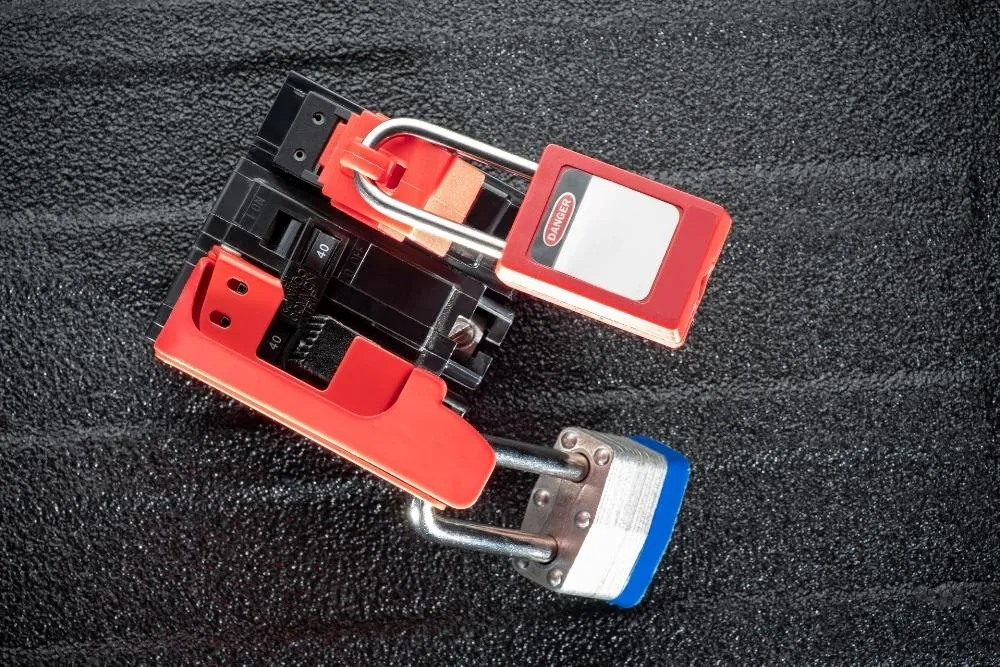
A lockout device is designed to physically secure an energy-isolating device, preventing the accidental release of hazardous energy. Safety padlocks are commonly used as lockout devices, providing a visible indication that the equipment is in a locked and isolated state.
By using locks and devices, homeowners can ensure that their equipment remains safely shut down and isolated, reducing the risk of accidents and injuries. It is important to follow proper procedures for locking out your machinery or equipment to ensure workplace safety.
Group lockout procedures
Group lockout procedures are an essential part of a tag-out system. When multiple workers are involved in maintenance or repair activities, group lockout procedures ensure that all energy sources are properly isolated and secured.
This helps to prevent accidental re-energisation of the equipment and ensures the safety of everyone involved. Additionally, authorised employees who have been trained on lockout procedures should coordinate with each other during the group lockout process to ensure effective communication and coordination.
By following these group lockout procedures, we can enhance workplace safety and protect against hazardous energy exposure for everyone involved in the maintenance or repair work.
Identification of energy sources
Identifying energy sources is a crucial step in implementing a lockout/tagout system to ensure workplace safety. It involves determining all the potential hazardous energy sources present in machinery or equipment.
By identifying these sources, homeowners can effectively devise proper isolation procedures and take necessary precautions before maintenance or repair work begins. This includes locating and marking energy isolation devices, such as switches, valves, or control panels, that must be shut off or locked out during servicing.
Properly identifying energy sources helps prevent accidents and injuries by ensuring that all necessary steps are taken to control and isolate hazardous energy effectively without compromising worker safety.
Steps of Lockout/Tagout Safety
The steps of lockout/tagout safety are crucial to ensuring the protection of personnel and preventing accidents. Learn more about these important steps and how they can help safeguard your workplace from hazardous energy exposure.
Preparation
Before starting any lockout/tagout procedure, it is crucial to adequately prepare. This involves notifying all affected personnel about the upcoming equipment shutdown and isolation of energy sources.
It is also important to train authorised employees on the specific lockout/tagout procedures that will be followed. Additionally, identifying and marking energy isolation devices can help ensure that they are easily recognisable during the process.
By properly preparing for a lockout/tagout, we can enhance workplace safety and protect against hazardous energy exposure.
Shutdown
To ensure safety when performing maintenance or repairs on equipment, a key step is the shutdown process. This involves turning off the power supply and stopping the machinery from operating.
By doing this, we can prevent any unexpected movement or release of hazardous energy that could cause accidents. It’s crucial to follow proper shutdown protocols to protect ourselves and others from harm.
Remember, lockout tagout procedures include shutting down the equipment before proceeding with other important steps in the process.
Isolation
Isolation is a crucial step in the lockout/tagout process for ensuring safety around machinery. During isolation, all energy sources must be disconnected or shut down to prevent any unexpected release of hazardous energy.
This involves following specific procedures to properly isolate the equipment and control the energy flow. It’s important to identify and mark all energy isolation devices, such as switches or valves so that authorised employees can easily locate and deactivate them.
By isolating the machinery effectively, we minimise the risk of accidents and injuries caused by accidental startup or release of stored energy.
In our lockout/tagout program, we have developed detailed guidelines on how to perform isolation procedures for different types of equipment. These procedures are documented for both authorised employees who carry out the isolations and affected employees who need to be informed about the shutdowns.
Lockout/Tagout
Lockout/Tagout is a crucial safety system that protects workers from exposure to hazardous energy. As homeowners, it’s important for us to understand this concept and implement it in our own maintenance practices.
A lockout device is a key component of the tag-out system, ensuring that machinery remains shut down and isolated from its energy sources. By following the steps of locking and tagging out a system, such as preparing for shutdown and isolating energy sources, we can prevent accidents and injuries.
Remember, OSHA requires training, written procedures, and inspections as part of a comprehensive lockout/tagout program. So let’s prioritise safety by implementing these measures when working with equipment at our homes.
Verification
We want to make sure that the lockout/tagout process is effective, so verification is an essential step. It involves checking that all energy sources have been properly isolated and locked out before any work begins.
This ensures the safety of all workers involved in the task. Verification also includes confirming that all affected employees have been notified about the lockout/tagout procedure.
By verifying these steps, we can prevent accidents and injuries caused by unexpected energy release from machinery. Remember, proper verification is crucial for maintaining a safe work environment.
Restoration
Restoration is the final step in a lockout/tagout safety procedure. Once all maintenance and repairs are complete, it is important to restore equipment to its normal operating condition.
This involves removing the locks and tags that were applied during the isolation process. Restoration should only be done by authorised employees who have been trained on proper lockout/tagout procedures.
By ensuring that restoration is carried out correctly, we can prevent accidents or injuries caused by unexpected energisation of equipment. So remember, restoration plays a crucial role in maintaining workplace safety and complying with OSHA regulations.
Site Policies and Standards
In Australia, workplace safety is regulated by the Occupational Health and Safety (OHS) Act, which sets out the requirements for lockout/tagout procedures. These regulations ensure that companies have site policies in place to protect employees from hazardous energy exposure and comply with OSHA standards.
OSHA standards in the United States
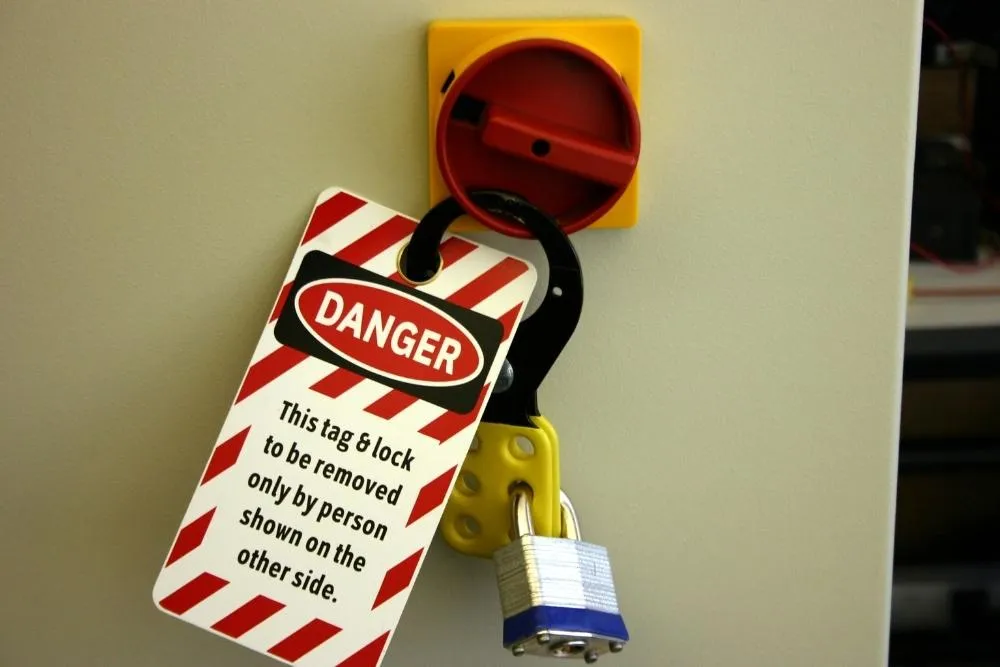
In the United States, OSHA (Occupational Safety and Health Administration) sets standards to ensure workplace safety. These standards include specific requirements for lockout/tagout procedures.
As homeowners, it’s important for us to understand these standards so that we can implement effective lockout/tagout systems in our homes. This means following OSHA’s guidelines on employee training, written procedures, and inspections.
By complying with these regulations, we can protect ourselves and our loved ones from hazardous energy exposure and maintain a safe environment around machinery.
Lockout/Tagout regulations in Canada, EU, and the UK
Lockout/Tagout regulations in Canada, the EU, and the UK play a crucial role in ensuring workplace safety. In Canada, lockout/tagout procedures are governed by federal and provincial occupational health and safety regulations.
Employers are required to develop written policies for energy control procedures, provide training to employees, and conduct regular inspections. Similarly, in the EU and the UK, employers must comply with legislation that requires them to implement effective measures to prevent accidents during maintenance operations.
These regulations emphasise the importance of proper equipment isolation, employee training, and clear communication about hazardous energy sources. By adhering to these lockout/tagout regulations, employers can create a safe working environment for their employees.
Your Space, Our Tagging Expertise
In conclusion, the key components of a tag-out system are crucial for ensuring workplace safety. Lockout devices, written procedures, employee training, and proper identification of energy sources all play a vital role in preventing accidents and injuries.
By implementing these components, companies can comply with OSHA standards and protect their employees from hazardous energy exposure. It is essential to prioritise the development and documentation of a comprehensive lockout/tagout program to maintain equipment maintenance safety and safeguard workers in any workplace environment.
Build a foundation of safety, and secure your workplace! Discover the key components of a robust Tag Out System with Tag Out System. Don’t let gaps in your safety procedures expose your team to risks – take action now. Contact us for expert insights into the essential components that make up an effective Tag Out System, from tags and locks to procedures and documentation. Trust Tag Out System to be your partner in fortifying your workplace safety. Don’t wait for incidents to happen – reach out now and ensure your Tag Out System is comprehensive and foolproof. Act today for a workplace that prioritises safety and compliance. Contact us now!