
LockOut Equipment · 30 September 2023
Introduction to Tag Out Systems
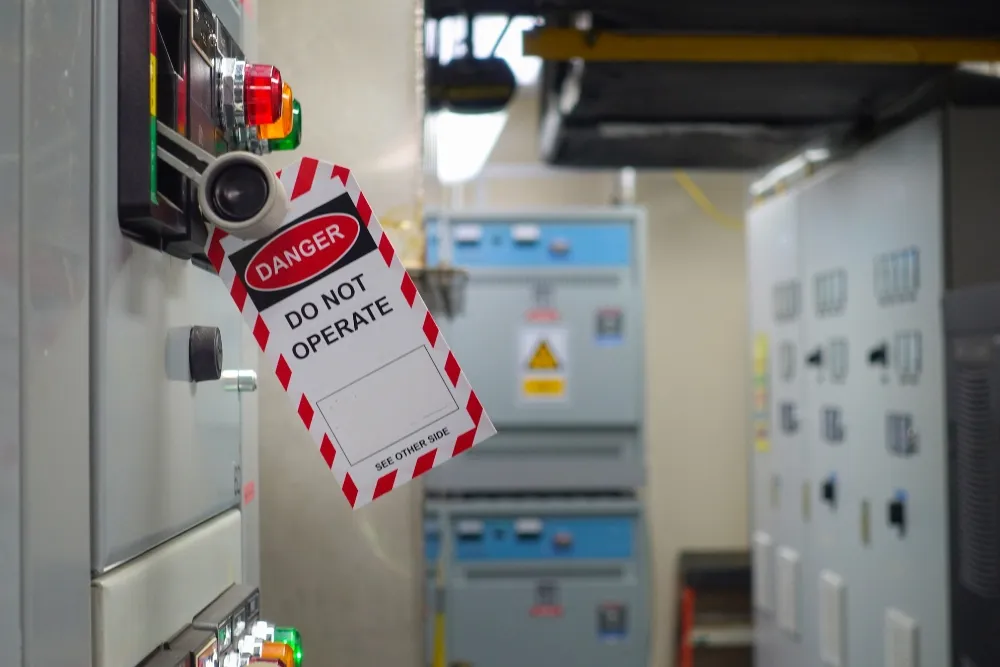
Are you forever feeling a bit antsy, constantly worried about your crew’s safety around workplace machinery during maintenance or repairs? No dramas, we get it. It just takes one lapse in attention and things can go pear-shaped real quick.
But don’t fret, mate, we’ve been flat out like a lizard drinking and doing the research for you: Enter Lockout Tagout systems! In this article, we will navigate through how these beauties work and their importance in pumping up workplace safety and keeping everything on level with regulations.
Key Takeaways
- Lockout Tagout is a safety procedure that protects workers from hazardous energy sources during equipment maintenance and servicing.
- The key components of Lockout Tagout include the energy control program, lockout devices, tagout devices, and identification and communication.
- Implementing proper lockout tagout procedures at home is essential for ensuring safety when working with machinery or performing maintenance tasks around your property.
- Lockout Tagout systems ensure worker safety, prevent accidental equipment start-up, and reduce the risk of workplace accidents and injuries.
What is Lockout Tagout?
Lockout Tagout is a crucial safety procedure used to protect workers from hazardous energy sources during equipment maintenance and servicing.
Definition and purpose
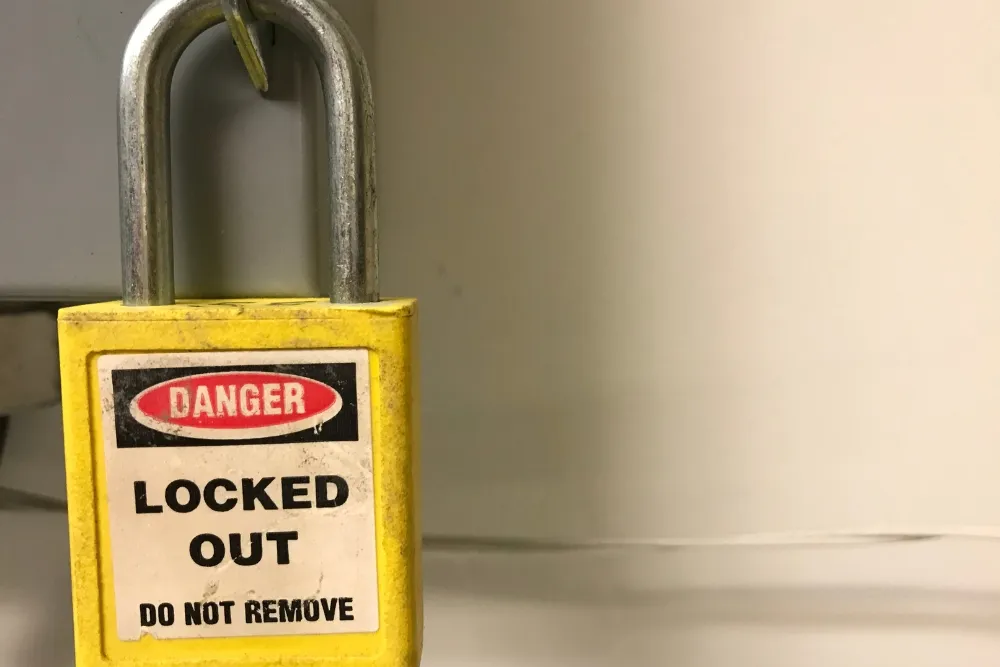
Lockout Tagout is a safety procedure that protects workers from unintentional exposure to hazardous energy when servicing or repairing equipment. We use it to isolate and secure machinery, effectively cutting off the power and making sure no accidental start-ups occur during maintenance work.
The tag-out component of this process involves attaching an information tag on locked-out devices to indicate that they are not ready for operation. This system holds invaluable importance in industries as it defends against unexpected startups or the release of stored energy that could lead to serious injuries or even fatalities.
Importance of implementing a Lockout Tagout system
Implementing a Lockout Tagout system is of utmost importance for the safety and well-being of homeowners. This procedure ensures that equipment is de-energised, secured, and properly labelled during maintenance or repair work to prevent any accidental re-activation or release of hazardous energy.
By implementing this system, homeowners can effectively protect themselves from potential injuries caused by unexpected equipment start-ups or exposure to dangerous energy sources.
Compliance with lockout tagout regulations is not only essential for maintaining a safe environment but also for avoiding penalties or fines imposed by regulatory authorities. Therefore, it is crucial for homeowners to prioritise the implementation of a comprehensive Lockout Tagout system as part of their overall safety protocols.
Key Components of Lockout Tagout
The key components of Lockout Tagout include the energy control program, lockout devices, tagout devices, and identification and communication.
Energy Control Program
An Energy Control Program is a vital component of a lockout tagout system. It involves establishing procedures to effectively control and isolate hazardous energy sources during equipment servicing or maintenance.
This program ensures that all workers are trained on the proper methods for energy isolation, such as shutting down machinery, securing switches, and disconnecting power sources. By implementing an Energy Control Program, you can minimise the risk of accidental start-up or release of stored energy, protecting both yourself and other individuals in your home.
Remember, compliance with lockout tagout safety regulations is essential to maintain workplace safety and prevent potential accidents or injuries.
Lockout devices
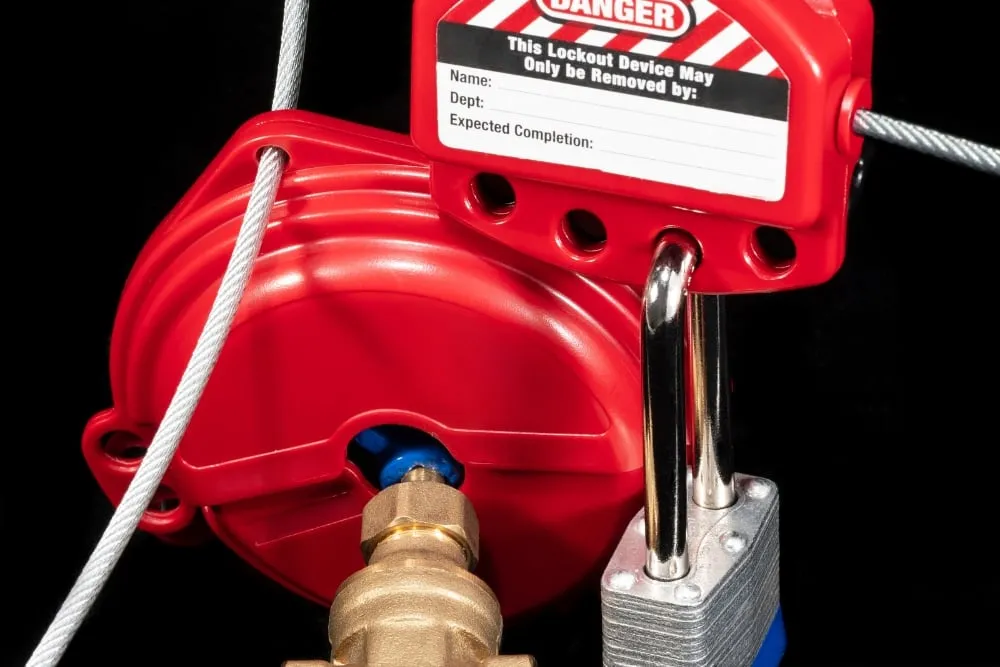
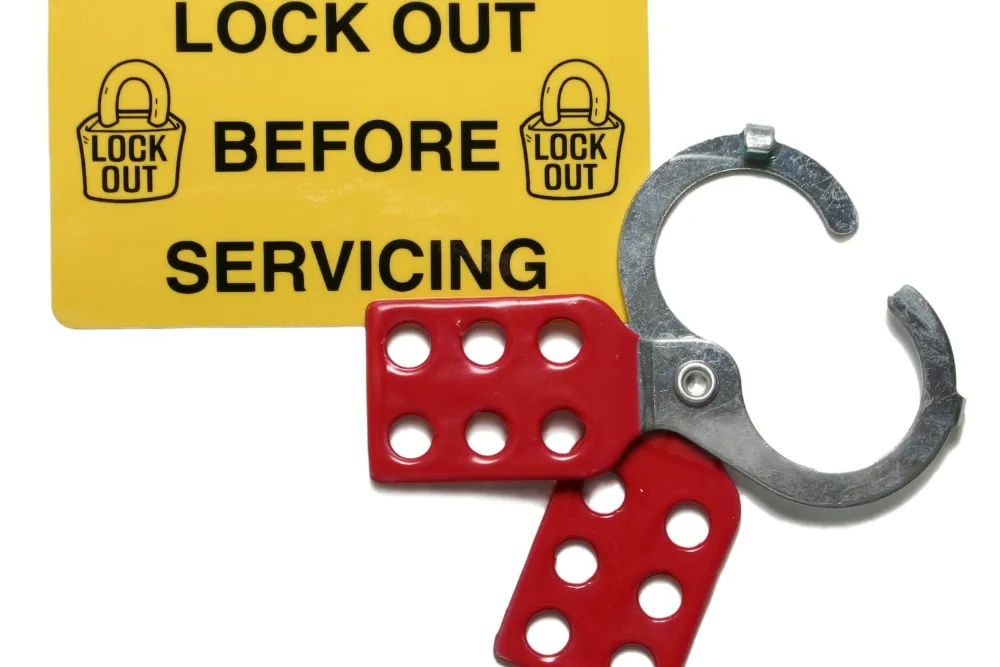
Lockout devices play a crucial role in ensuring the safety of workers and preventing workplace accidents. These devices are used to physically isolate energy sources and prevent the accidental startup or release of stored energy during equipment servicing or repair.
Locks are commonly used as lockout devices to secure switches, valves, or circuit breakers in an off position. By applying these locks, we can effectively disable the equipment and indicate that it is being serviced or repaired.
This helps protect both workers and homeowners from potential hazards associated with energised machinery. Using lockout devices is an essential part of any effective lockout tagout program, promoting worker safety and compliance with regulations.
Tagout devices
Tagout devices play a crucial role in the lockout tagout procedure. These devices are used to indicate that machinery or equipment is being serviced or repaired and should not be operated.
They typically consist of tags that are attached to control switches, valves, or other energy sources to provide a clear visual indication of the lockout status. By using tagout devices alongside lockout procedures, homeowners can ensure that they effectively communicate the presence of potential hazards and prevent accidental energisation of equipment during maintenance or servicing tasks.
Implementing tagout devices as part of a comprehensive lockout tagout program helps protect both workers and members of the household from injury due to unexpected machinery startup.
Identification and communication
To ensure the safety of everyone involved, proper identification and communication are vital when implementing a lockout tagout system. Clear and visible tags must be attached to equipment indicating that it is out of service and should not be operated.
These tags provide important information and warnings to all workers in the area, alerting them to potential dangers. Effective communication between employees is also essential during lockout tagout procedures to prevent accidents or misunderstandings.
By following proper identification protocols and maintaining open lines of communication, we can help create a safer working environment for everyone involved.
Lockout Tagout Procedures
Now, let’s dive into the steps for implementing Lockout Tagout and how to ensure compliance with site policies and regulations. Read on to discover the key procedures for maintaining a safe work environment.
Steps for implementing Lockout Tagout
To implement Lockout Tagout in your home, follow these steps:
1. Identify the equipment or machinery that requires lockout tagout procedures during maintenance or servicing.
2. Develop a detailed procedure for isolating and de-energising the equipment to ensure worker safety.
3. Train yourself and other household members on how to properly use lockout devices such as locks to secure the equipment.
4. Attach tags indicating that the equipment is out of service and should not be operated while maintenance or repairs are being carried out.
Group lockout considerations
When performing lockout tagout procedures, there are some important considerations to keep in mind, especially when working in a group. First and foremost, communication is key. It’s crucial to establish clear communication channels between all members of the group to ensure that everyone is on the same page and understands their roles and responsibilities.
This will help prevent any confusion or misunderstandings during the process.
Another consideration is coordination. When multiple individuals are involved in a lockout tagout procedure, it’s important to coordinate their actions effectively. This includes synchronising the application and removal of lockout devices as well as taking turns tagging out equipment if necessary.
Additionally, teamwork plays a vital role in group lockouts. Each member must work together closely and trust each other’s judgment to create a safe environment for everyone involved.
Inexperienced individuals should also be paired with more experienced team members who can provide guidance and support throughout the process.
Site policies and regulations
We must adhere to site policies and regulations when implementing a lockout tagout program. It is important to familiarise ourselves with these rules to ensure compliance and maintain workplace safety.
These policies outline the specific procedures, requirements, and responsibilities related to lockout tagout. By following them closely, we can prevent accidents, protect workers from hazardous energy exposure, and avoid penalties or fines for non-compliance.
Our commitment to upholding these site policies demonstrates our dedication to creating a safe environment for everyone involved in maintenance operations and equipment servicing.
Benefits of Lockout Tagout
Lockout Tagout systems offer significant benefits, ensuring worker safety, preventing accidental equipment start-up, and reducing the risk of workplace accidents and injuries.
Ensures worker safety
Our lockout tagout system is a critical component in ensuring the safety of workers. By implementing this procedure, we can effectively protect employees from unintentional exposure to hazardous energy.
Locking out and tagging equipment during maintenance or repair work prevents accidental startup or release of stored energy, which could result in severe injuries or even fatalities.
It’s important for homeowners to understand and follow proper lockout tagout procedures when working with machinery and equipment to ensure their own safety as well as the safety of those around them.
Prevents accidental equipment start-up
Lockout tagout systems play a crucial role in preventing accidental equipment start-up. These systems ensure that machinery and equipment are de-energised and secured during maintenance or servicing, eliminating the risk of unintentional activation.
By isolating energy sources, applying lockout devices like locks, and attaching tags to indicate that the equipment is being worked on, lockout tagout safeguards against potential injuries or even fatalities caused by unexpected machine start-ups.
It’s important for homeowners to understand the significance of implementing a lockout tagout system to protect themselves and others from harm when working with machinery or conducting maintenance tasks.
Reduces the risk of workplace accidents and injuries
Implementing a lockout tagout system significantly reduces the risk of workplace accidents and injuries. By de-energising and securing equipment during servicing or repair, workers are protected from unintentional exposure to hazardous energy.
Lockout devices, such as locks, ensure that machines cannot be operated while they are being serviced or repaired. Additionally, attaching tags clearly communicates that the equipment is out of service and should not be used.
This procedure prevents accidental startup or release of stored energy, which could cause serious harm or even death. Compliance with lockout tagout regulations is mandatory in many industries to maintain a safe working environment for employees.
Implementing a Lockout Tagout Program
To implement a Lockout Tagout program, we need to establish a comprehensive policy, train employees on procedures, and conduct regular inspections for compliance and effectiveness.
Establishing a Lockout Tagout policy
To ensure the safety of our home and family, it is important for us to establish a Lockout Tagout policy. This policy outlines the steps we need to take when working with machinery or equipment that may have hazardous energy sources.
By implementing this policy, we can effectively prevent accidental startup or release of stored energy that could cause serious injuries. It is essential for us to isolate the energy sources, apply lockout devices such as locks, and attach tags indicating that the equipment is being serviced or repaired.
Remember, compliance with lockout tagout standards is crucial, and by following this policy, we can protect ourselves and those around us from potential harm.
Training employees on Lockout Tagout procedures
We believe it is crucial to train employees on Lockout Tagout procedures to ensure their safety and the proper functioning of equipment. By familiarising workers with these protocols, they will understand how to isolate energy sources, apply lockout devices like locks, and attach tags to indicate that equipment is being serviced or repaired.
Training also includes educating employees on the potential dangers of hazardous energy release and emphasising the importance of following safety guidelines. It’s important for everyone in your household to be aware of these procedures as well, as accidents can happen at any time.
By training employees on Lockout Tagout procedures, we can prevent workplace accidents and promote a safe environment for all.
Regular inspections and audits for compliance and effectiveness.
Regular inspections and audits are essential for ensuring compliance with lockout tagout procedures and maintaining their effectiveness. These inspections help identify any potential issues or areas of improvement in the lockout tagout program.
By conducting regular checks, homeowners can ensure that equipment is properly de-energised and secured during maintenance or repair work, reducing the risk of accidental energy release.
Inspections also help verify that employees are following safety protocols correctly and using lockout devices as required. Additionally, audits can help identify any gaps in training and provide an opportunity to address them promptly.
Enhancing Efficiency in Your Space with Tags
In conclusion, implementing a lockout tagout system is vital for ensuring worker safety and preventing accidents in the workplace. By isolating energy sources, using lockout devices, and attaching tags, the equipment can be securely deactivated during maintenance or repair.
Compliance with lockout tagout regulations is essential to protect workers from the potential dangers of hazardous energy release. Remember to always prioritise safety by following proper lockout tagout procedures.
Empower your workplace, and prioritise safety! Take the first step with an Introduction to Tag Out Systems from Tag Out System. Don’t let uncertainty compromise your team’s well-being – take action now. Contact us for a comprehensive overview of Tag Out Systems, to understand their importance in preventing accidents during equipment maintenance. Trust Tag Out System to be your guide in establishing a secure workplace. Don’t wait for incidents to occur – reach out now and begin your journey with a solid foundation in Tag Out Systems. Act today for a workplace that prioritises safety, compliance, and the protection of your valuable assets. Contact us now!