
LockOut Equipment · 1 October 2023
Introduction to Lockout Equipment
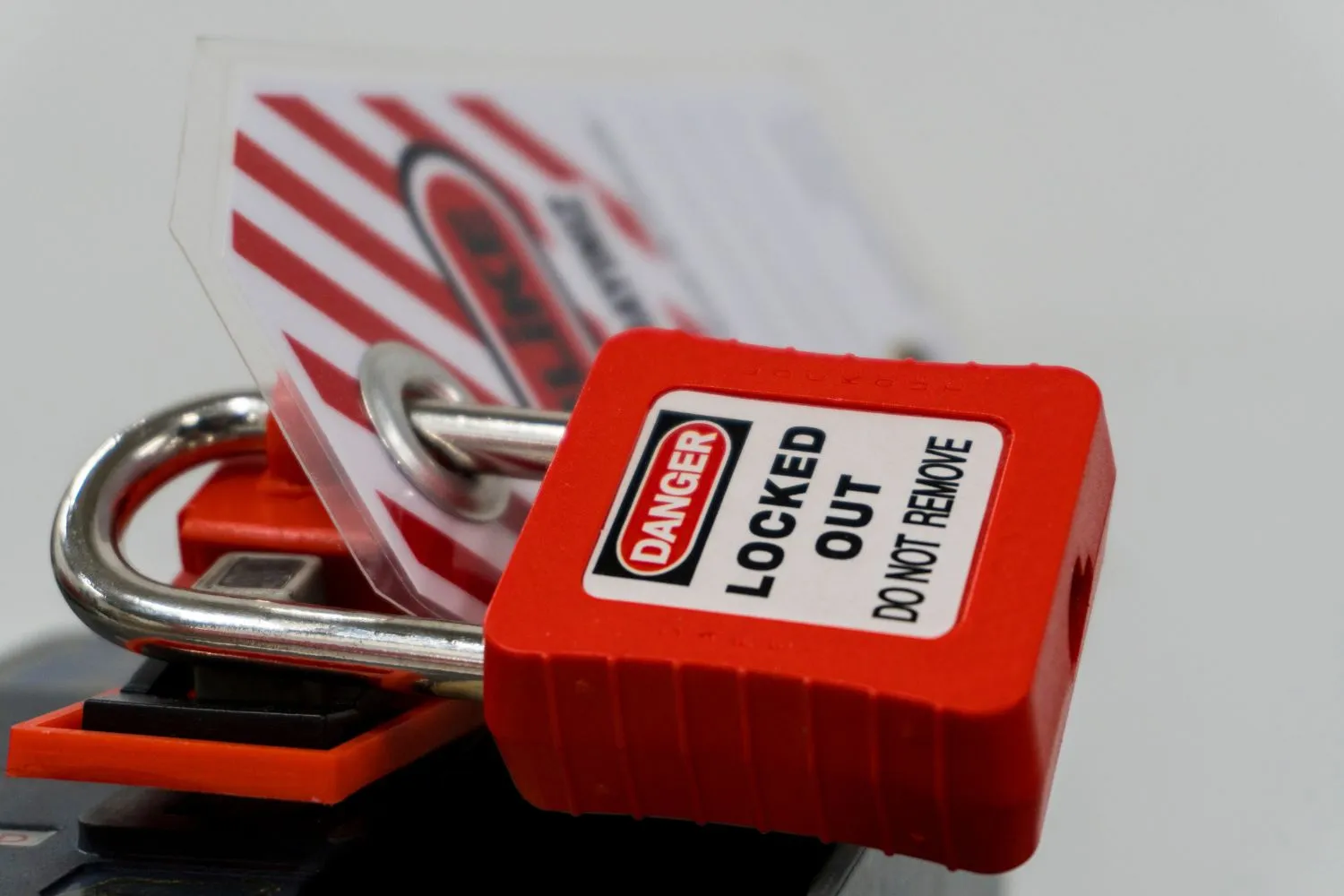
Ever found yourself scratching your head over what lockout equipment is and how it’s used? Don’t worry, you’re not the only one. We’ve all had a bit of a ‘Bluey’ moment when it comes to understanding the ins and outs of lockout/tagout procedures and exactly why they are so important for ensuring our workspace stays as safe as houses.
This blog post is here to give you a down-to-earth rundown on lockout equipment – explaining its purpose, different types, benefits and correct use with no waffle. Ready to get savvy about safety like never before?
Key Takeaways
- Lockout equipment is used to ensure the safety of employees during service or maintenance of equipment by preventing hazardous energy sources.
- The stages of lockout involve preparation, shutdown, isolation, and verification to effectively control energy sources and reduce the risk of accidents.
- Types of lockout devices include padlocks, lockout hasps, circuit breakers, valve locks, and plug locks. These devices provide a barrier against hazardous energy sources and help create a safer work environment.
- Employers have a responsibility to train their employees on lockout/tagout procedures and implement comprehensive programs to ensure workplace safety. Regular inspections and proper maintenance are also essential for the effective use of lockout equipment.
Understanding Lockout/Tagout
Lockout/Tagout is a safety procedure used to protect people from hazardous energy sources during service or maintenance of equipment.
Definition and purpose
Lockout/Tagout is a safety procedure we utilise to ensure the machines and equipment you’re working on remain inactive during service or maintenance.
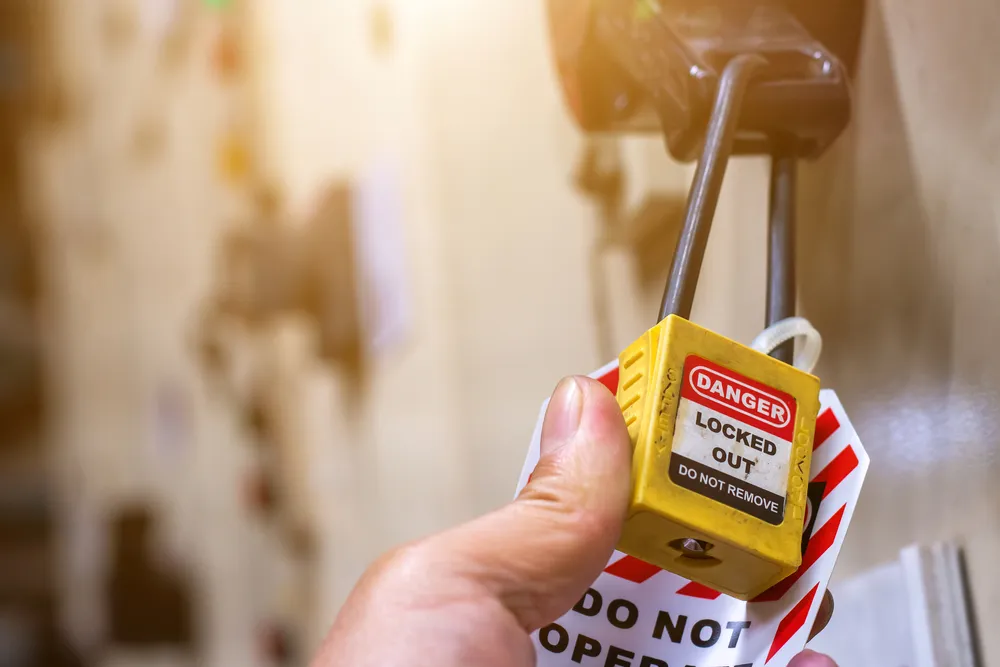
The purpose of this method is to protect you from hazardous energy sources that can cause accidents or injuries.
We deploy lockout devices like padlocks to secure these energy-isolating tools, while tagout devices inform everyone not to operate the equipment. The primary goal here isn’t just about complying with OSHA regulations – it’s about creating a safe environment for all homeowners dealing with machinery operations on their properties.
The stages of lockout
Lockout, a crucial procedure for ensuring workplace safety, involves several stages to effectively control hazardous energy sources. The first stage is preparation, where the authorised employee identifies and understands all energy sources associated with the equipment being serviced or maintained.
This includes electrical, mechanical, hydraulic, pneumatic, thermal, and other potentially hazardous energies. Next comes shutdown – the second stage – where the equipment is turned off using proper procedures to fully de-energise it.
After shutdown comes isolation – the third stage – where energy-isolating devices like switches or valves are securely locked or tagged out to prevent re-energisation. These lockout/tagout devices play a vital role in keeping employees safe by preventing any unauthorised use of machinery during maintenance work.
Lastly, verification is performed to ensure complete de-energisation before starting any work on the equipment.
By following these stages of lockout correctly and consistently as part of a comprehensive lockout/tagout program at your home or workplace, you can significantly reduce the risk of accidents and protect yourself from potential harm caused by unexpected startup of machinery.
Essential Lockout/Tagout Equipment
In this section, we will discuss the different types of lockout/tagout devices and highlight the benefits of using them to ensure equipment safety.
Types of devices
There are various types of devices used for lockout/tagout procedures to ensure the safety of employees. One commonly used device is a padlock, which is used to secure the energy-isolating device and prevent unauthorised use of equipment.
Other devices include lockout hasps, circuit breakers, valve locks, and plug locks. These devices are designed to be durable and tamper-resistant, providing an effective barrier against hazardous energy sources.
By using the appropriate lockout/tagout device for each specific piece of equipment, companies can create a safer work environment and prevent accidents or injuries caused by unexpected machine startup.
Benefits of using lockout equipment
Using lockout equipment has several benefits for homeowners. Firstly, it ensures the safety of you and your family by effectively controlling hazardous energy sources in machines and equipment.
This helps prevent accidents or injuries that could be caused by unexpected startup of machinery. Additionally, lockout devices such as padlocks are durable and tamper-resistant, providing an extra layer of security against unauthorised use of equipment.
By implementing proper lockout procedures and using lockout equipment, you can create a safer environment at home and reduce the risk of accidents.
Training and Implementation
Employers have a vital role in training their employees on lockout/tagout procedures to ensure the safe implementation and usage of lockout equipment.
Employer responsibilities
Employers play a vital role in ensuring the safety of their employees when it comes to lockout/tagout procedures. It is their responsibility to implement and enforce a comprehensive lockout/tagout program that includes written procedures, equipment inspections, and regular reviews.
By providing proper training to employees on how to properly use lockout devices and follow the established procedures, employers can create a safe work environment. Additionally, employers must ensure that all necessary resources are available for the effective implementation of the program.
This includes providing durable and tamper-resistant lockout devices that are designed to control hazardous energy sources effectively. Taking these responsibilities seriously can help prevent accidents or injuries in the workplace and contribute to overall workplace safety compliance with regulations like those set by OSHA (Occupational Safety and Health Administration).
Employee training
Employee training is a crucial aspect of implementing an effective lockout/tagout program. Companies must ensure that all employees receive proper training on the procedures and protocols for safely controlling hazardous energy.
This includes understanding the purpose of lockout/tagout, recognising different types of devices used, and knowing how to properly apply them. Training should also cover the importance of regular equipment inspections and maintenance to ensure everything remains in good working order.
By investing in thorough employee training, companies can significantly reduce the risk of accidents and create a safer work environment for everyone involved.
Lockout/Tagout program development
Developing a lockout/tagout program is an essential step in ensuring the safety of employees when working with machinery and equipment. Our goal is to create a comprehensive program that effectively controls hazardous energy sources and prevents accidents or injuries.
This includes providing training for employees, implementing written procedures, conducting regular equipment inspections, and consistently reviewing the effectiveness of the program.
By developing a strong lockout/tagout program, we can reduce the risk of accidents, improve workplace safety, and meet regulatory compliance requirements set by organisations like OSHA (Occupational Safety and Health Administration).
Effective Use of Lockout Equipment
Proper application and regular maintenance ensure effective use of lockout equipment, protecting workers from hazardous energy during servicing or repair tasks.
Proper application
To ensure the effectiveness of lockout/tagout procedures, proper application is essential.
This involves correctly using lockout devices, such as padlocks, to secure energy-isolating devices and prevent unauthorised use of equipment.
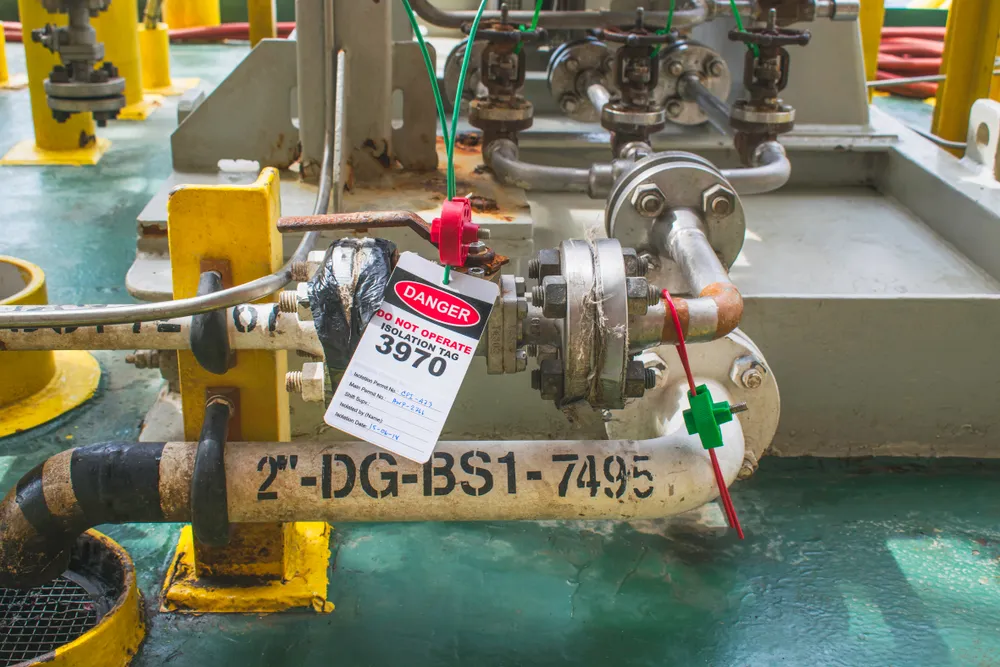
It also includes affixing tagout labels or tags to clearly communicate information about the work being done and why it is important. Proper application ensures that hazardous energy sources are effectively controlled, creating a safe work environment for both employees and homeowners.
By following the correct procedures and using the appropriate devices, potential accidents or injuries caused by unexpected startup of machinery can be prevented. Implementing proper lockout/tagout techniques is crucial in maintaining workplace safety and complying with occupational health regulations.
Maintenance and inspection
Regular maintenance and inspection of lockout/tagout equipment is crucial to ensure its effectiveness in protecting against hazardous energy sources. As responsible homeowners, we need to make it a priority to regularly check our lockout devices, such as padlocks, for any signs of wear or damage.
It’s important to remember that these devices need to be durable and tamper-resistant in order to prevent unauthorised use of equipment. In addition, conducting regular inspections of the energy isolating devices and tagout labels/tags will help us identify any potential issues or malfunctions that may compromise the safety of our employees or ourselves.
By staying proactive and vigilant with maintenance and inspection, we can uphold the highest standards of workplace safety in our homes.
Know More about Lockout Equipment
In conclusion, understanding and utilising lockout equipment is essential for ensuring workplace safety. By implementing proper lockout/tagout procedures and providing the necessary training, companies can effectively control hazardous energy sources and prevent accidents or injuries.
Investing in a strong lockout/tagout program not only promotes employee safety but also helps organisations remain compliant with safety regulations.