
Tag Out System · 19 February 2024
International Standards for Tag Out Systems
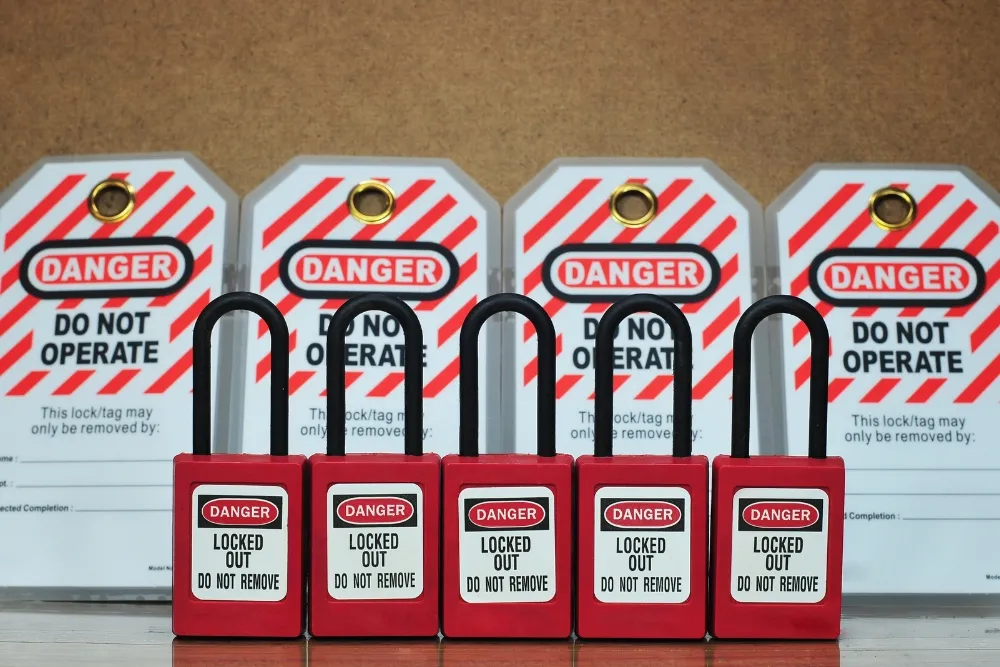
Ensuring that our homes and workplaces remain secure often means being vigilant about risks that aren’t immediately apparent. Having tackled the intricate issue of hazardous energy control myself, I’m well aware that it’s a bit like trying to grapple with a shadow.
That’s precisely where standards such as ISO 14118 come into play, they’re like having your own safety guard in place, making sure routine maintenance doesn’t end up in an unfortunate blunder.
In this yarn, we’ll unravel what you need to know about tag-out systems, their global benchmarks, perks, and how some straightforward measures can keep your space safer than a roo in the bush.
Key Takeaways
- To keep workers safe, tag-out systems must follow international standards such as ISO 14118 “Safety of Machinery” and ANSI/ASSE Z244.1, which provide guidelines for effective lockout-tagout procedures.
- High-quality lockout-tagout equipment is necessary to control hazardous energy during machinery maintenance, ensuring it’s durable and identifiable in accordance with global safety regulations.
- Training services are available to help home and office owners understand the importance of complying with safety regulations surrounding the control of hazardous energies, underlining the significance of investing in proper LOTO practices.
- Quality lockout devices come in many forms – padlocks, hasps, circuit breaker lockouts – all designed to prevent accidental machine start-ups and secure different types of energy isolation points effectively.
- Using quality lockout equipment reinforces a commitment to workplace safety by following strict international standards that help prevent accidents and promote a secure working environment.
Understanding Lockout-Tagout Analysis
Lockout-tagout analysis is about breaking down how to control hazardous energy when working on machinery maintenance. We look at the risks each piece of equipment poses and determine the best way to shut it down safely.
Energy control measures play a huge part in this process. They involve carefully planned steps aimed at cutting off electrical power or other energy sources completely before anyone starts a repair job.
It’s not just about slapping on a lock and tagging it; we’re talking precision here, making sure that once the ‘zero energy’ state is reached, there’s no chance for an unexpected startup.
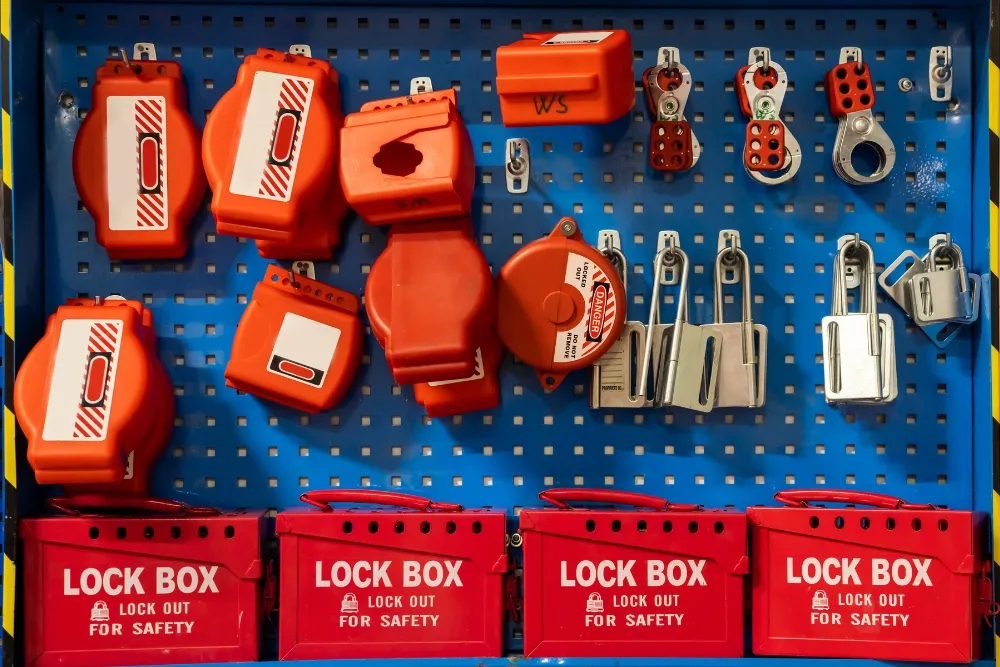
We also need to ensure these procedures meet international standards for tag-out systems, like those outlined by OSHA and mentioned in ISO 14118 “Safety of Machinery” as well as ANSI/ASSE Z244.1 guidelines.
These rules are non-negotiable because they protect us from getting hurt, or worse, while on the job. Using lockout-tagout devices isn’t just smart; it’s essential for creating safe working procedures where everyone goes home healthy at day’s end.
That means using high-quality locks and tags that are durable, standardised, substantial, and identifiable, and most importantly follow safety procedures down to every last detail required by equipment standards for workplace safety.
International Standards for Tag Out Systems
When it comes to tag-out systems, there are international standards that need to be followed to ensure the safety of machinery and equipment in various industries. These standards include ISO 14118 “Safety of Machinery” and ANSI/ASSE Z244.1, which provide guidelines for implementing effective lockout-tagout procedures.
ISO 14118 \”Safety of Machinery\”
ISO 14118 “Safety of Machinery” sets international standards for lockout-tagout systems to ensure workplace safety. This standard outlines the requirements for preventing unexpected machinery start-up, thus reducing risks and hazards in industrial settings.
Adhering to ISO 14118 ensures that lockout-tagout devices are durable, standardised, substantial, and easily identifiable, crucial aspects in maintaining a safe working environment.
Employers must comply with these regulations to prevent accidents and promote occupational safety.
Following these international standards is essential not only for worker protection but also for legal compliance with health and safety regulations. By implementing the guidelines set forth by ISO 14118 “Safety of Machinery,” employers can establish robust lockout-tagout procedures that effectively control hazardous energy during equipment maintenance or repair.
It is pivotal for office owners and homeowners alike to recognise the significance of adhering to such international standards when it comes to ensuring the safety of their employees and individuals within their respective spaces.
ANSI/ASSE Z244.1
Transitioning from the international standard for the safety of machinery to the ANSI/ASSE Z244.1, it’s crucial for home and office owners to understand the significance of this standard in ensuring workplace safety and hazard prevention.
The ANSI/ASSE Z244.1 plays a pivotal role in providing guidelines and procedures for controlling hazardous energy during maintenance or repair work on industrial equipment. By adhering to these standards, employers can effectively equip their workplaces with necessary lockout-tagout devices, contributing to a safer environment that complies with international safety standards.
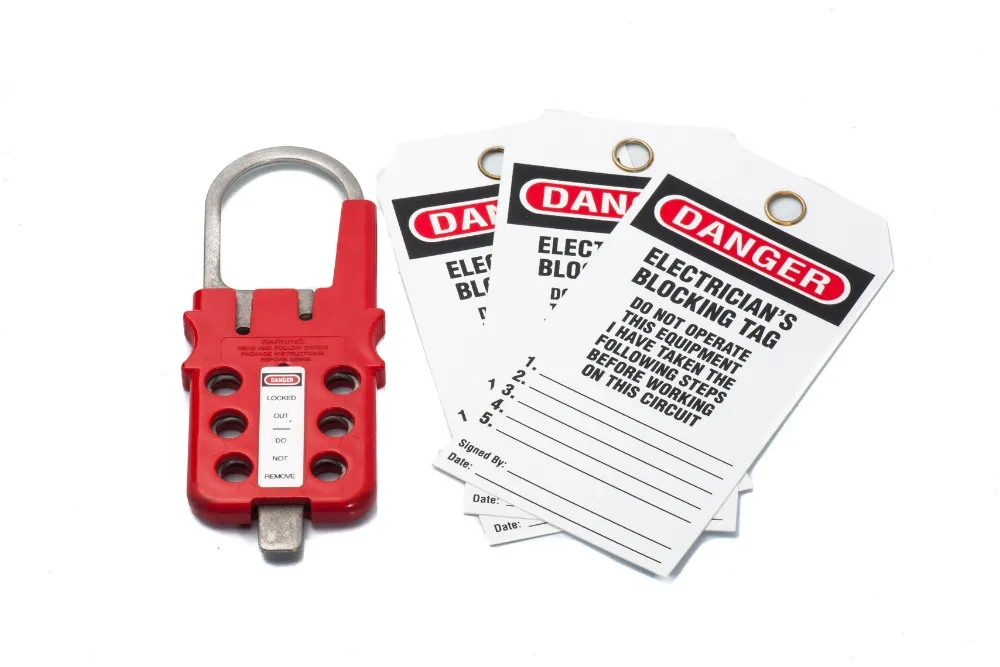
Complying with Lockout Equipment Standards
When it comes to complying with lockout equipment standards, it is important to understand the significance of LOTO and how it can prevent hazardous power from causing harm. Consulting and training services are available to ensure that you are up to date with workplace regulations and the benefits of compliance.
Importance of LOTO
International safety standards highlight the importance of Lockout-Tagout (LOTO) procedures in preventing hazardous energy accidents during maintenance or repair of machinery. Adhering to LOTO guidelines helps control and mitigate potential workplace risks, thereby ensuring a safe working environment for employees.
It is crucial for employers to comply with LOTO regulations, provide proper training, and use standardised lockout-tagout devices to prevent unexpected start-ups and safeguard against electrical hazards.
Employers also need to understand that using high-quality lockout equipment that meets international standards such as ISO 14118 and ANSI/ASSE Z244.1 is essential for effective hazard prevention.
Compliance not only protects workers but also reflects a commitment to upholding workplace safety regulations on an international level. Therefore, investing in LOTO compliance ensures both regulatory adherence and employee well-being.
Consulting and Training Services
To ensure compliance with international standards for tag-out systems, we offer consulting and training services. Our comprehensive programmes cover all aspects of lockout tagout procedures, emphasising the importance of equipment isolation and hazard control. Our services aim to equip home and office owners with the necessary knowledge and skills to implement effective lockout-tagout measures.
- We provide in-depth guidance on OSHA standards for durable and standardised tag-out systems, focusing on substantial equipment that can be easily identified and used.
- Our training programmes emphasise the essential role of lockout tagout (LOTO) devices in preventing hazardous energy exposure during maintenance or repair of machinery.
- Through our consulting services, we highlight the significance of using a tag-out system in conjunction with physical lockout mechanisms to enhance workplace safety.
- We address the key international standards such as ISO 14118 “Safety of machinery” and ANSI/ASSE Z244.1, offering insights into their specific requirements for tag-out systems.
- Employing our training services, we underscore the need for employers to provide comprehensive education on lockout-tagout procedures to ensure employee safety and compliance with international standards.
Benefits of Compliance
Complying with international standards for tag-out systems ensures workplace safety and prevents accidents. Employers benefit by reducing the risk of unexpected start-ups, thereby protecting employees from hazardous energy during maintenance or repair of machinery.
Compliance with these regulations also fosters a culture of safety in the workplace, promoting employee trust and satisfaction.
Ensuring compliance with lockout-tagout procedures is not only crucial for preventing accidents but also demonstrates a commitment to employee well-being. By adhering to international standards, employers can mitigate potential risks associated with machinery operation, safeguarding both personnel and company assets.
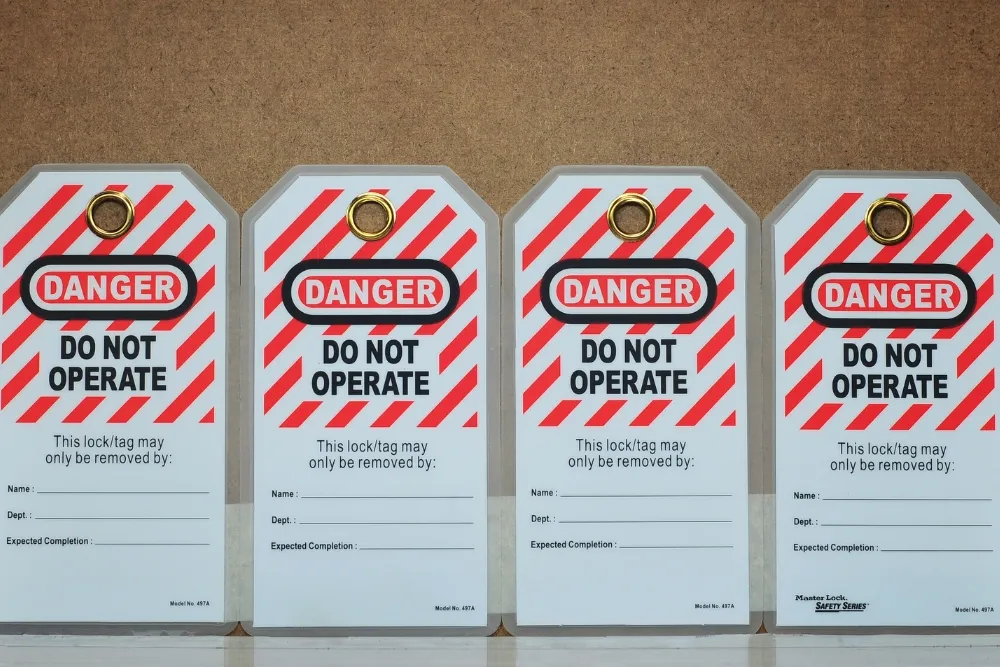
High-Quality Lockout Equipment
Investing in high-quality lockout equipment is essential for ensuring the safety of electrical installations and minimising the risks associated with lock-off and tag-off procedures.
Types of Lockout Devices
- Padlocks: Sturdy and versatile, padlocks are commonly used to secure energy isolation points. They come in various colours and keying options for easy identification and management.
- Lockout Hasps: These devices allow multiple workers to attach their padlocks to the same energy isolation point, providing additional safety measures during maintenance tasks.
- Circuit Breaker Lockouts: Designed to fit over circuit breakers, these lockouts prevent accidental switches by physically blocking access to the breaker’s handles.
- Valve Lockouts: Used to secure valves in the off position, valve lockouts are available in different sizes and designs to accommodate various types of valves.
- Cable Lockouts: Ideal for securing large or irregularly shaped equipment, cable lockouts offer flexible locking options and can be used in conjunction with other lockout devices.
- Plug Lockouts: These devices prevent the insertion of electrical plugs into outlets, ensuring electrical safety during maintenance operations.
- Ball Valve Lockouts: Specifically designed for ball valves, these lockouts provide quick and efficient immobilisation of ball valves with minimal effort.
- Gate Valve Lockouts: Suitable for gate valves, these lockout devices effectively prevent unauthorised operation while maintenance work is being carried out.
Importance of Using Quality Equipment
Transitioning from understanding the different types of lockout devices, it is imperative to emphasise the importance of using high-quality equipment for effective tag-out systems.
Quality equipment ensures durability and reliability, meeting international standards such as ISO 14118 \\”Safety of Machinery\\” and ANSI/ASSE Z244.1. This compliance guarantees that lockout-tagout (LOTO) devices are substantial, standardised, and easily identifiable, thus enhancing workplace safety and risk management for both homeowners and office owners.
Employers must prioritise the use of quality LOTO devices to control hazardous energy during maintenance or repair activities effectively. Investing in robust lockout equipment not only demonstrates a commitment to employee safety but also aligns with international standards that advocate for zero energy usage to reduce machinery risks.
Customised Tagout Solutions for Every Environment!
In conclusion, adhering to international standards for tag-out systems is essential for workplace safety. Employers must provide high-quality lockout equipment and comprehensive training to ensure compliance with ISO 14118 and ANSI/ASSE Z244.1 standards.
Using lockout-tagout devices in conjunction with proper tagging procedures reduces the risk of accidents and ensures the well-being of employees. Compliance with these standards not only prevents unexpected start-ups but also promotes a culture of safety within the workplace
Stay ahead of global safety standards with the Tag Out System. Our comprehensive solutions align with international standards for tag-out systems, ensuring compliance and peace of mind across borders. Upgrade your safety protocols to meet the highest industry benchmarks. Contact us today to implement internationally recognised tag-out systems and elevate workplace safety to new heights.