
LockOut Equipment · 28 October 2023
International Standards for LockOut Equipment
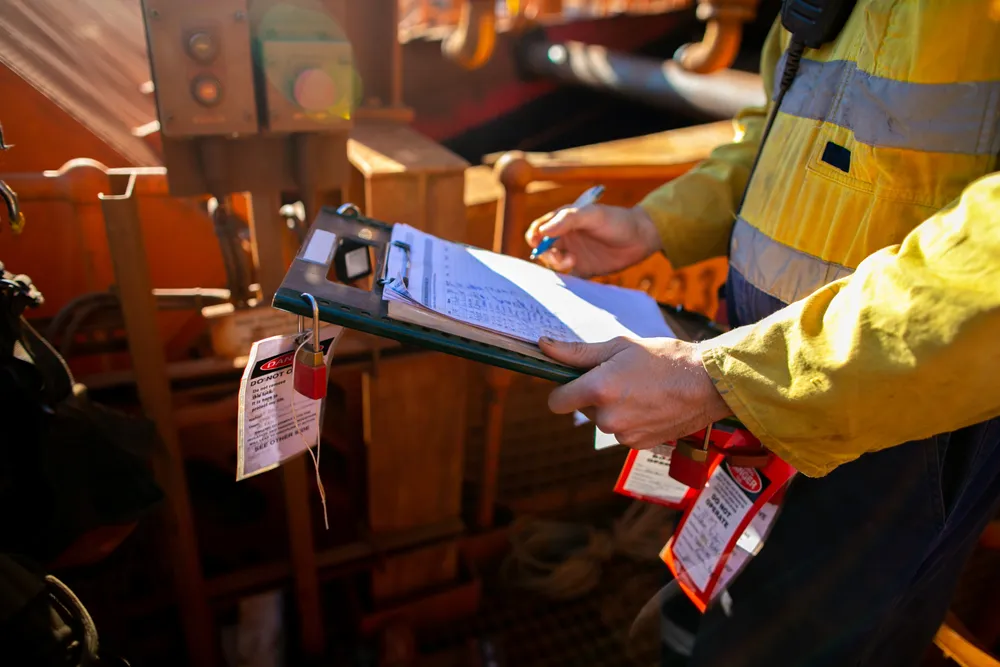
Feeling a bit fed up with the seemingly endless instructions on how to safely manage hazardous energy at work? We get it. The reality is, that about 10% of serious accidents are due to not correctly controlling hazardous energy.
That’s why we’ve tackled the intricate world of international standards for LockOut Equipment and have broken it down into easy-to-understand lingo, especially for you. Get ready – making hazard prevention will soon be as simple as flicking a switch!
Key Takeaways
- Lockout-Tagout is a safety procedure used to prevent unexpected start-up of machinery during maintenance or repair work, reducing the risk of accidents.
- International standards for lockout equipment, such as ISO 14118 and ANSI/ASSE Z244.1, provide guidelines on how to effectively control hazardous energy sources and ensure workplace safety.
- Compliance with these standards helps increase workplace safety, reduce the risk of accidents, and demonstrate adherence to regulatory bodies’ requirements.
- Core competencies, consulting services, and training programs like GT Engineering Academy are available to assist companies in complying with lockout equipment standards.
What is Lockout-Tagout?
Lockout-Tagout is a safety procedure used to prevent the unexpected startup of machinery or equipment during maintenance or repair, ensuring zero energy and reducing the risk of accidents.
Definition
In layman’s terms, lockout-tagout is a set of safety procedures designed to protect workers from the unexpected energisation or start-up of machinery and equipment during service or maintenance.
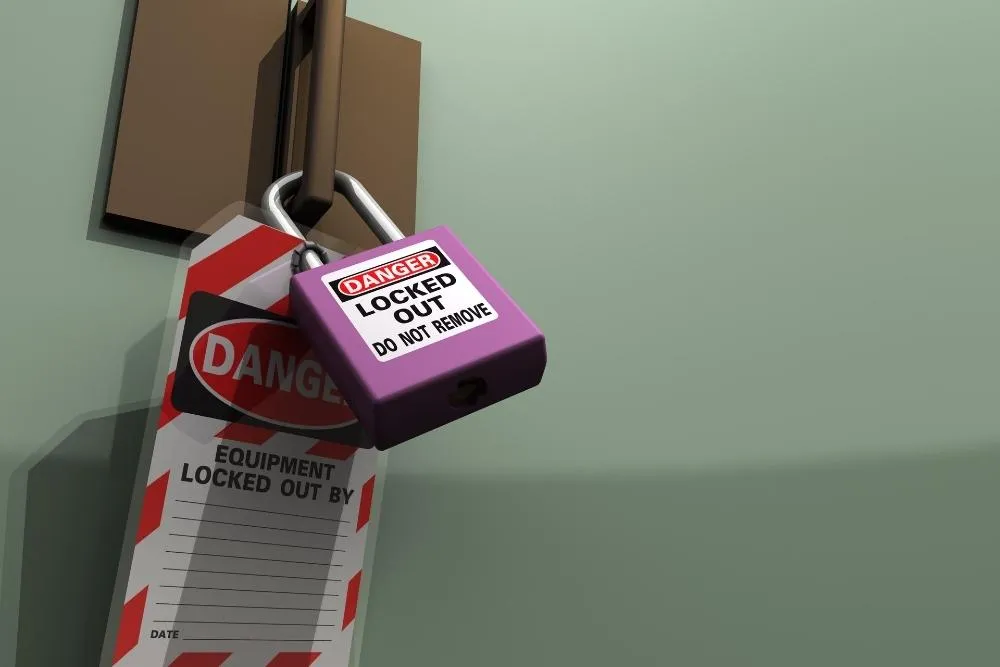
At its core, it revolves around the principle of ‘Zero Energy’, where all energy sources connected to a piece of machinery are isolated, ensuring that it cannot be accidentally activated.
The use of devices known as lockouts and tagouts forms part of this process; essentially helping us neutralise any hazardous energy source before commencing work on machinery. This concept is not just important, it’s required by law under regulatory standards like ISO 14118 for safe workplace practices.
Purpose
Lockout-tagout procedures and practices serve a vital purpose in ensuring workplace safety. The primary objective of these measures is to prevent unexpected start-up of machinery or equipment, as well as the release of hazardous energy during maintenance or repair work.
By implementing lockout-tagout protocols, homeowners can effectively control and isolate dangerous energy sources, reducing the risk of accidents and injuries to themselves and others.
Compliance with international standards for lockout equipment is essential for creating a safe environment when working on electrical or mechanical systems at home. So remember, following proper lockout-tagout procedures is crucial for your own well-being and the safety of those around you!
Importance for workplace safety
Ensuring workplace safety is of utmost importance in any industry. One crucial aspect of maintaining a safe work environment is the implementation of lockout-tagout procedures and practices.
These measures are designed to control hazardous energy in machinery, preventing unexpected start-ups and the release of dangerous energy during maintenance or repair work. By complying with international standards for lockout equipment, employers can significantly reduce the risk of accidents and injuries, protecting their employees and promoting a culture of safety in the workplace.
International Standards for Lockout Equipment
There are two main international standards for lockout equipment that ensure workplace safety, ISO 14118 and ANSI/ASSE Z244.1.
ISO 14118
ISO 14118 is an important international standard that focuses on the principle of “Zero Energy” to prevent hazards while operating machinery. This standard provides guidelines for locking and tagging out equipment during maintenance or repair work, ensuring that hazardous energy sources are effectively controlled.
By following ISO 14118, homeowners can implement necessary measures to reduce risks and protect themselves from accidents when working with machinery. It is crucial to comply with this standard in order to ensure safety and prevent unexpected start-ups, thus minimising the potential for injuries or damage.
ANSI/ASSE Z244.1
The ANSI/ASSE Z244.1 standard is an important international guideline for lockout equipment. It provides detailed procedures and practices to control hazardous energy sources during maintenance or repair work.
This standard helps ensure the safety of homeowners and workers by outlining clear steps to prevent unexpected start-up of machinery and the release of hazardous energy. By following the guidelines set forth in ANSI/ASSE Z244.1, homeowners can effectively protect themselves from accidents and injuries while performing maintenance tasks on their equipment.
Compliance with ANSI/ASSE Z244.1 ensures that lockout devices used at home are durable, standardised, substantial, and easily identifiable according to industry standards. This reduces the risk of accidental activation of machinery or release of hazardous energy, preventing potential harm to individuals working on repairs or maintenance tasks.
The standard also emphasises the importance of proper training in lockout procedures, ensuring that homeowners have the knowledge and skills necessary to use lockout equipment correctly.

Compliance with Lockout Equipment Standards
To comply with lockout equipment standards, companies must possess core competencies, seek professional consulting services, and enrol employees in training programs such as GT Engineering Academy.
Core competencies
Our core competencies are the essential skills and knowledge we possess to ensure proper compliance with lockout equipment standards. With our expertise, we can provide guidance on understanding and implementing the necessary safety procedures and practices.
Our focus is on training programs through GT Engineering Academy, ensuring that homeowners have the necessary skills to effectively control hazardous energy sources during maintenance or repair work.
By acquiring these core competencies, you can enhance workplace safety and minimise the risk of accidents or injuries.
Consulting services
Our consulting services are designed to provide expert guidance and support in ensuring compliance with international standards for lockout equipment. We understand that navigating the regulations can be complex, which is why our team of professionals is here to assist you every step of the way.
Whether you need assistance in identifying the appropriate lockout devices for your machinery or developing effective lockout procedures, we have the knowledge and expertise to help you meet safety requirements.
With our consulting services, you can trust that your workplace will be equipped with the necessary measures to prevent accidents and protect your employees from hazardous energy sources.
Training programs (GT Engineering Academy)
At the GT Engineering Academy, we offer comprehensive training programs that focus on lockout equipment and procedures. Our courses are designed to provide homeowners with the knowledge and skills necessary to safely control hazardous energy during maintenance or repair work.
Through interactive sessions, participants will learn about the importance of complying with international lockout standards, such as ISO 14118 and ANSI/ASSE Z244.1.
Our instructors, who are experts in lockout-tagout practices, will guide you through practical exercises and real-life scenarios to ensure a thorough understanding of lockout procedures.
By participating in our training programs, you will gain the confidence to apply these safety measures when working with machinery or equipment that may pose risks due to hazardous energy sources.
We believe that proper training is key to preventing accidents and injuries in the workplace. That’s why we strive to equip homeowners like you with the necessary skills needed for effective hazard control through our specialised programs at GT Engineering Academy.
Benefits of Complying with Lockout Equipment Standards
By complying with lockout equipment standards, companies can experience increased workplace safety, reduced risk of accidents, and compliance with regulatory bodies. Read more to learn about the importance of following international standards for lockout equipment and how seeking professional guidance can help ensure compliance.
Increased workplace safety
Ensuring workplace safety is of utmost importance, as it protects both employees and employers from potential hazards and accidents. By complying with international standards for lockout equipment, such as ISO 14118 and ANSI/ASSE Z244.1, we can significantly increase workplace safety.
These standards provide guidelines on how to effectively control hazardous energy sources during maintenance or repair work, preventing unexpected start-ups and reducing the risk of accidents.
Implementing lockout tagout procedures and using proper lockout devices are crucial steps in ensuring employee safety while working with machinery or equipment. Compliance with these standards not only reduces the likelihood of injuries but also helps organisations meet regulatory requirements for workplace safety regulations.
Reduced risk of accidents
Complying with international standards for lockout equipment significantly reduces the risk of accidents in the workplace. By implementing proper lockout-tagout procedures and using standardised devices, such as durable and identifiable locks and tags, we can effectively control hazardous energy sources during maintenance or repair work.
This helps prevent unexpected start-ups of machinery and avoids potential injuries from released energy. Adhering to lockout equipment standards ensures the safety of employees and minimises accidents that could cause serious harm.
Compliance with regulatory bodies
Compliance with regulatory bodies is crucial when it comes to lockout equipment standards. Various workplace safety regulations and guidelines are established by these bodies to ensure the health and well-being of employees.
By following these regulations, homeowners can create a safe working environment and reduce the risk of accidents or injuries. It is important for homeowners to familiarise themselves with the specific rules that apply to their industry and ensure that all lockout equipment used meets the required standards.
Compliance not only helps in preventing unexpected start-ups and hazardous energy releases but also demonstrates a commitment towards employee safety and overall workplace compliance.
Moreover, complying with regulatory bodies ensures that homeowners meet legal requirements related to lockout-tagout procedures. This means having proper control measures in place when it comes to controlling hazardous energy sources during maintenance or repair work on machinery or equipment.
By adhering to these standards, homeowners demonstrate their commitment towards providing a safe working environment for everyone involved, reducing the risk of accidents and potential liabilities associated with non-compliance.
Try Out High-Quality Lockout Equipment
In conclusion, it is vital for workplaces to adhere to international standards for lockout equipment in order to ensure the safety of employees and prevent accidents. Seeking professional guidance and complying with these standards can significantly reduce the risk of unexpected start-up and release of hazardous energy during maintenance or repair work.