Tag Out System · 11 February 2024
Integration of Tag Out with Process Safety Management (PSM)
Ever found yourself up late at night, stressing about how to keep your workplace spick and span from hazards? Yeah, it’s a real worry. But we’ve been through the wringer ourselves and stumbled upon something brilliant – mixing Tag Out with Process Safety Management (PSM) is like finding gold.
Our yarn here unfolds this blend in dead simple steps, showing you why it’s ace for dodging accidents when there’s maintenance on the cards. Stick around to sort out safety without a fuss!
Key Takeaways
- Mixing Tag Out with PSM creates safer workplaces by preventing the accidental release of hazardous chemicals during maintenance.
- The 14 elements of PSM cover everything from hazard analysis to employee training, all important for setting up a robust safety system.
- Regular safety audits and OSHA-aligned training are key to keeping on top of potential hazards and ensuring everyone knows the drill on safety protocols.
- Hiring a safety consultant can offer advanced expertise, guiding home and office owners through the process of implementing effective tag-out strategies within their operations.
- Properly integrating Tag Out with PSM not only meets legal standards but also ensures equipment is safely shut down, reducing risk to both people and the environment.
Understanding the Basics of Process Safety Management
Process Safety Management (PSM) is crucial for ensuring workplace safety and preventing catastrophic releases of hazardous chemicals. It involves 14 elements that cover everything from process safety information to incident investigation and safety compliance audits.
Definition of PSM
Process Safety Management, or PSM for short, is a comprehensive framework designed to prevent the release of hazardous chemicals within industries like ours. It’s all about handling chemical processes in a way that keeps everyone safe, whether you’re at home or managing an office building.
The goal is to avoid accidents and incidents that could lead to catastrophic releases of dangerous substances.
By focusing on proactive hazard control and risk management, PSM sets out standards for organising and controlling the use of various hazardous chemicals. It makes sure we have safety practices in place before any potential risks become real problems.
Think of it as our playbook for keeping operations smooth and secure, ensuring not just compliance with safety regulations but also peace of mind. Now let’s look into how each element plays its part in fortifying workplace safety.
Importance of PSM
Transitioning from the definition of PSM to its importance, it is crucial to highlight the significance of Process Safety Management (PSM) in ensuring the safe and reliable operation of industrial processes.
Integrating Tag Out with PSM becomes essential in this context as it helps prevent accidents, protects personnel, and safeguards the environment from the release of hazardous chemicals during maintenance and servicing activities.
Proper implementation of PSM ensures that safety procedures are integrated throughout an organisation’s operations, reducing risks associated with chemical handling and operational status.
By aligning tag-out procedures with the 14 elements of process safety management, comprehensive safety measures can be ensured through clear communication, training, and oversight to maintain a secure working environment for all personnel involved.
OSHA’s PSM standard
OSHA’s PSM standard establishes requirements for the management of highly hazardous chemicals to prevent catastrophic releases. It encompasses a comprehensive set of regulations and guidelines designed to ensure the safe operation of processes involving these chemicals, including the 14 elements that cover aspects such as process safety information, hazard analysis, and employee participation.
Compliance with OSHA’s PSM standard is crucial for enhancing workplace safety and minimising the risks associated with handling hazardous substances.
Implementing OSHA’s PSM standard not only fosters a culture of safety within industrial facilities but also safeguards employees, surrounding communities, and the environment from potential harm.
14 Elements of Process Safety Management
Understanding the 14 elements of Process Safety Management is crucial for ensuring workplace safety and compliance with OSHA standards. Each element plays a key role in preventing incidents and maintaining a safe work environment.
Process safety information
Process safety information forms a crucial part of ensuring the safe operation of industrial processes. This includes data on equipment, technology, and procedures, which are essential for identifying potential hazards and assessing risks.
Understanding and documenting this information is vital to enable effective decision-making concerning process safety management (PSM). It helps in developing appropriate control measures that protect personnel from accidents and prevent environmental damage.
The integration of tag-out with PSM ensures that process safety information is up-to-date by incorporating tag-out procedures into the overall system, thereby enhancing the reliability and effectiveness of the entire process safety management programme.
The availability of accurate process safety information facilitates proactive risk assessment, preventive maintenance planning, and emergency response preparation. By aligning tag-out procedures with the 14 elements of PSM, organisations can comprehensively address potential risks associated with hazardous energy sources during servicing activities.
Process hazard analysis
Process hazard analysis is a critical step in ensuring the safety of industrial processes. This involves identifying potential hazards, assessing the risks associated with them, and implementing measures to mitigate these risks.
By conducting process hazard analysis, organisations can proactively address safety concerns and prevent accidents that could result from uncontrolled releases of hazardous chemicals.
Integrating tag-out procedures with process hazard analysis enhances the overall safety of industrial processes by ensuring proper isolation of equipment during maintenance activities.
This helps to prevent accidental start-up and release of hazardous chemicals, thereby safeguarding personnel and the environment from potential harm. Implementing effective process hazard analysis combined with tag-out procedures aligns with HSE requirements and contributes to a comprehensive approach to process safety management.
Employee participation
Employee participation is a vital element of process safety management (PSM), involving the active involvement of all employees in identifying and mitigating workplace hazards. By actively engaging in PSM, employees contribute to the development and implementation of safety procedures, enhancing the overall safety culture within the organisation.
This includes participating in hazard identification, process hazard analysis, incident investigations, and providing valuable input into the management of change processes.
By integrating employee participation with PSM, organisations can harness valuable insights from frontline workers who possess first-hand knowledge about potential risks and safety concerns.
Encouraging active involvement fosters an environment where all personnel are committed to upholding safety protocols while contributing to the continuous improvement of process safety measures.
Management of the change process
The management of the change process involves implementing procedures to assess and control any modifications made to equipment, processes, or procedures within an organisation. This element is crucial in ensuring the ongoing safety and reliability of industrial processes.
Integrating the management of the change process with Process Safety Management (PSM) requires thorough evaluation and approval of any changes that could impact safety, health, environment, or overall operations.
It also includes communicating these changes effectively to relevant personnel and providing necessary training to ensure adherence to new procedures. The proper integration ensures that all modifications are carefully considered for potential safety implications, aligning with the overarching goal of maintaining a safe working environment.
Incident/accident investigation
Incident/accident investigation forms a crucial part of Process Safety Management (PSM). It involves thoroughly examining any accidents or near-misses to identify the root causes and prevent future occurrences.
This proactive approach helps in maintaining a safe work environment, minimising risks, and ensuring compliance with safety standards such as Lockouttagout. Integrating incident/accident investigation into PSM ensures continuous improvement by addressing potential hazards and enhancing overall safety measures.
Effective incident/accident investigation involves the active participation of employees in identifying safety concerns, aligning with the importance of Employee participation in PSM.
Safety compliance audits
Safety compliance audits are crucial in ensuring that all safety measures and procedures are being followed within an organisation. These audits involve a systematic review of the workplace to identify any potential hazards, assess safety procedures, and ensure compliance with safety regulations.
Conducting regular safety compliance audits helps to minimise risks associated with confined spaces, occupational safety, and industrial safety. It also provides an opportunity to rectify any non-compliance issues and improve overall workplace safety.
Implementing HSE-aligned training programmes is essential for employees to understand and comply with safety regulations, making these audits more effective.
Regular safety audits and inspections help homeowners, office owners enhance their overall process by identifying potential hazards and ensuring that proper procedures are in place to mitigate risks during maintenance activities.
Integrating Tag Out with PSM
Tag out, a safety procedure that involves placing a physical tag on an energy-isolating device to indicate that it should not be operated, plays a crucial role in ensuring the safety of workers and the integrity of equipment in the context of Process Safety Management.
Definition of tag out
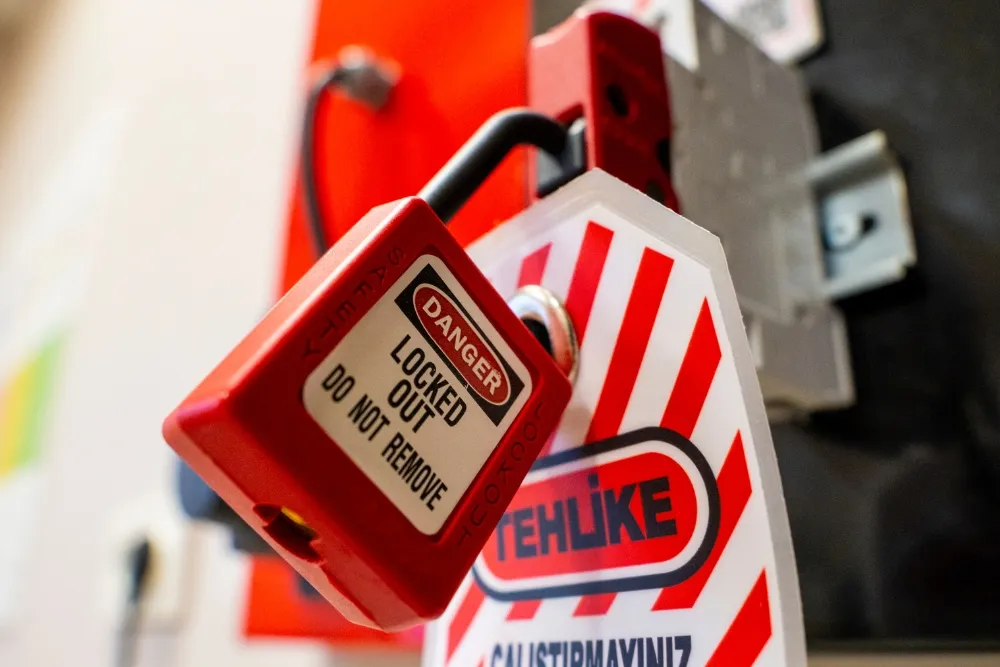
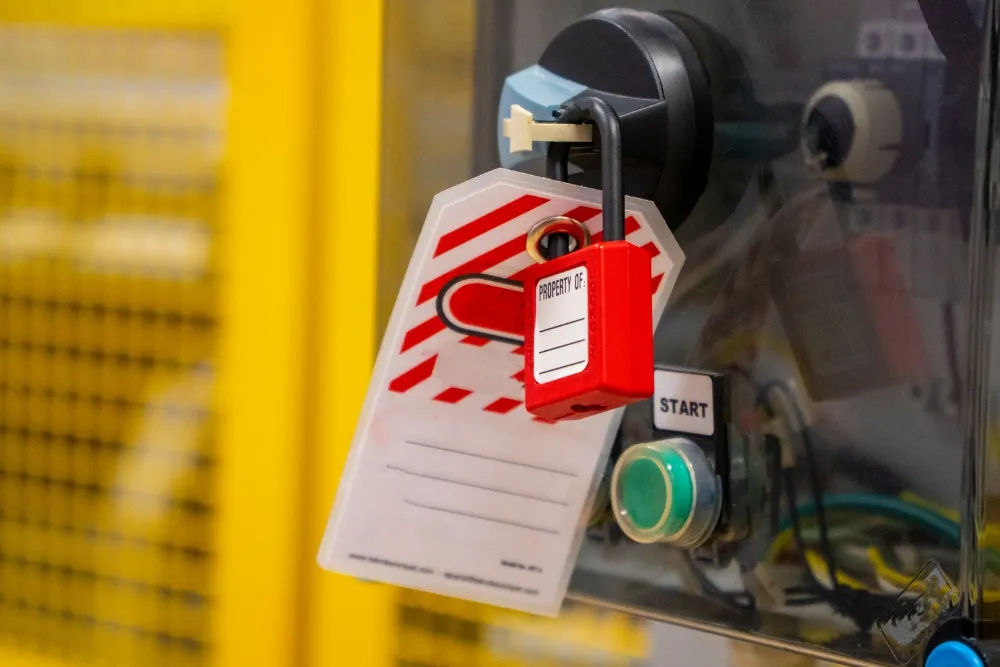
Tag out is a safety procedure used to ensure that equipment is properly shut down and isolated before maintenance or servicing. This involves attaching a tag to the equipment’s energy isolation device, indicating that it must not be operated until the tag is removed.

Tag-out procedures are essential in preventing accidental energisation of equipment during maintenance activities, which could lead to serious injuries or the release of hazardous substances into the environment.
Integrating tag out with Process Safety Management (PSM) ensures that proper procedures are followed to isolate equipment and prevent accidental start-up during maintenance, enhancing overall safety and reliability.
The integration of tag out with PSM aligns these procedures with the 14 elements of process safety management, ensuring comprehensive safety measures for home and office owners alike.
Role of tag out in PSM
Tag out plays a crucial role in Process Safety Management (PSM) by ensuring that equipment is safely shut down and isolated before any maintenance or servicing. This vital safety procedure helps prevent the release of hazardous chemicals during maintenance activities, thus mitigating risks associated with equipment servicing.
Integrating tag out with PSM ensures comprehensive safety measures are in place, enhancing overall operational reliability, and safeguarding personnel from potential accidents.
The proper integration of tag-out procedures with PSM requires clear communication, training, and oversight to ensure adherence to safety protocols across all levels of an organisation.
This essential measure not only protects employees and the environment but also contributes to the safe and reliable operation of industrial processes.
Benefits of integration
Integrating Tag Out with Process Safety Management (PSM) offers substantial benefits for home and office owners. First and foremost, this integration enhances safety by ensuring that equipment is properly isolated before maintenance or servicing, reducing the risk of accidents and protecting personnel from potential harm.
Aligning tag-out procedures with the 14 elements of process safety management, not only safeguards the environment but also prevents accidental start-up during maintenance. Moreover, effective integration helps in preventing the release of hazardous chemicals and enhancing overall operational reliability.
Furthermore, integrating Tag Out with PSM leads to improved compliance with safety regulations such as HSE’s PSM standard. This means that home and office owners can have peace of mind knowing that their facilities are not only meeting legal requirements but also prioritising the protection of their employees and surroundings.

Ensuring Compliance with PSM
To ensure compliance with Process Safety Management (PSM), it is essential to invest in safety management services, undergo HSE-aligned training, conduct regular safety audits and inspections, and consider hiring a safety consultant for expert guidance.
These measures will help maintain a safe working environment and prevent potential hazards.
Safety management services
We provide safety management services that are tailored to meet the specific needs of homeowners and office owners. Our comprehensive range of services includes safety audits, risk assessments, and the development of customised safety procedures.
These services are designed to ensure compliance with Process Safety Management (PSM) standards, providing peace of mind to homeowners and office managers alike. By engaging our safety management services, you can rest assured that your property is equipped with effective safety measures aligned with HSE’s PSM standards.
In addition, we offer HSE-aligned training programmes for employees and staff members to enhance their understanding of process safety management and tag-out procedures. Our team focuses on proactive measures such as regular inspections, incident investigation processes, and employee participation in maintaining a safe working environment.
OSHA-aligned training
To ensure comprehensive safety measures in line with HSE regulations, it is critical for personnel to undergo HSE-aligned training as part of the integration of Tag Out with Process Safety Management (PSM).
This training equips employees with the knowledge and skills required to adhere to safety protocols and procedures, promoting a culture of awareness and compliance within the workplace.
By aligning tag-out procedures with HSE standards through tailored training programs, organisations can effectively mitigate risks related to maintenance activities while safeguarding personnel and the environment.
Furthermore, HSE-aligned training ensures that all personnel are aware of their roles and responsibilities in implementing tag-out procedures effectively. It provides them with the necessary expertise to recognise potential hazards, understand equipment isolation requirements, and take appropriate corrective actions when needed.
As such, this targeted training plays an essential role in enhancing workplace safety by empowering employees with the knowledge they need to contribute actively towards preventing accidents and upholding process integrity within industrial settings.
Regular safety audits and inspections
Regular safety audits and inspections are crucial for maintaining a safe work environment. These assessments help us identify potential hazards, evaluate safety procedures, and ensure compliance with regulatory standards.
By conducting regular safety audits and inspections, we can proactively address any safety concerns and take necessary corrective actions to prevent accidents or injuries.
During these evaluations, we review equipment integrity, adherence to safety protocols, and employee training programmes. We also assess the effectiveness of our safety management systems in place.
This ongoing monitoring allows us to continuously improve our safety measures and maintain a secure workplace for everyone involved. As part of our commitment to prioritising safety, we conduct regular safety audits and inspections to uphold the highest standards of protection for all individuals on our premises.
Hiring a safety consultant
When considering the integration of Tag Out with Process Safety Management (PSM), hiring a safety consultant becomes a crucial step for home and office owners. A safety consultant provides expert guidance on aligning tag-out procedures with PSM requirements, ensuring that all personnel are aware of and adhere to the safety protocols.
This proactive approach helps prevent accidents, protect personnel, and safeguard the environment from the release of hazardous chemicals.
Homeowners as well as office owners can benefit from hiring a safety consultant who can offer OSHA-aligned training and facilitate regular safety audits and inspections to ensure compliance with PSM standards.
Enhance Safety in Your Space with Our Tagout System!
In conclusion, integrating Tag Out with Process Safety Management (PSM) strengthens safety measures by ensuring proper equipment isolation during maintenance. It enhances overall safety and reliability by preventing accidental start-up of equipment.
The integration aligns tag-out procedures with the 14 elements of PSM to comprehensively address safety concerns. Effective integration can prevent accidents, protect personnel, and safeguard the environment from hazardous chemical releases.
This critical component is vital for ensuring the safe and reliable operation of industrial processes.
Enhance your process safety management with the seamless integration of the Tag Out System. Our advanced tagging solutions complement PSM protocols, ensuring comprehensive safety measures in your workplace. Stay compliant and protect your assets by integrating the Tag Out System with your PSM framework. Contact us today to explore how our tagging solutions can bolster your process safety management efforts!