
LockOut Equipment · 2 March 2024
Integration of Tag Out with Overall Safety Protocols
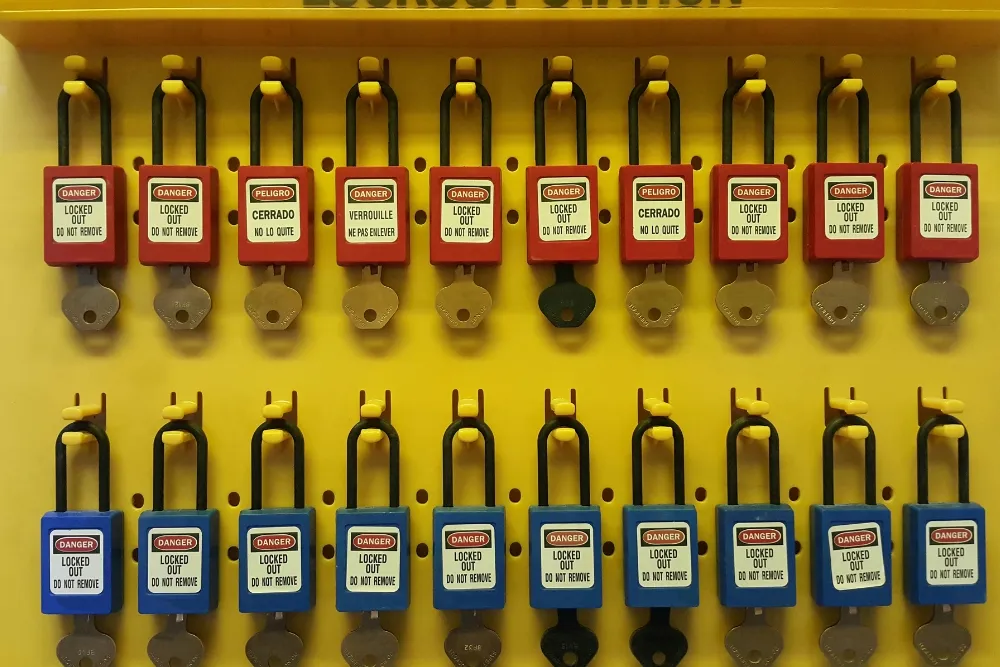
Dealing with machinery certainly comes with its fair share of risks. We’re all on the same page when it comes to wanting our spaces, be it at home or in the office, to be as safe as can be.
Like many Aussies, we understand the challenges that come with making sure our equipment stays off when it’s supposed to; heaps of studies highlight that having a solid energy isolation process is crucial for avoiding mishaps.
This article’s going to have a yarn about how weaving Tag Out into your safety procedures can bring a sense of security, putting your mind at ease by keeping potential dangers well away from you and your mates.
Key Takeaways
- Tag Out and Lockout (LOTO) procedures are vital for preventing accidents by indicating that machinery should not be operated.
- Following LOTO standards is a key factor in meeting Australian safety regulations, ensuring worker protection, and reducing workplace injuries.
- It’s the management and supervisors’ job to make sure LOTO processes are correctly followed, with clear training provided for all employees.
- Regular maintenance and inspections of LOTO systems help keep them effective and compliant with evolving safety guidelines.
- Using tools such as SafetyCulture can streamline the implementation of tag-out and lockout procedures, maintaining high safety standards.
Understanding Tag Out and Lockout (LOTO) Procedures
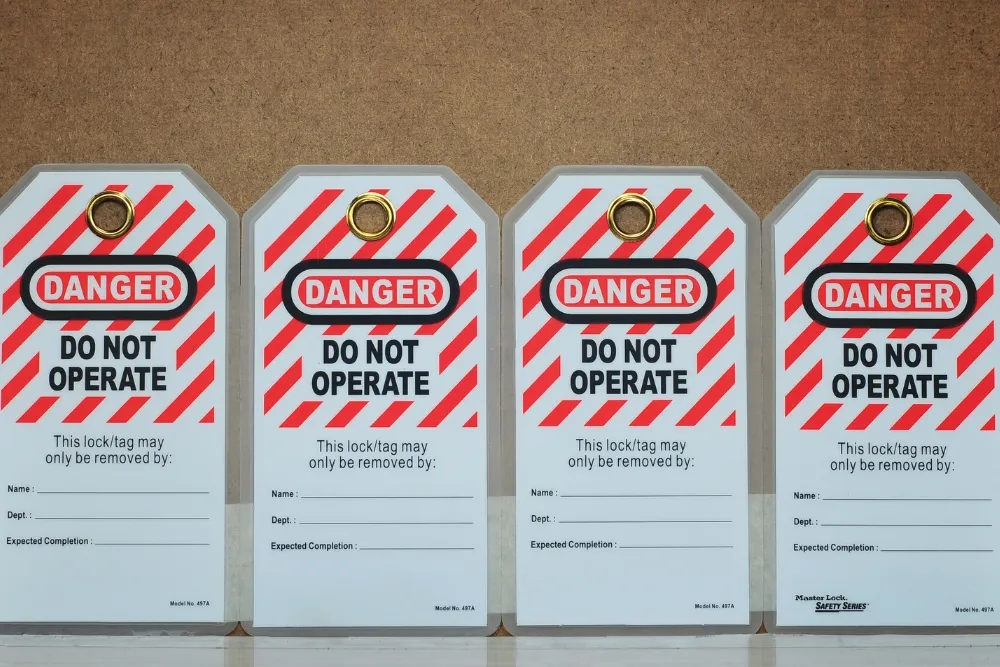
Tag Out is a safety procedure that involves attaching a tag to a piece of equipment to indicate that it should not be operated, while Lockout refers to physically locking the equipment in the off position.
These procedures are essential for preventing accidents and injuries during maintenance and repair work.
What is Tag Out?
Tag out is a crucial part of our workplace safety protocol. It involves attaching tags to equipment to alert others that the machinery should not be operated until the tag is removed.
These tags are visual warnings and contain important information such as why the equipment is out of service, who tagged it out, and when. They’re essential for communicating hazards and preventing accidents during maintenance or repair.
We make sure every one of us knows how tag-outs work. The process ensures that we’re all aware of which machines are temporarily off-limits, safeguarding our colleagues from potential harm by hazardous energy releases or unexpected machine startups.
Implementing this system helps us meet regulatory requirements while keeping everyone’s safety at the forefront of our day-to-day operations around potentially dangerous equipment.
What is Lockout?
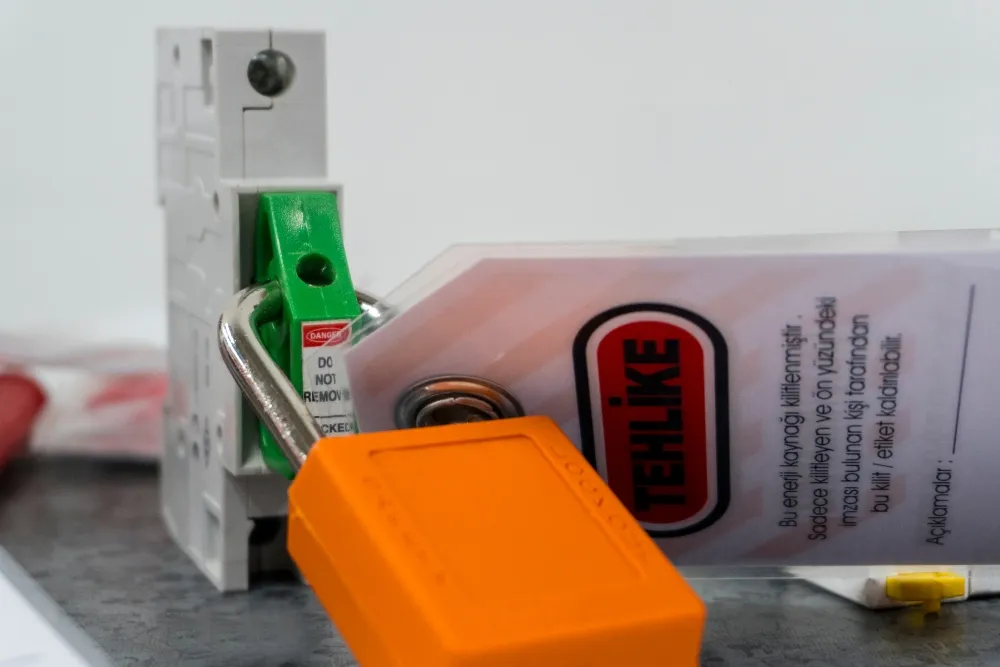
Lockout is a safety procedure employed to ensure that potentially hazardous machinery and equipment are completely shut off and incapable of being turned back on. This process involves the use of lockout devices such as padlocks, which prevent the machines from being energised or started up unintentionally during maintenance or repair work.
Lockout also requires proper tagging with informative labels to warn others about the locked-out status of the equipment, thereby providing crucial information for workplace safety.
By effectively implementing lockout procedures, workers are shielded from potential harm caused by unexpected machine activation, ensuring compliance with safety regulations and minimising the risk of accidents.
Benefits of Integrating Tag Out with Overall Safety Protocols
Integrating Tag Out with Overall Safety Protocols provides compliance with regulations, ensures increased safety for workers, and reduces the risk of accidents and injuries. This helps to create a safer work environment for everyone involved.
Compliance with regulations
Compliance with safety regulations is essential for maintaining a secure work environment. Implementing lockout/tagout procedures ensures adherence to Australian standards, safeguarding workers and employees around machinery.
Following standardised procedures for LOTO systems not only satisfies occupational safety measures but also reduces the risk of accidents and injuries. By integrating tag out with overall safety protocols, home and office owners can demonstrate their commitment to ensuring a safe workplace.
Moving forward, let’s discuss the increased safety benefits for workers due to integrating tag out with overall safety protocols.
Increased safety for workers
Implementing tag-out and lockout (LOTO) procedures significantly increases safety for workers. Lockout/tagout is an essential safeguard that prevents accidental startup of machinery, reducing the risk of accidents and injuries.
By complying with regulations and integrating tags within overall safety protocols, employers protect their employees from hazardous energy sources during maintenance or repair activities.
Lockout/tagout standards provide a critical foundation for maintaining a safe work environment and are crucial for safeguarding workers around machinery.
Integrating tag out with overall safety protocols ensures that dangerous equipment is properly shut off to protect workers from injury while working on or near electrical circuits and equipment.
Reduced risk of accidents and injuries
Reducing the risk of accidents and injuries is paramount in any workplace. Integrating tag out with overall safety protocols significantly enhances worker safety and minimises potential hazards.
By following lockout/tagout procedures, workers are protected from unexpected machine start-ups or hazardous energy releases, ensuring compliance with safety standards and safeguarding against unnecessary risks.
Proper implementation of lockout/tagout systems can prevent severe injuries caused by machinery malfunctions or accidental starts. Employers should prioritise integrating these essential safety practices to maintain a secure environment for their employees and reduce the likelihood of workplace accidents.
Investing in employee training on lockout/tagout procedures is crucial for upholding a safe work culture and preventing on-the-job mishaps. Incorporating this critical aspect into overall safety protocols underscores our commitment to preserving a hazard-free workspace.
Who is Responsible for Implementing LOTO Procedures?
Management, supervisors, and authorised individuals are responsible for implementing LOTO procedures to ensure the safety of workers and compliance with regulations.
Management
As managers, we play a crucial role in ensuring the effective implementation of lockout/tagout (LOTO) procedures. It is our responsibility to oversee that proper LOTO measures are in place and that all employees are trained on the correct protocols.
By taking an active role in promoting and enforcing LOTO standards, we can contribute to a safer work environment for everyone involved.
Moreover, as part of our management duties, it’s essential to allocate resources and time for regular maintenance and inspections of machinery safety practices. This will help uphold compliance with regulations and reduce the risk of accidents or injuries related to machinery operations.
Supervisors
As managers guide the overall safety protocols, supervisors play a crucial role in implementing and enforcing lockout/tagout (LOTO) procedures. Supervisors are responsible for overseeing that LOTO procedures are properly followed by their team members when working on or around machinery.
They need to ensure that proper training is provided to employees about the importance of LOTO, conduct regular safety meetings to reinforce its significance, and verify that all necessary machine guarding measures are in place.
Supervisors should work closely with management to address any concerns regarding compliance with safety standards and provide support to authorised individuals who carry out LOTO procedures.
When integrating tag out with overall safety protocols at the workplace, supervisors must take a proactive approach to ensuring that all workers understand and adhere to LOTO procedures.
Authorised Individuals
Authorised individuals play a crucial role in the implementation of lockout/tagout (LOTO) procedures. They are responsible for overseeing the proper execution of LOTO processes, ensuring that energy sources are effectively locked and tagged to prevent accidental startup or release of hazardous energy.
These individuals have the authority to enforce compliance with safety protocols, educate employees on best practices, and conduct regular maintenance and inspections as part of creating a safe work environment.
As supervisors or designated personnel authorised by management, they must ensure that all workers understand and follow LOTO procedures to safeguard against accidents and injuries, thus contributing to overall workplace safety.
In addition, authorised individuals bear the responsibility of keeping abreast of lockout/tagout standards and UK regulations pertaining to industrial safety. By staying informed about any updates or changes in these standards, they can help ensure that their workplaces remain compliant with national safety regulations while mitigating risks associated with machinery operations.
Best Practices for Implementing an Effective LOTO Programme
Creating a comprehensive procedure, educating employees, and performing regular maintenance and inspections are essential for implementing an effective LOTO programme. To learn more about how to integrate Tag Out with overall safety protocols, read the full blog!
Creating a comprehensive procedure
To create a comprehensive lockout/tagout procedure, we begin by identifying all energy sources that need to be controlled during maintenance or repair. We then document the specific steps for shutting down and isolating each energy source.
Each step must be clear and easy to follow, ensuring that anyone using the procedure understands how to safely de-energise equipment. It’s important to include detailed instructions on how to attach and remove lockout/tagout devices, as well as any testing requirements before work can begin.
Using an easy-to-understand visual format is essential in creating a comprehensive lockout/tagout procedure. This includes diagrams showing the location of energy isolation points, as well as photos of properly locked and tagged equipment.
Educating employees
To ensure the success of a lockout/tagout (LOTO) programme, educating employees about its importance and procedures is crucial. Training sessions should cover the purpose of LOTO, including locking and tagging energy sources to prevent accidental startup or release of hazardous energy.
Employees need to understand the potential risks associated with machinery and equipment, as well as the specific steps they should take to implement proper LOTO procedures. It’s essential for all staff members to be aware of how these safety measures contribute to their well-being and that compliance with UK standards is imperative.
Implementing effective educational programmes will empower employees to actively participate in maintaining a safe work environment. Providing clear instructions on recognising hazardous energy sources, using lockout/tagout devices correctly, conducting routine inspections of equipment, and understanding emergency response protocols equips employees with valuable knowledge for preventing workplace accidents related to machinery operations.
Performing regular maintenance and inspections
Regular maintenance and inspections of lockout/tagout (LOTO) procedures are essential for ensuring their effectiveness in safeguarding workers and employees from hazardous energy sources.
It is crucial to routinely check and maintain the integrity of locks, tags, and LOTO devices to prevent accidental startup or release of energy. Inspections should include verifying that all equipment is properly shut off and cannot be started up.
Additionally, regular maintenance ensures that the LOTO procedure remains compliant with safety standards, reducing the risk of accidents and injuries in workplaces.
A comprehensive approach to performing regular maintenance and inspections will enhance workplace safety by preventing unexpected energy releases. Regular checks also demonstrate a commitment to creating a safe working environment for everyone involved.
Integrating tag out with overall safety protocols necessitates consistent attention to maintaining LOTO systems effectively.
Implementing Tag Out and Lockout Procedures Using SafetyCulture
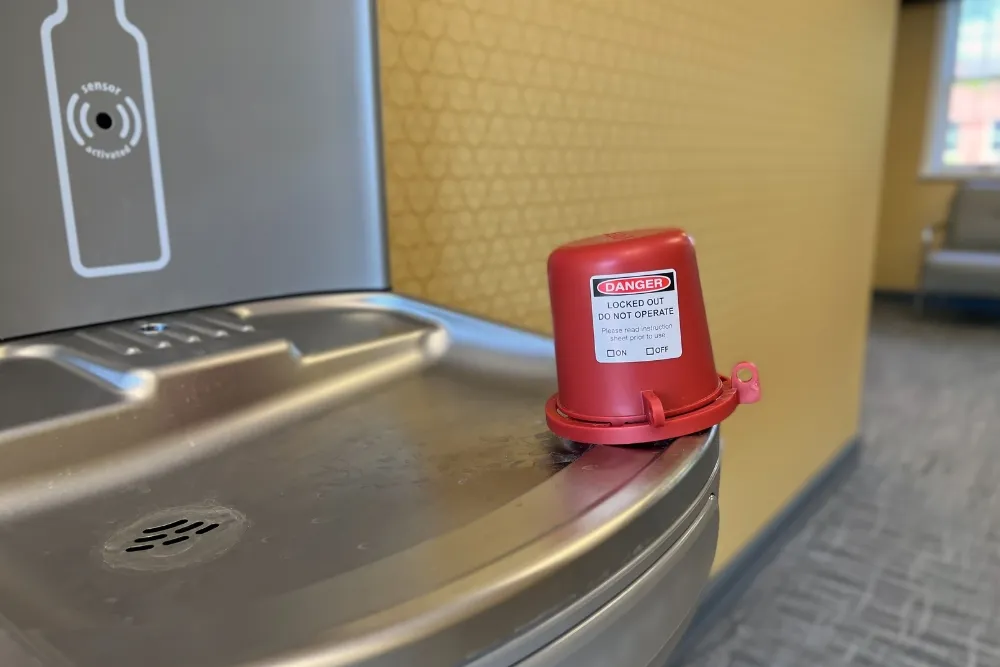
At SafetyCulture, we provide a user-friendly platform for implementing tag-out and lockout procedures. Our digital tools and resources help streamline the process and ensure compliance with safety regulations.
Benefits of using SafetyCulture
Integrating SafetyCulture into your tag-out and lockout procedures offers numerous advantages for home and office owners. SafetyCulture ensures compliance with regulations, providing peace of mind that your safety protocols meet industry standards.
By incorporating this digital solution, the risk of accidents and injuries to workers is reduced significantly. Moreover, SafetyCulture empowers authorised individuals to effectively implement and monitor lockout/tagout procedures, enhancing overall workplace safety.
Implementing SafetyCulture into your safety protocols not only streamlines processes but also improves the overall effectiveness of your LOTO programme. With its user-friendly interface and comprehensive features, SafetyCulture facilitates easy creation and execution of lockout/tagout procedures while helping you stay abreast of related articles and resources tailored to your needs.
Related articles and resources
- Review Vector Solutions’ comprehensive guide on the 6 steps for effective lockout/tagout procedures to ensure safety and compliance.
- Explore SafetyCulture’s articles on best practices for implementing an effective LOTO programme, including creating a comprehensive procedure, educating employees, and performing regular maintenance and inspections.
- Familiarise yourself with Australian lockout/tagout standards to ensure compliance with safety procedures and practices used to control hazardous energy during machinery maintenance or repair.
Tagout Excellence – Safeguarding Your Space!
Integration of Tag Out with Overall Safety Protocols is crucial for maintaining a safe work environment. Implementing effective Lockout/Tagout (LOTO) procedures ensures compliance with regulations and reduces the risk of accidents and injuries.
Educating employees on best practices and regularly inspecting equipment is essential for successful integration. Creating a comprehensive procedure and using tools like SafetyCulture can further enhance workplace safety.
Ensure comprehensive safety. Integrate Tag Out into your protocols today for enhanced workplace safety. Contact Us Now!