
LockOut Equipment · 12 October 2023
Integration of LockOut Equipment with Tag Out Systems
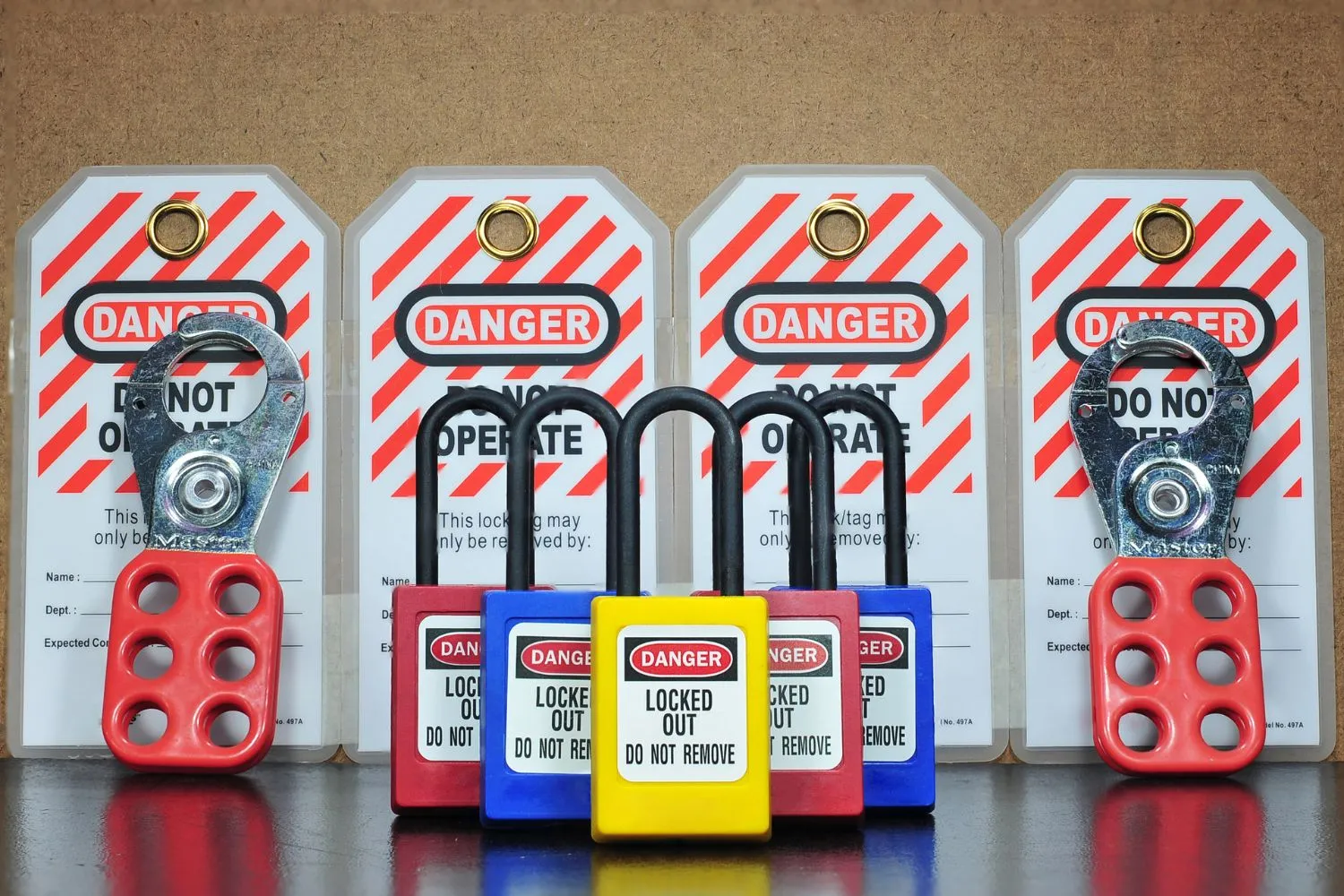
Ever found yourself wrestling with the challenge of ensuring safety during maintenance work? You’re not alone. We’ve walked a mile in those boots and we reckon combining lockout equipment with tag-out systems is a game-changer for boosting safety standards.
This article will give you all the ins and outs on how doing so can make hazardous energy control procedures a piece of cake and crank up worker security. Ready to take your workplace’s safety procedures up a notch? Let’s crack into it!
Key Takeaways
- Integrating lockout equipment with tag-out systems is crucial for enhancing workplace safety and preventing accidents during maintenance work.
- Lockout and tagout systems immobilise hazardous machinery, prevent accidental restarts, and ensure complete de-energisation before repairs or upkeep.
- Industries such as manufacturing, construction, mining, oil and gas, and food processing utilise these systems to comply with safety regulations and protect worker well-being.
- The integration of lockout equipment with tag-out systems offers benefits such as improved worker safety, better asset tracking, and regulatory compliance.
Understanding Lockout and Tagout Systems
Lockout and tagout systems serve a crucial purpose in ensuring workplace safety, particularly in industries that involve machinery and equipment.
Purpose and benefits
Lockout and tagout systems play a vital role in enhancing safety during maintenance work. Their primary purpose is to immobilise hazardous machinery, preventing accidental restarts while maintenance tasks are being performed.
This not only promotes worker safety but also minimises the risk of damaging expensive equipment. Furthermore, these systems allow us to isolate energy sources, ensuring complete de-energisation before any repairs or preventive upkeep.
The use of explicit tags serves as an effective communication tool about ongoing work on machines, thereby reducing confusion among different team members or shifts. LockOut-TagOut (LOTO) procedures ensure compliance with workplace safety regulations and create a safer environment for all workers involved in machinery operation and maintenance.
Applicable industries
Lockout-tagout (LOTO) systems are applicable in a wide range of industries to ensure maintenance safety and protect workers from hazardous energy sources. Industries such as manufacturing, construction, oil and gas, mining, energy production, and food processing utilise lockout equipment with tag-out systems to minimise accidents during maintenance work.
These industries often deal with high-risk machinery and equipment that require proper isolation before any servicing or repairs can be done. By implementing lockout-tagout procedures, these industries comply with safety regulations while safeguarding worker well-being.
In the manufacturing industry, for example, where heavy machinery is used extensively, lockout-tagout systems play a crucial role in preventing accidental machine start-ups during maintenance or repair work.
Similarly, in the construction industry where electrical equipment poses hazards if not properly isolated before maintenance tasks are performed, lockout-tagout ensures worker safety.
Locking and tagging machines before carrying out any repair work has become an essential practice across various industrial sectors to control hazardous energy effectively and avoid incidents that could result in injuries or fatalities.
By integrating lockout equipment with tag-out systems into their operations, these industries prioritise the well-being of their workers by providing clear protocols for isolating dangerous machines and controlling hazardous energies.
This results in increased workplace safety while minimising risk factors associated with maintenance tasks.
Integration of LockOut Equipment with Tag Out Systems
The integration of lockout equipment with tag-out systems is crucial to ensure the safety and effectiveness of maintenance work in various industries.
Importance of integration
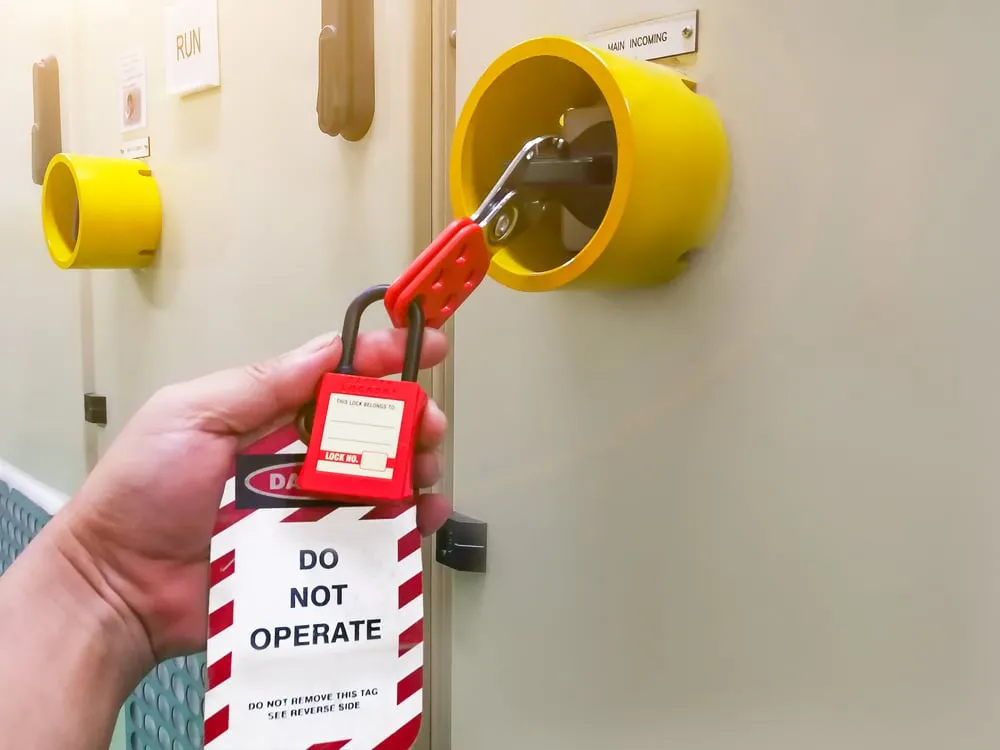
The integration of lockout equipment with tag-out systems is crucial for ensuring the safety and well-being of maintenance workers. By combining these two procedures, we can effectively control hazardous energy sources and prevent accidents during maintenance or repair work.
Integrating lockout equipment with tag-out systems provides a systematic approach to isolating machinery from its energy source, locking it out, tagging it, and verifying its safety before work begins.
This integration not only minimises the risk of injuries but also helps in complying with safety regulations and reducing production costs associated with accidents or damaged equipment.
How it works
In the integration of lockout equipment with tag-out systems, we ensure that dangerous equipment is properly shut off and isolated before any maintenance or repair work takes place.
This is done through a series of steps: isolating the machinery from its energy source, locking it out to prevent accidental operation, and tagging it to inform others that work is being carried out.
We use an asset management system to track equipment and lockout devices throughout the process, ensuring everything is accounted for. By following these safety procedures, we can effectively control hazardous energy and prioritise worker safety during maintenance tasks.
Benefits of integration
The integration of lockout equipment with tag-out systems offers several benefits for homeowners. Firstly, it ensures maintenance safety by providing a systematic approach to equipment isolation and hazardous energy control.
This reduces the risk of accidents or injuries during maintenance work.
Secondly, the integration allows for better asset tracking. By using an asset management system, homeowners can easily track the location and availability of lockout devices, ensuring that they are always accessible when needed.
Lastly, integrating lockout equipment with tag-out systems helps ensure regulation compliance. The use of standardised procedures and safety equipment meets standards and other safety regulations, keeping both workers and property protected.
Challenges and Solutions
Common challenges that organisations may face when integrating Lockout equipment with Tag Out systems include understanding and implementing the necessary safety procedures, ensuring compliance with regulations, and effectively training employees. Overcoming these challenges requires clear communication, comprehensive employee training programs, and regular audits to ensure adherence to safety protocols.
Recommended solutions for successful integration include developing standardised procedures, providing ongoing education and training opportunities, and establishing a culture of safety within the organisation.
By addressing these challenges head-on, companies can improve worker safety and maintain regulatory compliance in their maintenance work processes.
Common challenges
We understand that integrating lockout equipment with tag-out systems can come with its fair share of challenges. One common challenge is ensuring that all workers are aware of the proper procedures and protocols for lockout-tagout.
This requires effective training and communication to ensure everyone understands their roles and responsibilities in maintaining safety. Another challenge is the availability and accessibility of lockout devices and tags, as well as keeping track of inventory to ensure that equipment is readily available when needed.
Finally, compliance with safety regulations can be a hurdle, as it requires ongoing monitoring and updates to ensure that procedures are up-to-date and align with industry standards.
How to overcome them
To overcome the challenges of integrating lockout equipment with tag-out systems, it is important to have a clear understanding of the safety procedures involved. One common challenge is ensuring compliance with regulations and standards set by organisations.
This can be addressed by having a competent person authorise and supervise the lockout/tagout process. Another challenge is maintaining an accurate inventory of lockout devices, which can be resolved through the use of an asset management system.
By implementing these solutions and adhering to proper safety protocols, homeowners can ensure worker safety and effectively control hazardous energy during maintenance work on electrical equipment.
Recommended solutions
We have identified some recommended solutions to help you integrate lockout equipment with tag-out systems effectively. Firstly, it is important to ensure that all workers are educated and trained on the proper use of lockout-tagout procedures.
This includes understanding the purpose, benefits, and steps involved in the process.
Another solution is to implement a comprehensive asset management system. This will allow you to track your equipment and lockout devices more efficiently, ensuring that nothing gets lost or misplaced during maintenance work.
Additionally, regular inspections should be conducted to verify that lockout devices are in good working condition and properly installed. It is crucial to promptly replace any damaged or malfunctioning devices.
Industrial Usage and Implementation
Case studies and best practices highlight the real-world applications of integrating lockout equipment with tag-out systems for improved worker safety and regulatory compliance. Discover how industries are successfully implementing these strategies to safeguard their employees and assets.
Read more to learn from their experiences and gain valuable insights for your own workplace.
Case studies
We have seen how the integration of lockout equipment with tag-out systems can greatly enhance maintenance safety and reduce accidents. Let’s take a look at some real-life case studies that demonstrate the benefits of this integration.
In one case study, a manufacturing facility implemented a lockout-tagout program and saw a significant decrease in worker injuries related to hazardous energy. Another case study involved a construction company that used asset management software to track equipment and ensure proper lockout procedures were followed, resulting in improved efficiency and worker safety.
These examples show how the integration of lockout equipment with tag-out systems can positively impact not only worker safety but also overall operational effectiveness.
Best practices
We always prioritise safety when it comes to maintenance work in our homes. Here are some best practices for integrating lockout equipment with tag-out systems to ensure the well-being of everyone involved.
Firstly, make sure to properly isolate the equipment from its energy source by following the six steps of lockout/tagout procedures. This includes locking and tagging out the machine and verifying that it is safe before starting any work.
Additionally, keeping track of equipment and lockout devices using an asset management system helps enhance safety measures. By implementing these best practices, we can maintain a safe environment during maintenance activities and prevent accidents from happening.
Integrate Lockout Equipment with Your Tag Out Systems
In conclusion, the integration of lockout equipment with tag-out systems plays a crucial role in ensuring maintenance safety and reducing accidents. By implementing proper procedures and utilising asset management systems, organisations can effectively control hazardous energy sources and protect workers during maintenance activities.
The goal is to provide a safe working environment while complying with regulations and minimising production costs.