Tag Out System · 15 November 2023
Integrating Tag Out Systems into Existing Safety Programs
Every workplace is built on a foundation of safety, right? But let’s be honest, weaving in new procedures can often come off as a bit of a headache. We’ve walked that same path ourselves and reckon that understanding the ins and outs of lockout-tagout is crucial for dodging a fair dinkum amount of mishaps.
So we rolled up our sleeves to devise strategies that make integrating tag-out systems with your current safety protocols as smooth as sailing in Sydney Harbour. Our nifty guide will show you how to snugly fit these practices into your daily routine, beefing up protection for the whole crew.
Have a squiz inside for a safer today and an even better nudge towards tomorrow!
Key Takeaways
- Lockout/Tagout, or LOTO, is an essential safety procedure that involves controlling various forms of energy to prevent unexpected start-ups of machinery and equipment during maintenance or repair work.
- Integrating tag-out systems into existing safety programs enhances workplace safety by reducing the risk of accidents and injuries, ensuring compliance with occupational safety regulations, and streamlining safety processes.
- Conducting thorough risk assessments, developing standard operating procedures, and providing comprehensive training are vital steps in successfully integrating lockout/tagout procedures into existing safety programs.
- Overcoming challenges such as resistance to change and limited resources while collaborating with production and maintenance teams is crucial for implementing a robust lockout/tagout program that contributes to a safer working environment for all employees involved.
Understanding Lockout/Tagout
Lockout/Tagout, or LOTO, is a safety procedure used to ensure that dangerous machines and energy sources are properly shut off and not started up again before maintenance or service work is completed. It helps prevent unexpected start-ups of machinery and equipment, which can lead to serious injuries or fatalities.
Definition
Lockout-tagout is a safety procedure that plays a vital part in managing hazardous energy and ensuring the machinery that could cause harm is effectively shut off and remains inactive during maintenance or repair work.
It involves controlling various forms of energy, such as electrical, mechanical, hydraulic, pneumatic, chemical, thermal or other sources in equipment and machinery. This ensures when we’re working with these potentially dangerous machines, there’s no chance they can be unexpectedly started up.
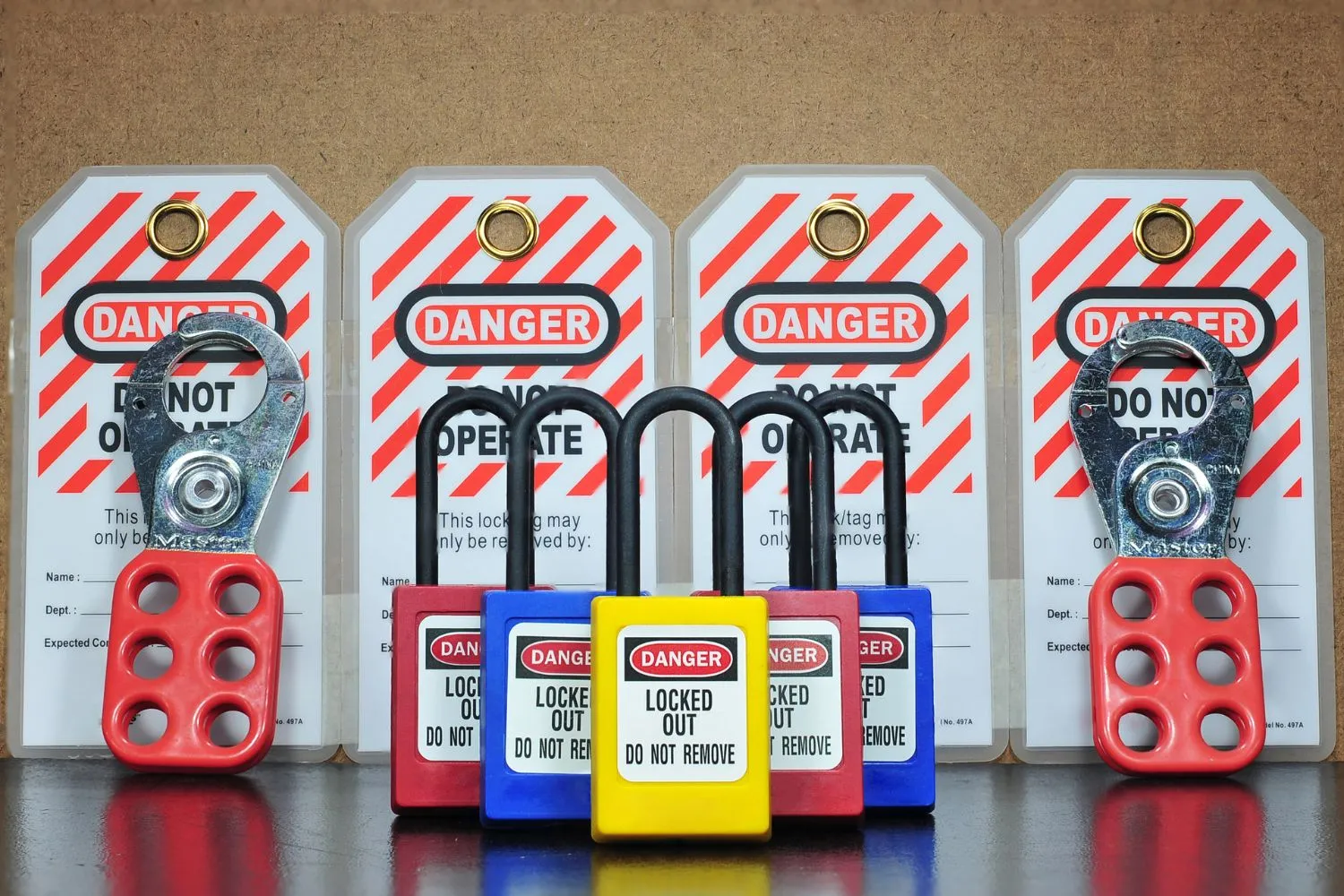
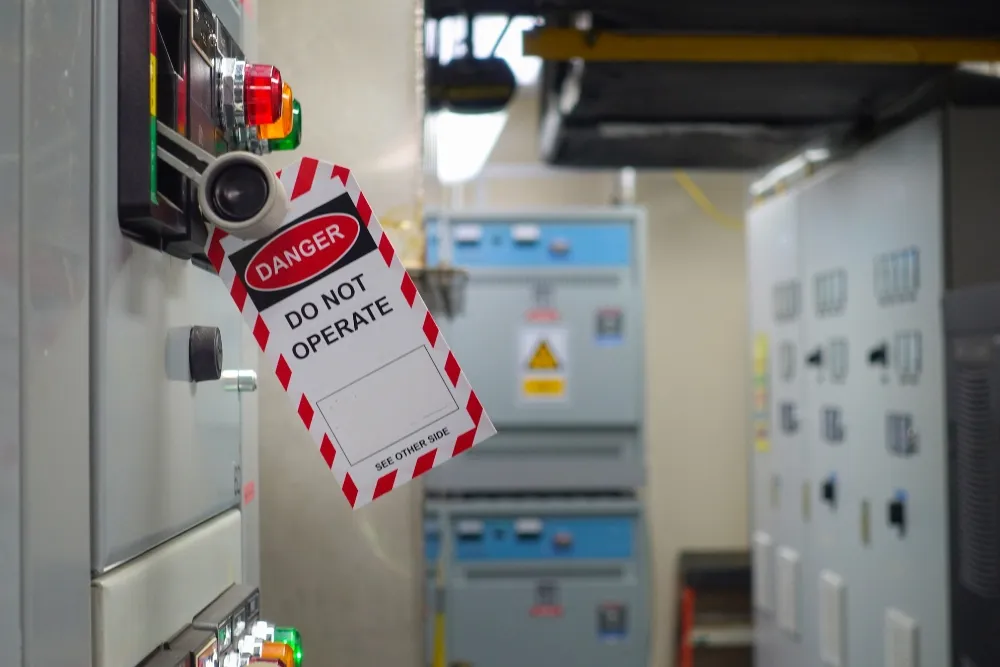
We place locks and tags on energy-isolating devices to inform everyone that the equipment should not be operated until the lockout/tagout devices are removed. A tag alone doesn’t physically prevent machine operation; it serves as an alert to stay clear from using the device.
Creating a compliant program for this process is crucial, as owners of homes, industries or offices, to maintain high levels of workplace safety and adhere strictly to regulations designed to protect us all.
Moving on to understanding why incorporating these systems can significantly enhance existing safety procedures.
Purpose
The purpose of integrating tag-out systems into existing safety programs is to enhance workplace safety and prevent accidents. By including lockout/tagout procedures in your safety program, you ensure that dangerous machinery and energy sources are properly shut off or isolated, minimising the risk of injuries to employees.
Additionally, integrating tag-out systems helps businesses comply with regulations and streamline safety processes, ultimately creating a safer work environment for everyone involved.
Implementing a strong lockout-tagout system as part of your overall safety program is crucial for maintaining workplace safety standards and reducing the risk of accidents. By isolating, de-energising, locking out, and tagging out plant equipment within your facility, you can significantly minimise hazards and protect both employees and assets.
Benefits
Integrating tag-out systems into existing safety programs enhances workplace safety by reducing the risk of accidents and injuries. It also ensures compliance with occupational safety regulations and streamlines safety processes, ultimately benefiting home, industrial, and office owners.
- Enhanced Safety: Integrating tag-out systems enhances workplace safety by ensuring that dangerous machines and energy sources are properly shut off or isolated, reducing the risk of accidents and injuries.
- Compliance with Regulations: By integrating tag-out systems into existing safety programs, home, industrial, and office owners ensure compliance with occupational safety regulations, maintaining a safe working environment for employees.
- Streamlined Processes: An integrated tag-out system streamlines safety processes by enforcing the proper isolation and de-energising of plant equipment, ultimately contributing to a safer working environment for everyone involved.
Importance of Integrating Tag Out Systems into Existing Safety Programs
Integrating tag-out systems into existing safety programs is crucial as it enhances overall safety, ensures compliance with regulations, and streamlines processes for increased efficiency.
Enhanced Safety
Enhancing safety in the workplace through the integration of tag-out systems into existing safety programs is crucial for protecting workers and reducing the risk of accidents. Isolating, de-energising, locking out, and tagging out plant equipment significantly minimise hazards related to machinery operation.
Implementing a compliant lockout-tagout program with regularly scheduled reviews ensures continuous improvement and reinforces a culture of safety in the workplace.
It’s important to consider isolation procedures as a vital aspect of workplace safety management. Taking steps to integrate tag-out systems gradually expands safety measures while building a strong culture of safety around an effective lockout-tagout system is fundamental for maintaining workplace safety.
Compliance with Regulations
To ensure workplace safety, all lockout/tagout procedures must comply with relevant regulations. We must acknowledge the importance of adhering to guidelines and any industry-specific standards when implementing tag-out systems into existing safety programs.
Regular reviews should be conducted to assess compliance and make necessary improvements in line with regulatory requirements, ensuring that our safety measures remain effective and up-to-date.
Compliance with regulations not only demonstrates our commitment to safety but also protects our workers from potential risks associated with non-compliance. It is crucial to stay informed about evolving safety standards and ensure that our lockout/tagout program meets or exceeds these requirements for a safe working environment.
Streamlined Processes
Implementing a lockout/tagout program into existing safety protocols enhances workplace efficiency. By clearly outlining procedures and requirements for isolating equipment, the risk of accidents is minimised.
Regular reviews and updates ensure that processes remain current and effective in addressing potential hazards. Integrating tag-out systems supports compliance with safety regulations, reducing downtime due to accidental disruptions while maintaining a safe work environment.
Standardising lockout/tagout procedures also facilitates smoother communication between teams involved in maintenance and production, promoting collaboration essential for continued operational safety.

Incorporating Lockout/Tagout into Existing Safety Programs
When incorporating lockout/tagout into existing safety programs, it’s crucial to conduct thorough risk assessments and develop standard operating procedures. Training employees on the importance of lockout/tagout is also essential for a successful integration.
Conducting Risk Assessments
Conducting risk assessments is a crucial step in integrating tag-out systems into existing safety programs. Here are the key steps to consider:
- Identify potential hazards associated with energy sources and machinery.
- Evaluate the likelihood and severity of accidents related to lockout/tagout procedures.
- Engage employees at all levels for input on potential risks and safety concerns.
- Document findings and develop strategies to mitigate identified risks.
- Implement control measures based on the assessment results, ensuring they align with industry regulations and best practices.
- Regularly review and update risk assessments to adapt to changes in equipment, processes, or regulations.
Developing Standard Operating Procedures
Developing standard operating procedures is crucial for ensuring that lockout/tagout processes are clearly defined and consistently followed. This requires:
- Clearly outlining the steps for locking out and tagging out equipment to prevent the release of hazardous energy.
- Specifying who is authorised to perform lockout/tagout procedures and their responsibilities.
- Providing detailed instructions for verifying isolation and energy control before work begins.
- Establishing a system for periodic review and updating of standard operating procedures to reflect changes in machinery or processes.
- Creating a protocol for addressing non-routine operations and unexpected equipment servicing scenarios.
Training Employees
After developing standard operating procedures for lockout/tagout, training employees is the next crucial step in ensuring workplace safety. Here are some important points to consider when training employees:
- Conduct thorough training sessions to educate employees on the importance of lockout/tagout procedures and the potential hazards of not following them.
- Provide hands-on demonstrations and practical exercises to ensure that employees understand how to properly isolate energy sources and apply lockout/tagout devices.
- Emphasise the importance of communication and collaboration between different teams within the workplace to ensure that everyone is aware of lockout/tagout procedures and their responsibilities.
- Regularly review and update training materials to keep employees informed about any changes or improvements in lockout/tagout procedures.
- Encourage active participation from employees by soliciting feedback and suggestions for improving the effectiveness of the lockout/tagout program.
- Consider implementing a certification process for employees who have completed lockout/tagout training, reinforcing their commitment to safety in the workplace.
- Provide ongoing support and resources for employees to reinforce their understanding of lockout/tagout procedures and address any questions or concerns they may have.
Challenges and Solutions for Integration
Resistance to change can be addressed through clear communication, training, and involving employees in the process. Limited resources can be overcome by prioritising tasks, seeking budget allocation, and exploring cost-effective solutions.
Collaborating with production and maintenance teams is essential for a successful integration, requiring open communication and cooperation between all involved parties.
Resistance to Change
Facing resistance to change is common when integrating tag-out systems into existing safety programs. It’s natural for employees to feel hesitant about new safety procedures, especially if they are accustomed to old ways of working.
However, we need to address this resistance openly and emphasise the benefits of the new system in enhancing workplace safety. Providing regular training sessions and open communication can help ease the transition and encourage buy-in from all team members.
Our efforts should focus on highlighting how integrated tag-out systems contribute to compliance with regulations, enhanced safety measures, and streamlined processes, ultimately creating a safer work environment for everyone involved.
While some may resist change at first, we must remain diligent in our efforts to integrate tag-out systems effectively into existing safety programs. Recognising the importance of these changes is essential in ensuring that all team members understand their role in maintaining a safe work environment.
Limited Resources
We find it challenging to integrate new safety programs due to limited resources. Sometimes, tight budgets and time constraints make it difficult to implement robust lockout/tagout systems.
Despite this, we must prioritise workplace safety while being mindful of our limitations. Taking small steps is essential; even with limited resources, we can start by conducting risk assessments and developing simple standard operating procedures.
Allocating time and budget for employee training on lockout/tagout procedures is crucial.
Our concern about integrating tag-out systems into existing safety programs is justified given the finite resources available to us. However, it’s important to recognise that even small improvements in safety measures can significantly reduce the risk of workplace accidents.
Collaborating with Production and Maintenance Teams
When faced with limited resources, collaborating with production and maintenance teams becomes crucial for the successful integration of tag-out systems into existing safety programs.
Working closely with these teams allows for a better understanding of equipment and machinery operations, ensuring that lockout/tagout procedures are effectively implemented. By involving all relevant parties in the development and implementation of safety protocols, we can create a culture of shared responsibility for workplace safety.
Engaging with production and maintenance teams provides valuable insights into equipment functionality and potential hazards, enabling the creation of more comprehensive lockout/tagout procedures.
Recommendations for Tag Out Systems
Incorporating tag-out systems into existing safety programs enhances workplace safety and ensures compliance with regulations. Conducting risk assessments, developing standard operating procedures, and training employees are crucial for successful integration.
Overcoming challenges such as resistance to change, limited resources, and collaborating with production and maintenance teams is key to implementing an effective lockout/tagout program.
Starting small and gradually expanding safety measures will build a strong culture of safety in the workplace. Continuous improvement through regularly scheduled reviews is essential for maintaining workplace safety.