
LockOut Equipment · 29 September 2023
Importance of LockOut Tag Out (LOTO) Procedures
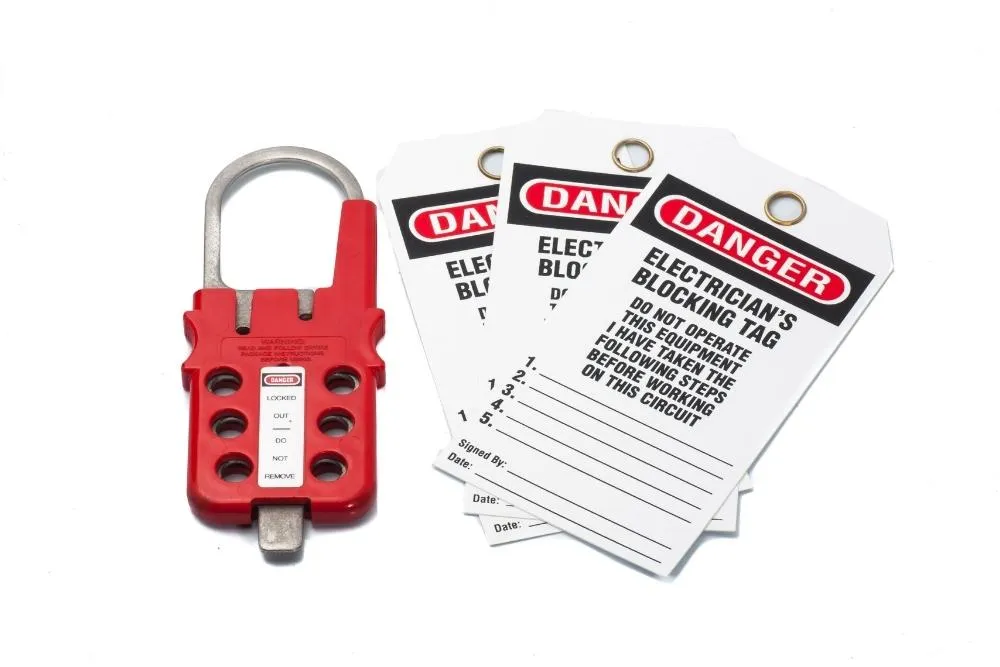
Ever found yourself pondering just how crucial safety measures like LockOut Tag Out (LOTO) actually are? We get it, mate. There seems to be a fair dinkum gap in understanding when it comes to this lifesaving ritual, despite its track record in preventing major mishaps and safeguarding workers on the job.
That’s where we come in – with an article chock-a-block with all you need to know about the importance of LOTO procedures, how they tick and why every workplace should be all over them like a rash.
Key Takeaways
- Lockout/Tagout (LOTO) procedures are crucial for ensuring employee safety and preventing accidents and injuries in the workplace.
- By implementing LOTO procedures, employers can effectively protect workers from hazardous energy release and accidental equipment activation.
- Following LOTO procedures not only prevents accidents but also helps avoid equipment damage during maintenance or repair work.
- Compliance with regulatory standards, such as those set by OSHA, is important when implementing LOTO procedures to ensure workplace safety.
What is Lockout/Tagout (LOTO)?
Lockout/Tagout (LOTO) is a vital safety measure for individuals working on or near electrical circuits and machinery. It’s a procedure designed to safeguard employees from accidental injury by disconnecting the power sources of machinery and equipment during repair, maintenance, or inspection phases.
This crucial step halts all incoming energy and releases any stored energy in the system, effectively rendering it inactive.

Beyond just an off switch, LOTO involves utilising energy-isolating devices that block residual energy discharge. These essential tools lessen the risk of unexpected startups- reducing accidents while maintaining a safe work environment.
Think about it as one of those lifesaving measures put in place to protect your well-being when dealing with potentially hazardous equipment at home throughout machine maintenance tasks.
Implementing lockout/tagout procedures offers homeowners greater control over their household appliances’ safety features – especially important during instances where regular upkeep is required.
The benefits range from risk reduction through preventing the unintended release of harmful energies to enhancing overall productivity once you’re confident that your home appliances are running safely and efficiently.
Importance of Lockout/Tagout Procedures
The importance of Lockout/Tagout procedures cannot be overstated, as they are crucial for ensuring employee safety, preventing accidents and injuries, avoiding equipment damage, and maintaining compliance with regulations.
Ensuring employee safety
Employee safety is of utmost importance in any workplace. When it comes to lockout/tagout procedures, their primary purpose is to ensure the safety of employees. By implementing these procedures, employers take lifesaving measures to protect workers from accidents and injuries while working on machinery or equipment.
Lockout/tagout procedures involve using energy-isolating devices and following strict protocols to prevent the activation of equipment when it’s not supposed to be running, reducing the risk of unexpected startup.
Training employees in lockout/tagout procedures is crucial for their understanding and compliance with safety measures. With these precautions in place, employers can create a safer work environment where employees can carry out their tasks without unnecessary risks or hazards associated with hazardous energy release.
Preventing accidents and injuries
Lockout/tagout procedures are crucial for preventing accidents and injuries in the workplace. By implementing these safety measures, we can ensure that employees are protected from hazardous energy and equipment activation.
Lockout/tagout involves using energy-isolating devices to block incoming energy and discharge stored energy, making it impossible for equipment to run or operate. This significantly reduces the risk of unintended release of hazardous energy, which could result in serious injuries or even fatalities.
Proper training and adherence to lockout/tagout procedures are essential for maintaining a safe work environment and preventing accidents.
Avoiding equipment damage
To ensure the longevity and proper functioning of your equipment, it is crucial to avoid any damage that may occur during maintenance or repair work. Lockout/tagout procedures play a vital role in preventing such damage by ensuring that energy sources are properly isolated and equipment cannot be accidentally activated.
By following lockout/tagout procedures, you can significantly reduce the risk of unexpected startup, which could lead to costly repairs or even permanent damage to your equipment. So, always remember to implement these essential safety measures when working on or near electrical circuits and machinery.
Compliance with regulations
We must comply with regulations regarding lockout/tagout procedures to ensure the safety and well-being of our workers. Government agencies such as OSHA (Occupational Safety and Health Administration) have established guidelines that businesses must follow to prevent workplace accidents and injuries.
By adhering to these regulations, we not only protect our employees but also avoid potential legal liabilities. It is crucial for us as homeowners to familiarise ourselves with these regulations and implement them effectively in our homes to maintain a safe environment for everyone involved.
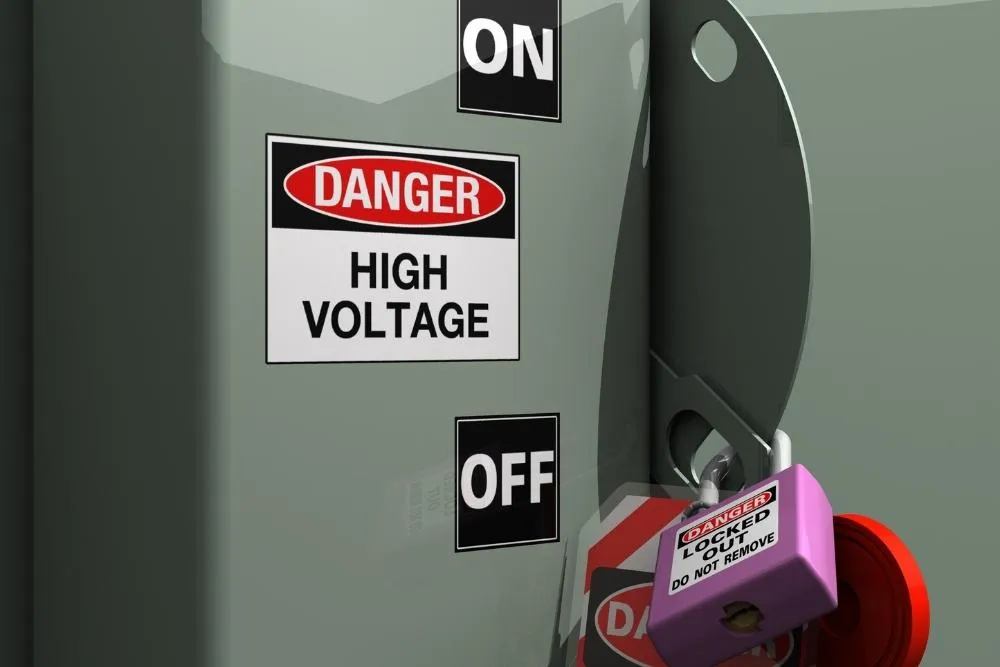
Implementing Effective Lockout/Tagout Procedures
To ensure the proper implementation of Lockout/Tagout procedures, it is crucial to clearly define and communicate policies, provide comprehensive training and education, conduct regular audits and inspections, as well as enforce documentation and reporting.
Clearly defining and communicating policies
We believe it is crucial to clearly define and communicate lockout/tagout policies in order to ensure the safety of our employees. By establishing clear guidelines, everyone in our organisation understands their roles and responsibilities when it comes to implementing lockout/tagout procedures.
This includes properly identifying and isolating energy sources, as well as using the appropriate lockout devices. With effective communication, all workers are aware of how to safely shut down equipment and prevent accidental activation, reducing the risk of injuries or property damage.
It also helps us comply with OSHA regulations and maintain a safe working environment for everyone involved.
Providing proper training and education
We believe that providing proper training and education is vital when it comes to lockout/tagout procedures. It ensures that employees have the knowledge and skills they need to safely carry out maintenance or repair work on equipment.
By training them in lockout/tagout procedures, you are empowering your employees to take lifesaving measures, such as properly isolating energy sources and using the necessary devices to prevent accidents.
With comprehensive training, your employees will understand the importance of following these procedures and be able to implement them effectively, reducing the risk of injuries and property damage.
Conducting regular audits and inspections
Regular audits and inspections play a crucial role in maintaining the effectiveness of lockout/tagout procedures. It is important for homeowners to regularly assess their lockout/tagout program to ensure that it is up-to-date and meets regulatory standards.
Audits and inspections help identify any potential deficiencies or areas that require improvement, allowing homeowners to take corrective actions before accidents occur. By conducting thorough assessments, homeowners can verify the proper implementation of lockout/tagout procedures, identify any equipment or process changes that may impact safety, and reinforce employee training and awareness.
Regular audits and inspections are essential lifelines in ensuring the ongoing safety of employees and preventing accidents resulting from unintended energy releases.
Enforcing documentation and reporting
Enforcing documentation and reporting is a crucial aspect of lockout/tagout procedures. It ensures that all necessary steps are followed and properly documented, which helps in maintaining consistency and accountability.
By enforcing documentation, it becomes easier to track the implementation of lockout/tagout procedures, identify any gaps or issues, and make necessary improvements. Reporting plays an equally important role as it allows for timely communication of any incidents or near misses related to lockout/tagout.
This information helps in evaluating the effectiveness of the procedures and implementing corrective measures if needed. Overall, enforcing documentation and reporting promotes a culture of safety by ensuring that all aspects of lockout/tagout are properly recorded and communicated.
Benefits of Lockout/Tagout Procedures
Lockout/Tagout procedures offer a range of benefits, including increased safety, compliance with regulatory standards, and improved productivity. Discover why implementing these procedures is essential for protecting employees and preventing accidents.
Read more to learn about the significance of Lockout/Tagout measures in ensuring workplace safety and reducing risks.
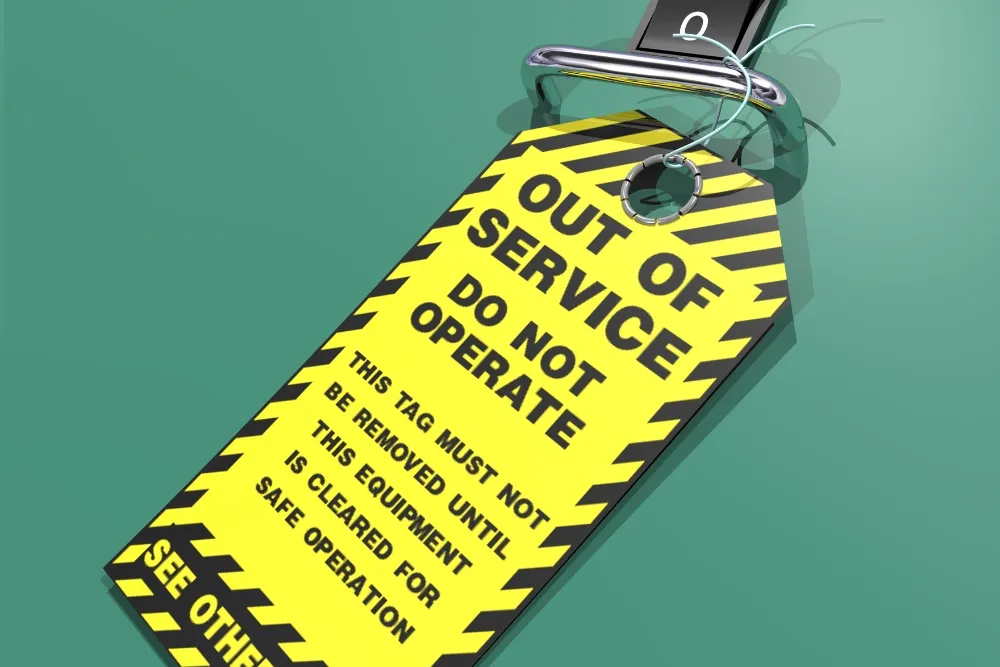
Increased safety and reduced risk
Lockout/tagout procedures play a crucial role in ensuring increased safety and reduced risk for both workers and equipment. By implementing these procedures, the chances of accidents, injuries, and unexpected equipment activation are significantly minimised.
This means that homeowners can have peace of mind knowing that their employees or technicians are protected from hazardous energy while performing maintenance or repair work on machinery or electrical circuits.
Additionally, compliance with lockout/tagout regulations promotes workplace safety and prevents serious injuries and property damage caused by unintended energy releases. So, when it comes to safeguarding your employees and equipment, lockout/tagout procedures are an essential lifesaving measure to prioritise.
Compliance with regulatory standards
Complying with regulatory standards is an important aspect of implementing lockout/tagout procedures. These procedures are regulated by OSHA (Occupational Safety and Health Administration) to ensure workplace safety and prevent accidents.
By following the prescribed guidelines, homeowners can protect themselves and their employees from the risks associated with hazardous energy. It is crucial to adhere to these standards as they serve as a lifeline in maintaining a safe working environment during machine maintenance or repair work.
Ensuring compliance helps minimise the potential for serious injuries, fatalities, and property damage due to unexpected energy release.
Improved productivity and efficiency
Implementing lockout/tagout procedures in your home can not only ensure the safety of you and your family but also lead to improved productivity and efficiency. By properly utilising lockout/tagout devices, you can prevent unexpected equipment activations that may interrupt your daily tasks or cause delays.
This means less time wasted on dealing with accidents or damages caused by hazardous energy releases. With a well-structured lockout/tagout program in place, you can focus on completing your maintenance tasks efficiently, without worrying about potential hazards.
By prioritising safety and following lockout/tagout procedures, you can create a more productive and efficient environment within your home.
Conclusion
Lockout/Tagout (LOTO) procedures are of utmost importance in ensuring employee safety, preventing accidents and injuries, and avoiding equipment damage. By clearly defining policies, providing proper training, conducting regular audits, and enforcing documentation, organisations can reap the benefits of increased safety and reduced risk.
Implementing effective LOTO procedures is critical for compliance with regulatory standards and improving productivity and efficiency in the workplace.
Secure your workplace, and protect your team! Embrace the importance of LockOut Tag Out (LOTO) procedures with the Tag Out System. Don’t let the lack of stringent procedures compromise workplace safety – take action now. Contact us for expert insights into the critical role that LOTO procedures play in preventing accidents during equipment maintenance. Trust Tag Out System to be your partner in fostering a safety-first culture. Don’t wait for incidents to occur – reach out now and understand the importance of LockOut Tag Out procedures. Act today for a workplace that prioritises safety, compliance, and the well-being of your team. Contact us now!