
LockOut Equipment · 18 October 2023
Importance of Employee Training in Proper Lockout Procedures

Have you ever found yourself scratching your noggin, trying to work out why there’s such an emphasis on lockout procedures at your workplace? You’re not alone mate! It’s often a misunderstood aspect of safety.
Training in lockout/tagout could prevent around 120 fatalities and 50,000 injuries each year – serious stuff hey? In this blog post, we’ll clear up any confusion by explaining what it is, why it’s so bloody important, its legal aspects and some clever ways to implement them successfully.
Stick around; a safer work environment is just a few scrolls away!
Key Takeaways
- Employee training in lockout procedures is crucial for preventing accidents and injuries in the workplace.
- Compliance with regulatory requirements ensures the safety of employees and equipment.
- Proper training protects both employees and equipment from potential hazards.
- Training leads to a reduction in downtime and productivity losses.
The Importance of Lockout Tagout Procedures
Lockout tagout procedures are crucial to prevent accidents and injuries, comply with regulatory requirements, protect employees and equipment, and reduce downtime and productivity losses.
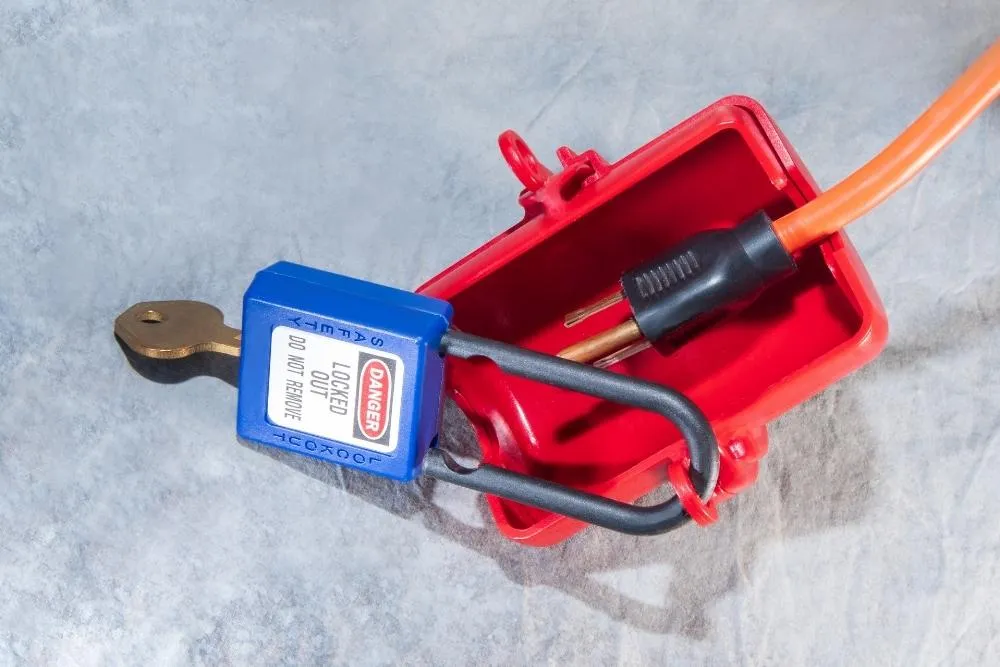
Prevention of accidents and injuries
Proper lockout procedures play a critical role in reducing workplace accidents and injuries. Ensuring our employees are properly trained is our top priority, as it fosters familiarity with relevant lockout devices and teaches them how to use these tools correctly.
Thorough training not only highlights potential hazards but also guides workers on the necessary precautions needed to mitigate such risks. As we maintain or repair machinery, following these procedures prevents unexpected startups and keeps everyone safe.
With comprehensive training on lockout/tagout systems, we strive for a safer working environment where every employee has the knowledge and skills they need to perform their tasks effectively without harm.
Compliance with regulatory requirements
Complying with regulatory requirements is a crucial aspect of lockout/tagout procedures. These regulations are in place to ensure the safety of employees and prevent accidents in the workplace.
By following these requirements, homeowners can protect themselves and their workers from potential hazards and stay on the right side of the law.
Regulatory compliance involves understanding and adhering to specific guidelines regarding lockout/tagout procedures. This includes learning about legal regulations, such as occupational health and safety standards, that govern energy controls and equipment maintenance.
By familiarising themselves with these requirements, homeowners can create a safe work environment while avoiding penalties or fines associated with non-compliance.
Proper training plays a key role in meeting regulatory standards for lockout/tagout procedures. It enables employees to stay updated on current laws, understand their responsibilities when it comes to managing hazardous energy sources, use appropriate lockout devices effectively, and perform necessary maintenance tasks safely.
Protection of employees and equipment
Employee training in proper lockout procedures is essential for the protection of both employees and equipment. By implementing lockout/tagout procedures, companies can effectively isolate energy sources and prevent unexpected startup of machinery, reducing the risk of accidents and injuries.
Authorised employees who are trained in these procedures play a crucial role in ensuring workplace safety by following the correct steps to properly isolate hazardous energy sources.
Additionally, comprehensive training ensures that employees have the knowledge and skills to protect equipment from damage during maintenance or repair activities. Proper employee training not only safeguards workers but also helps maintain a productive work environment by minimising downtime caused by accidents or equipment malfunctions.
Reduction of downtime and productivity losses
Proper employee training in lockout procedures leads to a significant reduction in downtime and productivity losses. When employees are familiar with the correct steps to follow during lockout/tagout procedures, they can quickly and efficiently isolate energy sources before servicing or repairing equipment.
By preventing unexpected equipment startup, accidents and injuries are avoided, which ultimately minimises the disruption of work and ensures a productive work environment. With well-trained employees who understand the importance of lockout procedures, businesses can operate smoothly without costly delays or interruptions.
The Role of Employee Training in Lockout Tagout Procedures
Employee training plays a crucial role in ensuring the effectiveness of lockout tagout procedures. Employees need to understand the importance of these procedures and comply with legal requirements.
Find out more about why employee training is vital for workplace safety and risk reduction.
Understanding the importance of lockout tagout training
Proper lockout tagout training is essential for homeowners to understand and implement to ensure workplace safety. This training helps individuals become familiar with lockout devices and teaches them how to use them correctly.
By undergoing comprehensive lockout tagout training, homeowners gain knowledge about potential hazards and learn the correct steps to take to reduce risks effectively. Understanding the importance of this training empowers homeowners to perform procedures correctly and protect themselves from injuries caused by unexpected equipment startup.
Legal requirements and standards
We understand that as homeowners, you may not be aware of all the legal requirements and standards related to lockout/tagout procedures. However, it is vital to know that adhering to these regulations ensures the safety of both your employees and equipment.
To comply with workplace safety laws, authorised employees must receive proper training on lockout/tagout procedures. This includes understanding the specific standards set by regulatory bodies and following them diligently.
By doing so, you can protect against accidents, injuries, and potential legal issues while maintaining a safe work environment.
Key components of effective training
Effective training plays a crucial role in ensuring that employees have the knowledge and skills to perform lockout/tagout procedures correctly. There are several key components to consider when it comes to training for workplace safety.
First, employees need to understand the potential hazards associated with equipment and machinery. They should be educated on how to identify energy sources and use proper lockout devices.
Additionally, hands-on training should be provided so that employees can practice performing lockout/tagout procedures under supervision. Regular refresher courses also help reinforce knowledge and ensure ongoing proficiency.
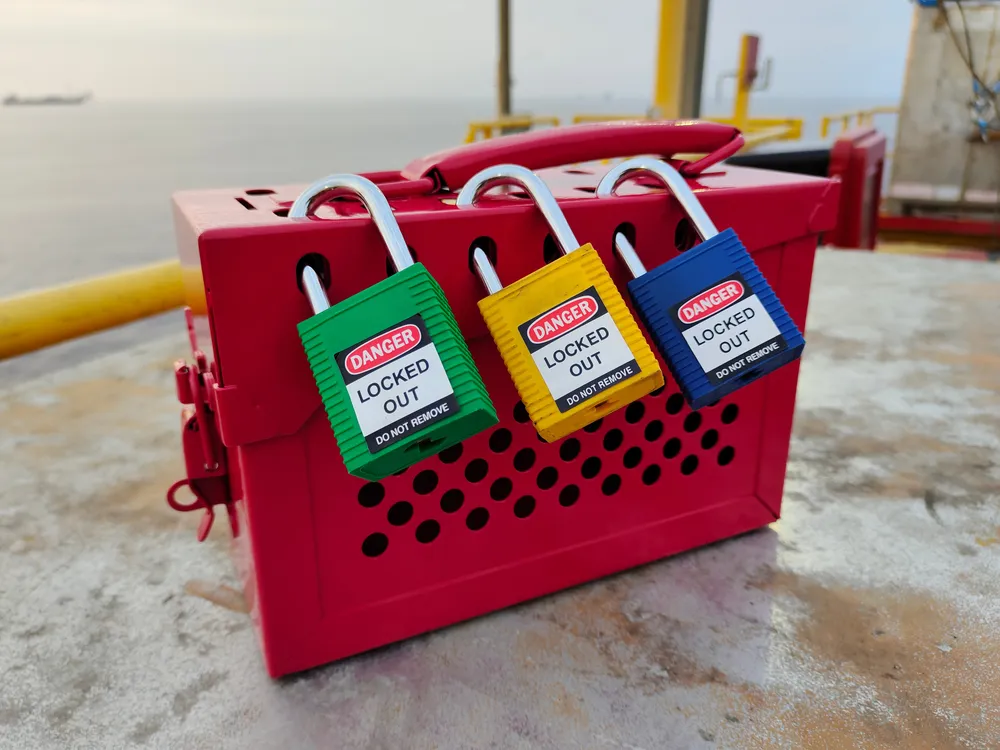
Steps to Implement Efficient Lockout Tagout Procedures
Identify equipment and energy sources, create written procedures, provide necessary equipment, and train employees on procedures.
Identifying equipment and energy sources
Proper lockout procedures begin with identifying the equipment and energy sources in your workplace.
This step is crucial because it allows you to understand which machines or systems pose potential hazards.
By knowing the specific equipment and energy sources, you can effectively implement lockout/tagout procedures that isolate these sources and prevent unexpected startup. Whether it’s electrical panels, machinery, or any other energy source, being able to identify them accurately ensures that you can take the necessary precautions to keep yourself and others safe.
So take the time to familiarise yourself with all the equipment and energy sources in your workplace – it’s a critical first step towards creating a safer work environment for everyone involved.
Creating written procedures
Creating written procedures is a vital aspect of implementing efficient lockout/tagout practices. These procedures serve as a clear and concise guide for employees to follow when performing lockout/tagout tasks.
By documenting the steps involved, equipment and energy sources can be easily identified, ensuring that nothing is overlooked. Written procedures also provide a consistent approach across the organisation, reducing the risk of errors or misunderstandings.
Additionally, having documented procedures allows for easy training of new employees and serves as a reference tool for authorised personnel to ensure compliance with safety regulations.
Providing necessary equipment
We understand the importance of providing you with the necessary equipment for implementing effective lockout/tagout procedures in your workplace. By equipping you with the right tools, such as lockout devices and tagout labels, we help ensure that you have everything you need to safely isolate energy sources and protect yourself from potential hazards.
Our goal is to make it easy for you to follow proper procedures and prevent accidents or injuries while working on equipment maintenance or repairs. With our reliable equipment, you can confidently carry out lockout/tagout protocols and create a safer working environment for yourself and your employees.
Training employees on procedures
Properly training employees on lockout/tagout procedures is essential for maintaining a safe work environment. By ensuring that employees are knowledgeable about these procedures, you can significantly reduce the risk of accidents and injuries in the workplace.
Training provides employees with the necessary skills to correctly use lockout devices and follow proper safety protocols when servicing or performing maintenance on equipment. By emphasising the importance of following these procedures, you can create a culture of safety where employees understand and prioritise hazard prevention.
So, invest in comprehensive training programs that equip your employees with the knowledge they need to keep themselves and others safe while working with potentially hazardous equipment or energy sources.
Best Practices for Employee Training on Lockout Tagout Procedures
To ensure the effectiveness of employee training on lockout tagout procedures, implementing best practices is crucial. From hands-on training to regular refresher courses, these practices enhance workplace safety and build a culture of awareness and responsibility.
Read more to discover how your employees can be better equipped to prevent accidents and protect themselves and others.
Hands-on training
We believe that hands-on training is a crucial component of employee education in proper lockout procedures. This type of training allows employees to actively practice and apply their knowledge in real-life situations, enhancing their understanding and confidence.
By physically engaging with lockout devices and equipment, employees can develop the necessary skills to safely isolate energy sources and prevent accidents. Hands-on training also provides an opportunity for employees to ask questions, receive immediate feedback, and identify any potential challenges or areas for improvement.
Overall, hands-on training ensures that employees are well-prepared to effectively implement lockout procedures when needed, promoting a safe work environment for everyone involved.
Regular refresher courses
Regular refresher courses are an essential part of employee training for lockout/tagout procedures. These courses help to reinforce and update employees’ knowledge and skills, ensuring they stay current with safety protocols.
By participating in regular refresher courses, employees have the opportunity to review the importance of lockout/tagout procedures, refresh their understanding of potential hazards, and stay up-to-date with any changes or updates to regulations.
This ongoing training plays a vital role in maintaining a safe work environment by keeping employees aware and knowledgeable about proper lockout/tagout practices. So make sure you schedule regular refresher courses for your employees to keep them well-prepared and confident in following lockout/tagout procedures.
Encouraging employee involvement
We believe that encouraging employee involvement is crucial for the success of lockout/tagout procedures. When employees are actively involved in safety protocols, they become more invested in creating a safe work environment.
They can contribute their knowledge and ideas to improve procedures and identify potential hazards. Additionally, by involving employees in training sessions and safety meetings, they gain a sense of ownership and responsibility for their well-being and the well-being of their coworkers.
This leads to better compliance with lockout/tagout procedures and reduces the risk of accidents or injuries. Employee involvement also fosters a culture of safety, where everyone looks out for one another’s safety and takes proactive measures to mitigate risks.
Implementing a monitoring and review system
We believe that implementing a monitoring and review system is essential for maintaining the effectiveness of lockout/tagout procedures. By regularly monitoring and reviewing the implementation of these procedures, homeowners can ensure that employees are following them correctly and identify any areas that may need improvement.
This allows for ongoing evaluation of employee knowledge and understanding, as well as addressing any gaps or issues that may arise. A robust monitoring and review system contributes to a safe work environment by ensuring compliance with regulations, reducing the risk of accidents and injuries, and continuously enhancing workplace safety measures.
Evaluating the Success of Employee Training for Lockout Tagout Procedures
We assess employee knowledge and understanding, measure safety and productivity improvements, and address any gaps or issues that arise from the training.
Assessing employee knowledge and understanding
We understand the importance of assessing employee knowledge and understanding when it comes to lockout/tagout procedures. It is essential to ensure that employees have a thorough understanding of the procedures and are competent in implementing them correctly.
By regularly assessing their knowledge, we can identify any gaps or areas for improvement and provide the necessary training and support. This allows us to maintain a safe work environment, minimise the risk of accidents, and protect both our employees and equipment from potential harm.
Measuring safety and productivity improvements
To truly assess the effectiveness of employee training in lockout/tagout procedures, it is important to measure safety and productivity improvements. By monitoring workplace incidents and accidents over time, we can determine if there has been a reduction in injuries resulting from equipment malfunctions or unexpected energy releases.
Additionally, tracking downtime and productivity losses allows us to see if the implementation of proper lockout/tagout procedures has contributed to a more efficient work environment.
These measurements help us identify areas for improvement and ensure that our training programs are making a significant impact on both safety and productivity.
Addressing any gaps or issues
We understand that even with thorough training, there may still be gaps or issues when it comes to implementing lockout/tagout procedures. It’s essential to address these gaps and issues promptly to ensure workplace safety.
Regular monitoring and review systems can help identify any areas where employees may need additional training or support. By assessing employee knowledge and understanding, you can determine if there are any gaps in their comprehension of the procedures.
Additionally, measuring safety improvements and productivity levels will provide valuable insights into the effectiveness of the training program. It’s crucial to take immediate action to address any identified gaps or issues and make necessary adjustments to enhance workplace safety continuously.
Invest in Employee Training
In conclusion, employee training in proper lockout procedures is essential for maintaining workplace safety and preventing accidents. By ensuring that employees are familiar with lockout/tagout procedures and understand the potential hazards involved, organisations can create a productive work environment while reducing downtime and compliance risks.
To learn more about the importance of employee training in lockout/tagout procedures, continue reading our blog.