
Tag Out System · 28 February 2024
Importance of Clear Documentation in Tag Out
We’ve all been there, haven’t we? The heart-stopping moment when someone hollers out, “Oi, which switch do we flick?!” in the middle of a hectic workday. Just like you blokes, we’ve had our fair share of head-scratching due to dodgy signs that nearly led to some serious mishaps.
Here’s a hard fact for ya: Getting your lockout/tagout procedures down pat can knock workplace accidents down by a whopping 25%. Crikey! Our guide is chock-a-block with the nitty-gritty on creating top-notch documentation that’ll keep every member of your crew safe as houses.
Key Takeaways
- Clear documentation in tag out prevents mishaps by providing vital info and instructions on machinery isolation during maintenance, which can reduce workplace accidents by 25%.
- Accurate records of lockout/tagout activities show compliance with safety rules and help keep everyone informed about the status of equipment and procedures.
- Having detailed descriptions of energy isolating devices and lockout/tagout steps in place ensures that only workers who are authorised know how to safely manage equipment isolation.
- Regular audits of tag-out documentation highlight any procedure gaps or issues, contributing to ongoing improvements in workplace safety standards.
- Enforcing clear doco on tagging out gear strengthens overall site safety. It keeps all workers clued – in about essential practices for dodging injuries when dealing with potentially dangerous kits.
What is Tag Out?
Tag out is a safety procedure used to isolate and lock the energy source of equipment during maintenance or servicing. It helps prevent accidental start-ups and ensures the safety of employees working on the equipment.
Definition
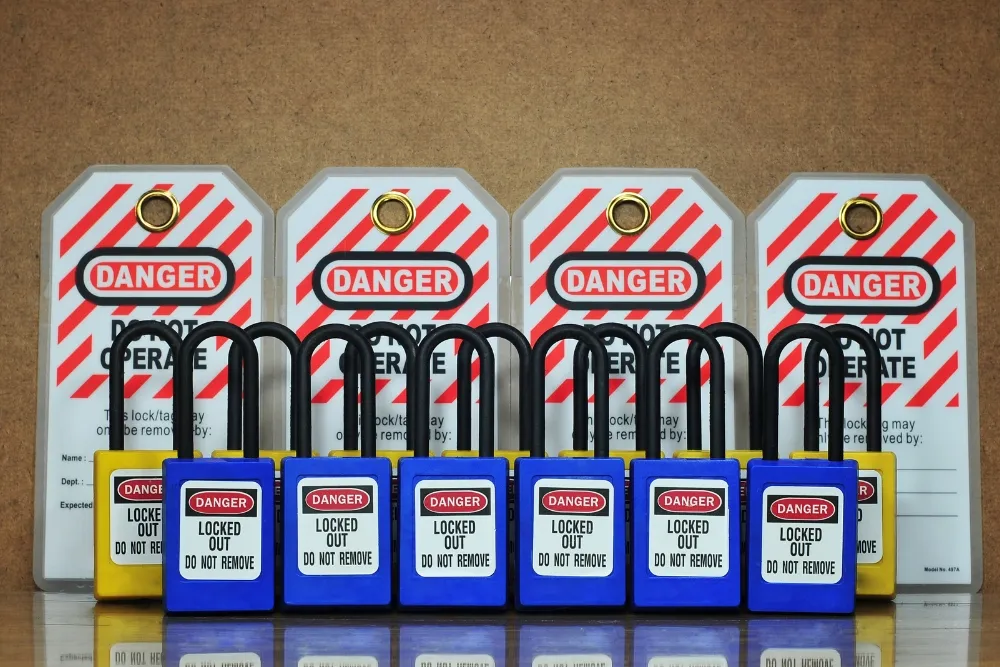
Tag Out is a safety procedure critical for protecting workers from the dangers associated with equipment during maintenance and servicing. Essentially, it involves placing a tag on an energy-isolating device to indicate that the machinery should not be operated until the tag is removed by someone authorised to do so.

This visual warning helps communicate important information about the lockout condition of equipment, safeguarding people from potential hazards.
These tags serve as clear warnings; they’re designed to alert everyone in the vicinity that specific machinery is off-limits. We use dangerous tags specifically because they signal a direct threat to anyone who might think about starting up or moving isolated equipment.
Also, incorporating photos or details of responsible individuals directly into our documentation reinforces who has control over restoring operations safely. By creating standardised procedures around these practices, we ensure consistency and mitigate risks across any workplace environment.
Purpose
Clear documentation in Tag Out serves a vital purpose for ensuring workplace safety. It provides employees with the necessary information on equipment isolation procedures and helps maintain compliance with regulations.
By clearly outlining lockout/tagout procedures, including details of energy isolating devices and identification of authorised personnel, documentation ensures that employees have a clear understanding of their roles in maintaining safety standards within the workplace.
Moreover, effective documentation establishes consistency and accuracy in implementing tag-out procedures. This includes standardising lockout/tagout devices across the workplace and providing essential information on the condition of equipment during maintenance.
Importance of Effective Documentation in Tag Out
Effective documentation in tag out is crucial as it ensures compliance with regulations, provides a clear understanding of procedures, and ensures consistency and accuracy in safety measures.
It helps to keep everyone on the same page and reduces the risk of errors or misunderstandings.
Ensures compliance with regulations
Proper documentation of lockout/tagout (LOTO) procedures is essential for ensuring compliance with workplace safety regulations. Clear documentation provides evidence that LOTO procedures are being followed, which is crucial for meeting regulatory requirements and maintaining a safe working environment.
Compliance with regulations is achieved through detailed records of lockout/tagout activities, demonstrating adherence to safety standards and guidelines.
Clear documentation also serves as a reference point during safety inspections, helping to verify that proper LOTO procedures have been implemented as per the regulatory requirements.
Provides a clear understanding of procedures
Clear documentation of lockout/tagout (LOTO) procedures is essential for providing a comprehensive understanding of the necessary safety measures. By detailing the specific steps and requirements involved in LOTO, employees can easily comprehend their role in maintaining workplace safety.
This clarity ensures that everyone knows how to properly isolate equipment and understand the critical nature of lockout/tagout procedures, helping to prevent accidents and injury.
Identifying authorised personnel, outlining energy isolating devices, and describing lockout/tagout processes are crucial components that contribute to a clear understanding of LOTO procedures.
Ensures consistency and accuracy
By providing a clear understanding of procedures, ensuring consistency and accuracy is crucial for maintaining workplace safety. This includes standardised documentation of lockout/tagout (LOTO) procedures, which helps in effectively communicating the steps that need to be followed by employees when working on or near electrical circuits and equipment.
Consistent and accurate documentation also ensures that all necessary information regarding energy isolating devices, lockout/tagout procedures, authorised employees, and other critical details are readily accessible to everyone involved in the process.
Moreover, this approach helps to prevent potential errors caused by misinterpretation or incomplete information.
Standardisation of LOTO procedures through clear and precise documentation can significantly reduce the risk of injuries while working with hazardous equipment or machinery. It empowers everyone within the workplace – from homeowners to office owners – with essential knowledge about lockout/tagout policies and their role in adhering to these vital safety measures.

Key Components of Clear Tag Out Documentation
Details of energy isolating devices and a thorough description of lockout/tagout procedures are crucial components of clear documentation for tag out. Identification of authorised employees who can perform the lockout/tagout procedure is also essential for effective safety measures.
Details of energy-isolating devices
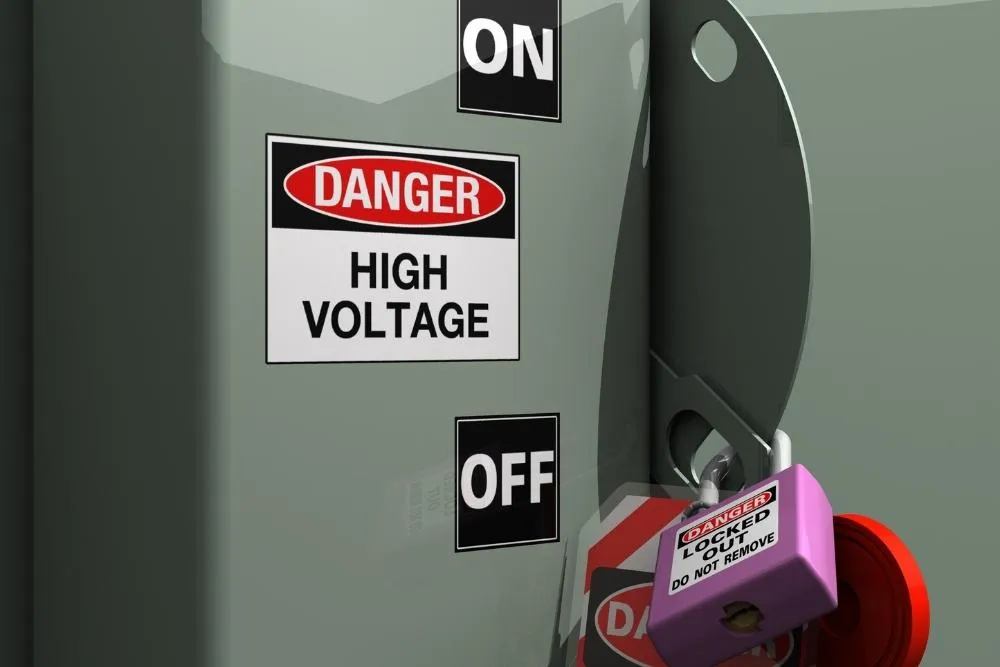
Energy isolating devices are critical components in lockout/tagout procedures, helping to safeguard against hazardous energy sources. These devices physically prevent the release of energy and may include circuit breakers, disconnect switches, or line valves employed for LOTO purposes.
Clear documentation of these energy-isolating devices is crucial, as it ensures that employees understand how to effectively isolate equipment before maintenance or servicing. Comprehensive documentation should outline the specific energy isolating points for each piece of machinery, providing essential guidance for authorised personnel and contributing to a safe working environment.
Standardisation of energy-isolating devices across workplace equipment can be achieved through clear and concise documentation. This standardisation helps ensure that employees can easily identify and use these devices when required, promoting uniformity in safety practices throughout the facility.
Description of lockout/tagout procedures
Lockout/tagout procedures involve the physical removal of energy sources and the use of lockout devices to prevent equipment from being operated. Tagout devices are also used to indicate that a piece of equipment has been isolated and should not be activated.
Clear documentation is crucial for these procedures, including details about energy isolating devices, step-by-step descriptions of lockout/tagout processes, and identification of authorised employees.
Proper documentation ensures compliance with safety regulations, provides a clear understanding of procedures, and helps maintain consistency and accuracy in implementing lockout/tagout measures.
Standardisation and frequent audits help ensure that all necessary information is consistently documented across the workplace. Employees need to easily access complete documents explaining LOTO policies at any time.
It’s important that homeowners or office owners establish clear systems for submitting reports on maintenance activities while maintaining consistent enforcement of documentation requirements.
Identification of authorised employees
After clearly defining and communicating the lockout/tagout policy and establishing a system for submitting and receiving reports, it is crucial to ensure that only authorised employees are designated to perform the tag-out procedures.
All authorised employees must be clearly identified within the documentation, including their names, positions, and specific responsibilities related to tag-out procedures. This helps ensure that only trained personnel with an understanding of energy isolation devices are permitted to carry out equipment isolation activities safely.
Proper identification of authorised employees also contributes to a safer work environment by preventing unauthorised individuals from interfering with locked-out equipment. It ensures that those who hold the responsibility for tag-out procedures are easily identifiable by other staff members as well as management.
Implementing Effective Documentation Strategies for Tag Out
We will discuss clearly defining and communicating the policy, establishing a system for submitting and receiving reports, performing frequent audits, and enforcing documentation procedures.
Clearly defining and communicating the policy
Clear communication of the lockout/tagout policy is essential to ensure that all employees understand and adhere to the procedures. Clearly defining the policy helps to establish expectations, responsibilities, and consequences for non-compliance.
This ensures that everyone in the workplace, whether homeowners or office owners, understands their role in maintaining a safe environment. Emphasising the importance of following these procedures through effective communication helps create a culture of safety consciousness and adherence to documentation standards.
Consistent communication about lockout/tagout procedures also aids in reinforcing employee understanding and compliance with safety protocols. Implementing strategies for clearly communicating the policy, such as regular training sessions and easily accessible documentation resources, is crucial for ensuring that everyone understands their roles and responsibilities regarding tag out.
Establishing a system for submitting and receiving reports
We establish a structured process for submitting and receiving reports on lockout/tagout (LOTO) procedures. This entails creating clear guidelines for employees to document LOTO activities and incidents.
Employees are encouraged to report any deviations or inadequacies in the documentation promptly, ensuring that potential safety hazards are addressed effectively.
To ensure accountability, we designate specific individuals responsible for receiving and reviewing reports. These designated employees then take appropriate action to rectify any issues identified in the submitted reports.
Performing frequent audits
Performing frequent audits is crucial to ensure that the lockout/tagout (LOTO) procedures remain effective and compliant. Regular inspections help in identifying any deviations or issues, ensuring that the documentation accurately reflects the current state of equipment isolation.
Additionally, conducting frequent audits can also highlight any potential gaps or deficiencies in the LOTO procedures, allowing for prompt rectification and continuous improvement.
These proactive measures contribute to maintaining a safe working environment by upholding consistency and accuracy across all documented LOTO processes.
Frequent audits are essential for verifying that employees adhere to correct LOTO protocols and reinforcing compliance with safety regulations. The systematic review of documentation can reveal any inconsistencies, ensuring that all energy-isolating devices are appropriately tagged out and secured according to standard operating procedures.
Enforcing documentation procedures
Enforcing documentation procedures is essential for maintaining the integrity of lockout/tagout (LOTO) processes. We ensure that all employees submit their reports and maintain accurate records of LOTO activities, guaranteeing compliance with safety regulations and creating a culture of accountability.
Additionally, we establish strict protocols to facilitate periodic audits, ensuring that our documentation remains up-to-date and reflective of current operating practices.
By enforcing documentation procedures, we can create a safe working environment while also promoting transparency and responsibility in LOTO usage. This holistic approach helps us maintain consistent standards and fosters an environment where everyone understands the importance of following LOTO procedures without compromise.
Elevate Safety Standards with Our Tagout Solution!
In summary, clear documentation plays a crucial role in tag-out procedures. It ensures compliance with regulations and provides a clear understanding of procedures. The implementation of effective documentation strategies is essential to guarantee consistency and accuracy in tag-out processes.
By focusing on transparent and comprehensive documentation, workplaces can enhance safety measures for employees involved in equipment maintenance.
Clear documentation is the cornerstone of effective tag-out procedures. Ensure your workplace safety with meticulous documentation practices from Tag Out System. Our solutions streamline your tagging process, providing clarity and compliance every step of the way. Elevate your safety standards – partner with us for comprehensive documentation in tag-out procedures. Contact Us Now!