
LockOut Equipment · 14 March 2024
Implementing Tag Out in Highly Regulated Industries
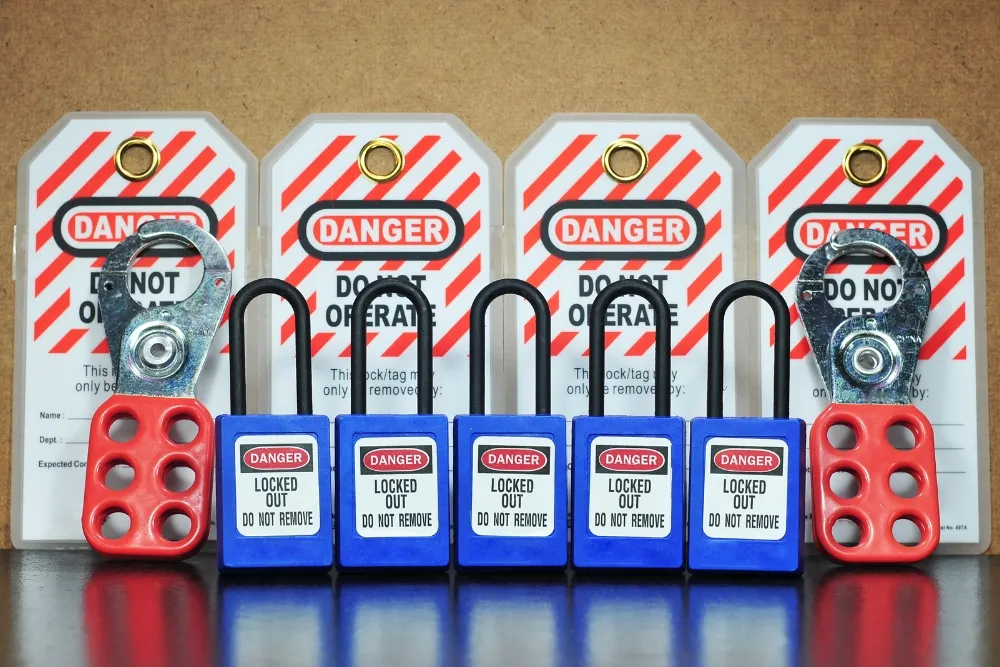
Ensuring the safety of your team at work can be a real challenge, especially in industries brimming with machinery. We understand all too well that navigating this minefield is tough – with around 50 Aussie workers each year suffering serious injuries due to the accidental release of hazardous energy.
Our article delves into how implementing tag-out procedures can make a world of difference in preventing these kinds of accidents.
Key Takeaways
- Implementing tag-out and lockout/tagout procedures is a key strategy to prevent accidents in the workplace, especially where machinery can release hazardous energy.
- Following regulatory guidelines for lockout/tagout not only keeps workers safe but also ensures businesses comply with industry safety standards.
- Identifying all potential energy sources and hazards, isolating them, de-energising stored energy, and conducting risk assessments are essential steps in effective lockout/tagout practices.
- Management, supervisors, and authorised individuals each have crucial roles in enforcing lockout/tagout procedures to maintain workplace safety.
- Using technology like SafetyCulture (formerly iAuditor) helps manage tag-out procedures more efficiently and enhances compliance by minimising human errors.
The Importance and Benefits of Lockout/Tagout Procedures
We all know that workplace safety is not just a priority but a necessity, especially in sectors where the risk of injury from hazardous energy release is high. Implementing lockout/tagout procedures stands out as a critical strategy for hazard control.
These protocols ensure that dangerous machines are properly shut off and can’t be started up again before the completion of maintenance or repair work. This method effectively prevents accidents and enhances overall workplace safety measures, protecting both our team members and our business from potential legal complications.

Moreover, adhering to these procedures demonstrates compliance with industrial safety standards and regulatory requirements, which is essential in highly regulated industries. Lockout/tagout practices not only safeguard employees from unexpected starts or hazardous energy releases but also contribute to creating a safer work environment that promotes operational efficiency and reliability.
Through this commitment to occupational safety, we build trust among our workers and stakeholders while ensuring that our operations remain uninterrupted by avoidable incidents.
Understanding the Regulatory Framework for Lockout/Tagout
Understanding the regulatory framework for lockout/tagout is crucial. Regulations are in place to ensure workplace safety and prevent hazardous energy-related accidents. Compliance regulations guide the implementation of lockout/tagout procedures, outlining specific steps and requirements to protect employees from potential injuries caused by unexpected machinery activations or releases of stored energy.
It’s essential to follow these guidelines meticulously to maintain a safe work environment and prevent workplace hazards.
Compliance with regulatory guidelines not only ensures workplace safety but also demonstrates a commitment to risk prevention and employee well-being. By adhering to these regulations, workplaces can effectively control hazardous energy, reduce the risk of injury, and provide a secure environment for all personnel involved in equipment maintenance or servicing activities.
Understanding the regulatory framework is fundamental as it underpins an effective lockout/tagout programme tailored towards maintaining compliance with ever-evolving safety standards.

Key Components and Steps of an Effective Lockout/Tagout Procedure
To ensure effective lockout/tagout procedures, it is vital to identify all energy sources and hazards, isolate energy sources, de-energise stored energy, implement general safety precautions, and safely shut down equipment.
Reading more on the specific steps will help in understanding the intricacies of maintaining workplace safety protocols.
Identifying all energy sources and hazards
Identify all energy sources and hazards in your workplace to ensure comprehensive safety measures. Regularly inspect equipment, machinery, and systems to identify potential energy sources such as electrical, mechanical, hydraulic, pneumatic, chemical, and thermal.
Additionally, assess foreseeable hazards related to the release of hazardous energy during maintenance or servicing activities. By conducting thorough identification and assessment of energy sources and associated hazards in your workplace environment, you can effectively mitigate risks of injuries or accidents stemming from unexpected energisation or start-ups.
By identifying all energy sources and associated hazards within your workplace settings – whether it involves manufacturing operations or facility management – you can proactively address potential safety concerns through appropriate lockout/tagout procedures.
Isolating energy sources
Before we continue with isolating energy sources, it’s crucial to identify all potential hazards. Once these are known, the next step is to isolate energy sources. This involves turning off machinery and equipment using proper lockout devices or switches to prevent unexpected start-ups during maintenance.
It’s essential for reducing the risk of injury and ensuring a safe work environment for everyone involved in maintaining or repairing equipment.
Isolating energy sources is a critical part of our safety procedures as it prevents hazardous energy release and enables us to carry out maintenance tasks without putting ourselves at risk.
De-energising stored energy
De-energising stored energy is a critical step in lockout/tagout procedures. This involves safely releasing and dissipating any residual energy that may still be stored in the equipment or machinery even after it has been shut down.
By de-energising stored energy, potential hazards from unexpected movements or releases of pressure are minimised, ensuring a safer work environment for everyone involved. A thorough understanding of the different types of energy sources and how to control them is crucial in effectively de-energising stored energy to prevent workplace injuries and accidents.
After identifying all energy sources and isolating them, de-energising stored energy becomes the next focal point in preventing hazardous situations related to equipment safety. Implementing this step diligently contributes significantly towards mitigating risks associated with workplace protocols and ensures the controlled release of hazardous energies like electrical, mechanical, hydraulic, pneumatic or thermal power sources.
Implementing general safety precautions
Implementing general safety precautions is crucial in minimising workplace hazards and ensuring the safety of employees. Identifying all energy sources and potential hazards, isolating these sources, and shutting down equipment safely are essential steps to prevent hazardous energy release.
Implementing lockout/tagout procedures through risk assessment helps mitigate the risk of injury.
Safe shutdown of equipment underpins effective lockout/tagout procedures. Implementing general safety precautions involves meticulous attention to detail and control measures that must be tailored towards each specific work environment.
Safe shutdown of equipment
When shutting down equipment, follow a strict procedure. First, ensure all energy sources are identified and properly isolated to prevent any hazardous energy release. Next, de-energise stored energy and implement general safety precautions before commencing the shutdown process.
By adhering to these steps, workplace injuries can be prevented effectively.
Risk assessment
When conducting a risk assessment for lockout/tagout procedures, we identify all potential energy sources and assess the hazards associated with them. We then determine the likelihood of an accident or injury occurring as a result of these hazards.
After that, we evaluate the severity of each potential outcome to understand the level of risk posed by the energy sources. By systematically assessing these risks, we can implement effective control measures to prevent workplace injuries and ensure a safe working environment.
The risk assessment process allows us to proactively address potential dangers and design comprehensive lockout/tagout procedures tailored towards mitigating identified risks. It underpins our commitment to workplace safety by enabling us to take proactive steps in preventing hazardous energy-related accidents.
Responsibilities for Implementing Lockout/Tagout Procedures
Employees at all levels must be aware of their roles in ensuring the successful implementation of lockout/tagout procedures. Every individual, from management to supervisors and authorised personnel, holds a crucial part in upholding workplace safety standards.

Management
Management plays a crucial role in ensuring the successful implementation of lockout/tagout procedures. As leaders, it is our responsibility to establish and enforce clear policies and guidelines for energy isolation.
We need to provide adequate resources, training, and oversight to ensure that lockout/tagout procedures are followed diligently throughout our organisation.
Additionally, management should regularly review and update lockout/tagout procedures in line with regulatory requirements and industry best practices. It is important to monitor compliance and address any issues or concerns promptly.
Supervisors
Supervisors play a crucial role in ensuring the successful implementation of lockout/tagout procedures in our workplace. It is their responsibility to oversee and enforce compliance with safety protocols, conduct regular inspections, and provide necessary training to employees on proper lockout/tagout practices.
Additionally, supervisors must lead by example, demonstrating a commitment to safety and consistently reinforcing the importance of following lockout/tagout procedures rigorously. By actively engaging in these efforts, supervisors contribute significantly to preventing hazardous energy-related incidents, mitigating risks, and creating a safer work environment for everyone involved.
Utilising clear communication and providing continuous support are essential aspects of supervisory responsibilities when it comes to implementing effective lockout/tagout procedures.
Supervisors should prioritise fostering an organisational culture that values safety above all else while empowering employees to take ownership of their individual roles in adhering to lockout/tagout measures diligently.
Authorised individuals
Authorised individuals play a crucial role in implementing lockout/tagout procedures. They are responsible for conducting the actual lockout or tagout of energy sources and equipment.
This requires a thorough understanding of the energy control procedures, as well as strict adherence to safety protocols. Authorised individuals must receive comprehensive training on identifying energy sources, isolating them, and implementing general safety precautions before any maintenance or repair work can commence.
It is essential that these individuals are diligent in their duties to prevent workplace injuries and ensure the safe operation of equipment.
Furthermore, authorised individuals must have clear communication with management and supervisors regarding the status of lockout/tagout procedures to guarantee effective coordination and compliance with established safety measures.
Utilising Technology for Safe and Efficient Lockout/Tagout Procedures
Implementing technology for safe and efficient lockout/tagout procedures revolutionises workplace safety. SafeyCulture (formerly iAuditor) streamlines procedure management and enhances compliance.
The technology minimises human error and ensures effective control of hazardous energy release.
SafetyCulture (formerly iAuditor) for managing procedures
SafetyCulture (formerly iAuditor) simplifies the management of lockout/tagout procedures with its user-friendly interface. The platform allows us to create, schedule, and track our lockout/tagout procedures in one place.
It helps us streamline the process by digitising our paper-based systems, ensuring that nothing slips through the cracks. With SafetyCulture (formerly iAuditor), we can easily access our lockout/tagout procedure documentation from any device, making it convenient for both home and business settings.
The system enables real-time collaboration among team members and supervisors when implementing lockout/tagout procedures. This fosters a proactive approach to workplace safety by keeping everyone on the same page.
SafetyCulture (formerly iAuditor) also provides insights into performance data and trends, allowing us to continuously improve our lockout/tagout practices for maximum efficiency and compliance.
Benefits of using technology
Using technology for lockout/tagout procedures can streamline the process, making it more efficient and effective. With digital solutions like SafetyCulture (formerly iAuditor), managing and updating procedures becomes easier, allowing for real-time access to critical information.
This not only saves time but also ensures that lockout/tagout procedures are consistently followed, reducing the risk of workplace injuries related to hazardous energy release.
Technology offers the advantage of centralising all documentation and creating a digital record of compliance with lockout/tagout regulations. Additionally, these platforms facilitate regular safety inspections and maintenance checks across multiple facilities.
Related articles and resources
We can find more information on implementing tags in highly regulated industries. This includes articles and resources about lockout/tagout programmes, workplace hazard control methods, and the steps involved in lockout procedures.
Additionally, resources are available for understanding the regulatory framework for lockout/tagout and utilising technology to enhance safety measures. These materials also cover the risk of injury prevention and hazardous energy control techniques that are crucial for both homeowners and business owners.
Elevate Safety Standards with Our Tagout Solution!
In conclusion, implementing tags in highly regulated industries is crucial for preventing workplace injuries and minimising hazardous energy release. By following the key components and steps of an effective lockout/tagout procedure, we can ensure a safe working environment.
It’s important that management, supervisors, and authorised individuals understand their responsibilities for implementing these procedures. Utilising technology such as SafetyCulture (formerly iAuditor) can significantly enhance the efficiency and effectiveness of lockout/tagout processes.
Taking proactive measures to implement robust tag-out procedures is vital in ensuring workplace safety and compliance with regulatory standards.
Are you in a highly regulated industry and seeking to implement robust safety measures? Look no further! Our Tag Out System offers tailored solutions designed to meet the stringent requirements of highly regulated industries. With our expertise, you can ensure compliance, mitigate risks, and safeguard your workforce. Take a proactive step towards safety excellence by implementing Tag Out in your organisation. Contact us today to get started!