
Tag Out System · 12 November 2023
Identifying and Addressing Potential Hazards with Tag Out System Auditing

Ever found yourself a bit on edge about the potential safety hazards in your workplace, all because of equipment that might not be handled just right? No worries – you’re not alone.
We’ve tackled the nitty-gritty of ensuring every piece of machinery is up to scratch and safe as houses. Through solid facts, we’ve unpacked the ins and outs of lockout/tagout audits – it’s not only crucial for keeping your mates out of harm’s way but also a legal must-do.
Ready to get some real-deal advice on making your workspace safer than ever? Let’s crack into turning your work area into a no-go zone for dangers!
Key Takeaways
- The lockout/tagout procedure is essential for preventing accidents related to hazardous energy sources and maintaining a safe work environment.
- Conducting regular lockout/tagout audits helps identify deficiencies in procedures and employee competency, enabling the prompt addressing of potential hazards.
- Evaluating exposure and probability of occurrence allows for the implementation of effective energy controls and procedures, ensuring workplace safety.
Understanding the Lockout/Tagout Procedure
The lockout/tagout procedure is a crucial safety measure to de-energise equipment and prevent hazardous energy release. It involves specific steps to ensure the safety of employees working on or around machinery.

Definition and purpose
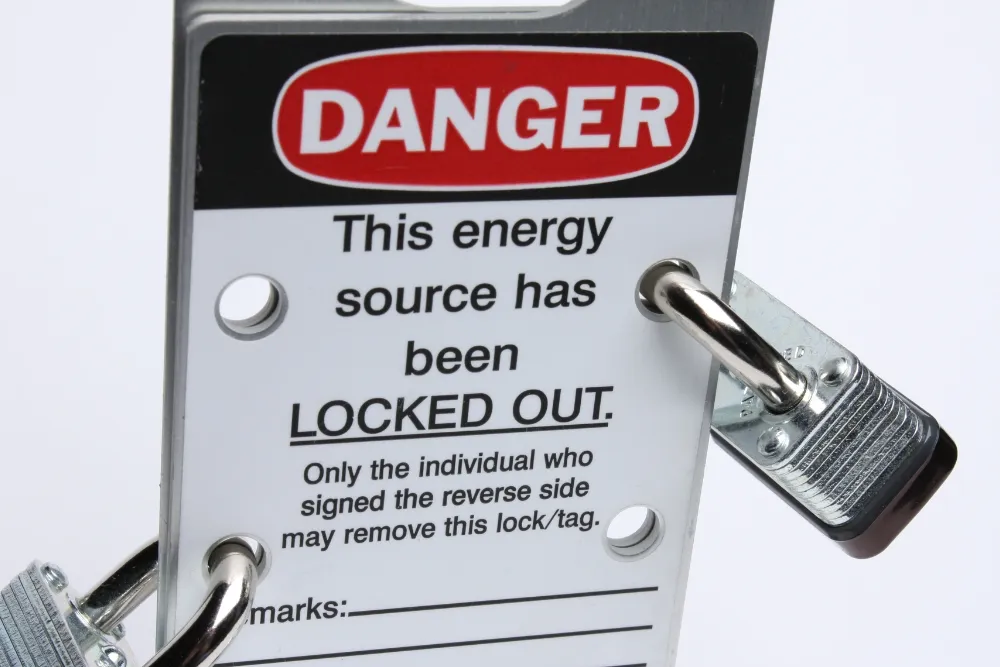
Lockout/Tagout procedures are all about maintaining control over hazardous energy sources in our workplaces. We lock and tag energy-isolating devices to make sure machines stay off during maintenance or repair work.
This process safeguards us from sudden starts or releases of stored energy, which could cause serious harm.
Our main aim is to prevent accidents and injuries. By rigorously applying these safety protocols, we establish a secure environment for everyone involved. It’s vital for keeping industrial and office settings safe while complying with regulatory standards, ensuring that no one accidentally powers up a piece of equipment when they shouldn’t.
With clear tagging, we communicate crucial information: this machinery isn’t just off, it’s deliberately isolated and must remain so until the right steps have been taken to make it safe again.
Importance of de-energising equipment
De-energising equipment is crucial for preventing accidental startup or release of hazardous energy. This process involves locking and tagging energy sources to ensure that dangerous equipment is properly shut off and cannot be started up again.
Adhering to the lockout/tagout procedure is essential for maintaining a safe work environment, especially in situations where dangerous equipment needs to be prevented from being restarted.
Taking steps to de-energise equipment protects employees from workplace hazards and ensures safety compliance. Implementing energy controls and procedures as part of lockout/tagout audits also serves as an effective way to identify, address, and eliminate potential risks associated with hazardous energy sources in the workplace.
Steps involved in the procedure
To conduct a lockout/tagout procedure, follow these steps:
- Identify and document all energy sources that need to be controlled.
- Notify all affected employees about the equipment shutdown and explain the purpose.
- Isolate the energy sources by turning off or disconnecting them from their power supply.
- Apply the appropriate lockout/tagout devices to each energy-isolating device to ensure it cannot be turned on.
- Test the equipment to verify that it is properly de-energised before starting any maintenance or repairs.
- Ensure that only the employee who applied the lockout/tagout devices removes them once work is completed.
Conducting a Lockout/Tagout Audit
We will review the lockout/tagout procedure and assess employee competency to identify any deficiencies that need to be addressed.
Procedure review
When conducting a Lockout/Tagout Audit, it’s crucial to begin by thoroughly reviewing the lockout/tagout procedures in place. This involves:
- Ensuring that all energy sources are clearly identified and properly labelled for easy recognition.
- Verifying that the procedures outline the correct methods for shutting down and isolating energy sources, such as electrical panels or hydraulic systems.
- Confirming that the procedures provide clear guidance on the use of lockout/tagout devices, including when and how they should be applied.
- Checking for any updates or revisions needed to align with current safety standards and best practices.
- Assessing whether the procedures are readily accessible to all employees who may need to reference them during equipment maintenance or servicing.
Employee competency review
After thoroughly reviewing and addressing deficiencies in the lockout/tagout procedures, it is vital to ensure that employees are competent and well-trained in implementing these safety protocols. Here’s how to conduct an employee competency review:
- Assess each employee’s understanding of the lockout/tagout procedure through a comprehensive knowledge test, ensuring that they can identify potential energy sources and understand the steps involved in isolating hazardous energy.
- Conduct practical demonstrations to assess employees’ ability to effectively lock out and tag out equipment, emphasising the correct use of safety devices and the importance of accurate documentation.
- Provide regular refresher training sessions to reinforce employees’ knowledge and ensure that they remain up-to-date with any procedural changes or new safety regulations.
- Encourage open communication between management and employees regarding any concerns or uncertainties about the lockout/tagout procedure, fostering a culture of continuous improvement and shared responsibility for workplace safety.
- Recognise and reward employees who consistently demonstrate a strong commitment to adhering to lockout/tagout protocols, contributing to a positive safety culture within the organisation.
- Incorporate real-life scenarios and case studies into training programs to enhance employees’ understanding of the potential hazards associated with failure to properly implement lockout/tagout procedures.
Addressing deficiencies
We identify deficiencies by carefully reviewing our lockout/tagout procedures and assessing employee competency. We aim to eliminate any gaps that could compromise safety. We address deficiencies promptly to ensure the effectiveness of our lockout/tagout program in preventing accidents related to hazardous energy sources.
By addressing deficiencies, we uphold workplace safety standards and mitigate potential hazards. This proactive approach helps us maintain a safe work environment for everyone involved in operating equipment or machinery.
Next, let’s delve into performing a Lockout/Tagout Risk Assessment to further enhance workplace safety measures.
Performing a Lockout/Tagout Risk Assessment
Identifying potential hazards is crucial for workplace safety. Learn how to evaluate exposure and probability of occurrence in our upcoming blog post!
Identifying potential hazards
Identifying potential hazards is crucial for ensuring workplace safety. We must assess various areas to pinpoint potential dangers:
- Inspect all equipment and machinery for faulty wiring, leaks, or loose parts that could lead to energy release.
- Review the layout of the workspace to identify any confined spaces or areas with limited visibility where workers may be at risk.
- Consider human factors such as fatigue, distraction, or lack of training that could contribute to unsafe practices.
- Evaluate the use of hazardous materials and chemicals in the workplace to ensure proper containment and handling procedures are in place.
- Examine potential fire hazards, including sources of ignition and flammable materials present in the environment.
- Assess environmental factors such as temperature variations, humidity levels, and other conditions that could pose safety risks.
- Look for potential ergonomic hazards that may lead to musculoskeletal disorders or repetitive strain injuries among employees.
Evaluating exposure and probability of occurrence
With potential hazards identified, it is crucial to evaluate the exposure and probability of occurrence to implement effective energy controls and procedures. This assessment involves determining how often employees are at risk of being exposed to hazardous energy sources and the likelihood of accidents happening.
By evaluating these factors, we can develop tailored strategies for minimising risks and ensuring workplace safety.
Once hazardous energy sources have been identified, the next step is evaluating employee exposure levels and assessing the likelihood of accidents occurring. Understanding these aspects allows us to establish specific safety measures that address potential risks effectively.
Implementing energy controls and procedures
Evaluating exposure and probability of occurrence is crucial in identifying potential hazards, but it’s equally important to implement effective energy controls and procedures to mitigate these risks. Here are some key steps to consider:
- Install physical barriers and guards to prevent contact with hazardous energy sources.
- Develop clear and detailed lockout/tagout procedures for shutting down and isolating equipment.
- Provide employees with the necessary tools and personal protective equipment (PPE) for safe isolation and control of energy sources.
- Regularly inspect and maintain lockout/tagout devices to ensure their effectiveness and reliability.
- Implement a system for verifying the isolation of energy sources before any maintenance or servicing work begins.
Legal Requirements for Lockout/Tagout Procedures
In this section, we will discuss the relevant legislation in Victoria and Australia regarding lockout/tagout procedures, as well as the implementation and compliance guidelines.
Relevant legislation in Victoria and Australia
The relevant legislation in Victoria and Australia mandates the implementation of lockout/tagout procedures to ensure workplace safety. Compliance with these regulations is crucial for preventing accidents related to hazardous energy sources.
Adhering to the Lockout Tagout Standard framework, which outlines the isolation of potential energy sources and elimination of potential hazards, is essential. Regular audits and inspections are necessary to reveal inconsistencies and problems in a lockout/tagout program, promoting a safe work environment as per Australian regulations.
Additionally, testing and tagging of electrical equipment is required to ensure safety and compliance with regulations. Home, industrial, or office owners must understand that annual lockout/tagout audits are important for identifying deficiencies and ensuring employee competency regarding these critical procedures.
Implementation and compliance guidelines
Ensure all energy sources are properly locked and tagged according to the Lockout/Tagout Standard. Regularly review and update lockout/tagout procedures to maintain compliance with legal requirements.
Conduct annual audits to reveal any inconsistencies or problems in the lockout/tagout program, ensuring a safe work environment for all employees. Keep up with testing and tagging of electrical equipment to ensure safety measures are up-to-date.
Implement employee training on proper lockout/tagout procedures, emphasising the critical importance of adhering to these guidelines for workplace safety.
Following these implementation and compliance guidelines is crucial in maintaining a safe work environment and preventing accidents related to hazardous energy sources, keeping both employees and assets protected from potential hazards.
Best Practices for Lockout/Tagout Audits
Regular audits and inspections should be conducted to ensure that lockout/tagout procedures are being followed correctly. Employee training and awareness programs should also be implemented to ensure that all staff understand the importance of the procedure and how to perform it safely.
Risk assessment and hazard control should be ongoing, with continuous improvement of procedures based on findings from audits and assessments.
Regular audits and inspections
Perform regular audits and inspections to ensure that lockout/tagout procedures are being implemented effectively and consistently throughout the workplace. This will help in identifying any potential hazards and deficiencies in the system.
- Schedule periodic audits and inspections at regular intervals to thoroughly review the lockout/tagout procedures in place.
- Assess the competency of employees involved in implementing and following the lockout/tagout procedures, ensuring they understand the importance of de-energising equipment and are capable of performing the necessary steps accurately.
- Identify any deficiencies or areas for improvement within the lockout/tagout procedures, and promptly address them to enhance safety measures.
- Review previous audit findings to monitor trends, areas of consistent compliance, as well as any recurring issues that may require focused attention.
- Use audit results to continually improve and update lockout/tagout procedures, creating a safer work environment for employees while preventing accidents related to hazardous energy sources.
Employee training and awareness
After conducting regular audits and inspections, focusing on the training and awareness of employees is crucial for maintaining a safe work environment. It is imperative to provide comprehensive training programs to all employees to ensure they understand the importance of lockout/tagout procedures and are aware of potential hazards in the workplace. Here are important considerations for employee training and awareness:
- Conduct regular safety training sessions to educate employees about lockout/tagout procedures, including the purpose, steps involved, and the significance of following these procedures.
- Ensure that all employees are familiar with the specific energy sources and equipment in their work areas that require lockout/tagout procedures, along with recognising associated hazards.
- Provide clear instructions on how to use lockout/tagout devices properly and emphasise the importance of adhering to safety protocols at all times.
- Promote a culture of safety by encouraging open communication regarding potential hazards, reporting any issues or concerns, and actively participating in safety programs.
- Reinforce employee awareness through visual aids, posters, and reminders placed strategically throughout the workplace to serve as constant reminders of proper lockout/tagout practices.
- Regularly review and update training materials to ensure that employees are informed about any changes in procedures or regulations related to lockout/tagout processes.
Risk assessment and hazard control
Performing a lockout/tagout risk assessment is essential for maintaining a safe work environment and preventing accidents related to hazardous energy sources. Here are important steps to consider:
- Identify potential hazards within your workplace, including electrical, mechanical, thermal, hydraulic, pneumatic, chemical, and other energy sources.
- Evaluate the exposure and probability of occurrence of each identified hazard to determine the level of risk associated with it.
- Implement energy controls and procedures specific to each hazard to effectively minimise or eliminate the associated risks.
- Regularly review and update risk assessment findings based on changes in equipment, processes, or environmental factors
Continuous improvement of procedures
To ensure ongoing safety, we regularly review and refine our lockout/tagout procedures. We routinely seek feedback from employees and use the findings of risk assessments to update and enhance our protocols.
This proactive approach helps us stay ahead of potential hazards, ensuring that our workplace remains safe for everyone.
We consistently train employees on any updated procedures, emphasising the importance of their role in maintaining a secure work environment. Additionally, we conduct regular inspections to identify any new risks or areas for improvement as part of our commitment to continuous enhancement of our lockout/tagout processes.
Tag Out System Auditing
In conclusion, conducting regular lockout/tagout audits is crucial for identifying and addressing potential hazards in the workplace. Implementing energy controls and procedures based on risk assessments can significantly reduce the probability of accidents related to hazardous energy sources.
It is important to prioritise employee training and awareness to maintain a safe work environment. Continuous improvement of lockout/tagout procedures is essential for enhancing occupational safety standards.