
Lockout Tagout · 17 June 2026
How to Handle Lockout/Tagout Violations in the Workplace
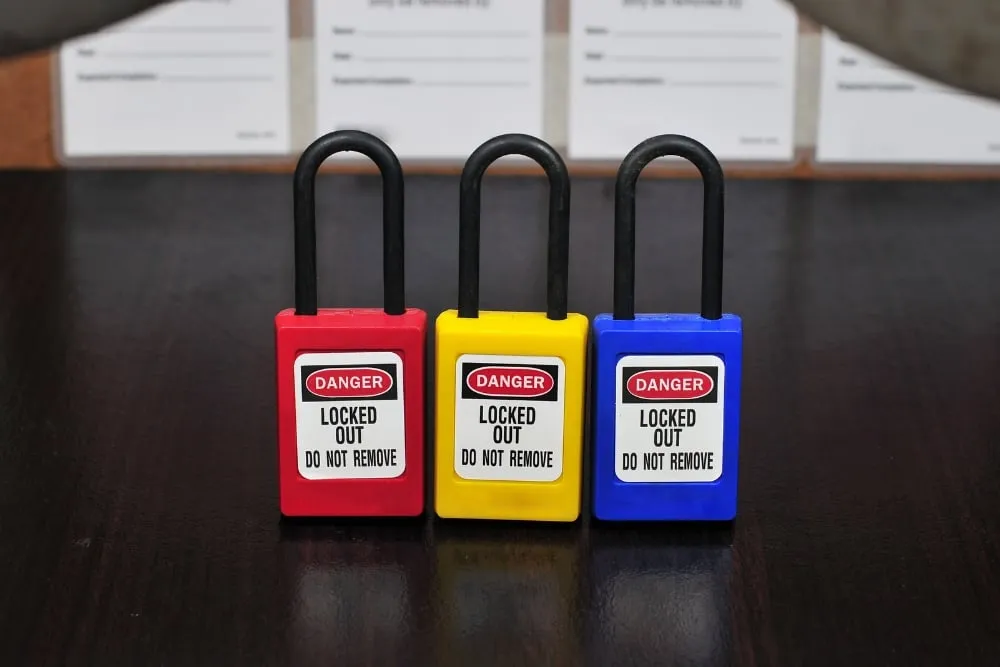
Lockout/tagout (LOTO) violations are among the most serious safety failures in any industrial or maintenance environment. When procedures are skipped or equipment is not properly isolated, workers face real risk of injury or death. Knowing how to identify, report, and respond to violations is essential for every supervisor, safety officer, and worker on site.
What Counts as a Lockout/Tagout Violation?
A LOTO violation occurs any time a worker or employer fails to follow the required procedures for isolating hazardous energy before maintenance, servicing, or repair work begins. Common violations include:
- Failing to apply a lockout device or danger tag before starting work
- Removing another worker’s lock or tag without authorisation
- Using a tag alone where a physical lock is required
- Re-energising equipment before all workers have cleared the area
- Not verifying that isolation was effective before commencing work
- Skipping the LOTO procedure because a task seems quick or low risk
In Australia, these obligations sit within the Work Health and Safety Act 2011 (WHS Act) and relevant state or territory legislation. Employers have a duty to provide safe systems of work, and LOTO procedures are a core part of that duty.
Immediate Steps When You Identify a Violation
If you witness or discover a LOTO violation, the priority is to stop the risk before addressing the process failure.
1. Stop Work Immediately
Halt the task and ensure the affected equipment is properly isolated before work continues. Do not attempt to complete the job first. No productivity target justifies proceeding with an unsafe isolation.
2. Secure the Area
Keep other workers away from the energy source until correct isolation is confirmed. Apply the appropriate lockout device and danger tag and verify that all hazardous energy has been dissipated or blocked.
3. Report the Violation
Notify your supervisor or site safety officer as soon as the immediate risk is controlled. Document what was observed, who was involved, the time and location, and the equipment affected. Written records are critical if a regulator investigation follows.
4. Do Not Retaliate Against the Reporter
Workers have a right to raise safety concerns without fear of adverse consequences. Retaliation against someone who reports a LOTO violation is unlawful under the WHS Act and can expose a business to significant penalties.

Investigating the Violation
A thorough investigation identifies the root cause, so the same failure does not recur. The goal is not to assign blame but to understand what broke down in the system.
Key questions to answer during the investigation:
- Was the worker trained in the LOTO procedure for this specific piece of equipment?
- Was the correct lockout equipment available and in good condition?
- Was the LOTO procedure clearly documented and accessible at the point of work?
- Did time pressure or workload contribute to the shortcut?
- Has this type of violation occurred before on this site?
Document findings in a corrective action report. Set clear timeframes for each remediation item and assign a responsible person to each action.
Consequences of Lockout/Tagout Violations
The consequences for LOTO violations in Australia can be severe. Under the WHS Act, individuals and businesses can face:
- Infringement notices and on-the-spot fines issued by the regulator
- Improvement or prohibition notices requiring immediate changes
- Prosecution for Category 1, 2, or 3 offences depending on severity
- Multi-million-dollar fines for a body corporate found guilty of a Category 1 offence
- Workers compensation claims and civil liability
Beyond financial penalties, a serious LOTO failure that results in a fatality can trigger a coronial inquest and criminal proceedings against individuals in management roles. The reputational damage to a business can be lasting.
Preventing Future Violations
Reactive responses are not enough. A strong LOTO program prevents violations before they happen.
Regular Training and Competency Checks
Workers must be trained on the specific LOTO procedures for every piece of equipment they are authorised to work on. Training should be refreshed regularly and whenever procedures change. Verbal acknowledgement is not sufficient; workers should demonstrate competency in practice.
Scheduled and Unannounced Audits
Conduct regular audits of LOTO compliance across the site. Unannounced spot checks provide a more accurate picture of day-to-day practice than scheduled inspections alone. Use audit findings to update procedures and target training gaps.
Reliable, Purpose-Built Lockout Equipment
Workers cannot follow correct procedures if the right equipment is not available. Lockout devices must be:
- Durable enough to withstand the conditions of the site
- Clearly visible with high-contrast danger tags
- Individually keyed so each worker applies their own personal lock
- Compliant with Australian safety standards
Tag Out System manufactures lockout equipment specifically for the demands of Australian mining and construction environments. Browse the Tag Out System product range to find the right solution for your site’s isolation requirements.
Fostering a Culture Where Safety Is Non-Negotiable
Management behaviour sets the tone. When supervisors and managers consistently follow LOTO procedures themselves, workers understand that shortcuts are not tolerated at any level. Recognise workers who raise safety concerns and treat every near-miss report as an opportunity to improve rather than a problem to suppress.
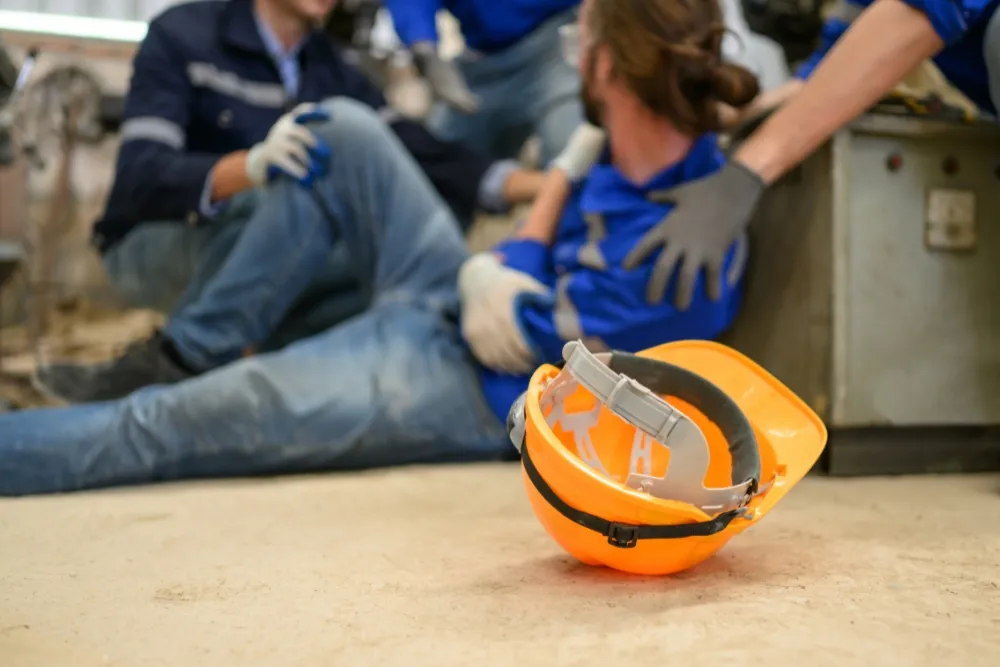
When Do You Need to Notify the Regulator?
Under the WHS Act, you must notify your state or territory regulator immediately if a LOTO violation results in a notifiable incident. A notifiable incident includes:
- The death of a person
- A serious injury or illness requiring immediate medical treatment
- A dangerous incident that exposed a person to serious risk, even if no injury resulted
Notification must be made by the fastest available means, and the site must be preserved until a regulator inspector gives clearance to proceed. Failure to notify is itself an offence.
The Right Equipment Makes Compliance Easier
Handling LOTO violations effectively starts with having the right systems and equipment in place before an incident occurs. Clear procedures, well-trained workers, and purpose-built lockout devices reduce the likelihood of violations and make it easier to demonstrate compliance when a regulator comes knocking.