
Tag Out System · 11 November 2023
Equipping Employees for Safety Success with Tag Out System Training
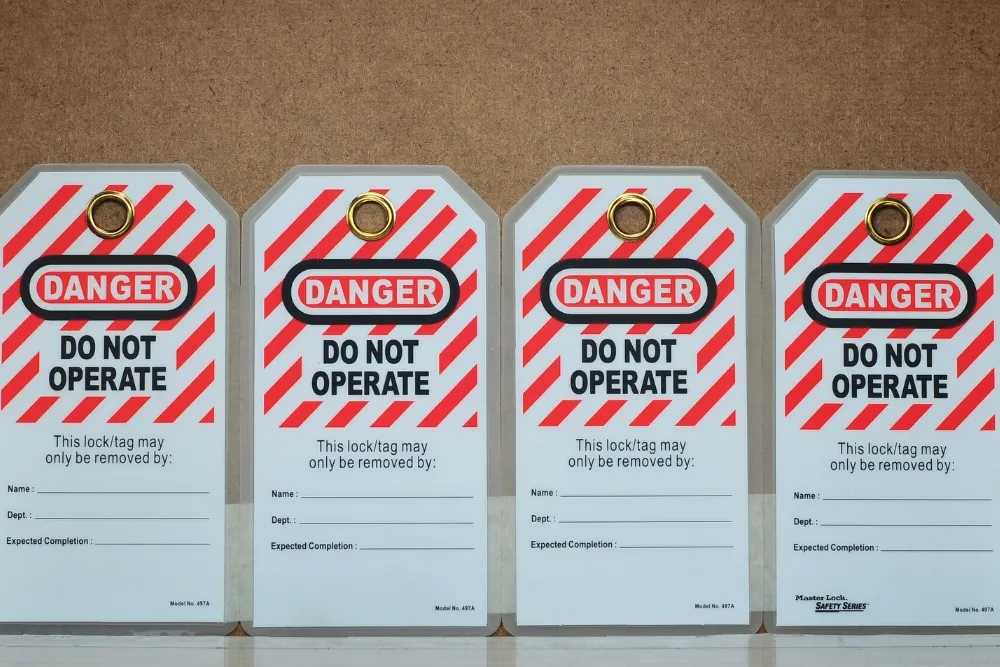
Running a workplace isn’t just about ticking off tasks and meeting targets, it’s about looking out for your team. As someone who’s been in the thick of it, I get that keeping everyone safe can be a real worry.
That’s why getting Tag Out System Training right is as important as a hard hat on a construction site. Because believe it or not, with a top-notch Lockout/Tagout (LOTO) program in place, we could dodge thousands of injuries every year, now there’s food for thought! So let me guide you through this: our little yarn today could be the secret sauce to ensuring your crew knows their stuff when it comes to dodging dangers around machinery and energy hazards.
Keep your eyes peeled; we’re about to lay down some groundwork for safety success that’d make even the toughest health and safety inspectors tip their hats!
Key Takeaways
- Machine guarding is crucial in protecting employees from hazardous machinery and minimising the risk of accidents such as cuts, amputations, or worse. It also complements lockout/tagout procedures to secure energy sources during maintenance.
- Lockout/Tagout (LOTO) involves de-energising and isolating machinery or equipment from its energy source before any maintenance work, affixing a lock onto the energy isolation device, and placing a tag to indicate that the equipment must not be operated until authorised personnel remove it.
- Compliance with requirements for machine guarding and lockout/tagout procedures is critical to ensuring workplace safety. This includes installing guards on moving parts of machinery, developing written LOTO procedures, providing durable lockout/tagout devices, offering comprehensive employee training, and conducting regular reviews of LOTO procedures.
- Inadequate training in lockout/tagout procedures poses serious risks to workplace safety and may result in non-compliance with regulatory standards and costly penalties. Neglecting energy sources during LOTO can lead to severe workplace injuries while unauthorised removal of locks/tags exposes individuals to hazardous energy sources.
Importance of Lockout/Tagout and Machine Guarding
Understanding machine guarding is essential for protecting employees from hazardous machinery, while lockout/tagout procedures ensure that equipment is properly shut off and not accidentally turned on during maintenance or servicing.
Understanding Machine Guarding
Machine guarding is a safety feature we cannot overlook in our workplaces. It serves as a barrier between dangerous equipment parts and our employees, keeping them safe while they work.
These protective guards ensure that the risk of accidents such as cuts, amputations, or worse are minimised. We make sure all moving parts that could pose hazards, such as belts, gears, chains, and rollers, are properly shielded to prevent any contact injuries.
Proper machine guarding also goes hand-in-hand with lockout/tagout procedures to secure energy sources during repair or maintenance. This comprehensive approach ensures machines are both physically guarded and electrically neutralised before anyone performs potentially risky tasks on them.
Next up we’ll discuss what exactly ‘Lockout/Tagout’ means and why it’s crucial for our safety success.
What is Lockout/Tagout?
Understanding the importance of machine guarding is crucial for workplace safety. Now, transitioning to the concept of Lockout/Tagout (LOTO), this safety procedure involves de-energising and isolating machinery or equipment from its energy source before any maintenance or servicing work.
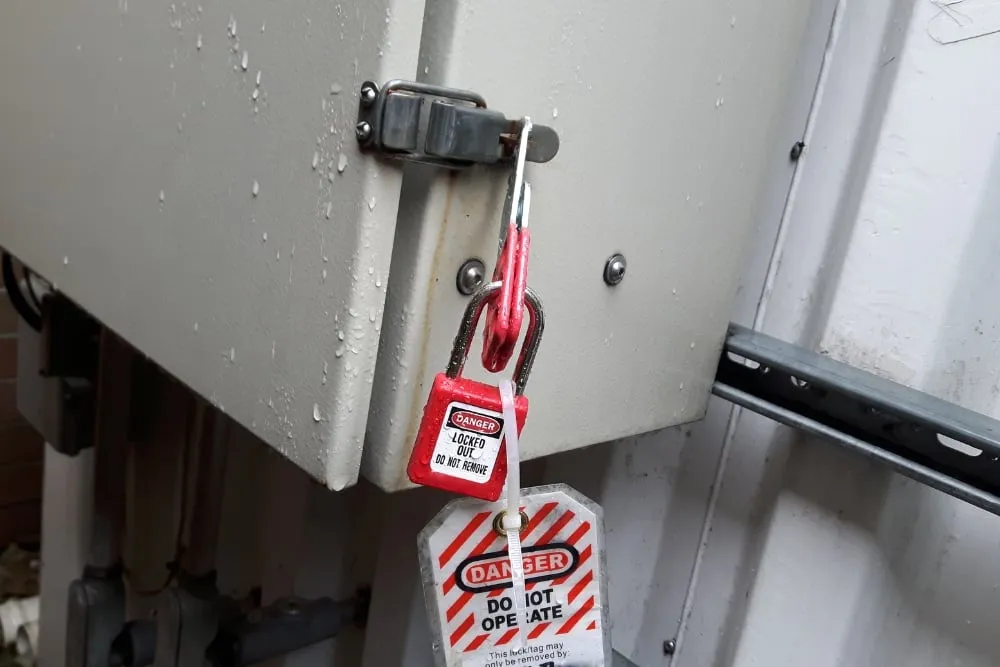
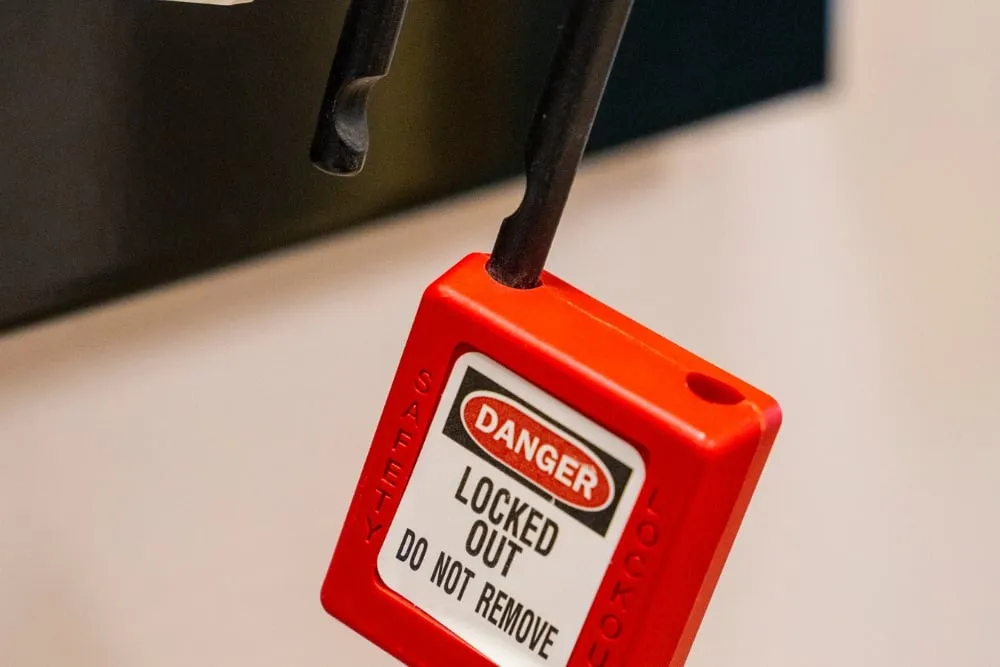
In Lockout/Tagout procedures, employees affix a lock onto the energy isolation device, ensuring that power remains disconnected throughout their work on the equipment. Additionally, a tag is placed to indicate that the equipment must not be operated until the tag is removed by an authorised person after completing all necessary tasks.
This simple yet critical process protects workers from hazardous energy releases and ensures their safety while performing essential job functions in various industries and work environments.
The Importance of LOTO and Machine Guarding
Implementing a robust Lockout-Tagout (LOTO) program significantly enhances workplace safety. LOTO is essential for protecting workers from injury while working on or near electrical circuits and equipment.
All employees authorised to lock out machines or equipment must undergo thorough training to acquire and retain the necessary knowledge and skills required for a successful LOTO program.
It is important to have a comprehensive understanding of the importance of LOTO procedures, as it directly impacts workplace safety.
The final step in lockout/tagout is crucial for ensuring the safety of employees and equipment. Brady Compact Lockout Padlocks are designed for use in electrical lockout applications to keep workers safe and equipment free from damage.
Compliance with Requirements
We will discuss the requirements for machine guarding and lockout/tagout procedures. It’s important to understand these regulations to ensure workplace safety and compliance.
Requirements for Machine Guarding
To ensure workplace safety, it is essential to adhere to requirements for machine guarding. By following these regulations, you can significantly reduce the risk of accidents and injuries in your facility. Here are the detailed requirements for machine guarding:
- Install guards on all moving parts of machinery, such as belts, gears, and pulleys, to prevent accidental contact by employees.
- Implement barriers or enclosures to isolate processes or equipment that may pose a hazard to individuals working in the vicinity.
- Ensure that machine guards are securely fixed and cannot be easily removed or tampered with by unauthorised personnel.
- Regularly inspect and maintain machine guards to identify any signs of wear or damage that may compromise their effectiveness.
- Provide adequate training to employees on the importance of machine guarding and how to operate machinery safely around installed guards.
Requirements for Lockout/Tagout Procedures
When implementing Lockout/Tagout procedures, it is crucial to comply with the following requirements:
- Identification of Energy Sources: Identify and document all energy sources that need to be controlled, including electrical, mechanical, hydraulic, pneumatic, and thermal energy.
- Written Procedure Development: Develop and document specific procedures for the control of hazardous energy sources during equipment maintenance or servicing.
- Lockout/Tagout Devices: Provide lockout/tagout devices that are durable, standardised, and identifiable for each energy source in the workplace.
- Employee Training: Ensure comprehensive training for authorised employees on the purpose and use of lockout/tagout devices as well as the procedural requirements for safe equipment servicing.
- Periodic Review: Regularly review and update lockout/tagout procedures to ensure they remain effective in safeguarding workers from potential hazardous energy releases during equipment maintenance or servicing.
Common Violations and Consequences
Many workplace safety violations, such as inadequate training and neglecting energy sources, can result in serious consequences including fines and potential injuries.
Inadequate Training
Inadequate training poses a significant risk to workplace safety and can lead to serious consequences.
Employees who are not properly trained in lockout/tagout procedures may fail to recognise potential hazards or improperly execute energy control policies, putting themselves and others at risk of injury.
Effective training empowers employees with the knowledge and skills needed to safely carry out lockout/tagout procedures, reducing the likelihood of workplace accidents. As owners, investing in thorough and ongoing instruction for your workers is crucial for maintaining a culture of safety within your organisation.
Neglecting Energy Sources
Neglecting energy sources during lockout/tagout procedures poses a significant risk to the safety of employees and equipment. Failure to identify all potential energy sources, including electrical, mechanical, hydraulic, pneumatic, chemical, thermal, or other hazardous energy sources can lead to serious workplace injuries.
Proper training on recognising and isolating these energy sources is crucial for preventing accidents and ensuring compliance with safety protocols. Ignoring any form of energy source increases the likelihood of equipment malfunction and poses a severe danger to personnel.
To avoid adverse consequences related to neglecting energy sources during lockout/tagout procedures, employees need to undergo comprehensive training that includes a thorough understanding of different types of potential energy hazards.
Recognising and addressing all forms of hazardous energy ensures a safer work environment while minimising the risk of accidents and promoting overall workplace safety standards.
Unauthorised Removal of Locks/Tags
Continuing our focus on safety violations, let’s address the serious matter of the unauthorised removal of locks and tags. This action poses a significant risk to both employees and equipment, as it exposes individuals to hazardous energy sources that could result in severe injury or even fatalities.
All team members need to understand the critical importance of respecting lockout/tagout procedures and not engaging in any form of unauthorised tampering or removal.
By strictly adhering to lockout/tagout protocols and refraining from removing locks or tags without proper authorisation, we uphold a culture of safety within our workplace. This simple yet crucial practice ensures that all employees are protected from unexpected energisation while performing maintenance tasks, ultimately contributing to a safe and secure working environment for everyone.
Failure to Inspect Equipment
When equipment is not inspected regularly, safety hazards can go unnoticed. Regular inspection of equipment is crucial to identify potential issues and ensure that everything is in proper working condition.
This proactive approach helps prevent accidents and keeps workers safe. Additionally, regular inspections contribute to the overall effectiveness of the lockout/tagout program by identifying any maintenance or repair needs promptly.
Failure to inspect equipment could lead to unforeseen mechanical failures or malfunctioning parts, which can result in serious workplace accidents. Inspecting equipment regularly ensures that all components are functioning correctly and comply with requirements for machine guarding and lockout/tagout procedures.
Incomplete Documentation
Incomplete documentation of lockout/tagout procedures can pose a serious risk to employee safety. Without thorough and accurate documentation, employees may not have the necessary information to perform lockout/tagout procedures effectively, potentially leading to accidents or injuries.
Incomplete records of equipment inspections, training sessions, and procedure documentation could result in non-compliance with requirements and increase the likelihood of workplace hazards.
Properly documenting all aspects of the lockout/tagout program is imperative for maintaining a safe work environment. Clear and comprehensive documentation ensures that employees have access to vital safety information when needed.
It also serves as evidence of compliance during audits and reinforces the importance of following established safety procedures. Industrial and office owners must prioritise complete documentation as an integral part of their commitment to ensuring workplace safety.
Best Practices for Compliance
Implement regular equipment inspections to ensure that all machine guarding and lockout/tagout procedures are being followed correctly.
Training Employees
Training employees is essential for maintaining a safe working environment. Here are the key steps to ensure effective training:
- Conduct comprehensive Lockout/Tagout (LOTO) safety procedures training, covering the six crucial steps and emphasising the importance of following them diligently.
- Provide detailed instructions on proper procedure documentation, including the correct use of lockout/tagout devices and energy control policies.
- Emphasise the significance of regular equipment inspections to ensure compliance with safety regulations and prevent workplace accidents.
- Utilise customisable training programs tailored to specific workplace requirements, ensuring that employees have a thorough understanding of LOTO safety procedures and best practices.
- Encourage supervisor involvement in training sessions to reinforce safety awareness and promote a culture of accountability among employees.
Proper Procedure Documentation
After training employees on lockout/tagout (LOTO) procedures, it is crucial to ensure proper documentation of the procedures. Documenting LOTO processes helps in maintaining compliance with requirements and serves as a reference point for employees when performing equipment maintenance.
Documentation should include detailed steps for isolating energy sources, securing lockout devices, and attaching tagout warnings. Additionally, records of employee training and regular equipment inspections must be maintained to demonstrate adherence to safety protocols.
Maintaining comprehensive procedure documentation not only supports workplace safety but also ensures that all necessary steps are followed during equipment servicing or repair. Clear and accessible documentation plays a vital role in empowering employees with the knowledge required for the successful implementation of LOTO procedures.
Regular Equipment Inspections
After ensuring proper procedure documentation, regular equipment inspections are crucial for maintaining a safe work environment. Here are the key aspects to consider:
- Scheduled Inspections: Regularly schedule equipment inspections to identify any potential issues or hazards.
- Use of Checklists: Implement checklists to ensure that all critical components are thoroughly inspected during each evaluation.
- Trained Inspectors: Equip designated employees with the necessary training to conduct comprehensive equipment inspections effectively.
- Maintenance Tracking: Keep track of maintenance and inspection records for each piece of equipment to ensure compliance with safety standards.
- Timely Repairs: Promptly address any identified concerns or malfunctions to prevent potential safety hazards or downtime.
- Documentation Review: Regularly review and update inspection documentation based on changes in equipment usage or workplace conditions.
- Feedback Integration: Encourage employees to provide feedback on their observations during routine inspections for continuous improvement.
- Safety Equipment Evaluation: As part of inspections, assess the condition and effectiveness of safety equipment such as lockout/tagout devices and machine guarding mechanisms.
- Employee Involvement: Engage employees in the inspection process, promoting accountability and ownership of workplace safety.
- Training Updates: Regularly update employee training based on insights gained from equipment inspections and incident reports for continual improvement.
Empowering Employees with Tag Out System Training
Equip your employees with the essential knowledge and skills they need to keep themselves and others safe in the workplace. Learn more about the importance of LOTO training and how it can benefit your business.
The Importance of LOTO Training
Lockout/Tagout (LOTO) training is crucial for workplace safety. Employees need to understand the significance of LOTO procedures in preventing injuries and accidents while servicing or maintaining machinery.
Engaging in comprehensive LOTO training equips employees with the knowledge and skills needed to effectively control hazardous energy sources, enhancing overall workplace safety compliance.
This ensures that all authorised staff can confidently implement lockout/tagout procedures, significantly reducing the risk of accidents and injury.
A comprehensive understanding of LOTO not only protects employees but also safeguards equipment from damage, ensuring a safe working environment for everyone involved. Business owners must prioritise investing in thorough LOTO training programs to keep their workforce knowledgeable and empowered when it comes to energy control policies and industrial safety practices.
Customisable Training Programs
After understanding the significance of Lockout/Tagout (LOTO) training, it is essential to acknowledge the value of customisable training programs. These tailored programs allow businesses to adapt safety procedures according to their specific industrial or office setting.
With a focus on individual needs and risks, these training programs create a more comprehensive approach to ensuring workplace safety. Moreover, they enable employees to understand and handle potential hazards unique to their work environment, empowering them with the knowledge and skills required for successful LOTO implementation.
Through customisable training programs, home, industrial and office owners can ensure that their employees receive targeted education on lockout/tagout procedures specific to their roles in the organisation.
The Role of Supervisors
Supervisors play a crucial role in ensuring the success of lockout/tagout (LOTO) training and implementation. They are responsible for overseeing and enforcing safety procedures, providing guidance to employees, and monitoring compliance with LOTO policies.
Supervisors must ensure that all workers under their supervision receive comprehensive training on energy control policies, lockout/tagout procedures, and machine guarding specialist courses to enhance workplace safety.
Additionally, supervisors should regularly assess equipment inspections and verify proper procedure documentation to maintain a safe working environment in line with standards.
Supervisors also empower employees by overseeing customisable LOTO training programs tailored to specific job roles and work environments. These programs not only equip employees with the knowledge and skills required for effective lockout/tagout but also emphasise the vital importance of adhering to electrical safety measures within occupational settings.
Tracking and Managing Employee Training and Policies
We must track and manage employee training and policies diligently to ensure compliance with safety procedures. Here are crucial steps for effective management:
- Regularly review and update training materials to reflect the latest safety standards and best practices, in line with requirements.
- Utilise digital platforms or software to efficiently track and document employee training completion, ensuring all staff members receive the necessary lockout/tagout training.
- Conduct regular assessments or quizzes to gauge employees’ understanding of lockout/tagout procedures and identify areas that require additional reinforcement.
- Implement clear policies for reporting any issues or gaps in training, providing a channel for employees to raise concerns or seek further clarification on safety protocols.
- Assign designated personnel, such as supervisors or safety officers, to oversee and monitor employee compliance with lockout/tagout procedures during work activities.
- Create a transparent system for updating and maintaining safety policies, ensuring accessibility for all employees, including new hires or those undergoing refresher training.
- Establish a feedback mechanism where employees can provide input on the effectiveness of the training programs and suggest improvements to enhance overall safety awareness.
- Continuously reinforce the importance of adhering to lockout/tagout policies through regular communications, toolbox talks, or safety meetings, fostering a culture of responsibility and accountability among employees.
Engage in Tag Out System Training
Empowering employees with effective tag-out system training is crucial for ensuring workplace safety. Training programs should be customisable to suit specific company needs, and supervisors play a key role in overseeing employee compliance.
It’s essential to track and manage training policies to uphold safety standards. Implementing robust lockout/tagout procedures and providing thorough employee training significantly enhances workplace safety.