LockOut Equipment · 7 April 2024
Environmental Sustainability in Tag Out Practices
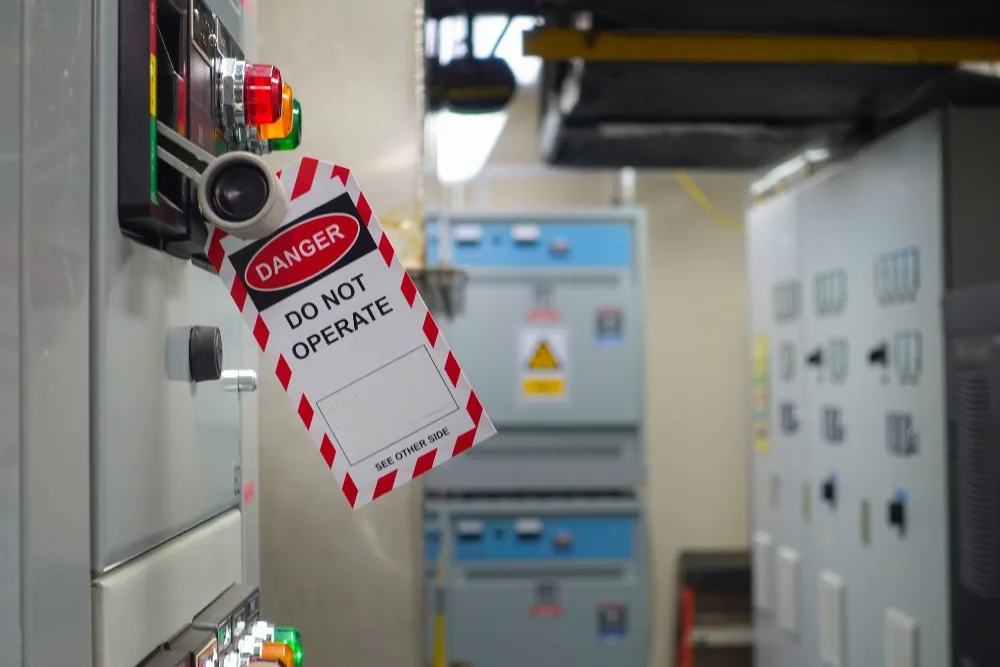
Many businesses find themselves wrestling with the challenge of improving their environmental footprint while not compromising on safety. We get it – we’ve walked that path as well, discovering along the way that implementing sustainable practices in lockout tagout (LOTO) procedures can really make a difference.
Key Takeaways
- Lockout Tagout (LOTO) practices help save energy, and reduce waste and emissions in the workplace while ensuring worker safety.
- Using eco-friendly materials for locks and tags and establishing sustainable LOTO programmes are key to minimising environmental impact.
- It’s crucial to back up environmental claims regarding LOTO practices with clear evidence to maintain trustworthiness.
- Regular training ensures employees understand the importance of sustainability in lockout tagout procedures, promoting a safer work environment.
- Taking action against misleading environmental claims about LOTO practices protects consumers and supports genuine sustainability efforts.
Understanding Lockout Tagout (LOTO)
Lockout Tagout (LOTO) is an essential safety procedure that involves de-energising and isolating energy sources to prevent hazardous energy release during maintenance. It plays a pivotal role in workplace safety by protecting workers from the unexpected startup of machinery or equipment.
Definition and purpose
Lockout Tagout (LOTO) is a safety procedure used to ensure that dangerous machines are properly shut off and not started up again before the completion of maintenance or repair work.
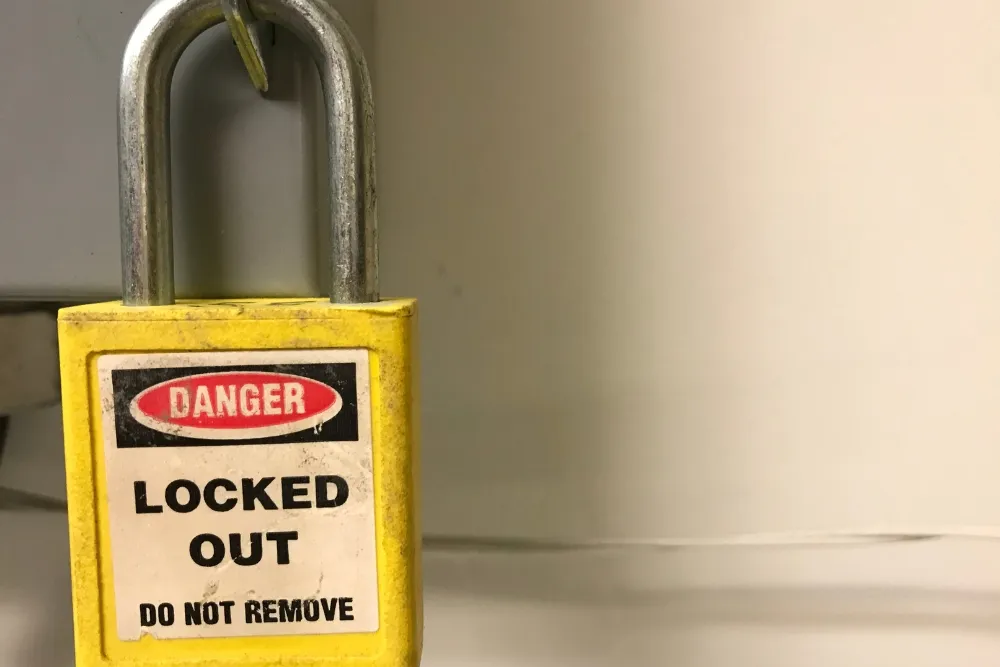
It involves placing a lock and tag on energy isolation devices which prevents the release of hazardous energy. The purpose behind it is simple yet vital: to protect workers from the risk of injury due to unexpected activation or release of stored energy.
This method plays a crucial role in maintaining workplace safety, especially in environments where machinery operations are routine.
We use this practice as part of our commitment to sustaining both worker safety and environmental sustainability. By preventing unintended machinery operations, LOTO helps us save energy, reduce potential emissions, and minimise waste production during equipment downtime.
This aligns with sustainable development principles by safeguarding human health while promoting the efficient use of resources. Through these actions, we move closer towards creating safer, more sustainable business operations and workplaces.
Importance of LOTO in workplace safety
LOTO plays a critical role in workplace safety, ensuring that workers are protected from hazardous energy sources. Implementing LOTO procedures effectively prevents unexpected energisation or startup of machinery and equipment during maintenance and servicing activities, reducing the risk of workplace injuries and fatalities.
By adhering to LOTO protocols, you prioritise the well-being of your employees and contribute to a safer work environment.
Integrating LOTO practices not only safeguards personnel but also enhances operational efficiency by preventing costly downtime due to accidents. It is vital for business owners to recognise the significance of LOTO in promoting a secure workplace environment that prioritises the health and safety of all individuals involved.
Environmental Impact of LOTO Practices
LOTO practices have a significant environmental impact, including conserving energy, reducing waste and emissions, and promoting sustainable work practices. These practices contribute to a healthier and more eco-friendly workplace.
Energy conservation
Energy conservation is a crucial aspect of environmental sustainability in LOTO practices. By implementing energy isolation procedures, businesses and homeowners can reduce energy consumption, leading to cost savings and a reduced environmental impact.
The use of locking and tagging devices during equipment maintenance prevents unnecessary energy usage, promoting responsible environmental claims and sustainable resource management.
Implementing eco-conscious practices such as de-energising techniques not only minimises workplace injury risks but also contributes to overall conservation efforts.
The deployment of sustainable tagging procedures supports an environmentally friendly workplace while conserving valuable resources. Promoting green initiatives through effective energy conservation measures aligns with the principles of environmental stewardship, fostering an eco-friendly approach towards hazardous energy control.
Reduced waste and emissions
From energy conservation through to reduced waste and emissions, we see how important it is to minimise environmental impact when carrying out lockout tagout (LOTO) practices. By effectively managing resource usage and preventing unnecessary emissions, we can help create a safer and greener workplace for all.
Implementing sustainable LOTO procedures not only enhances safety but also contributes to environmental conservation by significantly reducing waste generation and harmful emissions, making our work environments more eco-friendly.
Properly executed LOTO practices play a critical role in minimising waste and emissions, aligning with our shared goal of promoting an environmentally responsible approach within our workplaces.
Promoting sustainable work practices
Promoting sustainable work practices in workplace safety not only reduces environmental impact but also ensures a safer and healthier working environment for employees. By implementing energy conservation measures, such as turning off equipment during lockout tagout procedures, businesses can reduce their carbon footprint and save on energy costs.
Additionally, using eco-friendly materials for locking devices and tags contributes to reduced waste and emissions, aligning with a sustainable development philosophy.
Establishing a LOTO programme that includes training on sustainable work practices is crucial for promoting environmental sustainability in isolation procedures. This involves providing education on the proper use of lockout/tag-out devices to prevent workplace injuries while minimising ecological harm.
Investing in durable and reusable tagging systems also supports green classroom practices by reducing the need for disposable alternatives, further advancing eco-friendly initiatives in workplace safety guidelines.
Principles for Trustworthy Environmental Claims
When making environmental claims, we must ensure they are accurate and backed by evidence. Our language should be clear and easy to understand, without broad or unqualified statements.
Make accurate and truthful claims
Ensure that your claims about the environmental impact of lockout tagout (LOTO) practices are based on evidence. Use clear and easy-to-understand language when making claims, and avoid broad or unqualified statements.
It’s important to have evidence to back up any environmental claims related to LOTO practices. Visual elements should accurately represent the impact and not mislead.
When it comes to making trustworthy environmental claims, we need to ensure they are accurate, backed by evidence, clear in language, and free from misleading visual representations.
Have evidence to back up claims
Ensure that you have solid evidence to support any environmental claims made regarding your lockout tagout (LOTO) practices. Demonstrating the validity of your statements with factual data and reliable sources is crucial for building trust and credibility in sustainable workplace initiatives.
This evidence can include energy usage records, waste reduction statistics, or documented emissions reductions. Trustworthy environmental claims are underpinned by verifiable evidence that supports eco-friendly business practices.
Explain any conditions or limitations
When making environmental claims about your lockout tag-out (LOTO) practices, it’s important to be transparent about any conditions or limitations that may affect the sustainability aspects.
This means clearly stating if there are specific situations where the LOTO process might not align perfectly with eco-friendly practices. For instance, in cases of emergency shutdowns or temporary overrides, the usual sustainable outcomes might not be fully achievable.
It’s crucial to ensure that your claims for environmental sustainability under LOTO consider these exceptions and communicate them clearly to maintain credibility.
Additionally, it is essential to clarify any conditions or limitations when promoting sustainable work practices through LOTO procedures. This includes acknowledging instances where energy conservation or waste reduction may not align with typical operational needs.
Avoid broad and unqualified claims
When making environmental claims about your lockout tagout practices, ensure that they are accurate and backed by evidence. Avoid making broad or unqualified statements that cannot be substantiated.
Clear and easy-to-understand language is essential in conveying trustworthy environmental claims to promote sustainable work practices and workplace safety. Any conditions or limitations should be explained to provide a transparent picture of the impact of your energy isolation practices, ultimately contributing to eco-friendly and sustainable workplace environments for injury prevention.
By following these principles for trustworthy environmental claims, you can establish credibility and demonstrate a commitment to sustainability in your lockout tagout procedures.
Use clear and easy-to-understand language
When communicating about environmental sustainability in lockout tagout practices, it’s crucial to use language that is straightforward and easily understandable. This helps ensure that everyone, from business owners to homeowners, can grasp the importance of sustainable workplace safety measures.
By using simple language, we can effectively convey the significance of energy conservation, waste reduction, and emissions control through lockout tagout procedures. These clear and easy-to-understand discussions on environmental impact empower us all to make informed decisions and take meaningful actions towards a safer and eco-friendly work environment.
In promoting trustworthy environmental claims related to lockout tagout practices, it’s essential to express these assertions clearly without relying on complicated terminology or ambiguous phrasing.
Visual elements should not be misleading
When conveying environmental claims through visual elements, ensure that they are clear, accurate, and not misleading. Images, graphs, and charts should present information in a straightforward manner without distorting the facts.
This helps consumers to make informed decisions regarding products or services that uphold environmental sustainability principles.
In addition to using clear and easy-to-understand language when making environmental claims, visual representations play a crucial role in communicating the impact of sustainable practices.
Best Practices for Environmental Sustainability in LOTO
Establishing a LOTO program promotes environmental sustainability and workplace safety. Read more about it to ensure your practices support a safer and greener environment.
Establishing a LOTO program
To establish a LOTO programme, it is crucial to identify all energy sources and develop procedures for locking out equipment. This includes appointing authorised employees, creating written policies, and providing necessary training.
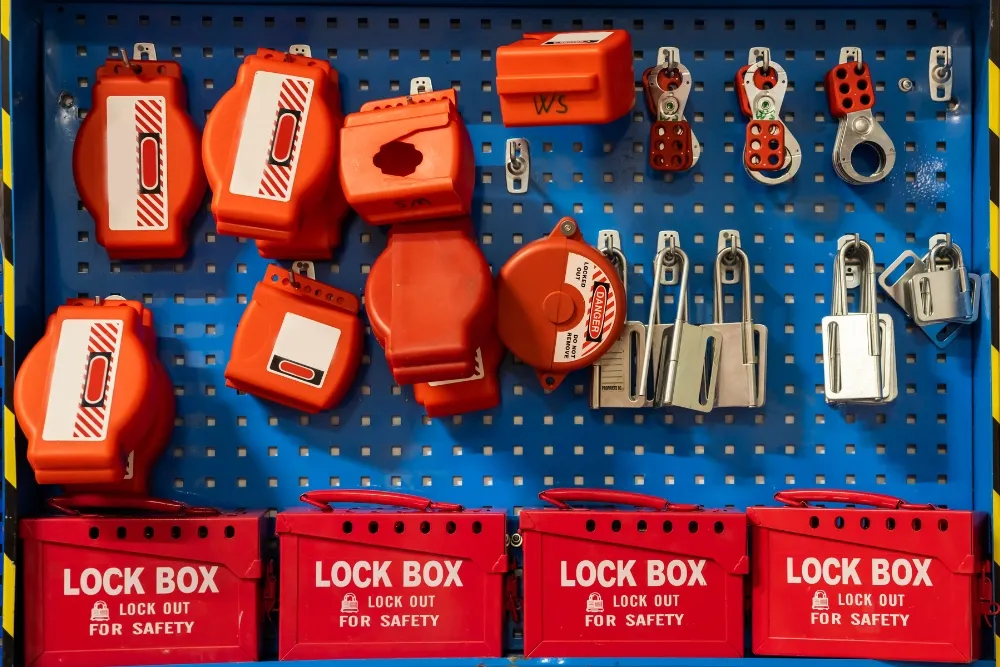
Regular reviews and updates should be conducted to ensure compliance with safety regulations.
Training sessions can cover various topics including the types of energy sources present in the workplace, proper lockout methods for each type of equipment, as well as tag-out guidelines.
It’s important that all staff understand the importance of following these procedures to prevent workplace accidents.
Training and competency
As we dive into establishing a LOTO programme, it’s crucial to ensure that all employees receive proper training and demonstrate competency in lockout tagout practices. Training programmes should cover the importance of LOTO procedures, potential hazards, and correct usage of lockout devices.
Competency assessments should be conducted regularly to confirm that employees can confidently carry out the necessary steps for safe lockout and tagout. This ensures that everyone is equipped with the knowledge and skills needed to prevent workplace injuries and promote eco-friendly practices.
By providing comprehensive training and assessing competency, businesses can create a safer work environment while contributing to environmental sustainability through effective lockout tagout practices.
A safe system of work
Establishing a safe system of work is crucial for ensuring environmental sustainability in lockout tagout (LOTO) practices. This involves developing and implementing procedures that prioritise the safety of employees and minimise environmental impact.
Regularly reviewing these procedures ensures they remain effective in preventing workplace injuries, conserving energy, and reducing waste and emissions. Additionally, ongoing training and clear communication with employees are essential to maintain a safe system of work.
Businesses should also regularly assess their LOTO programme to identify areas for improvement, ensuring that it aligns with best practices for environmental sustainability in LOTO.
Testing procedures
When testing procedures, it is crucial to ensure that all lockout and tagging devices are functioning effectively. Regular inspections should be conducted to confirm proper functionality and integrity.
Any faulty equipment must be replaced promptly to maintain the safety and environmental standards of your workplace or home. Regular testing procedures will help prevent potential accidents, minimise energy consumption, and reduce harmful emissions, contributing to a sustainable work environment.
Conducting regular tests is essential for ensuring the effectiveness of your LOTO programme. Properly functioning lockout and tagging devices are vital for preventing workplace injuries and promoting environmental sustainability by reducing energy waste and emissions.
Lockout and tagging devices
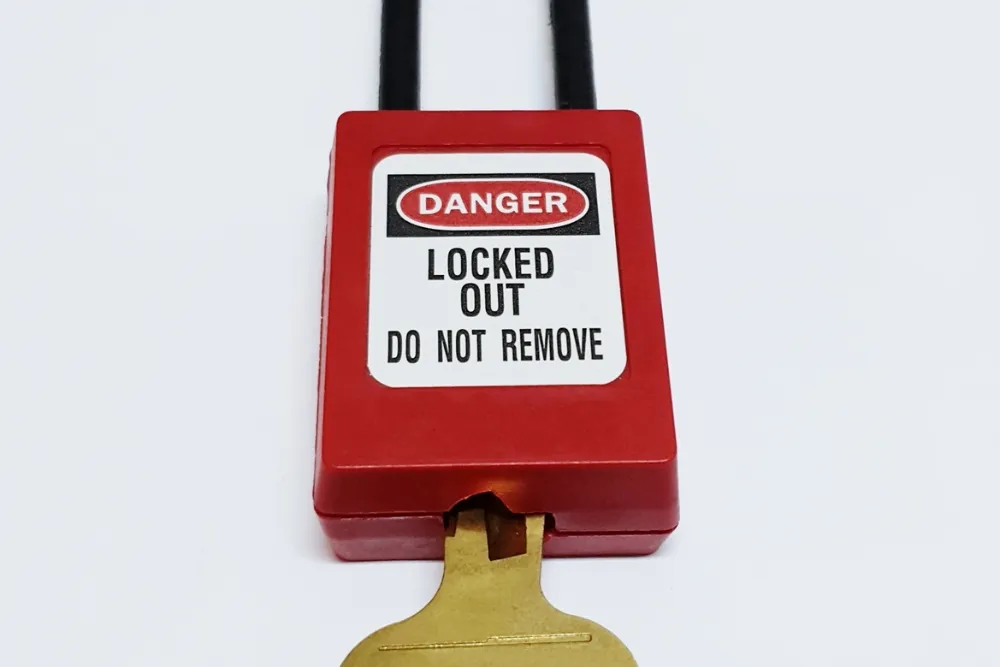
When it’s time to secure equipment for maintenance or repairs, lockout and tagging devices are crucial. These tools ensure that machinery cannot be powered on accidentally, protecting people from harm and preventing damage to the environment.
By using these devices, you can confidently safeguard your workplace against potential hazards while promoting a sustainable work environment.
Homeowners and business owners can benefit from implementing proper lockout and tagging procedures. Ensuring these practices are in place not only promotes safety at the workplace but also contributes to environmental sustainability by preventing energy waste and reducing emissions.
Taking Action Against False or Misleading Environmental Claims
Reporting false or misleading environmental claims can help maintain the integrity of sustainable practices. Read more to ensure your commitment to environmental sustainability is well-informed.
Contacting the business
If you have concerns about the environmental impact of a business’s lockout tagout practices, reach out to the company directly. Ask to speak with a manager or someone responsible for workplace safety and environmental initiatives.
Clearly communicate your specific concerns and enquire about the steps the business is taking to improve its sustainability practices. Expressing genuine interest in their efforts can encourage open dialogue and collaboration.
In addition, consider leaving feedback through online platforms or contacting relevant industry associations to address your environmental sustainability concerns regarding lockout tagout practices used by businesses.
Reporting to the ARC
If you encounter false or misleading environmental claims from a business, it’s essential to take action. This includes contacting the business directly to express your concern and seek a resolution.
If this does not lead to a satisfactory outcome, reporting the issue to the Australian Competition & Consumer Commission (ACCC) is important. The ACCC plays a crucial role in enforcing consumer protection laws and can investigate businesses making deceptive claims about their environmental sustainability practices, ultimately contributing to greater transparency and trust in the marketplace.
Remember that reporting misleading environmental claims is beneficial not only for yourself but also for other consumers and the environment as a whole. The ACCC relies on reports from individuals like you to effectively carry out its duties, ensuring that businesses are held accountable for their marketing practices.
Tagout Precision for Your Space’s Security!
In conclusion, environmental sustainability in tag-out practices is crucial for ensuring workplace safety and minimising environmental impact. Implementing LOTO procedures not only prevents workplace injuries but also contributes to energy conservation, and reduced waste, and emissions.
By following trustworthy environmental claims principles and best practices for sustainability in LOTO, businesses can promote sustainable work practices. Taking action against false or misleading environmental claims also ensures accountability and ethical business conduct.
Join us in revolutionising safety practices with our eco-friendly Tag Out System! By integrating sustainable materials and practices into our solutions, we’re not just protecting workers, we’re safeguarding the environment too. Reduce your carbon footprint while enhancing workplace safety. Embrace sustainability with our Tag Out System today! Contact Us Now!