
LockOut Equipment · 16 February 2024
Environmental Considerations in Tag Out Practices
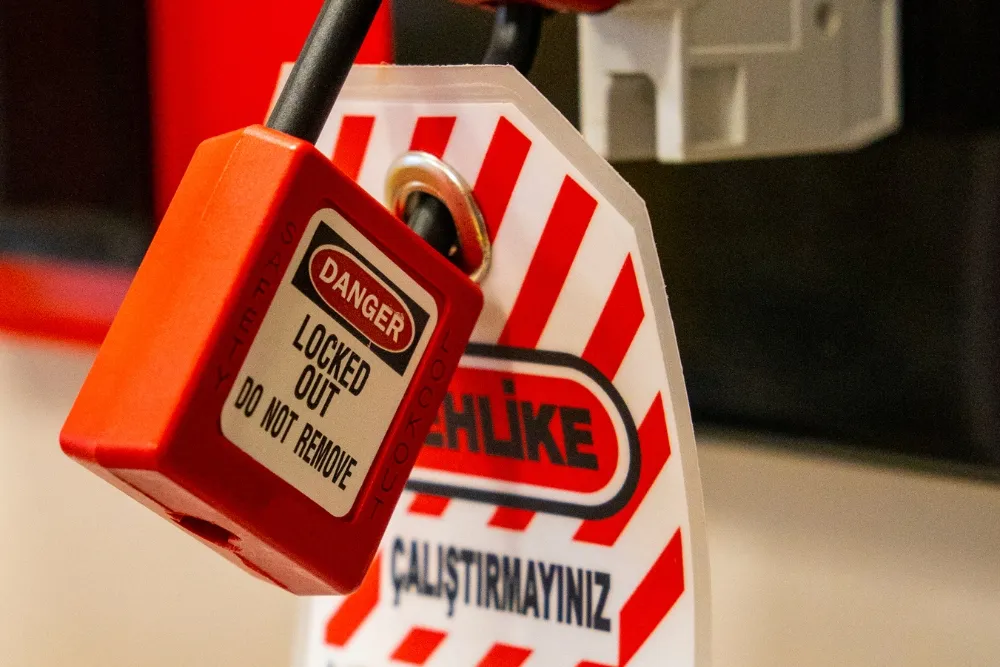
As homeowners or office managers, we’re constantly juggling the responsibility of keeping our places not just spick and span, but safe and sound in line with all those pesky safety regulations.
It’s a fair dinkum challenge, especially when you realise that a tag on a piece of machinery is about as effective at stopping an accident as a ‘Beware of the Dog’ sign is at stopping a determined burglar.
After really getting stuck into the nitty-gritty of environmental considerations for tag-out practices, I’ve rustled up some ripper solutions that focus on protecting both our mates and this beautiful planet we call home.
This blog is going to walk you through setting up your workplace to be as safe as houses, without giving Mother Nature the cold shoulder. So stick around, and let’s crack into making our workspaces secure without costing the earth.
Key Takeaways
- Lockout Tagout (LOTO) is crucial for both worker safety and environmental protection, preventing unexpected energisation of machinery.
- Proper use and regular inspection of energy isolating devices safeguard against potential hazards such as chemical spills and air contaminants.
- Comprehensive training for staff in lockout tagout procedures is necessary to handle risks like exposure to hazardous substances and extreme environmental conditions effectively.
- Environmental impact should be a key consideration during risk assessments in tag-out practices, ensuring compliance with regulations from OSHA and the EPA.
- Clear communication, labelling, and adherence to detailed lockout tagout procedures help maintain workplace safety while protecting the ecosystem.
What is Lockout Tagout (LOTO)?
Lockout Tagout, or LOTO, is a safety procedure used to ensure that dangerous machines are properly shut off and not able to be started up again prior to the completion of maintenance or servicing work.
It involves the use of both locks and tags to physically isolate machines from their power sources.
Definition
Lockout Tagout, commonly known by the acronym LOTO, is a safety procedure used in industrial settings to ensure that dangerous machines are properly shut off and not able to be started up again prior to the completion of maintenance or repair work.
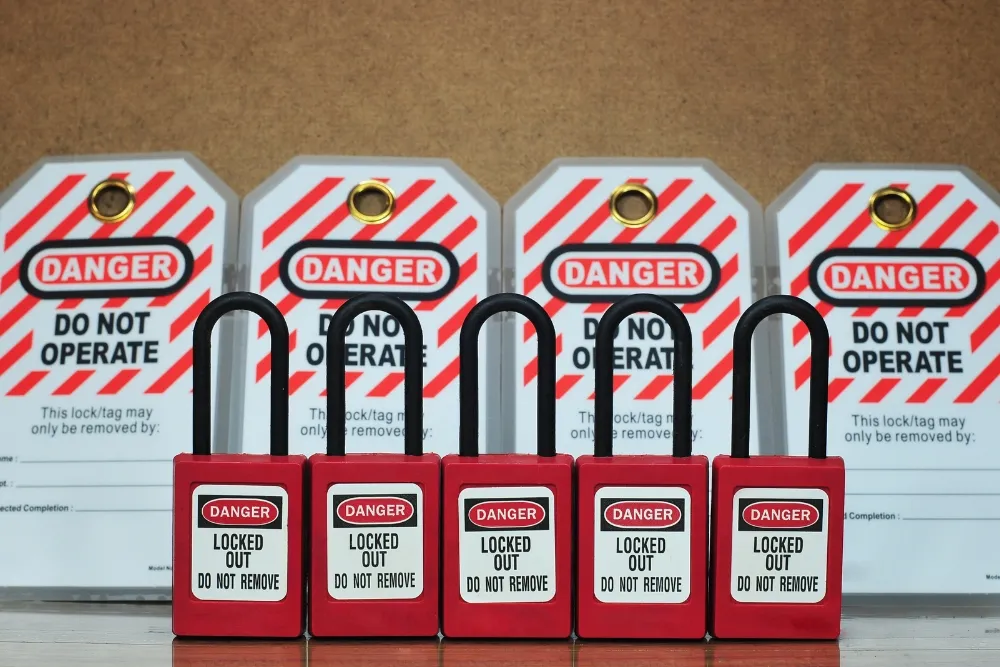
It involves placing a lock and a tag on an energy-isolating device so workers can carry out their jobs without fear of unexpected energisation or startup of machinery and equipment.
This critical control measure helps prevent accidents, including electrocution, burns, crushing injuries and amputation that may result from improper shutdown.
Our role includes creating a safe workplace by following these protocols strictly. During tag-out practices, we attach warning tags at power sources like circuit breakers and valves; these carry vital information such as who applied the tag and when.
These tags serve as alerts for other team members about ongoing interventions but should never be mistaken for physical barriers against hazardous energy. Always remember tags only inform, they do not isolate energy in themselves, and must always accompany lockouts where practicable to maximise machine safety and minimise ecological impact.
Importance
Understanding the importance of environmental considerations in tag-out practices is crucial for maintaining workplace safety and protecting the surrounding ecosystem. By implementing effective energy isolation procedures and conducting thorough risk assessments, potential hazards such as air contaminants, chemical spills, and extreme environmental conditions can be identified and mitigated.
These measures not only ensure compliance with workplace regulations but also contribute to waste reduction, pollution prevention, and overall ecological impact.
In addition to safeguarding the environment, prioritising environmental safety in tag-out practices helps prevent harm to workers by minimising exposure to hazardous materials. It also promotes energy efficiency and sustainable equipment maintenance while upholding workplace guidelines for industrial machinery operations.
The Difference Between Lock Out and Tag Out
Lockout and tagout are two distinct methods used to control hazardous energy during maintenance or servicing of equipment. Lockout involves the physical placement of a lock on an energy-isolating device, whilst tagout uses tags to identify that the equipment is locked out.
Both methods serve the purpose of preventing unexpected startup or release of stored energy, but lockout provides a higher level of security than tagout.
Purpose of each
The purpose of lockout devices is to physically prevent the release of hazardous energy, providing a visual indicator that equipment is being serviced. This ensures that power sources are cut off and equipment remains inoperable during maintenance, reducing the risk of workplace accidents.
Lockout devices come in various forms such as electrical lockout, valve lockout, and plug lockouts, each designed for specific energy isolating points to effectively safeguard workers and prevent potential environmental hazards.
Tagout devices serve as a warning system by displaying essential information regarding the status of isolated equipment. These tags provide crucial details about who performed the isolation when it was implemented, and contact information – vital for maintaining safety protocols during servicing activities.
Examples
- Conduct a thorough hazard analysis to identify potential environmental hazards, such as air contaminants or hazardous materials, present in the workplace.
- Implementing effective energy isolating devices to prevent pollution and reduce the risk of chemical spills during maintenance or repair activities.
- Properly labelling equipment with clear and visible tags to communicate crucial information about lockout/tagout procedures, including contact details and time of isolation.
- Adhering to environmental regulations and waste reduction practices when developing lockout/tagout procedures to prevent harm to workers and the ecosystem.
- Regularly inspecting lockout/tagout devices and procedures for compliance with environmental safety policies and reducing the risk of pollution incidents.
OSHA Lockout Tagout Standard
The HSE Lockout Tagout Standard outlines the regulations and compliance requirements for implementing proper lockout and tagout procedures in the workplace. It is important to understand these standards to ensure the safety of workers and prevent environmental hazards.
Regulations
Lockout tagout practices are regulated by the Health and Safety Executive (HSE) to ensure the safety of workers and the environment. These regulations require equipment labelling to provide clear information about lockout tagout procedures for effective environmental management.
Hazardous materials must be handled in accordance with pollution prevention guidelines, and compliance with these regulations is essential to prevent chemical spills and air contaminants.
Implementing environmental safety policies is crucial to mitigate hazards associated with lockout tagout practices. Adhering to HSE’s lockout tagout standard ensures that isolation procedures are followed diligently, taking into account technical and safety information for confined space work.
Compliance
Compliance with environmental safety regulations is essential to ensure that tag-out practices are conducted in a manner that minimises harm to the environment. Our responsibility as home or office owners involves adhering to strict environmental management guidelines, including proper handling of hazardous materials and preventing chemical spills.
It is crucial to enforce compliance with Environmental Protection Agency (EPA) regulations related to air pollution control and safe chemical storage practices. Additionally, ensuring that isolation procedures and lockout tagout inspections are in line with environmental safety policies will help mitigate potential hazards associated with confined spaces and other environmental factors.
As part of our commitment to maintaining a safe environment, it’s imperative for us to fully understand the technical and safety information available for potentially hazardous work areas such as confined spaces.

Who is Involved in a Lockout Tagout?
The lockout tagout process involves multiple parties, including equipment operators, maintenance personnel, and authorised employees. Each of these individuals has specific roles and responsibilities in ensuring the safety and effectiveness of the lockout tagout procedures.
Training and competency requirements are essential for all involved parties to understand their duties and carry out the process correctly.
Roles and responsibilities
When implementing lockout tagout practices, it is important to understand the roles and responsibilities of those involved. Here are key responsibilities for home and office owners:
- Ensure that all energy sources are properly isolated before any maintenance or servicing work is conducted.
- Provide appropriate training and competency assessments for employees involved in lockout tagout procedures to ensure they understand environmental hazards and safety protocols.
- Develop and maintain comprehensive procedures for lockout tagout operations, taking into account environmental factors such as hazardous atmospheres or chemical spills.
- Regularly inspect and review lockout tagout practices to identify any potential environmental risks or hazards that may arise during equipment maintenance or repair.
- Establish clear communication channels to relay information regarding lockout tagout activities to all relevant personnel, ensuring that everyone understands their role in maintaining a safe environment.
- Collaborate with environmental agencies such as the Environment Agency to stay informed about air pollution regulations and guidelines for handling hazardous materials to prevent spills and protect the surrounding ecosystem.
Training and competency requirements
- Home and office owners must provide comprehensive training on environmental safety for all personnel involved in tag-out practices, including the identification of air contaminants, proper handling of chemicals, and the assessment of confined spaces.
- Competency assessments should be conducted regularly to evaluate employees’ understanding of environmental hazards and their ability to implement isolation procedures effectively.
- Employees should receive specific training related to the use of lockout and tagout devices, including identifying energy-isolating devices and following lockout tagout procedures.
- Training programmes should cover compliance with Environmental Protection Agency (EPA) regulations regarding air pollution control, chemical spill prevention, and proper storage and handling of hazardous substances.
- Employees must demonstrate proficiency in recognising environmental factors that may pose a risk during tag-out processes, such as extreme temperatures or poor lighting conditions.
- Training should also include obtaining technical information on confined space work to ensure adherence to environmental safety standards while performing maintenance tasks.
- Competency requirements should encompass knowledge of the importance of environmental considerations in preventing harm to both workers and the surrounding ecosystem.
- Refresher training should be provided periodically to reinforce employees’ understanding of environmental safety best practices for effective implementation in tag-out procedures.
Environmental Considerations in Tag Out Practices
When it comes to tag-out practices, it’s important to consider the environmental impact and safety precautions. This includes conducting a thorough risk assessment and hazard analysis, using energy-isolating devices, and following proper lockout tagout procedures for the protection of both people and the environment.
General safety precautions
To ensure a safe working environment during tag-out practices, it is essential to take the following general safety precautions:

- Clear Communication: We must clearly communicate the presence and location of lockout/tagout devices to all personnel involved in the work.
- Hazard Identification: Identifying potential environmental hazards such as air contaminants, chemical spills, and confined spaces with extreme temperatures is crucial for implementing appropriate safety measures.
- Protective Gear: Using personal protective equipment such as respirators, gloves, and protective clothing can safeguard individuals from exposure to hazardous substances.
- Equipment Inspection: Regular inspection of energy isolating devices and lockout/tagout equipment ensures their proper functioning and minimises the risk of accidents.
- Training Programmes: Staff members should undergo thorough training on environmental safety protocols and procedures to mitigate risks associated with tag-out practices.
- Emergency Response Plan: Developing an effective emergency response plan that includes procedures for addressing environmental incidents like chemical spills or air contaminants is imperative for swift action in case of an emergency.
- Compliance with Regulations: It is important to adhere to the environmental safety regulations set by authorities such as OSHA and EPA in order to minimise risks to both workers and the surrounding environment.
Risk assessment and hazard analysis
- Identify air contaminants present in the vicinity such as dust, fumes, mist, and gases. This could involve using air monitoring equipment to measure levels of specific pollutants.
- Evaluate the potential for chemical spills or leaks from machinery or storage containers, taking into account the types of chemicals used in the workplace and their associated risks.
- Assess confined spaces for environmental factors including extremes in temperature, poor lighting, or hazardous atmospheres such as flammable vapours or toxic gases.
- Consider energy isolating devices to ensure proper isolation of equipment and machinery from energy sources like electricity, steam, or hydraulic systems.
- Evaluate the effectiveness of lockout and tagout devices in preventing accidental starts or releases of energy during maintenance activities.
- Develop clear lockout tagout procedures outlining step-by-step instructions for safely isolating equipment and ensuring compliance with environmental safety regulations.
- Establish regular inspections to verify that lockout tagout devices are properly installed and maintained according to prescribed standards.
Energy isolating devices
Energy-isolating devices such as circuit breakers, disconnect switches, and manually operated valves are crucial in tag-out practices. These devices effectively cut off the energy supply to machinery, equipment, or systems during maintenance or servicing.
It’s essential to ensure that these devices are properly identified and labelled with clear information about their operation and purpose. Regular checks on the condition of these devices should be conducted to guarantee their reliable function when needed.
Lockout tagout procedures must include detailed steps for safely isolating energy sources using these devices. Workers need to be trained on how to identify and utilise different types of energy-isolating devices based on the specific requirements of their workplace.
Lockout and tagout devices
When considering environmental safety in tag-out practices, it is important to utilise appropriate lockout and tagout devices. Lockout devices physically prevent the operation of equipment, while tagout devices provide essential information about the locked-out status.
Both types of devices serve as critical components in isolating energy sources and communicating crucial safety information within a work environment. When implementing these measures, it is imperative to ensure that lockout tags contain pertinent details such as the identity of the individual who initiated the lockout, time and date stamps, department information, and contact details.
Proper application of lockout and tagout devices helps mitigate potential hazards by effectively isolating energy sources while also providing essential communication for workers operating within those environments.
Lockout tagout procedures
In addition to using the appropriate lockout and tagout devices, it is crucial to follow specific lockout tagout procedures to ensure the safety of individuals and the surrounding environment. Here are some key procedures to consider:
- Implement a thorough energy isolation procedure that includes identifying all energy sources, isolating them effectively, and dissipating any stored energy.
- Develop and document step-by-step lockout tagout procedures for each piece of equipment or machinery, tailored to the specific hazards involved.
- Clearly communicate lockout tagout procedures to all relevant personnel and provide comprehensive training on their implementation.
- Regularly inspect and review lockout tagout procedures for accuracy, completeness, and effectiveness in ensuring environmental safety.
- Establish a strict policy for obtaining authorisation before modifying or deviating from established lockout tagout procedures.
- Maintain detailed records of all lockout tagout activities, including when they were performed and by whom, as well as any deviations or unforeseen issues encountered during the process.
- Conduct periodic reviews and revisions of lockout tagout procedures as needed in response to changes in equipment, operations, or environmental regulations.
Lockout tagout inspections
Ensuring the safety of lockout tagout practices requires thorough and regular inspections. These are essential to verify that all control measures are in place, and potential hazards are adequately managed. Here’s what you need to know:
- Inspections involve a comprehensive review of energy control procedures to confirm proper implementation and compliance with safety regulations.
- Equipment and devices used for lockout tagout must be routinely inspected for damage, wear and tear, or any signs of malfunction that could compromise their effectiveness.
- Regular assessments should include checking for proper labelling on lockout tagout devices to ensure essential information is clearly visible and up-to-date.
- Inspections also involve confirming that authorised employees understand their responsibilities and are proficient in executing lockout tagout procedures effectively.
- Environmental considerations during inspections entail evaluating potential risks such as air pollution, chemical spills, or confined space hazards to address environmental safety concerns.
Optimise Safety with Our Tagout System for Your Space!
In conclusion, environmental safety in tag-out practices is crucial for safeguarding the surrounding environment from potential hazards. Considering factors such as air contaminants, chemical spills, and confined spaces with extreme temperatures is vital to prevent harm.
Implementing lockout tagout procedures and inspections in compliance with environmental safety regulations can help mitigate risks effectively. Enforcing environmental safety policies and procedures plays a significant role in protecting both workers and the ecosystem from potential harm.
Attention all industrial facilities! Elevate your safety standards with Tag Out System’s environmentally conscious practices. Our solutions prioritise ecological responsibility alongside operational safety. Let’s work together to minimise environmental impact while maximising workplace safety. Contact us today to implement sustainable tag-out practices tailored to your needs.