Tag Out System · 8 November 2023
Ensuring Employee Engagement and Compliance in Tag Out Systems
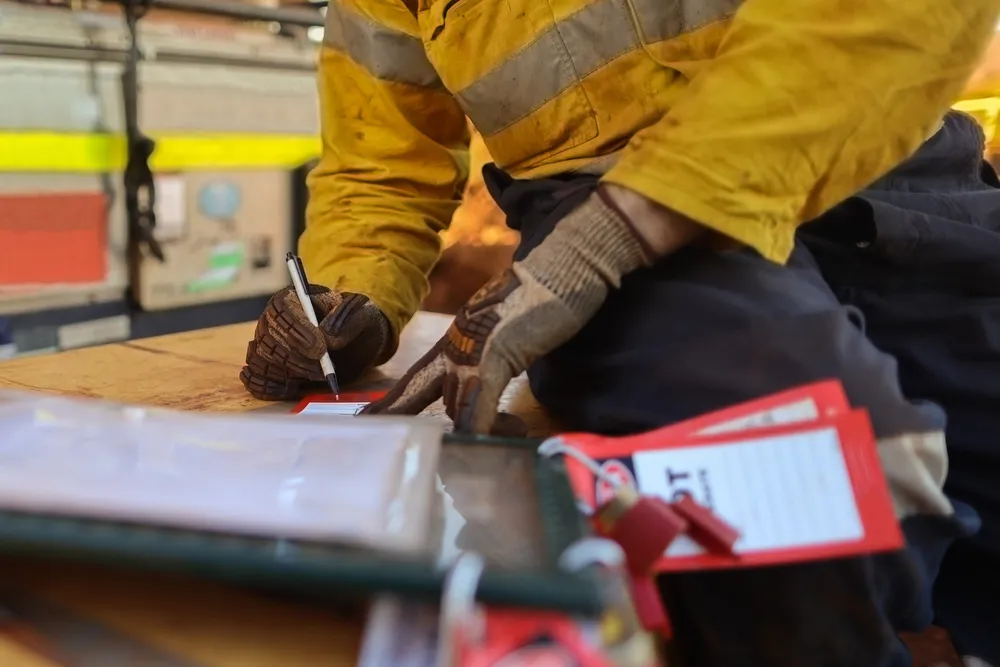
Navigating the delicate balance between keeping your teammates out of harm’s way while making sure they’re all abiding by safety protocols can be a bit of a headache, can’t it? We’ve felt that same struggle, with the full knowledge in our back pocket that tight lockout/tagout practices are absolute game-changers when it comes to slashing workplace hazards.
In this yarn, we’re going to share some dead-set simple strategies that’ll get your crew on board and committed to sticking with those critical tag-out procedures. So go on, have a squizz at these life-saving tips we’re dishing up!
Key Takeaways
- Detailed and accessible lockout/tagout procedures, along with regular updates, are vital to ensure employee compliance and minimise workplace risks.
- Reinforcing procedures through a strong safety culture, consistent training, and open communication strategies fosters an environment where employees feel empowered to engage in proactive risk management practices.
- The steps for effective lockout/tagout involve thorough preparation, shutdown, isolation of equipment from energy sources, implementing lockout/tagout devices, checking stored energy before maintenance work begins and verifying successful isolation of energy sources. These steps contribute significantly to ensuring employee safety during machinery maintenance or repair tasks.
Understanding the Importance of Lockout/Tagout Procedures
Detailed and accessible procedures are crucial for ensuring that employees understand and follow lockout/tagout protocols. Keeping these procedures current and reinforcing them through a strong safety culture helps to maintain compliance and minimise risks in the workplace.
Detailed and Accessible Procedures
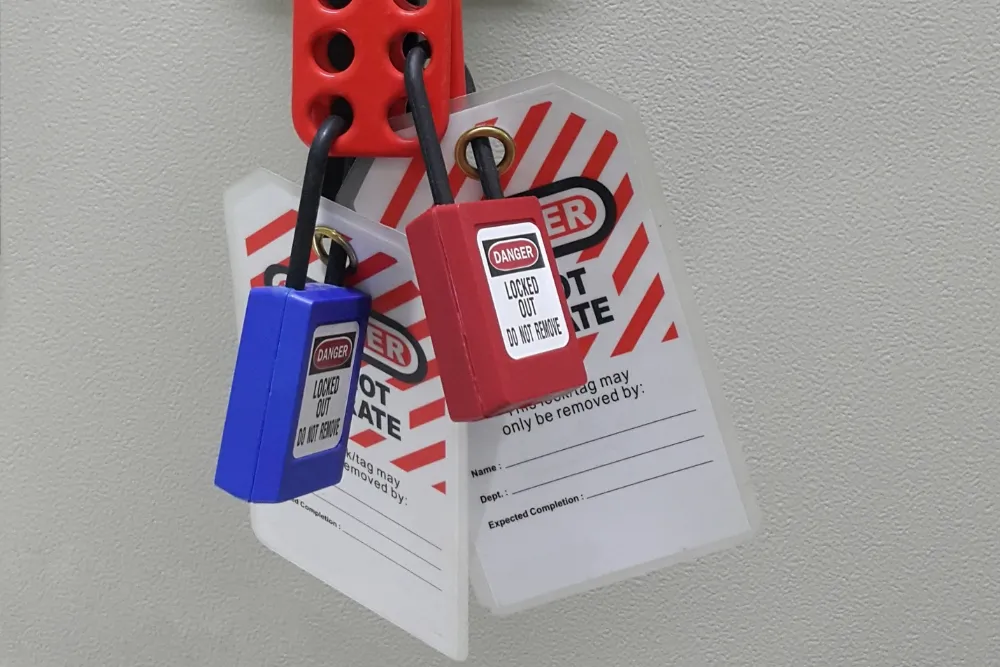
We put a lot of effort into creating procedures that everyone can follow easily. By breaking down lockout/tagout steps, we make sure our team knows exactly what to do to stay safe.
Each guide is written with clarity, so there’s no confusion when someone has to shut down and secure equipment. Visual aids like diagrams and flow charts are part of the mix too, because we understand not everyone learns in the same way.
Our commitment doesn’t stop at just writing these procedures; we keep them within arm’s reach for all employees. They’re stuck on walls, placed in manuals, and even added to our mobile app so support is always handy during critical moments.
This approach means staff members from managers to maintenance personnel have the tools they need right where they work – ensuring safety isn’t just a policy but a daily practice.
Keeping Procedures Current
Transitioning from implementing detailed and accessible procedures, it is essential to focus on keeping procedures current. Regular updates and reviews of lockout/tagout practices are crucial in addressing any changes in machinery or systems, ensuring compliance with the latest safety standards.
By regularly reviewing and updating lockout/tagout procedures, potential risks can be mitigated, employee engagement can be enhanced by involving them in the process of identifying gaps or improvements, and overall workplace safety can be improved.
Regular maintenance of equipment records alongside ongoing training sessions for employees will help keep lockout/tagout procedures up-to-date. Additionally, seeking feedback from employees regarding any challenges they face while following these procedures is invaluable.
Reinforcing Procedures Through Safety Culture
To reinforce procedures through a safety culture, we prioritise consistent training and communication in our workplace. We believe that maintaining a strong safety culture within our organisation is pivotal to ensuring employee compliance with tag-out systems and occupational health and safety procedures.
By fostering an environment of transparency, leadership support, and investing in employee wellbeing, we can effectively reinforce the importance of lockout/tagout policies across all levels of our facility.
We understand the significance of creating a robust safety culture that encourages employee participation and regulatory compliance. Through effective training programs, open communication strategies, and clear policy implementation, we aim to build a work environment where everyone feels empowered to engage in proactive risk management practices.
This approach also aligns with our commitment to improving workforce engagement while maximising productivity and profitability. Our strategies for reinforcing procedures through safety culture are designed to promote employee involvement, enhance operational procedures, and ultimately ensure the highest standards of occupational health and safety within our facilities.
Steps for Effective Lockout/Tagout
Prepare for the procedure by identifying all energy sources and potential hazards. Shut down the equipment and machinery, then isolate them from their power source. Implement lockout/tagout devices to secure the equipment and prevent unexpected re-energisation.
Check for stored energy in the system, and verify that all energy is dissipated or contained before starting maintenance work.
Prepare
Before starting any maintenance or repair work, it is essential to thoroughly prepare for the lockout/tagout process. This involves carefully reviewing and understanding the specific procedures for each piece of machinery or equipment that requires servicing.
Ensuring all necessary tools and safety equipment are readily available before beginning the preparation process will contribute to the smooth and efficient execution of the lockout/tagout procedure.
Understanding and adhering to detailed lockout/tagout procedures helps minimise risks associated with energy sources within machinery, ensuring employee safety throughout their working environment.
Shut Down
To shut down machinery for maintenance, follow a systematic process to ensure safety and compliance. First, identify the equipment that needs maintenance and communicate the shutdown plan to all relevant personnel.
Next, power off the machinery using designated controls and safely disconnect any power sources or energy supplies. After shutting down the equipment, mark it with lockout/tagout devices to signal that maintenance work is in progress.
Finally, verify that no stored energy remains before proceeding with any repair or service tasks.
During a shutdown, it’s important to adhere strictly to lockout/tagout procedures as well as confirm that all necessary steps have been completed before initiating any maintenance activities on the machine.
Isolate
Before implementing lockout/tagout procedures, it is crucial to isolate the equipment from its energy source. This involves physically disconnecting the machinery from its power supply or other sources of hazardous energy such as hydraulic or pneumatic systems.
Isolating the equipment ensures that no unexpected start-up occurs during maintenance or repair, thereby preventing potential accidents and injuries. Proper isolation of equipment forms a fundamental part of a safe and compliant lockout/tagout procedure, protecting both employees and the workplace environment.
Once you have effectively isolated the equipment, you can proceed with locking and tagging out as part of your comprehensive lockout/tagout policy. By consistently following these steps in sequence, you can ensure employee safety and reduce the risk associated with machinery maintenance or repair tasks.
Implement Lockout/Tagout
To ensure employee safety during machinery maintenance or repair, it is crucial to implement effective lockout/tagout (LOTO) procedures. By following these procedures, potential hazards from stored energy can be effectively controlled and employees can conduct work in a safe environment.
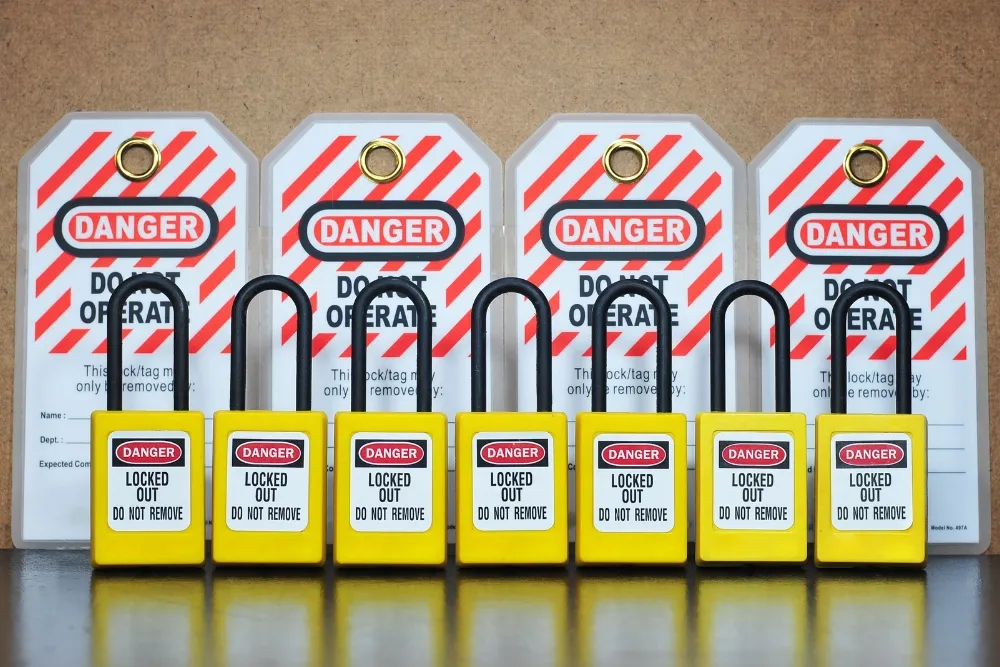
Implementing LOTO involves the use of locks and tags to isolate and de-energise machinery, preventing accidental startup during servicing or repair. This not only reduces the risk of injury but also ensures compliance with safety regulations.
Additionally, clear communication and proper training on implementing lockout/tagout are essential components for creating a safe work culture.
Improving compliance with tag-out systems goes beyond just meeting regulatory requirements; it is about prioritising the health and safety of your employees. Investing in proper training for all staff members involved in equipment maintenance ensures that they understand the importance of adhering to LOTO procedures.
Check Stored Energy
We check stored energy to ensure all potential hazards are identified and mitigated before maintenance or repair work begins. This step is crucial in preventing accidental machine start-up, which could lead to serious injuries or even fatalities.
By actively checking for stored energy, we can protect our employees and maintain a safe working environment. It’s essential to understand that this process should be conducted with the utmost care and attention to detail.
To verify that no energy sources remain active, comprehensive checks of equipment, such as capacitors, springs, elevated machine members or rotating flywheels must be performed meticulously.
This meticulousness helps guarantee the safety of everyone involved in the lockout/tagout procedure. Additionally, using appropriate testing equipment can provide peace of mind by confirming that all hazardous energies have been effectively dissipated before any work commences on the machinery.
Verify
Before completing the lockout/tagout procedure, it is essential to verify that all hazardous energy sources have been effectively isolated. This involves physically checking the machinery or equipment to ensure that all energy sources have been properly locked and tagged out.
Additionally, verification includes confirming that there is no residual or stored energy present in the system that could pose a risk to employees performing maintenance or service tasks.
It’s crucial for authorised personnel responsible for lockout/tagout procedures to conduct thorough checks and complete necessary documentation before commencing any maintenance work on the equipment.
As part of ensuring compliance with tag-out systems, verifying the successful isolation of energy sources forms a critical step in maintaining employee safety during machinery maintenance and repairs.
Simplifying Lockout/Tagout with CMMS
Streamlining compliance documentation is vital, and using a CMMS can greatly assist in this process. It’s important to understand the importance of keeping up-to-date records and how a CMMS can help with this task.
Importance of Compliance Documentation
Compliance documentation is crucial for ensuring that lockout/tagout procedures are followed correctly. It provides a clear record of the steps taken, helping to maintain accountability and reinforce safety protocols.
Authorised employees can reference compliance documentation to ensure proper implementation of lockout/tagout procedures, ultimately reducing the risk of accidents and injuries.
Clear and accessible compliance documentation also serves as a valuable resource for training new employees, ensuring continuity in safety practices across the organisation. Implementing effective compliance documentation empowers employees to carry out lockout/tagout procedures with confidence and adherence to established safety standards.
This promotes a culture of safety within the workplace and encourages ongoing employee engagement in maintenance procedures.
How a CMMS Can Help
A CMMS can provide an effective solution for managing compliance documentation related to lockout/tagout procedures. This system streamlines the process of documenting maintenance activities, ensuring that all necessary records are readily accessible and up-to-date.
By capturing key information such as equipment history, work requests, and safety inspections in a centralised platform, a CMMS simplifies the task of monitoring and demonstrating compliance with lockout/tagout protocols.
Implementing a CMMS also enables quick access to critical safety data during audits or inspections, enhancing overall efficiency in maintaining regulatory compliance.
Additionally, leveraging a CMMS helps in tracking employee engagement by providing visibility into maintenance tasks completed by staff members. Managers can use this data to identify areas where additional training or support may be required to ensure thorough understanding and adherence to lockout/tagout procedures.
Strategies for Improving Employee Engagement in Facility Maintenance
Encouraging open communication, investing in well-being, welcoming feedback, and defining organisational purpose are all key strategies for improving employee engagement in facility maintenance.
To learn more about these effective strategies, continue reading our blog on ensuring employee engagement and compliance in tag-out systems.
Encouraging Open Communication
We prioritise open communication with our employees concerning lockout/tagout systems. We involve staff in creating and refining safety processes, valuing their input to strengthen compliance.
Engaging workers ensures that they understand the importance of effective communication regarding lockout procedures, fostering a culture of transparency and responsibility.
Open dialogue encourages collaboration and trust between employees and management. By promoting an environment where feedback is welcomed, we can address concerns promptly and improve the effectiveness of our tag-out systems.
Investing in Wellbeing
Transitioning from encouraging open communication to investing in wellbeing, we understand that employee wellbeing is an integral part of ensuring compliance with tag-out systems. Prioritising employee health and wellness not only fosters a positive work culture but also contributes to improved engagement and compliance.
By offering wellbeing initiatives such as access to mental health resources, ergonomic workstations, and physical fitness programs, home, industrial, and office owners can create a supportive environment where employees feel valued and motivated.
Additionally, emphasising the importance of work-life balance through flexible scheduling and promoting healthy lifestyle choices enhances overall wellbeing which directly impacts employee engagement and commitment to safety protocols.
Welcoming Feedback
Welcoming feedback from employees is crucial in fostering a culture of open communication and continuous improvement. By actively seeking and valuing input from staff regarding lockout/tagout procedures, you can gain valuable insights into potential safety hazards and areas for improvement.
Encouraging employees to share their feedback creates an environment where everyone feels heard and contributes to the development of more effective compliance strategies.
Engaging in regular discussions with employees about their experiences with tag-out systems yields valuable information that can be used to refine existing safety protocols. This inclusive approach not only strengthens employee engagement but also demonstrates a commitment to prioritising their well-being.
By creating this open dialogue, owners can play a pivotal role in ensuring that all staff members feel empowered to contribute to the ongoing enhancement of the workplace safety culture.
Defining Organisational Purpose
Defining organisational purpose is pivotal in creating a workplace culture that values safety. Our company’s mission statement and core values should reflect our commitment to ensuring employee engagement and compliance with tag-out systems.
By clearly defining our organisational purpose, we can establish a strong foundation for driving employee buy-in and participation in safety protocols.
Highlighting the significance of lockout/tagout procedures within our organisation’s purpose statement can serve as a constant reminder of our dedication to prioritising employee well-being and compliance management.
This clarity allows us to instil a sense of responsibility among employees, emphasising their crucial role in upholding safe working practices. Moreover, integrating the essence of tagout systems into our organisational purpose paves the way for fostering an environment where safety is non-negotiable and actively embraced by all stakeholders.
Let’s explore how this alignment with our organisation’s mission contributes to overall workplace safety excellence.
Best Practices for Ensuring Employee Engagement and Compliance
Implement proper training and consistency, provide adequate safety staffing, maintain forklift safety standards, hold regular safety meetings, and implement effective safety leadership within the organisation.
Proper Training and Consistency
We recognise the importance of ongoing, comprehensive safety training for all employees to ensure compliance with lockout/tagout procedures. Consistency in delivering this training is essential for reinforcing best practices and maintaining a culture of safety within our organisation.
By providing regular and tailored instruction on lockout/tagout policies, we empower our team members to play an active role in workplace safety, contributing to improved effectiveness and reduced risks during machinery maintenance or repair.
Employees who consistently receive proper training are better equipped to understand their roles and responsibilities when it comes to locking out or tagging out machinery. Additionally, by ensuring consistency in our training methods across all levels of the organisation, we can establish a unified approach to compliance that aligns with industry standards and regulatory requirements.
Providing Safety Staffing
To ensure the effectiveness of lockout/tagout procedures, it is crucial to provide adequate safety staffing. This includes having qualified personnel available to oversee and enforce proper lockout/tagout practices, as well as ensuring that there are enough staff members to facilitate a safe working environment during maintenance or repair activities.
Adequate safety staffing also involves providing ongoing training for employees involved in lockout/tagout procedures, ensuring they are equipped with the necessary knowledge and skills to carry out their responsibilities effectively.
Implementing safety staffing measures is essential for maintaining a culture of safety and compliance within an organisation. By having dedicated safety personnel in place, businesses can create an environment where employees feel supported and confident in their ability to carry out lockout/tagout procedures effectively.
Maintaining Forklift Safety
Maintaining forklift safety is crucial to prevent accidents and injuries in the workplace. Regular maintenance checks, including inspecting brakes, steering, controls, and tires, are essential to ensure that forklifts are in optimal working condition.
Additionally, providing ongoing training for forklift operators on safe operating procedures and practices can significantly reduce the risk of incidents. Implementing a clear reporting system for any identified faults or concerns can also help maintain a safe working environment.
Conducting routine maintenance on forklifts helps minimise the risk of malfunctions that could lead to accidents. By prioritising regular checks and operator training, employers can create a safer workplace environment while promoting compliance with safety regulations.
Holding Regular Safety Meetings
To ensure ongoing compliance with tag-out systems and safety procedures, it is imperative to hold regular safety meetings. These meetings serve as a platform for reinforcing the importance of lockout/tagout (LOTO) policies, discussing any updates or changes in procedures, and addressing any concerns or questions from employees.
Regular safety meetings also provide an opportunity to share best practices, review recent incidents or near misses, and emphasise the significance of employee engagement in maintaining a safe working environment.
By regularly convening for safety meetings, home, industrial, and office owners can foster a culture of continuous improvement and accountability when it comes to LOTO compliance. Employees are empowered with up-to-date information and insights into the importance of their role in ensuring workplace safety.
Moreover, these gatherings offer a forum for open communication and collaboration among team members to collectively uphold the standards outlined in effective lockout/tagout strategies.
Ultimately, holding regular safety meetings contributes to creating a proactive approach towards safeguarding employees while conducting machinery maintenance or repairs.
Implementing Effective Safety Leadership
Building a culture of safety relies heavily on effective safety leadership. We, as business owners and operators, must lead by example and prioritise safety in all aspects of our operations.
This involves communicating expectations, providing the necessary resources for compliance, and actively engaging with employees to ensure understanding and commitment to safe working procedures.
Empowering designated safety leaders within the organisation also plays a critical role in ensuring employee engagement and compliance with tag-out systems. By entrusting individuals with the responsibility of overseeing safety protocols, we can foster accountability at all levels.
Through consistent reinforcement of safety practices and open communication channels, we can create an environment where employees feel supported in their efforts to adhere to lockout/tagout procedures.
Encouraging active participation in decision-making processes related to safety further demonstrates our commitment to prioritising workplace wellbeing. Acknowledging the valuable input from employees fosters a sense of ownership over safety initiatives and reinforces the importance of compliance.
Discover Effective Strategies
In conclusion, we must prioritise employee engagement to ensure compliance with tag-out systems. Implementing effective lockout/tagout procedures is crucial for workplace safety, and it’s essential to foster a culture of safety to drive employee compliance.
By investing in best practices and strategies that promote open communication and employee well-being, businesses can significantly improve engagement and compliance in tag-out systems.
It’s time for all companies to prioritise the safety of their employees by implementing these effective strat