
LockOut Equipment · 6 October 2023
Ensuring Compatibility of Lockout Devices with Equipment
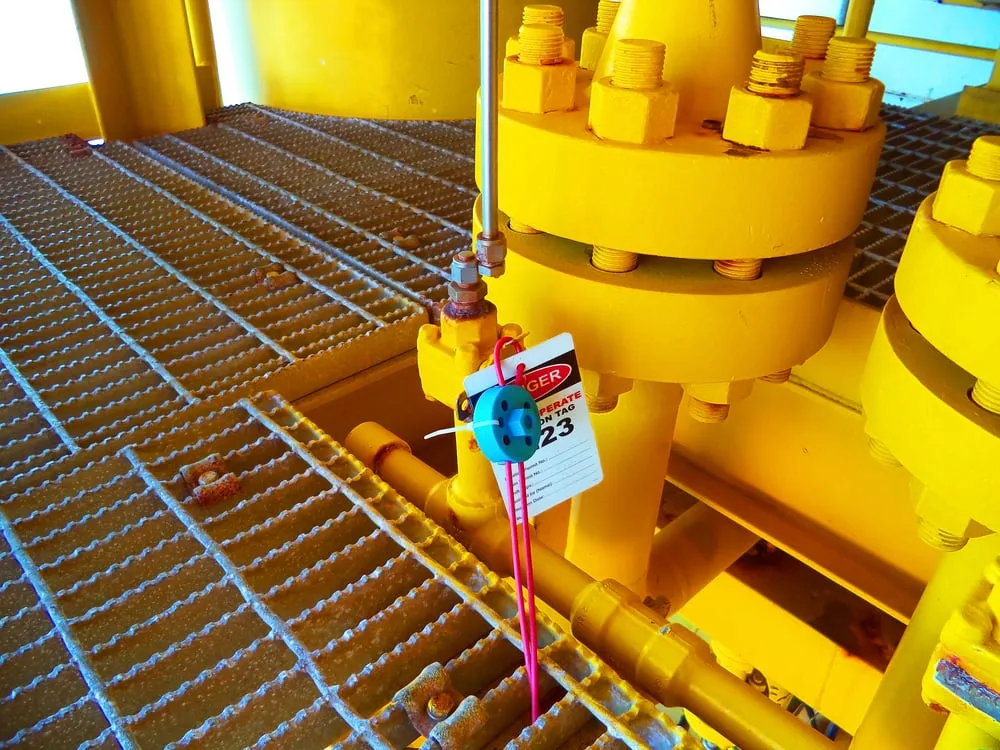
No worries if you’re feeling a bit overwhelmed by the task of making sure your lockout devices are playing nice with all your equipment. We’ve been down that road ourselves, mate, and we know firsthand that one misstep can bring about a fair few safety issues.
Relying on our hard yakka in research and hands-on experience, this article will give you the good oil on understanding lockout devices, why they’re critical as Vegemite for brekkie, and how to make sure they’re compatible with all your gear.
You can bet your bottom dollar; by the end of this read, you’ll be equipped with a snag-free selection process!
Key Takeaways
- Lockout devices are crucial for preventing accidental energisation of equipment during maintenance or repairs.
- Standardising the use of lockout devices and tags is essential to avoid compatibility issues and maintain consistency in safety procedures.
- It is important to select compatible lockout devices that can be easily used across different types of machinery and circuit breakers commonly found in the workplace.
- Clear communication, standardised procedures, and regular maintenance are key factors in ensuring the effectiveness of lockout/tagout procedures.
Understanding Lockout Tagout (LOTO) Equipment
LOTO refers to the practice of locking and tagging energy sources to prevent accidental startup of equipment during maintenance or repairs. Different types of LOTO equipment, such as lockout devices and tags, are used to effectively isolate machinery and ensure worker safety.
Definition of LOTO
LOTO stands for Lockout/Tagout, a critical safety protocol that prevents exposure to hazardous energy during maintenance or repair of machinery and equipment. This system involves applying specifically designed lockout devices or tags to disable the power sources of equipment.
The device signifies ‘lockout,’ meaning the machine is completely off and cannot be started up until repairs are completed, while the tag-out refers to clear identification labels indicating who is performing the work.
It’s crucial to maintain safe working conditions around various industrial sectors, particularly when handling complex machines with multiple energy sources.
Types of LOTO equipment
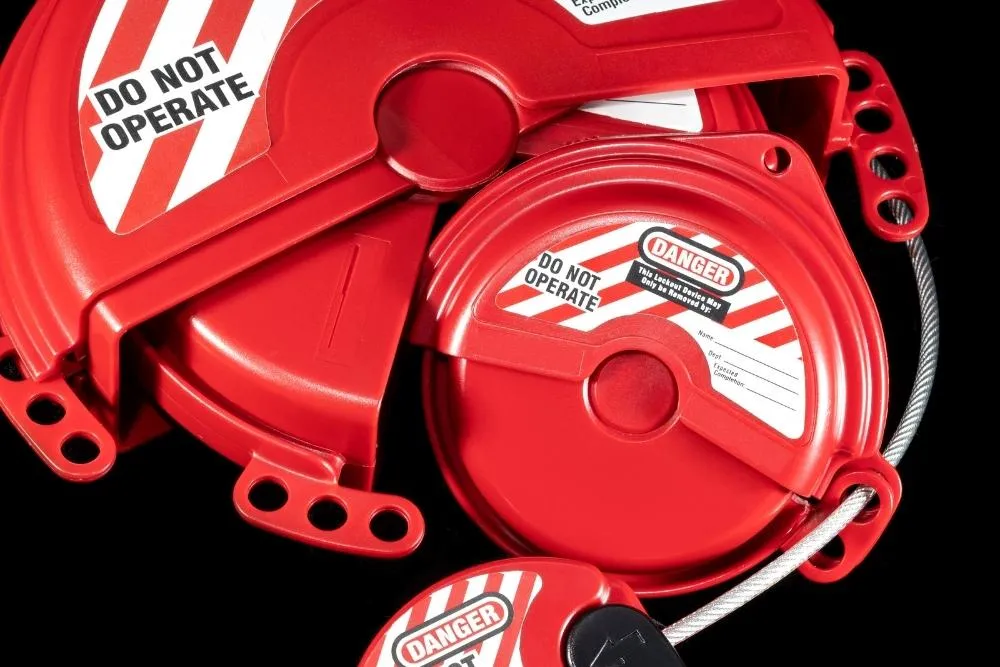
Lockout Tagout (LOTO) equipment comes in various forms to ensure the safety of workers during equipment maintenance or repairs. One type of LOTO equipment is lockout devices, which physically prevent the operation of machinery by placing a padlock on its energy source.
These devices are crucial for preventing accidental energisation and ensuring worker safety. Another type is lockout tags, which provide important information such as the identity of the person performing work and the time when it was locked out.
Standardising the use of these lockout devices and tags is essential to avoid compatibility issues and maintain consistency in safety procedures within a facility. Employers should determine whether these devices are individually assigned or available from a shared pool to meet their specific needs and requirements.
It’s important to select compatible lockout devices that can be easily used across different types of machinery and circuit breakers commonly found in your workplace.
Importance of Using LOTO Equipment
Using LOTO equipment is crucial for ensuring compliance with safety regulations, preventing accidental energy startup, and safeguarding the well-being of workers. It helps to effectively isolate machinery and equipment during maintenance or repair work, reducing the risk of workplace accidents.
Compliance with regulations
We must comply with regulations to ensure the safety of our equipment and protect ourselves from accidents. It is important to follow lockout/tagout procedures as outlined by occupational health and safety laws.
These regulations require us to properly apply and lockout devices when working on equipment or machinery. This means using approved lockout devices that are compatible with the specific equipment being worked on.
By complying with these regulations, we can prevent unintentional exposure to hazardous energy, keeping ourselves and others safe during maintenance or repairs.
Prevention of accidental energy startup
To prevent accidental energy startup, it is crucial to properly apply and lockout lockout/tagout devices during equipment maintenance or repairs. These devices ensure that the equipment remains inoperable while work is being conducted, protecting against unintended exposure to hazardous energy.
By using a padlock and a suitable lockout device, homeowners can effectively prevent energy from starting up unexpectedly. It’s important to note that compatibility issues can arise if different personnel use different lockout devices or tags, so standardising the lockout process is essential for ensuring safety.
Additionally, employers should determine whether the lockout devices are individually assigned or available from a shared pool within their facility.
Safeguarding workers
Our top priority is ensuring the safety and well-being of our workers. When it comes to safeguarding workers, lockout/tagout procedures play a crucial role. By properly applying lockout devices and tags, we can prevent accidental energisation of machinery during maintenance or repairs.
This helps to eliminate potential hazards and reduces the risk of serious injuries or even fatalities in the workplace. It is essential for employers to provide proper training and ensure that all personnel understand the importance of using lockout devices correctly.
By doing so, we create a safer working environment for everyone involved.
Factors to Consider When Selecting LOTO Equipment
When selecting LOTO equipment, it is important to carefully assess the workplace hazards, prioritise durability and reliability, and ensure compatibility with your specific machinery and equipment.
Assessing workplace hazards
We must always be aware of the potential hazards present in our workplace. Identifying and assessing these hazards is crucial for maintaining a safe working environment. By conducting regular inspections and risk assessments, we can identify any dangerous conditions or activities that could potentially cause harm to ourselves or others.
It is important to consider factors such as equipment malfunctions, exposed electrical wiring, slippery surfaces, and inadequate lighting when assessing workplace hazards. This allows us to take proactive measures to mitigate the risks associated with these hazards and ensure the safety of everyone in the workplace.
Durability and reliability
Lockout devices play a critical role in ensuring the safety of equipment during maintenance or repairs. It is essential that these devices are durable and reliable to effectively prevent accidental energisation.
By using lockout devices that are built to withstand rigorous conditions, such as high temperatures and exposure to chemicals, you can have peace of mind knowing that your equipment will remain safely locked out until the work is completed.
Investing in reliable lockout devices not only protects your workers but also reduces the risk of costly accidents and downtime. So take the time to choose lockout devices that are known for their durability and reliability, ensuring the safety of both your equipment and personnel.
Compatibility with equipment
Lockout devices must be compatible with the equipment they are being used on to ensure maximum safety. When selecting lockout devices, it is important to consider factors such as the type of equipment and its specific requirements.
For example, when choosing a lockout device for circuit breakers, it is crucial to ensure compatibility with a wide range of breaker models used in your home. This will help prevent accidental energisation and keep you and your family safe during maintenance or repairs.
Remember, using compatible lockout devices is an essential part of following recommended safety precautions for machinery and equipment in Australia.
It’s important that lockout devices are properly selected to match the specific machinery being worked on in order to effectively isolate hazardous energy sources and reduce accidents or injuries.
Ensuring compatibility between the lockout device and equipment requires careful consideration of factors such as size, shape, and operation mechanisms. By choosing the right lockout device for each piece of equipment, homeowners can confidently maintain their machinery without risking accidental startup or unexpected releases of stored energy.
Tips for Ensuring LOTO Effectiveness
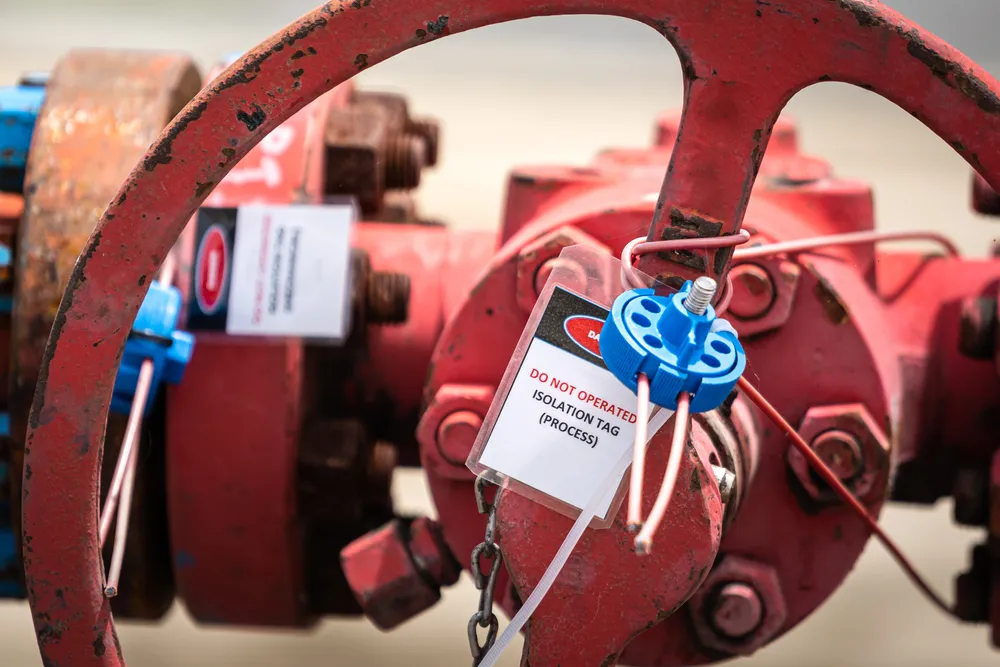
To ensure the effectiveness of lockout tagout procedures, clear communication is crucial. Standardised procedures should be followed, and regular maintenance should be conducted on lockout devices and equipment. By implementing these tips, you can enhance workplace safety and prevent accidents.
Clear communication
We believe that clear communication is essential when it comes to ensuring safety with lockout/tagout procedures. It is crucial for everyone involved in the maintenance or repair of equipment to understand the importance and requirements of lockout/tagout.
Clear instructions should be provided on how to properly apply and lockout devices, including padlocks and suitable lockout devices. By clearly communicating these procedures, we can prevent accidents and injuries caused by unintentional exposure to hazardous energy.
Remember, effective communication plays a key role in keeping both workers and equipment safe during maintenance or repairs.
Standardised procedures
We strongly recommend implementing standardised lockout procedures in your home to ensure the safety of you and your family. By establishing consistent protocols for locking out equipment during maintenance or repairs, you can minimise the risk of accidents and injuries.
Standardised procedures involve using the same types of lockout devices and tags throughout your home, making it easier to identify who is performing the work and preventing compatibility issues.
This approach enhances communication, promotes efficiency, and ultimately increases the effectiveness of your lockout efforts. Remember, when it comes to safety, consistency is key!
Regular maintenance
Regular maintenance is crucial for ensuring the effectiveness of lockout/tagout procedures. By regularly inspecting and maintaining lockout devices, you can prevent accidental energisation of machinery and promote workplace safety.
Make sure to check that all locks, tags, and other devices are in good condition and properly functioning. Inspect for any signs of wear or damage, such as frayed cables or broken locking mechanisms.
In addition to regular inspections, it is important to perform routine maintenance on equipment and machinery. This includes cleaning, lubricating moving parts, and replacing worn-out components.
Regular maintenance not only keeps your equipment running smoothly but also reduces the risk of unexpected energy release during repairs or adjustments.
Remember that regular communication with workers about the importance of regular maintenance is essential. Encourage them to report any issues or concerns they may have regarding lockout devices or equipment safety so that necessary actions can be taken promptly.
Overcoming Challenges
Resistance to change, complex machinery, and keeping up with technological advancements are some of the challenges that may arise when implementing effective lockout tagout procedures.
Resistance to change
Some homeowners may resist implementing lockout tagout procedures due to a reluctance to change their current practices. However, it is essential to overcome this resistance and prioritise safety.
By fully understanding the importance of lockout devices in preventing accidents and injuries during equipment maintenance or repairs, homeowners can embrace the necessary changes for a safer working environment.
It is crucial to educate yourself about the benefits of lockout tagout and communicate these advantages to others involved in home maintenance or repair projects. Remember that by adapting to new safety procedures, you are ensuring the well-being of yourself and everyone else using the equipment.
Complex machinery
Maintaining safety with complex machinery can be challenging, but it is crucial to ensure the well-being of workers and prevent accidents. When working with these intricate systems, it is important to use lockout devices that are compatible with the equipment.
This means selecting locks and tags that fit properly and effectively immobilise the machinery during repairs or adjustments. By choosing the right lockout device for each specific piece of machinery, you can minimise the risk of accidental energisation and keep everyone safe.
Keeping up with technological advancements
Technology is constantly evolving, and it’s important for homeowners to keep up with these advancements, especially when it comes to lockout devices. New technologies are being introduced to enhance the effectiveness and efficiency of lockout procedures, making them easier and safer to use.
For example, some lockout devices now come with electronic features that allow for remote monitoring or integration with other safety systems. By staying informed about these advancements, homeowners can ensure that they have access to the latest tools and techniques for securing their equipment during maintenance or repairs.
In addition to staying up-to-date on technological advancements in lockout devices themselves, homeowners should also be aware of new technologies that can help them improve overall safety practices in their homes.
For instance, smart home systems now offer advanced security features such as remote monitoring and control of locks, alarms, and cameras. Integrating these technologies with lockout procedures can provide an extra layer of protection by allowing homeowners to remotely disable or monitor equipment during maintenance activities.
Future of LOTO Equipment
The future of LOTO equipment looks promising, with advancements in technology and a greater emphasis on workplace safety. As technology continues to evolve, we can expect to see more innovative lockout devices that offer increased compatibility with a wide range of equipment models.
These devices will be designed to prevent accidental energisation and ensure the safety of workers during maintenance or repairs.
Furthermore, there will likely be improved communication systems integrated into lockout devices. Clear identification of individuals performing work and standardised procedures will become even more crucial for effective lockout tagout practices.
Employers will have access to advanced tracking mechanisms that provide real-time information about who has locked out specific equipment, enhancing accountability and overall safety.
Additionally, the future holds advancements in harness systems and anchor points for machinery and equipment safety when working at heights. With improved compatibility between different components within the system, workers can feel confident in their ability to safely perform tasks at elevated locations.
In conclusion, as we move forward, it is important for homeowners to stay updated on the latest developments in LOTO equipment. By embracing these advancements, homeowners can effectively protect themselves and their loved ones from accidents or injuries related to machinery operation or maintenance work.
Ensure Compatibility of Your Lockout Devices
Ensuring compatibility of lockout devices with equipment is essential for maintaining safety during maintenance or repairs. By standardising the lockout process and selecting compatible devices, we can prevent accidents and protect workers from hazardous energy exposure.
Employers must take responsibility for providing the right lockout devices that are compatible with the equipment used in their facilities. Let’s prioritise workplace safety by ensuring proper compatibility between lockout devices and equipment.