LockOut Equipment · 8 March 2024
Enhanced Tag Out Tags with RFID Technology
We’ve all been in that spot, haven’t we? Dealing with inventory can be a real pain. Trust us mate, we understand completely because we’ve walked that path ourselves. But here’s the good news – there’s a clever way out.
Our latest blog post dives into how using Enhanced Tag Out Tags combined with RFID technology can really change the game for you.
Key Takeaways
- RFID tags offer a smart way to track and manage inventory in real-time, improving efficiency and accuracy for both businesses and homeowners.
- Enhanced tag-out tags with RFID technology help keep items secure, making sure that valuable assets are tracked and monitored constantly to prevent theft or loss.
- The use of UltraWraps ensures that RFID tags stay firmly attached to items in various conditions, aiding reliable tracking across different industries like manufacturing, logistics, and retail.
- Setting up an RFID system involves initial costs for equipment such as readers, printers, and software but pays off by reducing labour costs and enhancing overall security.
- Integrating RFID technology into existing systems can streamline operations without disrupting current processes, allowing for better data management and decision-making based on accurate inventory information.
Understanding RFID Tags
Understanding RFID tags is essential for real-time tracking, inventory management, and enhanced security in various industries. They work by using electromagnetic fields to automatically identify and track tags attached to objects.
What are RFID tags?
RFID tags are small electronic devices that store and transmit data wirelessly. They play a crucial role in tracking and identifying items quickly, making them invaluable for inventory management across various industries, from retail to libraries.
Each tag contains a unique identification code, which RFID readers can scan to access information without direct contact or line of sight.
We use these tags extensively because they significantly boost efficiency and accuracy in managing assets. They enable real-time tracking of goods, helping business owners like us keep tabs on stock levels with precision.
By automating the identification process, RFID technology also enhances employee productivity by cutting down time spent on manual checks and data entry.
How do they work?
RFID tags work by using radio waves to communicate data between the tag and a reader. When the reader emits a radio signal, it activates the RFID tag, which then transmits its unique identification information back to the reader.
This process enables real-time tracking and recording of items in various industries such as libraries, inventory management, and lockout-tagout systems. The RFID stickers or tags can be attached to objects or equipment for automation purposes, enhancing security measures while providing accurate inventory visibility.
Enhanced tag-out tags with RFID technology provide an extra layer of security by allowing automated tracking of machinery maintenance and servicing. RFID cable ties also contribute towards this end by ensuring that safety precautions are meticulously maintained during lockout-tagout procedures.
Applications in various industries
Enhanced tag-out tags with RFID technology have versatile applications across a range of industries, including:
- Manufacturing: Streamlining production processes, tracking work-in-progress, and ensuring equipment maintenance.
- Healthcare: Managing medical inventory, tracking patient records, and enhancing hospital security.
- Retail: Improving inventory management, preventing theft, and offering contactless payment options for customers.
- Logistics: Optimising supply chain operations, tracking shipments in real-time, and automating warehouse inventory control.
- Agriculture: Monitoring livestock movement, managing crop yields, and enhancing traceability in the food supply chain.
- Automotive: Tracking vehicle components in assembly lines, managing spare part inventories, and improving fleet management.
These applications demonstrate the versatility and efficiency of enhanced tag-out tags with RFID technology across different sectors.
Advantages of RFID Tags
RFID tags increase efficiency and accuracy in inventory management. Enhanced visibility through real-time tracking is achieved, improving security and data management while reducing labour costs and providing scalability and flexibility.
Increased efficiency and accuracy
With enhanced tag-out tags featuring RFID technology, real-time tracking of equipment and inventory becomes simpler. This means that you can easily locate items within your business or home, saving time and increasing productivity.
Additionally, the accuracy of inventory management is significantly improved with RFID technology, providing a more precise overview of stock levels and asset locations.
Business owners can streamline their operations by leveraging the efficiency brought about by RFID-enabled tag-out tags. The technology supports better decision-making processes through accurate data on available resources while eliminating manual counting errors.
Enhanced inventory visibility
As we move beyond increased efficiency and accuracy, we find that enhanced inventory visibility is a crucial advantage of RFID tags. With real-time tracking capabilities, RFID technology allows for instantaneous access to the location and status of tagged items within your home or business.
This provides an unparalleled level of insight into your inventory, enabling you to make informed decisions about stock levels, order fulfilment, and asset management. By integrating RFID solutions into your operations, you can ensure that you always know where your essential items are located.
RFID tagging offers a streamlined approach to managing inventory in libraries and various industries such as retail, manufacturing, and logistics. The ability to monitor stock levels in real-time helps reduce the risk of stockouts or overstock situations while enhancing overall operational efficiency.
Improved security
Enhanced tag-out tags with RFID technology offer improved security by providing real-time tracking and monitoring of tagged items. This helps prevent unauthorised access or tampering, ensuring the safety and security of valuable assets.
With the use of RFID technology, homeowners and business owners can have peace of mind knowing that their inventory is securely locked down and monitored at all times to prevent any potential breaches or risks.
In addition, RFID tags play a crucial role in lockout-tagout procedures by offering enhanced visibility and control over equipment safety measures. This advanced level of security not only safeguards against potential hazards but also aligns with industry regulations for workplace safety, making it an essential investment for ensuring a secure environment for both employees and assets alike.
Better data management
Improving data management is a crucial benefit of using RFID tags. The real-time tracking capabilities of RFID technology allow for accurate and up-to-date information on inventory levels, location, and movement.
This enhances decision-making processes by providing accurate insights into stock levels, reducing the risks of stockouts or overstocking. With RFID tags, businesses can ensure precise and efficient data management throughout their operations.
Furthermore, RFID technology aids in maintaining accurate records and improving overall efficiency in tracking products through the supply chain. This streamlined approach allows for better forecasting and planning while minimising errors commonly associated with manual data entry systems.
Reduced labor costs
Reducing labour costs is a key advantage of RFID tags for businesses and homeowners alike. With streamlined inventory management and automated tracking, the need for manual stock checks and item identification is significantly reduced.
This not only saves time but also cuts down on labour expenses, allowing you to allocate your workforce to more strategic tasks. Additionally, by minimising human error and simplifying processes, RFID technology can contribute to operational efficiency, leading to further cost savings over time.
Furthermore, embracing enhanced tag-out tags with RFID capabilities can result in long-term financial benefits through lowered labour expenditure. The implementation of this innovative technology aligns with our commitment to delivering affordable solutions that improve productivity and enhance safety across various industries.
Scalability and flexibility
RFID technology offers scalability and flexibility, allowing users to easily expand their system as their needs grow. Whether you’re a homeowner or a business owner, the adaptability of RFID tags means that they can be seamlessly integrated into existing systems, making it easy to scale up without disrupting operations.
This level of flexibility helps in creating a tailored solution that meets your specific requirements, ensuring efficient tracking and management of assets. With this enhanced tag-out tags with RFID technology cost-effective solution, you can have peace of mind knowing that your investment will continue to support your needs as they evolve.
In addition, the scalability and flexibility provided by RFID technology offer improved efficiency for businesses across various industries. The real-time tracking capabilities allow for better decision-making and resource allocation while maintaining accuracy and visibility throughout processes such as inventory management.
Disadvantages of RFID Tags
RFID tags entail high initial setup costs and require complex training, maintenance, and upkeep. Despite these challenges, the benefits of RFID technology are undeniable.
High initial setup costs
Setting up an RFID system can require a significant investment. The costs involved may include purchasing RFID tags, readers, and software, as well as installation and training expenses.
However, the benefits of real-time tracking and improved inventory management make it a worthwhile investment for businesses looking to streamline operations and enhance security. Homeowners interested in enhanced security systems should consider these initial setup costs as a valuable long-term investment into the safety and protection of their property.
In understanding the high initial setup costs associated with RFID technology, business owners can weigh the potential advantages against budget considerations. While there is an upfront financial commitment, embracing RFID technology opens doors to greater efficiency and streamlined processes that can lead to cost savings in the long run.
Complexity and training requirements
Setting up an RFID system can be complex and may require some additional training. Understanding how to integrate RFID tags into your existing inventory management processes is crucial.
Training may be needed for staff who will be using the technology, as well as for those responsible for maintaining the system. It’s important to ensure that everyone involved understands how to operate and troubleshoot the RFID equipment effectively.
Investing in comprehensive training will help streamline the integration process and maximise the benefits of RFID technology without overwhelming your team.
Environmental interference and tag collisions
Environmental interference and tag collisions can impact the effectiveness of RFID technology in various settings. Interference from metals and liquids, as well as electromagnetic fields, can hinder the transmission of RFID signals, affecting the accuracy of data collection.
Additionally, tag collisions occur when multiple tags respond to a reader’s signal simultaneously, leading to data overlap and errors in information retrieval. These challenges necessitate careful planning and system configuration to mitigate their effects, ensuring the smooth operation of RFID technology for inventory management and asset tracking in diverse environments.
[Blog Topic]: Enhanced Tag Out Tags with RFID Technology
Maintenance and upkeep
To ensure optimal performance and longevity of RFID tags, regular maintenance is essential. This includes inspecting tags for any physical damage or wear, as well as cleaning them to prevent dirt and debris from affecting their readability.
In addition, staying up to date with firmware updates and battery replacements for active RFID tags will help maintain their functionality. Conducting routine testing of the RFID system’s components such as readers and antennas also plays a crucial role in ensuring seamless operation.
For business owners who rely on RFID technology for inventory management or access control, implementing a proactive maintenance schedule can prevent costly downtime and potential disruptions to operations.
Over-reliance on technology
Relying solely on technology for inventory management can pose potential risks. While RFID tags offer numerous benefits, an over-reliance on them could lead to disruptions in operations if the system experiences downtime or malfunctions.
It’s important to maintain a balance and have contingency plans in place to mitigate any adverse effects of relying too heavily on technology. Regular checks and manual processes are crucial to ensure smooth operations, especially during unexpected technical issues that may arise.
Additionally, being overly dependent on technology without adequate training for staff members could result in inefficiencies when handling inventory. Integrating RFID technology should be approached strategically, considering its advantages alongside the importance of maintaining alternative systems for seamless operations when faced with technological hiccups.
RFID Tags vs. Barcode Labels
RFID tags offer real-time tracking and enhanced security, while barcode labels provide a cost-effective solution for inventory management. To learn more about the pros and cons of each for your business needs, read on!
Pros and cons of each for inventory management
RFID tags offer increased efficiency and accuracy in inventory management. They provide real-time tracking, improving visibility throughout the supply chain. Additionally, RFID tags enable better data management and enhanced security measures.
On the other hand, barcode labels are more cost-effective for initial setup and maintenance. However, they may require manual scanning which can lead to errors. Barcode labels also have limitations in terms of scalability compared to RFID technology.
In summary, while RFID tags provide advanced capabilities for real-time tracking and improved security, barcode labels offer a more cost-effective solution for smaller-scale operations with manageable inventory levels.
Essential equipment for RFID inventory management
When managing RFID inventory, essential equipment includes:
- RFID Tags: These tags are crucial for identifying and tracking items. They come in various forms such as adhesive labels, hard tags, and hangtags.
- RFID Readers: These devices are used to read the data stored on the RFID tags and capture information about the items being tracked.
- RFID Printers: These are used to print and encode RFID tags with unique identification numbers and other relevant information.
- Label Design Software: This software allows for the customisation of RFID tag designs and encoding of specific data onto the tags.
- Integration Tools: Systems need to be integrated into existing inventory management software or ERP systems to ensure seamless data flow.
- UltraWraps: These secure attachment mechanisms ensure that RFID tags stay in place even in challenging environments.
- Training Resources: Staff training is vital for the successful implementation and maintenance of an RFID inventory management system.
- Maintenance Tools: Equipment for regular maintenance and troubleshooting to ensure smooth functioning of the system.
These pieces of equipment are essential in establishing an effective RFID inventory management system that offers real-time tracking, improved security, and enhanced visibility into inventory levels.
Latest Innovations in RFID Technology
Enhanced tag-out tags now incorporate RFID capabilities, ensuring real-time tracking and secure attachment with UltraWraps. Explore the future implications for workplace safety and efficiency in this latest innovation.
Enhanced tag-out tags with RFID capabilities
Enhancing tag-out tags with RFID technology provides real-time tracking and secure inventory management for home and business owners. These enhanced tags offer improved visibility, allowing for precise location monitoring of tools, equipment, or assets tagged with RFID capabilities.
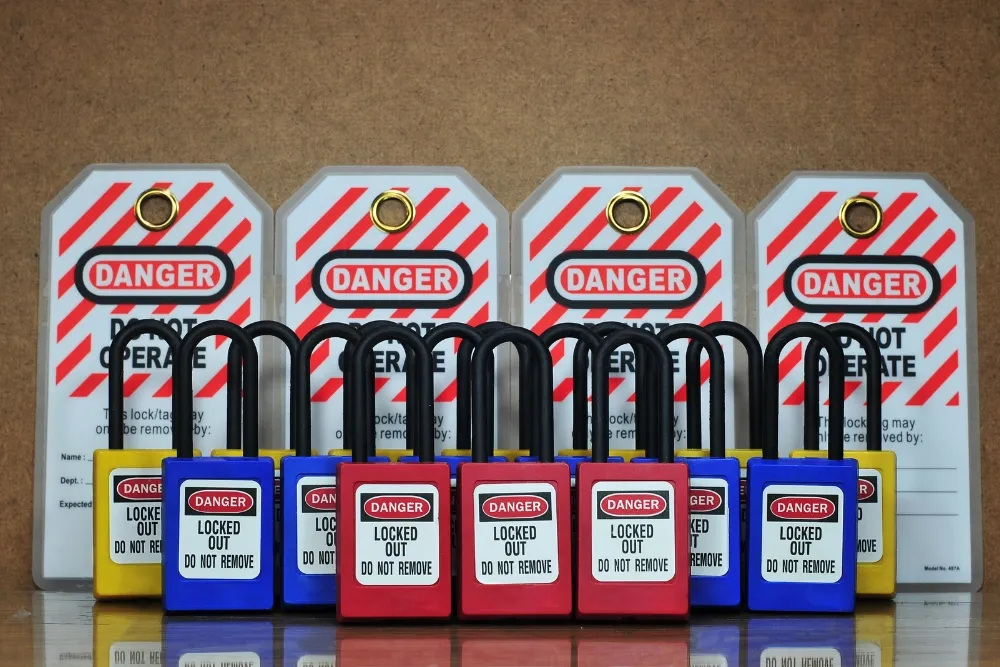
With the help of RFID readers and printers, these innovative tags ensure better data management and streamlined operations in both personal and professional settings.
Looking forward to further exploring the latest innovations in RFID technology? Let’s delve into UltraWraps for secure attachment methods, integration with existing systems, as well as future implications for workplace safety.
UltraWraps for secure attachment
UltraWraps provides a secure and reliable method for attaching RFID tags to assets. These flexible and durable wraps are designed to withstand various environmental conditions, ensuring that the attached tag remains in place and functional.
Their robust construction makes them suitable for use in diverse industries such as manufacturing, logistics, and retail. With UltraWraps, you can be confident that your RFID tags will stay securely fastened to your valuable assets, allowing for accurate tracking and real-time visibility.
Furthermore, UltraWraps offer ease of application, saving time and effort when tagging items or equipment. These innovative wraps contribute to improved inventory management by maintaining the integrity of RFID tag attachment over extended periods.
RFID readers, printers, and label design software
RFID readers, printers, and label design software play a crucial role in utilising RFID technology for inventory management. They enable users to scan and read RFID tags, print new tags when needed, and design custom labels for various items. These tools are essential for integrating RFID technology into existing systems, offering real-time tracking capabilities, and improving overall operational efficiency. Moreover, they facilitate seamless data management and contribute to enhanced inventory visibility. Businesses can also benefit from the scalability and flexibility offered by this equipment, allowing for easy adaptation to changing business needs and requirements.
Integration with existing systems
To seamlessly incorporate RFID technology into your existing systems, consider using compatible software and hardware solutions. Look for RFID reader and printer options that offer easy integration with your current inventory management or security systems.
This will ensure a smooth transition to RFID tagging without disrupting your operations. Additionally, explore label design software that can be tailored to suit your specific requirements, allowing you to create RFID tags that align with the unique needs of your business or home organisation.
Furthermore, seek out suppliers who can provide comprehensive guidance on integrating RFID technology into your existing setup. They should offer support in setting up the necessary infrastructure and configuring the system for optimal performance.
Future implications for workplace safety.
RFID technology holds immense promise for enhancing workplace safety. Real-time tracking capabilities of RFID tags can revolutionise the way businesses manage and monitor equipment and machinery, improving overall safety protocols.
With RFID tags integrated into workplace safety measures, employers can quickly locate specific tools or hazardous materials, track employee movement in high-risk areas, and ensure that essential safety gear is readily available throughout the facility.
Furthermore, as workplaces continue to evolve with advanced technologies and automation, incorporating RFID tags for enhanced workplace safety will become increasingly crucial. Employers should consider investing in RFID-enabled safety solutions to proactively address potential hazards and uphold a safe working environment.
Tagout Innovation for Maximum Security in Your Space!
Enhanced tag-out tags with RFID technology revolutionise inventory management, streamlining processes and enhancing accuracy. Real-time tracking provides immediate insight into asset location and movement.
With benefits such as improved security, reduced labour costs, and better data management, they are a game-changer for businesses. The integration of RFID capabilities in enhanced tag-out tags is crucial for future workplace safety implications.
Upgrade your safety measures with enhanced Tag Out tags featuring RFID technology! Learn how RFID tags can revolutionise your maintenance procedures and streamline safety compliance. Contact us now to explore the benefits!