
LockOut Equipment · 23 September 2023
Energy Isolation Devices in Tag Out Systems

We all know tackling potentially risky energy in the midst of equipment maintenance or servicing can be a bit of a sticky wicket. We’ve seen firsthand how catastrophic it can be when unexpected energisation happens outta the blue.
This yarn will have a squiz at energy isolation devices in tag-out systems, which are dinky-di safety strategies as part of lockout tagout procedures.
Key Takeaways
- Energy isolation devices are crucial in lockout tagout systems for controlling hazardous energy and creating a safer working environment.
- Lockout devices physically prevent the operation of equipment or machinery, ensuring no accidental energisation occurs.
- Tagout devices communicate that specific equipment is out of service and should not be used until it has been properly inspected and deemed safe.
- Proper implementation of energy isolation devices is essential for maintaining workplace safety and preventing accidents.
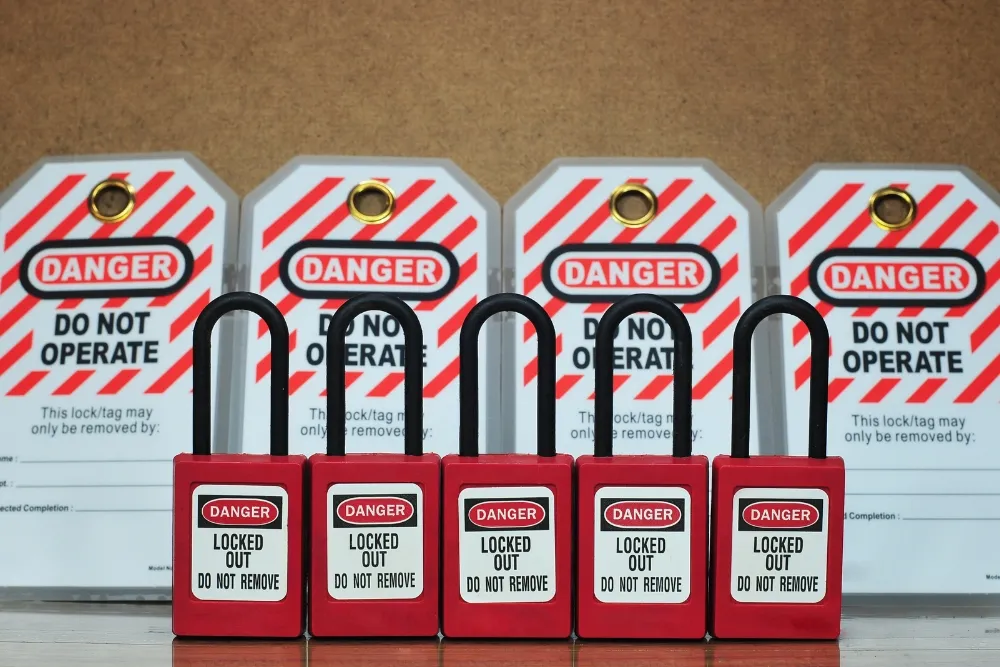
What is Lockout Tagout (LOTO)?
Lockout Tagout (LOTO) is a crucial safety procedure used to protect people working on or near machinery or equipment from the unexpected release of hazardous energy.
Definition and purpose
Lockout Tagout, commonly known as LOTO, serves as a safety procedure designed to protect us from the unexpected start-up of machinery or equipment. It’s all about controlling hazardous energy and creating a safer environment for those working around such devices.
Energy isolation plays a significant role in this process. This involves putting an energy-isolating device on machinery or equipment to ensure zero energy at the point of isolation.
Simply put, it makes sure that the equipment is thoroughly off and can’t be started up unexpectedly during servicing or maintenance tasks. The ultimate goal here is prevention: keep accidents at bay and ensure everyone returns home safe after work!
Importance of energy isolation
Energy isolation is of utmost importance in lockout tagout systems. It involves using energy isolation devices to physically prevent equipment or machinery from being energised, ensuring the safety of workers and preventing accidents.
By isolating energy sources, such as electrical power or hydraulic pressure, lockout tagout procedures ensure that equipment is completely shut down and unable to start up unexpectedly.
This helps protect workers from hazardous situations while they are cleaning, servicing, repairing, or performing maintenance on equipment. Properly implemented energy isolation procedures greatly reduce the risk of accidents and create a safer working environment for everyone involved.
Components of a LOTO System
The components of a LOTO system include energy isolating devices, lockout devices, and tagout devices.
Energy isolating devices
Energy isolating devices are an important component of lockout tagout systems. These devices are used to physically isolate the energy from equipment and machinery, making it safe for maintenance or repairs.
They work by blocking all incoming energy and releasing any stored energy in the equipment. This ensures that the equipment cannot be accidentally energised while work is being carried out.
Energy-isolating devices play a crucial role in preventing accidents and injuries by creating a safe working environment. Proper use of these devices can help reduce the risk of unexpected energisation and protect both homeowners and workers from potential hazards.
Lockout devices
Lockout devices play a crucial role in lockout tagout systems by physically preventing the operation of equipment or machinery. These devices are used to block all incoming energy and discharge any stored energy, effectively isolating the equipment from its power source.
By securely locking out the system, lockout devices ensure that no accidental energisation can occur, keeping workers safe from potential hazards. It is important for homeowners to understand how lockout devices work and to use them correctly when performing maintenance or repairs on their own equipment.
By following proper lockout tagout procedures and using lockout devices appropriately, homeowners can create a safer environment for themselves and others.
Tagout devices
Tagout devices are an important component of a lockout tagout (LOTO) system. These devices are used to physically lock energy isolation systems in the off or safe position and attach a written warning to them.
They play a crucial role in preventing accidents and injuries by ensuring that equipment or machinery cannot be operated while maintenance, cleaning, servicing, or repairs are being done.
By using tagout devices, homeowners can effectively communicate that specific equipment is out of service and should not be used until it has been properly inspected and deemed safe.
This helps create a safer working environment by reducing the risk of unexpected energisation and protecting individuals from potential hazards. It’s essential for everyone involved to understand how to correctly use these devices as part of their everyday safety practices.
Steps in a LOTO Procedure
To perform a successful Lockout Tagout (LOTO) procedure, there are four key steps that need to be followed. Firstly, it is crucial to identify all energy sources associated with the equipment or machinery being worked on.
Then, the next step involves de-energising the equipment by shutting off power and disconnecting any power sources. Following this, lockout devices are applied to physically prevent the transmission or release of energy while tagout devices are attached to clearly indicate that the equipment is out of service.
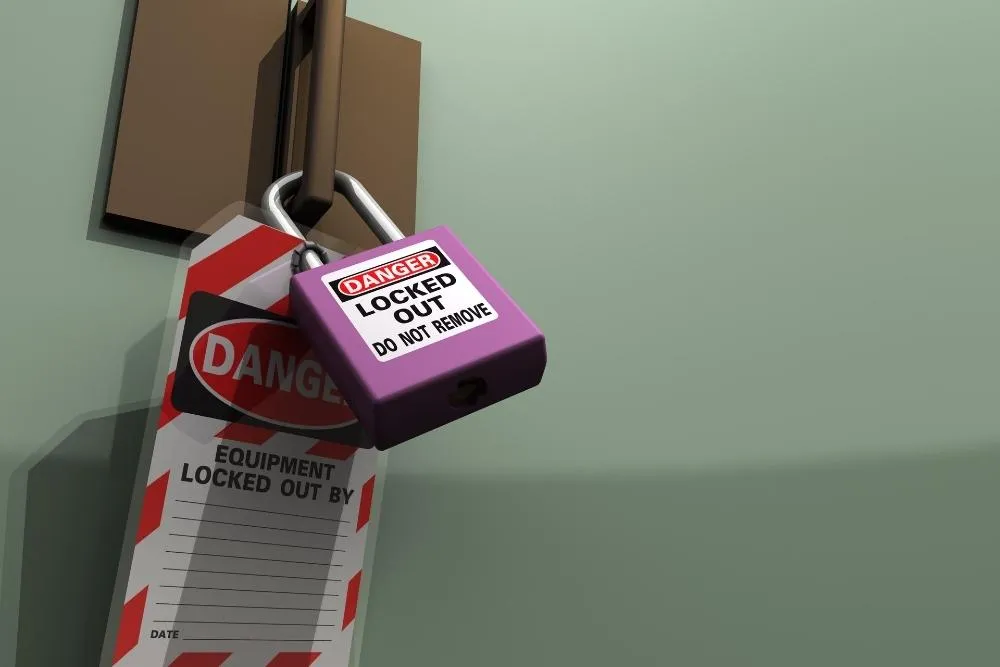
Lastly, before starting work, it’s essential to verify that all equipment is safely isolated and in a safe position.
Identify energy sources
To safely perform lockout tagout procedures, it is crucial to first identify the energy sources associated with the equipment or machinery. This involves understanding how and where the energy is transmitted or released.
By identifying all potential energy sources, such as electrical, hydraulic, or pneumatic systems, you can take appropriate measures to effectively isolate them. This step ensures that no unexpected energisation occurs during equipment maintenance, cleaning, servicing, or repairing processes.
Taking the time to accurately identify energy sources helps protect both yourself and your equipment from potential hazards.
De-energise equipment
To ensure your safety when working with equipment or machinery, it’s important to de-energise them before performing any maintenance, cleaning, or repairs. De-energising means turning off the power source and making sure no energy is flowing through the equipment.
This step is crucial because it eliminates the risk of accidental start-up or unexpected release of hazardous energy. By following proper lockout tagout procedures and using energy isolation devices, you can effectively de-energise the equipment and create a safe working environment.
Remember, always prioritise your safety by taking these necessary precautions.
Apply lockout and tagout devices
We need to apply lockout and tagout devices when following lockout tagout (LOTO) procedures. Lockout devices physically prevent the equipment from being energised by blocking energy sources, while tagout devices warn others that the equipment should not be operated.
This important step ensures that all energy is isolated and equipment cannot accidentally start up. By applying these devices correctly, we are protecting ourselves and others from potential hazards caused by uncontrolled energy release or unexpected startup of machinery.
It’s crucial to follow the specific guidelines for placement, removal, and transfer of lockout and tagout devices to ensure everyone’s safety during maintenance or repair work on equipment or machinery.
Verify equipment is safely isolated
We must always verify that equipment is safely isolated to ensure the safety of everyone involved. This step is crucial in the lockout tagout procedure as it confirms that no energy can be transmitted or released, and all potential hazards have been eliminated.
By double-checking that the isolation devices are properly applied and secured, we can prevent accidents and injuries caused by unexpected energisation of machinery or equipment. Remember, verifying equipment isolation is an essential part of maintaining workplace safety and protecting ourselves from potential harm.
So let’s make it a habit to always confirm that equipment is safely isolated before starting any work.
Compliance with OSHA Standards
The OSHA Lockout/Tagout Standard sets requirements for energy control procedures to protect workers from hazardous energy.
OSHA Lockout/Tagout Standard
The OSHA Lockout/Tagout Standard is a set of regulations established by the Occupational Safety and Health Administration to ensure workplace safety when working with equipment or machinery.
This standard requires employers to implement lockout/tagout procedures to protect workers from hazardous energy sources. Compliance with these standards is essential for creating a safe working environment and reducing the risk of accidents and injuries.
Employers must provide training on lockout/tagout procedures and establish clear policies that outline the steps for isolating energy sources, applying lockout/tagout devices, and verifying equipment isolation.
Exceptions and violations
There are certain exceptions and violations that can occur when it comes to lockout tagout procedures. While lockout tagout is a crucial safety measure, there may be situations where it cannot be implemented due to specific circumstances.
These exceptions should be clearly defined and communicated within the organisation.
One common exception is when it is infeasible or impossible to isolate energy from a piece of equipment. In these cases, alternative methods must be used to ensure worker safety. Another exception occurs during servicing or maintenance tasks that require the machine to remain operational.
In such situations, additional precautions need to be taken to protect workers.
Violations of lockout tagout procedures can happen if employees do not follow the established guidelines or fail to use the necessary isolation devices correctly. This can put their own lives at risk as well as those around them.
To prevent violations, proper training and regular audits are essential.
Responsibilities of employers and employees
Employers and employees have important responsibilities when it comes to lockout tagout procedures. Employers must establish and maintain a comprehensive lockout tagout program that follows OSHA standards, which includes providing training and resources for employees.
They are also responsible for conducting regular audits to ensure compliance with the program, as well as documenting all procedures and incidents. On the other hand, employees have a responsibility to follow the established lockout tagout procedures correctly.
This means properly identifying energy sources, de-energising equipment, applying lockout and tagout devices, and verifying that equipment is safely isolated before performing any maintenance or repairs.
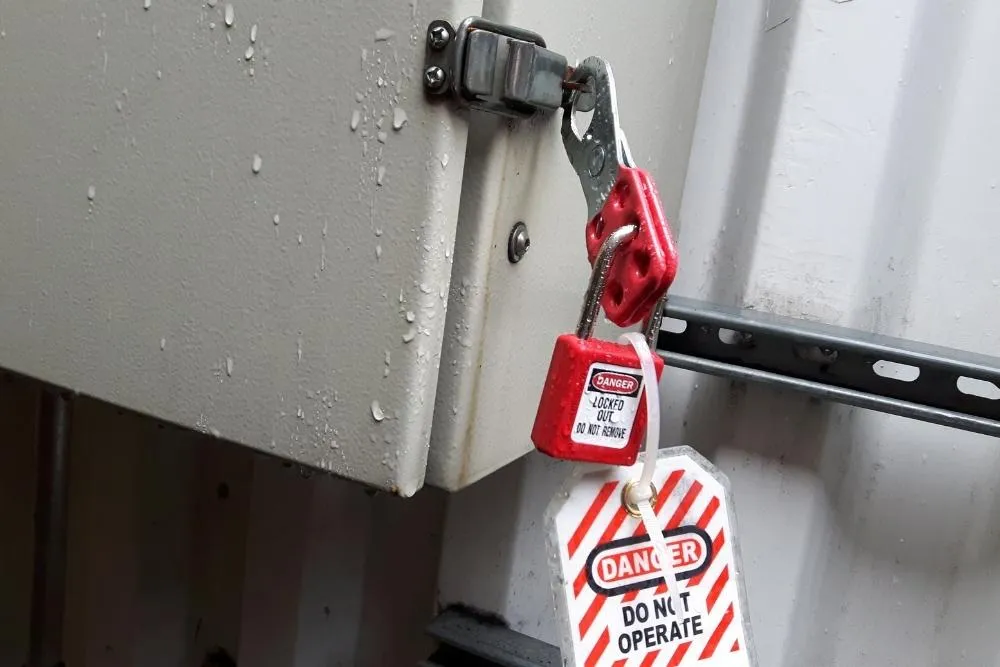
Implementing an Effective LOTO Program
To establish an effective LOTO program, we need to develop clear policies and procedures that outline the steps for energy isolation. We also need to train our employees on the proper use of lockout and tagout devices, and regularly audit and maintain documentation to ensure compliance with safety regulations.
Establishing policies and procedures
We understand that establishing policies and procedures may seem daunting, but it is a crucial step in implementing an effective lockout tagout program. By creating clear guidelines, we ensure that energy isolation devices are used correctly and consistently.
These policies and procedures outline the steps for identifying energy sources, de-energising equipment, applying lockout and tagout devices, and verifying equipment isolation. They also specify training requirements for employees to ensure they understand the necessary precautions for energy isolation.
By following these established protocols, we can create a safer working environment and prevent accidents caused by unexpected energisation.
Training employees
We believe that training employees is a crucial part of implementing an effective lockout tagout (LOTO) program. By ensuring that all employees are properly trained on LOTO procedures, we can significantly reduce the risk of accidents and create a safer working environment.
During the training process, employees will learn about the importance of energy isolation, how to identify energy sources, and the steps involved in safely isolating equipment. They will also be educated on the specific information regarding the placement, removal, and transfer of lockout tagout devices.
By providing this training, we empower our employees to take responsibility for their own safety and contribute to maintaining a hazard-free workplace. Remember: proper employee training is essential for preventing unexpected energisation and protecting workers from potential hazards.
Training our employees on lockout tagout procedures ensures that they understand and follow the necessary steps for energy isolation. Employees need to know how to correctly de-energise equipment, apply lockout/tagout devices effectively, and verify equipment is safely isolated before starting any work or maintenance activities.
Proper training empowers them with knowledge about identifying energy sources which helps in determining appropriate isolation measures.
In addition to these important skills and knowledge areas covered during employee training sessions include recognising different types of hazardous energy sources like electrical hazards; as well as understanding OSHA’s Lockout/Tag-out Standard regulations governing safe practices when working with potentially hazardous machinery or equipment requiring servicing or cleaning.
Auditing and maintaining documentation.
We understand the importance of auditing and maintaining documentation in lockout tagout procedures. Regular audits ensure that energy isolation devices are properly maintained, functional, and up to date.
It’s crucial for homeowners to keep records of their lockout tagout program, including training records, procedure updates, and equipment maintenance logs. Auditing helps identify any gaps or deficiencies in the program and allows for necessary improvements to be made.
By consistently documenting procedures and conducting regular audits, homeowners can ensure the effectiveness of their lockout tagout system and promote a safe working environment.
Smart Tagging for Your Space’s Peace of Mind
Energy isolation devices play a crucial role in lockout tagout systems, ensuring the safe and effective control of hazardous energy. By physically locking the system and isolating energy, these devices help prevent accidents and protect workers from potential hazards.
Implementing proper procedures and training employees on the use of these devices is essential for maintaining workplace safety.
Ready to take control of energy isolation and safety in your workplace? Discover the importance of energy isolation devices in Tag Out Systems with us. Don’t leave your workforce vulnerable to accidents – take action now to safeguard your operations. Contact Tag Out System today to explore how our energy isolation devices can help you prevent accidents, reduce risk, and ensure compliance with safety regulations. Trust us to provide you with the tools and expertise needed for a safer and more efficient work environment. Don’t wait for energy-related incidents to occur – act now and experience the transformative power of energy isolation devices in Tag Out Systems. Reach out today!