
Tag Out System · 22 February 2024
Emergency Tag Out Procedures and Protocols
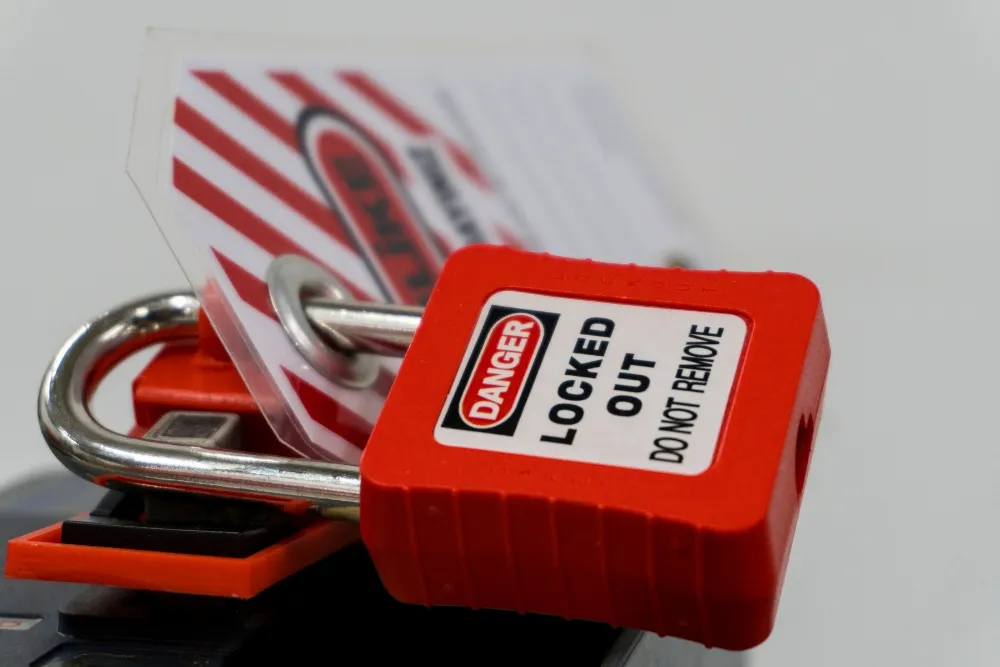
Accidents on the job can happen in the blink of an eye, more so when heavy machinery is involved. Just like you, we’ve seen how quickly things can take a turn for the worse; that’s why we’ve been hard at work piecing together the best safety measures out there.
Our guide on Emergency Tag Out Procedures and Protocols is chock-full of straightforward steps to keep your mates and gear safe when times get tough.
Key Takeaways
- Lockout/Tagout (LOTO) procedures are essential for worker safety, preventing the accidental start-up of machinery during maintenance by controlling hazardous energy.
- All employees must be notified about LOTO procedures and designated safety officers are responsible for enforcing these measures to comply with Australian standards.
- Using the right lockout/tagout products like padlocks, tags, and kits helps maintain compliance and enhances workplace safety protocols.
- Emergency tag-out involves a 10-step process including shutting down equipment correctly, verifying isolation, and documenting each step to ensure complete adherence to safety standards.
- Accessing services like online training courses on LOTO and employing compliance software can assist in effectively managing lockout/tagout programmes within the workplace.
What is Lockout/Tagout (LOTO)?
Lockout/Tagout (LOTO) refers to the safety procedure used in workplaces to ensure that hazardous energy sources are properly controlled during maintenance and repair of machinery. This is achieved by either locking or tagging the energy-isolating devices, preventing the release of hazardous energy while maintenance work is being carried out.
Definition and purpose
Lockout/Tagout (LOTO) is a safety procedure we use to ensure that dangerous machines are properly shut off and not able to be started up again prior to the completion of maintenance or servicing work.

By isolating energy sources and applying locks and tags, we effectively control hazardous energy during these operations. The purpose of this critical protocol is twofold: it safeguards workers from harm caused by an unexpected release of energy, and it keeps equipment safe from potential damage.
This process involves several key steps including turning off machinery, locking energy controls, tagging them with warnings, and verifying that the machine is indeed non-operational before any work begins.
We aim for strict compliance with Australian standards for LOTO because doing so significantly reduces risks associated with industrial equipment maintenance. It’s all about ensuring our workplace safety by managing these potentially dangerous situations carefully and systematically.
Importance of LOTO for workplace safety
Lockout/Tagout (LOTO) procedures are crucial for maintaining workplace safety and preventing accidents. Implementing LOTO measures ensures that equipment is properly isolated, energy sources are managed, and machinery is shut down effectively – reducing the risk of unexpected energising or start-up during maintenance or servicing.
Compliance with UK standards for LOTO is essential to control hazardous energy during machinery repair or maintenance, keeping employees safe and operations running smoothly.
Adhering to lockout/tagout procedures not only promotes workplace safety but also helps in ensuring compliance with industry regulations. Having a well-defined lockout/tag-out program in place is vital for preventing accidents, injuries, and potential hazards associated with machinery operations.
Emergency Tag Out Procedures and Protocols
Emergency tag-out procedures and protocols are crucial for ensuring the safety of employees in the workplace. Having well-defined procedures in place helps to prevent accidents, injuries, and fatalities caused by hazardous energy sources.
Why they are necessary
Lockout/Tagout (LOTO) procedures and protocols are essential for maintaining workplace safety by preventing unexpected energising or start-up of machinery during maintenance. They play a crucial role in controlling hazardous energy, ensuring the safety of employees, and complying with industry standards and regulations.
Implementing emergency tag-out procedures and protocols helps to minimise the risk of accidents or injuries, making it a necessary aspect of workplace safety measures. Effective LOTO procedures not only protect personnel but also contribute to overall operational efficiency.
Understanding why emergency tag-out procedures and protocols are necessary is vital for upholding workplace safety standards. By following these measures, homeowners can ensure the protection of their properties while office owners can guarantee a safe environment for their employees.
Who is responsible for implementing them
Implementing emergency tag-out procedures and protocols is a crucial responsibility within any workplace environment. It falls upon the designated safety officers and maintenance personnel to ensure that these procedures are implemented effectively.
These individuals play an essential role in enforcing the necessary lockout/tagout measures, adhering to relevant guidelines and standards, and communicating proper shutdown processes to all workers involved.
Furthermore, it’s imperative for business owners to appoint qualified employees who understand the importance of compliance with industry standards related to lockout/tagout procedures.
Benefits of having well-defined procedures and protocols
Having well-defined procedures and protocols for lockout/tagout (LOTO) offers several advantages for workplace safety. Clear guidelines ensure that everyone involved in the process understands their responsibilities, helping to prevent accidents and injuries.
It also facilitates compliance with Australian standards and regulations, providing a framework for conducting maintenance or repair work safely. Properly outlined procedures empower employees to effectively isolate equipment, manage energy sources, and shut down machinery, reducing the risk of unexpected energising during servicing.
Well-defined protocols for emergency tag-out procedures are essential for ensuring a smooth response to potential hazards. They help streamline communication and coordination during critical situations by clearly outlining roles and responsibilities while minimising confusion or delays in implementing safety measures.
How to Perform LOTO Procedures Safely
Performing LOTO procedures safely is crucial for preventing workplace accidents and injuries. Following the 10-step process, notifying affected employees, and identifying hazards is essential for a successful LOTO procedure.
10 steps to follow
Emergency tag-out procedures and protocols are crucial for maintaining workplace safety. Our team has outlined 10 essential steps for effective implementation:
- Notify affected employees about the tag-out procedure and any potential hazards.
- Identify and locate all energy sources that need to be isolated or disconnected.
- Shut down equipment using proper shutdown procedures as per the manufacturer’s guidelines.
- Identify and install the appropriate lockout/tagout devices on each energy source.
- Relieve, disconnect, restrain, and secure all stored or residual energy to a safe level.
- Verify that the equipment is isolated by attempting to start it.
- Perform necessary maintenance or servicing tasks while ensuring continuous isolation of hazardous energy.
- Remove lockout/tagout devices only when work is completed and it is safe to restore equipment operations.
- Visually inspect the operational integrity of the lockout/tagout devices before restarting machinery.
- Document all tag-out procedures, including inspections, training, reports, policies, and more.
Importance of notifying affected employees
Notifying affected employees about lockout/tagout procedures is crucial for their safety. It ensures that they are aware of the potential hazards and understand the need to stay clear of machinery or equipment undergoing maintenance.
Clear communication helps prevent accidents and injuries, fostering a safer work environment.
Employees must be informed to avoid any inadvertent interaction with locked or tagged-out equipment. This proactive approach aligns with industry best practices and regulatory requirements, enhancing overall workplace safety.
Identifying hazards and shutting down machinery
We identify hazards to ensure workplace safety. We then follow the necessary steps to safely shut down machinery and prevent accidents or injuries:
- Conduct a thorough assessment of the equipment and work area to identify potential hazards, such as electrical, mechanical, thermal, or chemical risks.
- Communicate with relevant workers to gather insights and knowledge about specific hazards associated with the equipment or machinery.
- Implement safety measures based on the identified hazards, including proper isolation of energy sources and equipment shutdown procedures.
- Utilise appropriate lockout/tagout devices to secure energy isolation points and prevent accidental activation during maintenance or servicing.
- Clearly label hazardous areas and equipment using tags to alert employees about potential dangers during shutdown procedures.
- Ensure that all affected employees are aware of the shutdown process and adhere to safety protocols before commencing maintenance or repair tasks.
- Regularly review and update hazard identification processes in line with any changes in equipment, workplace layout, or operational procedures.
Equipment and Resources for LOTO
We will discuss the necessary products for compliance and the services and software available to help with implementing LOTO procedures. Read on to learn more about how to ensure workplace safety through proper equipment and resources for LOTO.
Necessary products for compliance
To comply with lockout/tagout (LOTO) standards, the following products are essential:
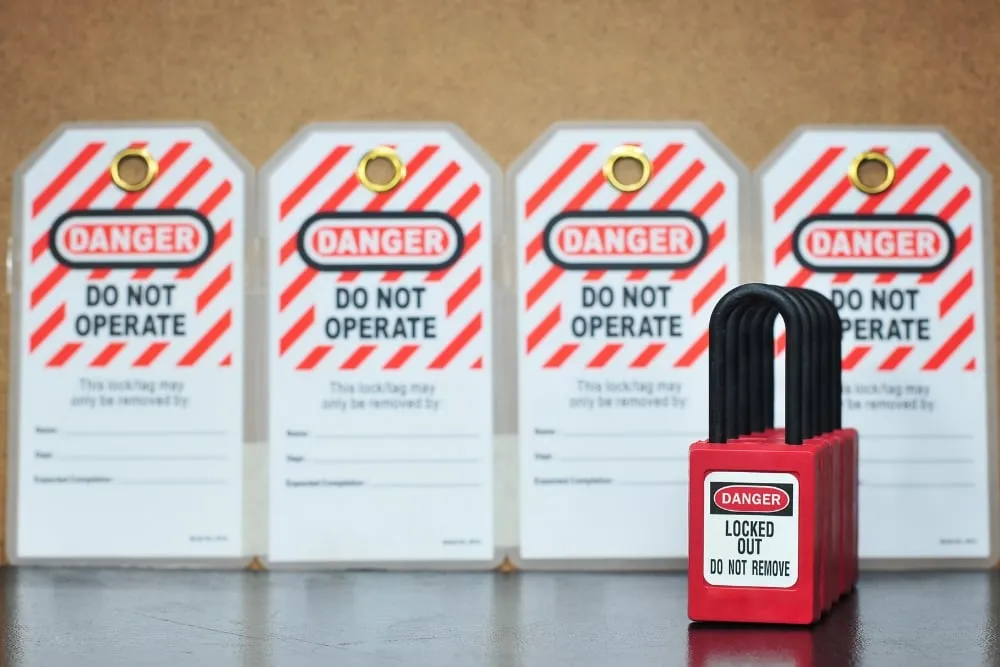
- Lockout devices: These include padlocks, cable lockouts, lockout hasps, and circuit breaker lockouts to secure energy-isolating devices.
- Tagout devices: Tags should be durable and able to withstand environmental conditions, clearly indicating the reason for the lockout/tagout and the identity of the authorised personnel.
- Lockout/tagout kits: These kits contain a variety of lockout devices suitable for different types of machinery and equipment.
- Safety signs and labels: Clear signage is crucial to communicate the presence of locked-out equipment and provide warnings about hazardous energy sources.
- Padlock identification systems: Colour-coded or labelled padlocks assist in identifying which employee is responsible for each lock during maintenance procedures.
- Group lock boxes: Used to store keys from multiple locks when multiple workers are involved in servicing or maintenance tasks.
- Training materials: Resources such as instructional videos, manuals, and posters to educate employees about LOTO procedures and compliance requirements.
- Procedure documentation tools: Templates for creating effective written LOTO procedures tailored to specific equipment and machinery used in your workplace.
Services and software available
We can access a range of services and software to support lockout/tagout procedures and protocols for maintaining safety in homes or offices, including:
- Lockout/tagout compliance software for managing and documenting all aspects of LOTO programs.
- Online training courses that cover the importance of lockout/tagout procedures and how to implement them effectively.
- Consulting services for assessing current lockout/tagout procedures and providing recommendations for improvement.
- Mobile apps designed to assist in creating, implementing, and managing lockout/tagout procedures on-site.
- Equipment suppliers offer a variety of locks, tags, and other devices necessary for effective energy isolation during maintenance activities.
Compliance with Australian Standards for LOTO
Understanding the standards and how to comply with them is crucial in ensuring workplace safety. To learn more about the compliance guidelines, read our full blog on Emergency Tag Out Procedures and Protocols.
Understanding the standards
Complying with Australian standards is crucial for ensuring workplace safety and preventing accidents. Adhering to lockout/tagout (LOTO) procedures in line with these standards helps in effectively controlling hazardous energy during maintenance or equipment repair.

Documenting policies, procedures, and training related to LOTO can assist in maintaining compliance with industry regulations while also prioritising the safety of employees.
Ensuring lockout/tagout procedures align with Australian standards is essential for plant isolation and machinery shutdown. Following the guidelines established by relevant authorities not only prevents unexpected energising but also contributes to overall emergency preparedness protocols and industrial safety regulations.
How to comply with them
- Understand the standards outlined by relevant authorities.
- Develop and implement procedures in consultation with workers to ensure proper compliance.
- Maintain thorough documentation of policies, procedures, inspections, and training related to LOTO.
- Provide adequate training to employees on the importance and execution of LOTO protocols.
- Regularly review and update procedures to align with any changes in regulations or industry best practices.
- Utilise necessary products and services to ensure compliance with workplace safety regulations.
Importance of LOTO in preventing accidents and injuries
Adhering to lockout/tagout procedures is crucial for ensuring the safety of employees and preventing accidents or injuries. Lockout/Tagout (LOTO) procedures are designed to prevent unexpected energising or start-up of machinery and equipment during maintenance or servicing, reducing the risk of workplace accidents.
Compliance with Australian standards for LOTO is essential not only for employee safety but also for maintaining regulatory compliance and avoiding costly penalties related to industrial safety protocols and tag-out regulations.
Implementing a well-defined LOTO programme can significantly minimise hazards in the workplace, protecting both workers and property from potential harm associated with energy sources commonly found in various industries.
Customised Tagout Solutions for Every Environment!
In conclusion, having well-defined emergency tag-out procedures and protocols is crucial for workplace safety. Implementing these measures responsibly can prevent accidents and injuries, ensuring the protection of employees and compliance with industry standards.
By following lockout/tagout procedures diligently, we can effectively control hazardous energy during maintenance or repair of machinery, promoting a safe working environment for all.
Remember that staying informed about the importance of emergency tag-out procedures can save lives and prevent workplace incidents.
Prepare for unforeseen emergencies with Tag Out System’s robust protocols and procedures. Our emergency tag-out solutions ensure swift and effective shutdowns during critical situations, minimising risks and maximising safety. Don’t leave safety to chance – trust Tag Out System for reliable emergency procedures. Contact us today to fortify your safety protocols and protect your personnel and assets.