
LockOut Equipment · 9 September 2023
Emergency Response in Tag Out Systems
Having a bit of kit go kaput in your home is an everyday annoyance, but can turn into a sticky wicket if not addressed properly. We all know the dangers that can arise when things don’t quite go to plan.
During our in-depth research to help prevent these sorts of safety hazards, we came across something called ‘Tag out systems.’ These have proved themselves remarkably effective, especially when there’s hazardous energy release thrown into the mix.
So g’day mates! In this blog post, we’re going to deep dive into Lockout Tagout (LOTO) Systems, a top-notch safety procedure designed for those critical moments when machines chuck a wobbly or during maintenance tasks.
Key Takeaways
- Lockout Tagout (LOTO) is a safety procedure that prevents accidental startups during maintenance or servicing operations.
- LOTO involves using lockout devices and tags to de-energise equipment, protecting workers from hazardous energy releases.
- Implementing the OSHA Lockout Tagout Standard is crucial for maintaining a safe working environment at home or in the workplace.
- Lockout devices physically prevent access to equipment, while tag-out devices inform others not to operate machinery.
- Energy-isolating devices like circuit breakers and line valves are essential components of a lockout/tagout system.
- The LOTO Box serves as a centralised location for storing lockout devices, tags, and other necessary equipment.
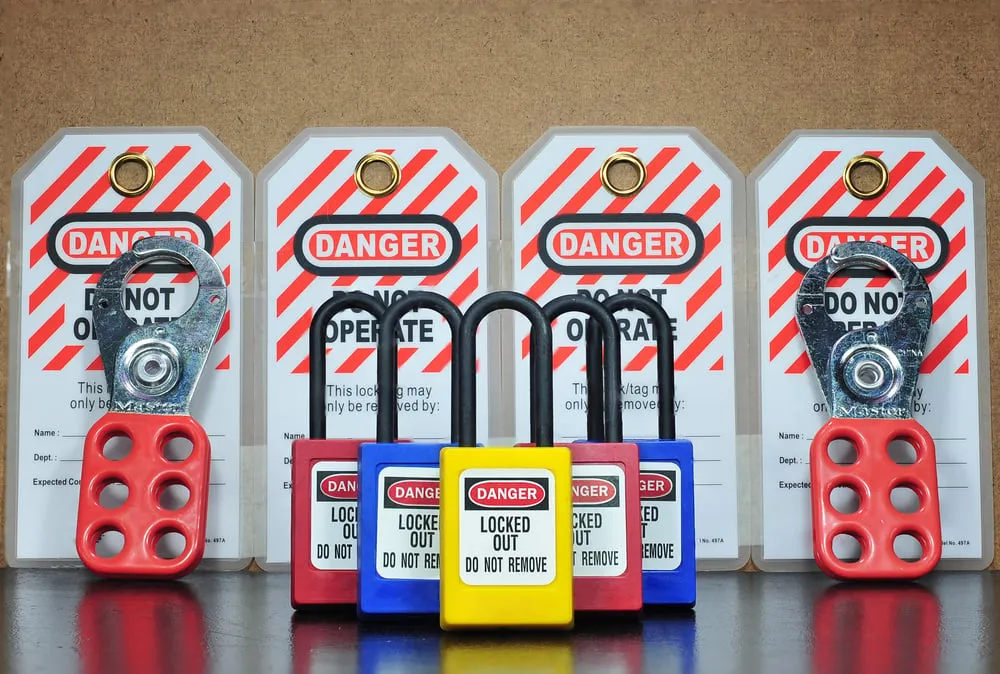
- Understanding the colours of lockout locks and tags helps maintain safety in LOTO procedures. Red indicates danger, yellow signifies caution and green means the normal operation has resumed.
- Establishing a lockout tagout policy is essential for controlling hazardous energy sources and preventing injuries.
What is Lockout Tagout (LOTO) and its Importance
Lockout Tagout (LOTO) is a crucial safety procedure that ensures the control of hazardous energy during maintenance or servicing operations. It involves using lockout devices and out-of-service tags to de-energise equipment, preventing accidental startups that could lead to serious injuries or fatalities.
The importance of LOTO lies in its ability to protect workers from unexpected releases of energy, promoting equipment safety and preventing workplace accidents.
Difference between Lock Out and Tag Out
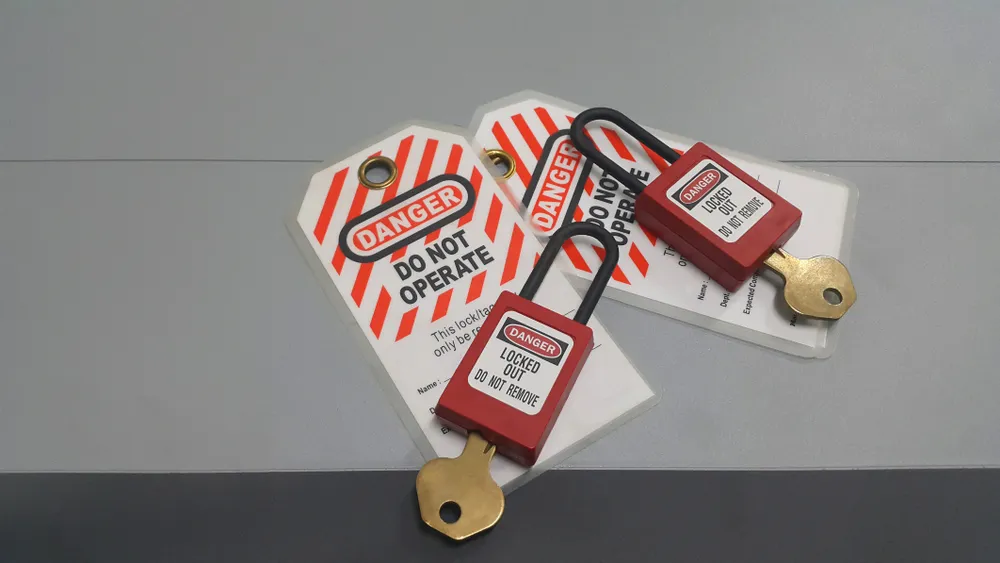
Lockout and Tagout methods form crucial parts of a lockout/tagout system, but they’re not identical. A lockout device uses a physical mechanism, such as a padlock or chain, to keep machinery or systems from accidentally energising during service or maintenance.
This ensures the safety of workers by physically preventing unexpected startups. On the other hand, tag-out uses signs or labels attached to machines informing others that equipment should not be operated until the notice has been removed by an authorised individual.
This tagging alerts others about potential dangers but relies on people respecting and adhering to notices rather than providing physical barriers against energy release.
OSHA Lockout Tagout Standard
Implementing and following the OSHA Lockout Tagout Standard is crucial for maintaining a safe working environment in your home. This standard provides guidelines for isolating, de-energising, locking out, and tagging out plant equipment to prevent the release of hazardous energy.
By adhering to these procedures, you can ensure that proper maintenance and repair work can be done safely, reducing the risk of accidents or injuries. It’s important to familiarise yourself with this standard and establish effective lockout/tagout programs to protect yourself and others from potential hazards.
OSHA Lockout/Tagout Exceptions
There are certain exceptions to the OSHA lockout/tagout standard that homeowners should be aware of. For example, minor servicing activities that involve the removal of machine guards or cleaning equipment do not require full lockout/tagout procedures.
However, these tasks must still follow specific safety guidelines to protect against unexpected energy releases. Another exception is when an authorised employee is continuously within arm’s reach of the equipment during servicing and has control over its activation.
In this case, lockout/tagout may not be necessary, but caution and awareness are still crucial for worker safety. By understanding these exceptions, homeowners can ensure they are implementing proper safety measures while avoiding unnecessary disruptions in their daily activities involving equipment maintenance or servicing.
OSHA Lockout/Tagout Violations
OSHA lockout/tagout violations can have serious consequences for workplace safety. These violations occur when employers fail to comply with the guidelines and procedures outlined by OSHA for preventing the release of hazardous energy.
This can include neglecting to properly isolate, de-energise, lockout, or tag out plant equipment during maintenance or repair work. Such disregard puts workers at risk of accidental exposure to hazardous energy, which can lead to severe injuries or even fatalities.
It is crucial for homeowners to understand the importance of following these protocols and ensuring that lockout/tagout procedures are strictly adhered to in order to protect themselves and others from potential harm.
Lockout Tagout Devices and Procedures
In this section, we’ll discuss the various lockout tagout devices and procedures that are crucial for ensuring equipment safety. Stay tuned to learn more!
Energy Isolating Devices
Energy isolating devices are essential components of a lockout/tagout system. These devices help to isolate and de-energise equipment or machinery, preventing accidental activation or operation.
Examples of energy-isolating devices include circuit breakers, disconnect switches, and line valves. By properly using these devices, you can ensure that maintenance and repair work can be done safely without the risk of hazardous energy release.
When implementing a lockout/tagout program in your home or workplace, it is crucial to identify the specific energy-isolating devices that need to be used for each piece of equipment.
This involves understanding the different types of devices available as well as their proper usage procedures. By following established guidelines and protocols, you can create a safe environment where accidents due to unintentional activation are minimised.
Remember that energy-isolating devices should only be operated by individuals who have received proper training and understand how they work. Additionally, it is important to regularly inspect these devices to ensure they are functioning correctly.
Lockout Devices
Lockout devices are essential tools in ensuring workplace safety. These devices are used to isolate and de-energise equipment, preventing accidental activation or operation. By securely locking out machinery and equipment, lockout devices protect workers from hazardous energy.
They come in various forms such as locks, blocks, or chains that physically prevent access to the equipment. It is important for homeowners to understand the proper use of lockout devices to effectively maintain and repair their equipment safely.
Following guidelines and procedures set by OSHA will help ensure the effectiveness of these devices in protecting against potential accidents and injuries. Remembering to always use lockout devices when performing maintenance work is vital for maintaining a safe working environment at home or any work site.
Tagout Devices
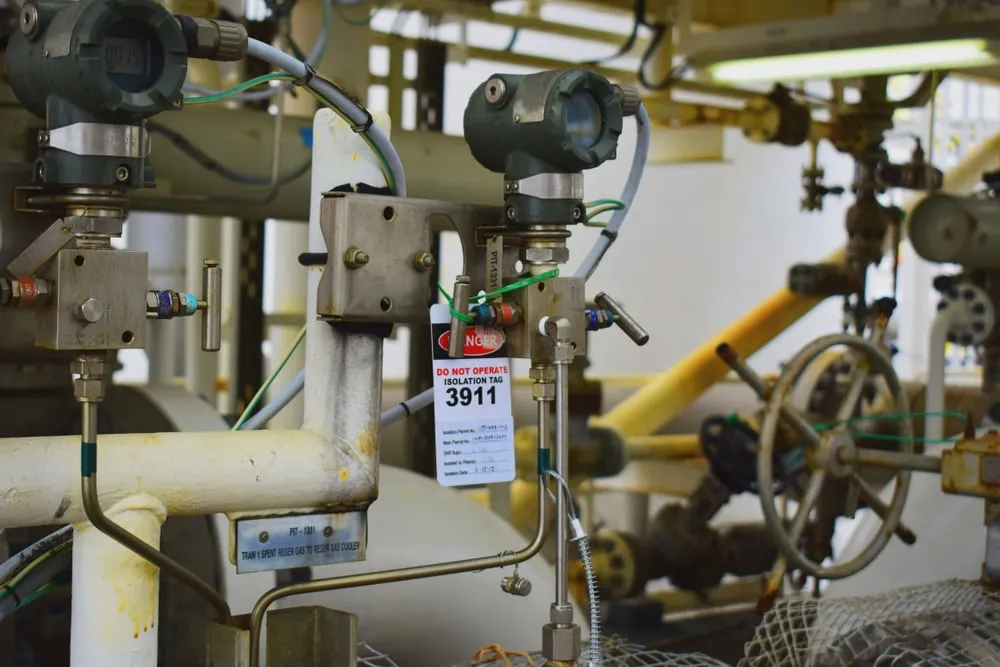
Tagout devices are an essential part of lockout tagout systems. These devices help to clearly indicate that equipment or machinery is not to be operated or energised. They can include tags, labels, and signs that provide important information about the status of the equipment.
Tagout devices should always be used in conjunction with lockout devices for maximum safety. By using tagout devices, you can ensure that everyone in your home understands when equipment is out of service and should not be used.
Remember, it’s important to follow proper procedures and guidelines when using tagout devices to maintain a safe environment for everyone involved.
LOTO Box and its Function
The LOTO Box is an essential component of a lockout/tagout program. It serves as a centralised location for storing lockout devices, tags, and other necessary equipment. Its function is to ensure that all the required tools are easily accessible for employees when they need to perform maintenance or repair work on machinery or equipment.
By having a designated LOTO box, workers can quickly locate and use the necessary lockout devices and tags, promoting efficiency and safety in the workplace. Additionally, keeping everything organised in one place reduces the risk of tools being misplaced or lost, ensuring that they are readily available whenever needed.
Lockout Locks and Tags Colors
Understanding the colours of lockout locks and tags is essential for maintaining safety in lockout tagout (LOTO) procedures. Locks and tags are used to visually communicate the status of equipment and machinery, indicating whether they are being serviced or repaired.
Different colours represent different meanings in LOTO systems. For example, red locks and tags typically indicate that equipment is locked out and should not be operated under any circumstances.
Yellow locks and tags may signify caution, indicating that maintenance work is underway but may still pose some risks. Green locks and tags usually indicate that equipment has been safely restored to normal operation after maintenance or repair work.
By understanding these colour-coded signals, homeowners can play an active role in ensuring a safe working environment when engaging with LOTO processes.
It’s important for homeowners to familiarise themselves with these colours so that they can identify potential hazards before performing any maintenance or repairs on their own equipment at home.
Implementing a Lockout Tagout Program
In this section, we will discuss the essential steps for implementing a Lockout Tagout program in your workplace. From establishing policies to using LOTO software, we’ve got you covered.
Don’t miss out on these crucial tips for enhancing equipment safety and preventing accidents.
Establishing a Lockout Tagout Policy
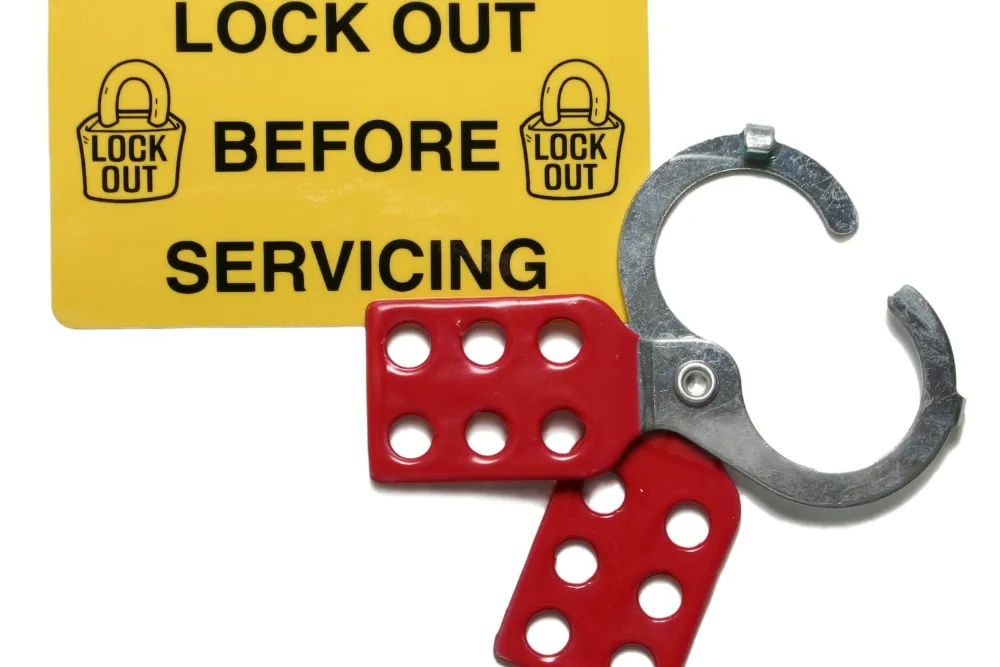
To ensure the safety of our equipment and prevent accidents, it is essential to establish a lockout tagout policy. This policy outlines the procedures that need to be followed when working on or near machinery or equipment.
By implementing a lockout tagout policy, we can effectively control hazardous energy sources and protect ourselves from potential injuries. It is crucial for all homeowners to understand the importance of this policy and adhere to its guidelines.
Properly isolating, de-energising, locking out, and tagging out plant equipment is necessary for maintaining a safe environment in our homes. Let’s prioritise the establishment of a comprehensive lockout tagout policy to keep ourselves and our loved ones safe from any mishaps.
Creating a System for Reporting and Receiving LOTO Reports
To ensure the effectiveness of your lockout/tagout program, it’s important to establish a system for reporting and receiving LOTO reports. This system allows for clear communication and documentation of lockout/tagout activities, ensuring that all necessary steps are taken to protect workers from hazardous energy.
By implementing a reporting system, you can track who is responsible for locking out or tagging out equipment and machinery, as well as any changes or updates to the status of the equipment.
This helps maintain accountability and ensures that proper procedures are followed consistently throughout your workplace. Additionally, having a centralised location for receiving LOTO reports allows you to easily access and review them when needed for inspections or audits.
Performing Regular LOTO Inspections
Regular LOTO inspections play a vital role in ensuring workplace safety. These inspections involve conducting thorough checks of lockout/tagout devices and procedures to identify any potential issues or deficiencies.
By inspecting the energy isolating devices, lockout devices, and tagout devices regularly, homeowners can ensure that they are functioning properly and providing the necessary level of protection against hazardous energy.
This helps to prevent accidents or injuries that could occur due to equipment being unintentionally activated or operated. By enforcing regular LOTO inspections as part of their lockout/tagout program, homeowners can maintain a safe working environment for themselves and their employees.
Implementing a routine inspection schedule is essential for keeping the lockout/tagout program effective. It ensures that all devices are in good condition and meet safety standards set by OSHA.
Regularly reviewing these procedures also makes it easier to address any breakdowns or malfunctions promptly and effectively. By making regular LOTO inspections an integral part of their safety protocols, homeowners can mitigate potential risks associated with hazardous energy and promote a culture of safety within their workplace.
Enforcing LOTO Documentation
Enforcing LOTO documentation is a critical step in ensuring the effectiveness of your lockout/tagout program. This involves making sure that all necessary paperwork and records related to lockout/tagout procedures are consistently maintained and followed.
By enforcing proper documentation, you can track each step of the lockout/tagout process, including identifying authorised employees, documenting equipment isolation methods, and ensuring the timely completion of tasks.
This helps create accountability, allows for easy access to information during inspections or audits, and promotes a safer work environment overall. Remember that clear communication is key when it comes to enforcing LOTO documentation, so be sure to train employees on the importance of accurate record-keeping and regularly review procedures for compliance.
Using Lockout Tagout Software
Implementing a lockout tagout program can be made easier and more efficient by utilising lockout tagout software. This software helps in establishing and maintaining a comprehensive system for reporting and receiving lockout tagout reports, performing regular inspections, enforcing documentation, and providing LOTO templates for consistent procedures.
By using lockout tagout software, homeowners can effectively manage their lockout tagout program and ensure the safety of themselves and others when working with equipment or machinery.
It streamlines the process, reduces errors, and ensures that all necessary steps are taken to properly isolate hazardous energy sources. With lockout tag-out software in place, homeowners can have peace of mind knowing that they are following the required guidelines and protocols to prevent accidents or injuries while carrying out maintenance or repair work on their property.
Utilising LOTO Templates
Utilising LOTO templates is a practical way to ensure consistency and efficiency in your lockout/tagout procedures. These templates provide a clear and standardised format for documenting the steps involved in isolating and de-energising equipment, as well as the necessary safety measures to protect workers.
By using LOTO templates, you can easily communicate the specific requirements for each piece of equipment, ensuring that nothing is overlooked during the lockout process. Templates also serve as a helpful reference tool for training new employees on proper lockout/tagout procedures.
With these templates at your disposal, implementing a robust and compliant lockout/tagout program becomes more streamlined and effective.
Training and Safety Measures
In this section, we will discuss the importance of lockout tagout training and the necessary safety measures to ensure a safe working environment. We will also explore how to effectively communicate LOTO policies and address potential hazards through disaster preparedness and farm safety protocols.
Remember, proper training and safety measures are crucial for preventing accidents and maintaining equipment integrity.
Lockout Tagout Training
Lockout tagout training is an essential part of ensuring safety in the workplace. It involves teaching employees how to properly isolate and de-energise equipment, as well as how to use lockout and tagout devices effectively.
During training, workers learn about the risks associated with hazardous energy and the importance of following proper procedures. They also become familiar with emergency response protocols and are taught how to handle complex scenarios that may arise during lockout/tagout situations.
By providing comprehensive training, employers can ensure that their workers have the knowledge and skills necessary to protect themselves and others from potential accidents or injuries.
Clearly Communicating LOTO Policies
To ensure the safety of all individuals in your home, it is vital to clearly communicate Lockout Tagout (LOTO) policies. LOTO policies outline the procedures and guidelines for controlling hazardous energy sources during maintenance or repair work.
By effectively communicating these policies, everyone in your household will understand the importance of de-energising equipment before performing any maintenance tasks. This helps prevent accidental activations that can lead to serious injuries or even fatalities.
Make sure that all family members know how to use lockout devices and tags properly, as well as when to apply them. Regularly reinforce LOTO policies through training sessions and reminders so that everyone remains vigilant and follows safe practices at all times.
Conducting Disaster Preparedness
Conducting disaster preparedness is a vital part of maintaining safety in lockout tagout systems. We need to ensure that we have emergency response procedures in place for any unforeseen events or emergencies.
This includes having clear communication channels, established evacuation plans, and regular drills to practice our emergency response protocols. By being prepared and proactive, we can effectively manage any potential risks and protect the health and safety of everyone involved.
Addressing Farm Hazards
Addressing farm hazards is a crucial part of maintaining safety on your property. As a homeowner, it’s important to be aware of potential dangers and take proactive measures to prevent accidents.
One common hazard on farms is the presence of heavy machinery and equipment, such as tractors and harvesters. It’s essential to implement lockout/tagout procedures when working with these machines to ensure they are properly shut down and cannot be accidentally started or energised.
This involves isolating, de-energising, locking out, and tagging out the equipment before performing any maintenance or repair work. By following these safety protocols, you can minimise the risk of injuries and create a safer environment for everyone on your farm.
Another hazard that should be addressed is the proper handling of chemicals and pesticides. Farm owners must be well-informed about the safe storage, usage, and disposal procedures for these substances.
It’s important to follow all recommended guidelines provided by manufacturers regarding protective gear, ventilation requirements, and emergency response procedures in case of spills or leaks.
Additionally, farm animals pose their own set of risks. Handling livestock requires knowledge and caution to prevent injuries caused by bites or kicks from animals. Adequate training in animal behaviour can help homeowners understand warning signs from their livestock while implementing appropriate safety measures.
Your Space, Our Tag Out System Expertise
In conclusion, emergency response in tag-out systems is vital for maintaining equipment safety and preventing accidents. By implementing proper lockout/tagout procedures, training employees on safety measures, and conducting regular inspections, potential hazards can be minimised.
It is crucial to have an effective emergency response plan in place to swiftly address any breakdown or malfunction and ensure the well-being of everyone involved.
Prepare for the unexpected with the Tag Out System! When it comes to emergency response in tag-out systems, every second counts. Our cutting-edge technology and expert guidance are here to ensure that your team can respond swiftly and effectively in crisis situations. Don’t leave safety to chance – trust Tag Out System to equip your workforce with the tools and knowledge they need to handle emergencies with precision. Discover peace of mind and bolster your emergency preparedness. Contact us today to learn more about how we can empower your team and keep your workplace safe!