LockOut Equipment · 7 February 2024
Continuous Improvement Strategies for Tag Out Systems
Ever felt that niggling sense that your tag-out systems might need a bit of a tidy-up to keep everyone safe as houses? You’re not alone, mate. We’ve all been elbows deep in the same worry, on the hunt for solid ways to tighten those loose ends.
And it’s no secret – almost one in ten workplace injuries are tied up with lockout/tagout slip-ups. It’s fair dinkum; we’re not just ticking boxes here, we’re talking about protecting lives.
Key Takeaways
- Regularly review and update written tag-out procedures to ensure they are clear, up-to-date, and comply with the latest OSHA standards. By doing this, risks can be reduced and workplace safety is increased.
- Get workers involved in improving tag-out systems by asking for their feedback on current practices to find better ways of doing things safely.
- Use technology like digital databases and mobile apps for quick access to lockout/tagout information that helps keep everyone in the loop about safety practices.
- Keep training employees frequently on lockout/tagout processes so they know all the ins and outs and understand why each step is important.
- Give risk assessments a go often; look at what could potentially go wrong during equipment maintenance or repair work, stopping problems before they start keeps things safe.
Importance of Continuous Improvement in Tag Out Systems
Continuous improvement in tag-out systems is crucial for ensuring the safety and compliance of maintenance procedures. By regularly reviewing and enhancing written procedures, prioritising areas for improvement, and ensuring user-friendliness, we can reduce risks and create a safer work environment.
Check written procedures
We always make sure to regularly review our tag-out system’s written procedures. This ensures that they are up-to-date and effective in maintaining safety and compliance with OSHA standards.
We check for any changes in equipment design or maintenance requirements that might affect how we carry out energy control during equipment shutdowns.
Our team actively involves those who actually use the lockout/tagout processes in these reviews, understanding that they are best positioned to spot potential risks or suggest practical improvements.
By doing this, we not only adhere to regulations but also empower our employees, supporting a culture of continuous improvement and workplace safety.
Prioritise areas for improvement
After checking written procedures, it’s crucial to prioritise areas for improvement in your tag-out system. Identifying weak points and potential hazards should be a top priority, ensuring that these areas are addressed promptly.
By focusing on continuous improvement, you can proactively enhance workplace safety and mitigate risks associated with lockout/tagout procedures.
Prioritising areas for improvement involves assessing the effectiveness of current safety measures and identifying key areas for enhancement. It’s vital to engage trained employees in this process to gain valuable insights into where improvements are most needed.
Ensure user-friendliness
To ensure user-friendliness, we must simplify lockout/tagout procedures for easy comprehension and implementation. We should use clear language in written instructions and provide visual aids if necessary.
Additionally, regular feedback from employees can help identify areas that need improvement in terms of clarity and ease of use. This approach ensures that the tag-out systems are accessible to all employees, regardless of their level of technical knowledge or experience.
Striving for user-friendliness also involves considering the physical aspects of lockout/tagout equipment. Using standardised devices and ensuring they are easily recognisable can contribute to a more intuitive system.
Recommended Strategies for Continuous Improvement
To continuously improve tag-out systems, it’s important to regularly train and communicate with employees, utilise technology and tools for efficiency, and implement risk assessments to identify areas for enhancement.
These strategies will ensure that tag-out procedures are updated and effective in maintaining a safe work environment.
Regular training and communication
Regular training and communication play a vital role in maintaining a safe workplace environment. Engaging employees in ongoing lockout/tagout (LOTO) training ensures that they are well-informed about safety procedures and equipped to handle potential risks effectively.
Effective communication channels allow for the dissemination of up-to-date safety information, reinforcing the importance of LOTO procedures and promoting a culture of transparency and accountability within the workplace.
Empowering employees through regular training sessions not only increases their confidence in adhering to safety protocols but also fosters a sense of ownership over workplace safety.
Open lines of communication enable the sharing of best practices and continuous improvement ideas, creating an environment where safety is everyone’s responsibility. By prioritising regular training and clear communication, we can cultivate a workplace culture that places a strong emphasis on employee well-being and proactive risk management.
Use of technology and tools
We embrace the use of technology and tools to continuously improve our lockout/tagout systems. Implementing digital lockout/tagout procedures can streamline processes and reduce human error.
Utilising electronic databases for procedure documentation enables easy access, updates, and tracking of changes. Integration of mobile applications for training and communication facilitates real-time information dissemination, enhancing employee awareness and adherence to safety protocols.
Furthermore, employing advanced tools such as smart locks with remote monitoring capabilities offers enhanced control over energy sources, minimising the risk of accidental start-ups during maintenance or repair.
Implementing risk assessments
To improve workplace safety, we conduct regular risk assessments to identify potential hazards and mitigate risks. By assessing the work environment and equipment, we can proactively address any safety concerns that may arise during lockout/tagout procedures.
This continuous evaluation allows us to stay ahead of potential dangers, ensuring a safer work environment for everyone involved.
Risk assessments are an integral part of our continuous improvement strategy for tag-out systems, enabling us to anticipate and prevent accidents before they occur. By staying vigilant in our risk assessment efforts, we can uphold the highest standards of safety and protect both employees and workplace productivity.
Successful Case Studies
We’ll dive into some successful case studies where continuous improvement strategies have made a significant impact on tag-out systems. Read more to discover how these real-life examples can inspire you to enhance your own lockout/tagout programs.
Ethan Allen’s new store opening
Ethan Allen’s new store opening showcased their commitment to continuous improvement in tag-out systems. The company prioritised areas for enhancement and ensured user-friendly procedures, reflecting a culture of innovation and safety.
By involving trained employees in the review process, Ethan Allen demonstrated an understanding of the importance of ongoing refinement in lockout/tagout protocols.
Implementing risk assessments at every step showed Ethan Allen’s dedication to workplace safety. This proactive approach not only aligns with HSE standards but also serves as a model for other businesses looking to enhance employee training and overall safety performance.
Community college’s budget cuts
Community colleges across the country are facing significant budget cuts, impacting their ability to provide quality education and support services. These funding reductions affect essential resources such as faculty, staff, and programmes which in turn impacts the overall learning environment for students.
As a result of these cuts, community colleges may struggle to offer a wide range of courses and extracurricular activities that contribute to a well-rounded education.
Implementing continuous improvement strategies within community colleges is crucial during periods of budget constraints. By prioritising areas for improvement and regularly reviewing procedures, educational institutions can identify innovative ways to optimise resources without compromising the quality of education provided.
Houston-based restaurant’s new location
Amidst the various successful case studies on continuous improvement strategies for tag-out systems, we turn our attention to the Houston-based restaurant’s new location. This represents an exciting opportunity to implement and refine lockout/tagout procedures in a different setting.
As part of our ongoing commitment to workplace safety, the expansion calls for proactive measures to ensure that all employees are well-versed in the relevant procedures and guidelines.
A change of site presents an ideal chance to conduct thorough risk assessments, review and update written procedures, as well as provide regular training sessions. Leveraging technology and tools can also enhance safety measures when shifting machinery or equipment.
Tips for Improving Lockout/Tagout Programs
To improve lockout/tagout programmes, it is essential to continually refine internal processes and utilise lockout/tagout procedures effectively. By implementing these strategies, you can ensure a safer work environment for everyone involved.
Improve internal programs
We continuously refine our internal lockout/tagout programmes to ensure workplace safety. We involve trained and informed authorised employees in the review of procedures, fostering a culture of innovation and creativity.
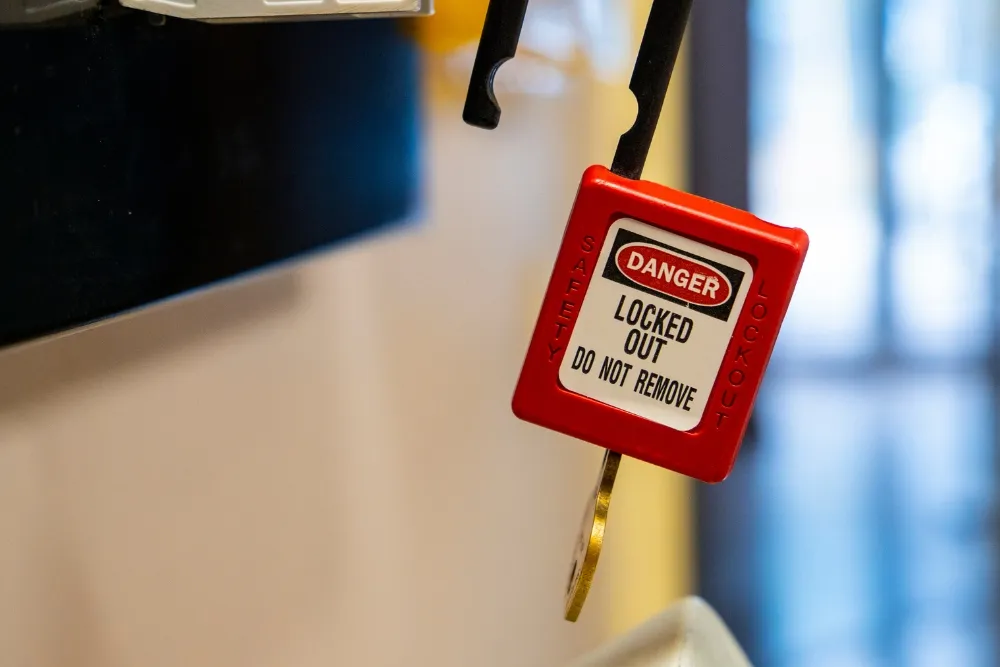
Strict adherence to HSE standards and better management of employee training are essential for improving these vital safety protocols. By employing best practices in lockout/tagout procedures and empowering our employees to experiment with new ideas, we can significantly enhance workplace performance and overall safety.
Continuous improvement within our internal lockout/tagout programmes is crucial for ensuring employee safety during machinery maintenance or repair. Utilising a proactive approach that goes beyond mere compliance to focus on performance can lead to a reduction in workplace accidents and injuries.
Utilise LOTO procedures
To improve safety, we regularly review and update lockout/tagout (LOTO) procedures. We ensure that all authorised employees are trained to use LOTO devices correctly. Regularly assessing LOTO procedures, involving employees in the process, and making necessary adjustments will help enhance workplace safety continuously.
We frequently check our written lockout/tagout procedures to ensure they comply with HSE standards and prioritise areas for improvement. Implementing risk assessments also allows us to identify potential hazards and make necessary changes to prevent accidents during machinery maintenance or repair.
It is essential to utilise LOTO procedures effectively for employee safety and to prevent workplace accidents.
Your Space, Our Commitment to Tagout Excellence!
In conclusion, continuous improvement strategies for tag-out systems are vital for maintaining a safe workplace. Regular review of procedures and ongoing employee training ensure that safety measures are always up to date.
Through innovation and adherence to best practices, employers can significantly reduce the risk of workplace accidents and injuries while enhancing overall performance and safety standards.
Revolutionise your safety standards with the Tagout System! Dive into the realm of continuous improvement for Tag Out Systems, where innovation meets reliability. Discover cutting-edge strategies to enhance the efficiency of your safety protocols and stay ahead of evolving industry standards. Elevate your safety game, minimise downtime, and ensure seamless operations. Tagout System is your partner in progress. Ready to embrace the future of safety? Connect with us today – where excellence is a constant journey!