
LockOut Equipment · 22 October 2023
Compliance with LockOut Regulations and Standards

Are you doing your head in trying to understand the intricate rules and guidelines related to lockout/tagout regulations? We’ve walked that path ourselves. Considering the chilling fact that adhering to lockout/tagout standards could avert up to 120 fatalities and 50,000 injuries annually in the U.S. alone, we grasp how crucial this matter is.
This article aims to break down Australian lockout/tagout standards for you, setting up effective procedures, enlightening staff accordingly, and confirming ongoing compliance for workplace safety.
Believe us – getting your head around these regulations could be a real lifesaver!
Key Takeaways
- Compliance with lockout/tagout regulations and standards is essential for workplace safety.
- Lockout/tagout procedures are designed to prevent accidents and injuries caused by hazardous energy sources in machinery and equipment.
- Australian standards, such as AS/NZS 4836, outline steps for proper isolation, de-energisation, and locking out of equipment during maintenance or repairs.
- Employers have a legal obligation to protect employees by following lockout/tagout regulations. Failure to comply can result in penalties and fines.
Understanding Lockout Tagout Regulations and Standards
Lockout Tagout (LOTO) regulations and standards are crucial for ensuring the safety of workers and preventing accidents in the workplace.
Why LOTO is important
LOTO stands for Lockout-Tagout, a safety procedure that’s essential in preventing dangerous machines from releasing hazardous energy. It serves as the first line of defence against electrical accidents in environments with heavy machinery or equipment.
Unexpected release of this energy could lead to grave injuries or even fatalities. Following LOTO procedures can help prevent nearly 120 fatalities and 50,000 injuries annually just within the U.S.! Therefore, it is crucial for homeowners like us who operate any form of machinery to comprehend and adhere strictly to these procedures.
This not only ensures our compliance with laws but more importantly guarantees our safety at home; making sure we return unharmed from each maintenance session.
Furthermore, following LOTO regulations assists us as homeowners in properly shutting down and isolating potentially hazardous systems before performing maintenance tasks or repairs on equipment.
This reduces risks associated with unexpected machine start-ups or re-energisation incidents that may result in severe health implications.
Finally, it’s important to note that non-compliance with lockout-tagout standards might lead not only to potential physical harm but also legal repercussions including penalties and fines in case an accident does occur due to negligence towards these crucial guidelines.
It’s thus vital for every homeowner operating any sort of mechanical system at home – be it lawn mowing machinery, power tools or HVAC systems –to familiarise themselves thoroughly with their local LOTO standards.
Australian Standards for Lockout Tagout
In Australia, compliance with lockout tagout regulations is crucial to ensure workplace safety. To understand the standards, read more about AS/NZS 4836.
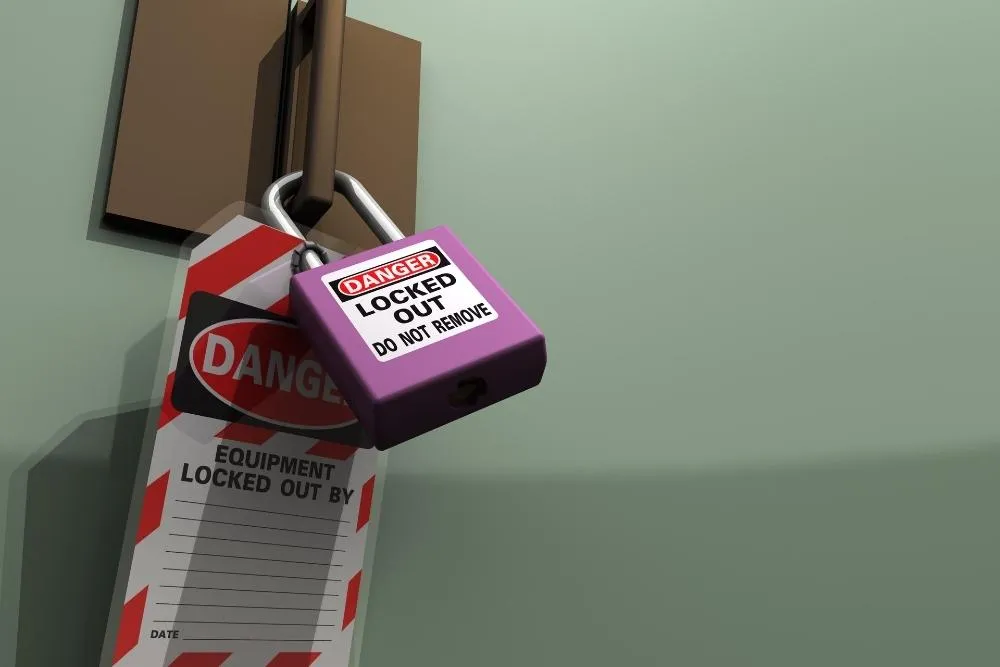
AS/NZS 4836
AS/NZS 4836 ensures that lockout procedures are in place to effectively control hazardous energy sources and protect workers from potential accidents. This Australian standard outlines the steps needed for proper isolation, de-energisation, and locking out of machinery or equipment during maintenance or repairs.
By following AS/NZS 4836 guidelines, homeowners can ensure the safety of themselves and their family members when working with potentially dangerous equipment. Compliance with this standard is crucial in preventing injuries and fatalities caused by unexpected release of stored energy.
Industry-standard 29 CFR 1910.147
We must comply with the industry standard 29 CFR 1910.147 to ensure workplace safety. This standard establishes the employer’s responsibility to protect employees from hazardous energy sources on machines and equipment.
It requires formal documentation of lockout/tagout procedures and their easy identification. By following this standard, we can prevent accidents, injuries, and even fatalities that may result from unsafe practices involving energy sources in the workplace.
Regulatory requirements
Compliance with lockout/tagout regulations is a crucial responsibility for all employers. These regulations are in place to ensure the safety and well-being of employees by protecting them from hazardous energy sources on machines and equipment.
It is important to understand that lockout/tagout standards apply to normal production operations if employees must bypass a guard or other safety device, or place any part at risk.
Each workplace should develop its own lockout/tagout systems in accordance with the relevant standards, which helps prevent accidents and injuries in the workplace. Additionally, it is essential for employers to comply with these regulations as violations can lead to serious consequences such as injuries and fatalities.
Key Components of a Comprehensive Lockout Tagout Procedure
The key components of a comprehensive lockout tagout procedure include preparation, shutdown, isolation, lockout/tagout, stored energy check, isolation verification, and re-energising equipment.
Preparation
Before starting any lockout/tagout procedure, proper preparation is essential. This involves understanding the equipment and identifying all energy sources that need to be isolated.
We should gather all the necessary tools and equipment required for the lockout/tagout process. It’s important to ensure that everyone involved in the procedure knows their roles and responsibilities.
By taking these steps, we can create a safe work environment by preventing accidents and injuries caused by unexpected startup of machinery or equipment. Compliance with lockout regulations ensures that employees are protected from hazardous situations, ultimately promoting workplace safety.
Shut Down
To ensure compliance with lockout regulations and standards, it is crucial to properly shut down equipment before any maintenance or repair work. Shutting down the equipment involves turning off power sources, initiating shutdown procedures, and ensuring that all machinery is safely stopped.
This step is essential because it prevents accidental start-ups and protects workers from hazardous energy sources while they perform their tasks. By following proper shutdown procedures, homeowners can maintain a safe working environment and reduce the risk of accidents or injuries caused by unexpected machine activation.
Remember, shutting down equipment correctly is an important part of lockout/tagout compliance.
Isolation
Isolation is a crucial step in the lockout/tagout process to ensure workplace safety. It involves disconnecting equipment or machinery from its energy source, whether it be electrical, hydraulic, pneumatic, or mechanical.
By doing this, we prevent accidental activation of the equipment and effectively eliminate any potential hazardous energy that could harm workers. Isolation is an essential element in protecting employees from injuries and fatalities caused by unexpected start-ups or releases of stored energy.
Taking the time to properly isolate equipment before maintenance or servicing can save lives and prevent accidents in your home or workplace.
Lockout/Tagout
Compliance with lockout/tagout standards is essential for ensuring workplace safety. Lockout/Tagout procedures are designed to protect employees from hazardous energy sources on machines and equipment.
By isolating, de-energising, locking out, and tagging out plants and equipment during maintenance or repair work, the risk of accidents and injuries can be significantly reduced. It’s important for homeowners to understand and follow these procedures to ensure their own safety when working near machinery or performing maintenance tasks.
Failure to comply with lockout/tagout regulations can have serious consequences, including injuries and even fatalities. Therefore, it is crucial for employers to meet their legal obligations in order to protect their employees from potential harm.
Stored Energy Check
Performing a stored energy check is a crucial step in the lockout/tagout procedure. It involves identifying and controlling any sources of residual energy that could potentially cause harm.
This includes checking for stored electrical, mechanical, pneumatic, hydraulic, or gravitational energy. By conducting this check, you can ensure that all forms of hazardous energy have been effectively isolated and rendered safe before starting any maintenance or repair work.
Remember, neglecting to perform a thorough stored energy check could result in serious accidents or injuries to both yourself and others. So always prioritise safety by diligently completing this important step in the lockout/tagout process.
Isolation Verification
To ensure the effectiveness of lockout/tagout procedures, it is essential to verify that the equipment and machinery have been properly isolated. This involves confirming that all energy sources have been shut off or disconnected before maintenance or repairs take place.
By verifying isolation, we can prevent accidental re-energisation and potential injuries to employees. Remember, isolation verification is a critical step in ensuring workplace safety and compliance with lockout regulations.
Re-Energising Equipment
To safely re-energise equipment, it is crucial to follow proper lockout/tagout procedures. This involves ensuring that all energy sources are secured and de-energised before any maintenance or servicing work begins.
Once the necessary repairs or adjustments have been made, it is essential to verify that the equipment is isolated and free from any stored energy. Only after taking these precautions can you safely re-energise the equipment, minimising the risk of accidents or injuries in your home.
Remember, compliance with lockout/tagout regulations is not just a legal obligation but also a vital step in protecting yourself and those around you from potential harm.

Training Employees on Lockout Tagout Procedures
To ensure workplace safety and compliance with lockout/tagout regulations, it is crucial to provide comprehensive training on lockout/tagout procedures to all employees. This training equips them with the knowledge and skills needed to safely isolate, de-energise, lockout, and tag out plant equipment.
By properly training employees, we can prevent accidents and injuries caused by hazardous energy sources.
During the training sessions, employees will learn about the importance of lockout/tagout procedures in protecting themselves from electrical hazards and other potential risks. They will understand how to follow specific steps for preparation, shutdown, isolation, lockout/tagout application, stored energy checks, isolation verification, and re-energising equipment.
It’s important to note that these procedures should be documented clearly and made easily accessible for reference. Training sessions should also include hands-on practice opportunities using actual equipment whenever possible.
Remember that compliance with lockout/tagout standards not only ensures employee safety but also helps organisations avoid penalties associated with violations. It is our responsibility as employers to prioritise proper training so that every employee can execute lockout/tagout procedures effectively when required.
Ensuring Compliance with Lockout Tagout Standards
To ensure compliance with lockout tagout standards, it is crucial to isolate, de-energise, lockout, and tag out plant equipment according to established procedures. Developing safe isolation procedures and following regulatory requirements are essential in maintaining a safe workplace environment.
Isolate, de-energise, lockout and tagout plant
To ensure the safety of both workers and equipment, it is crucial to isolate, de-energise, lockout and tagout plant machinery. This process involves cutting off the energy supply to prevent accidental startup while maintenance or repairs are being performed.
By isolating the equipment, turning off power sources, locking them out with a physical device such as a padlock, and tagging them with clear warning signs, potential risks can be minimised.
These steps are essential in preventing accidents and injuries that could occur if machinery were unexpectedly activated during servicing or maintenance tasks. Compliance with lockout standards ensures that employees are protected from hazardous energy sources and helps prevent workplace incidents.
Developing Safe Isolation Procedures
Developing safe isolation procedures is a crucial step in ensuring workplace safety and complying with lockout/tagout regulations. It involves isolating hazardous energy sources to prevent accidents and injuries when working on machines or equipment.
By following proper isolation procedures, you can effectively de-energise equipment, apply lockout/tagout devices, check for stored energy, verify isolation, and re-energise the equipment safely.
These procedures are designed to protect employees from potential harm and ensure that all necessary precautions are taken before maintenance or repair work begins. Complying with these guidelines not only prevents accidents but also reduces the risk of fatalities in the workplace.
Regulatory Requirements
Complying with lockout/tagout regulatory requirements is essential for ensuring a safe and secure workplace. These regulations are designed to protect employees from hazardous energy sources, preventing accidents and injuries.
As homeowners, it’s crucial to understand the specific regulatory requirements in our area and make sure we adhere to them.
Lockout/tagout standards are covered by specific regulations and standards in Australia. Employers have a legal obligation to comply with these regulations in order to protect their employees.
By following the necessary procedures and implementing the required safety controls, we can create a work environment that prioritises the well-being of everyone involved.
Make Sure to Comply with Lockout Regulations
In conclusion, compliance with lockout regulations and standards is crucial in maintaining a safe workplace environment. It helps prevent accidents, injuries, and even fatalities. Employers have a legal obligation to ensure that they follow these regulations and protect their employees from hazardous energy sources.
By implementing comprehensive lockout/tagout procedures and providing proper training, businesses can effectively promote workplace safety and avoid potential risks.