
LockOut Equipment · 21 September 2023
Common Mistakes in TagOut Procedures
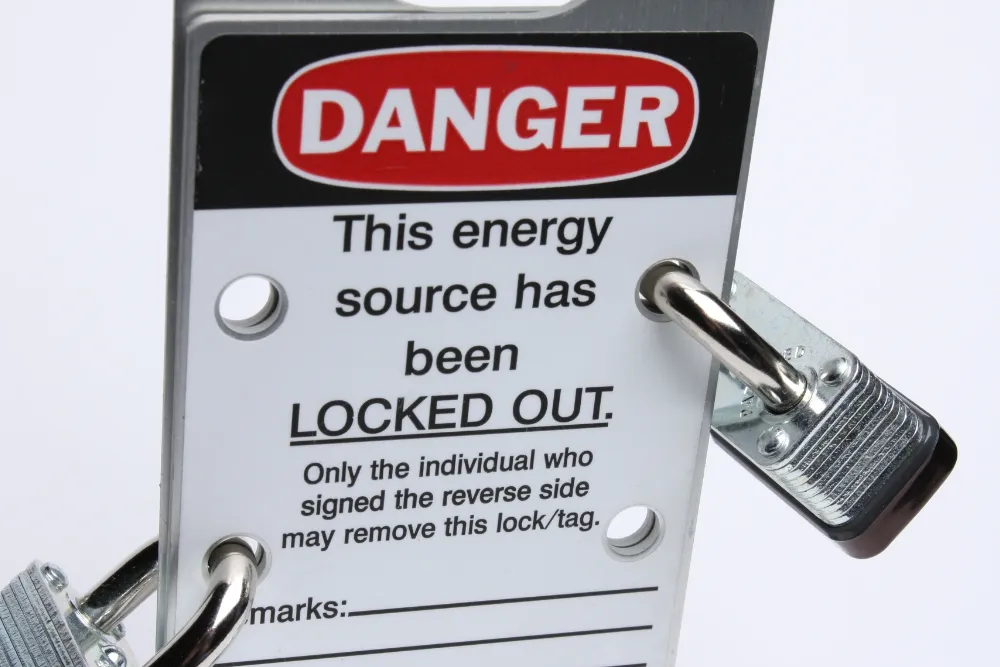
Ever found yourself a little confounded by tag-out procedures, or worse, witnessed mishaps due to simple missteps? You’re not alone there mate – we’ve all been in that pickle. A lack of nouse about these procedures can lead to some pretty dodgy situations.
So, understanding this quandary, we’ve put our noses to the grindstone with some thorough research and rustled up an article pinpointing the most common blunders during lockout/tagout operations.
This guide won’t just outline the boo-boos often committed but will also lend a hand on how to steer clear of them – ultimately guaranteeing a safer environment for everyone involved at work.
Key Takeaways
- Not performing lockout/tagout for quick jobs can lead to serious accidents, so it’s important to follow safety procedures regardless of the task duration.
- Using multiple lockout procedures and individual locks when working with other employees ensures everyone’s safety and prevents accidental removal of locks.
- Leaving keys in locks during lockout allows unauthorised access to hazardous energy sources, so always remove and secure keys properly.
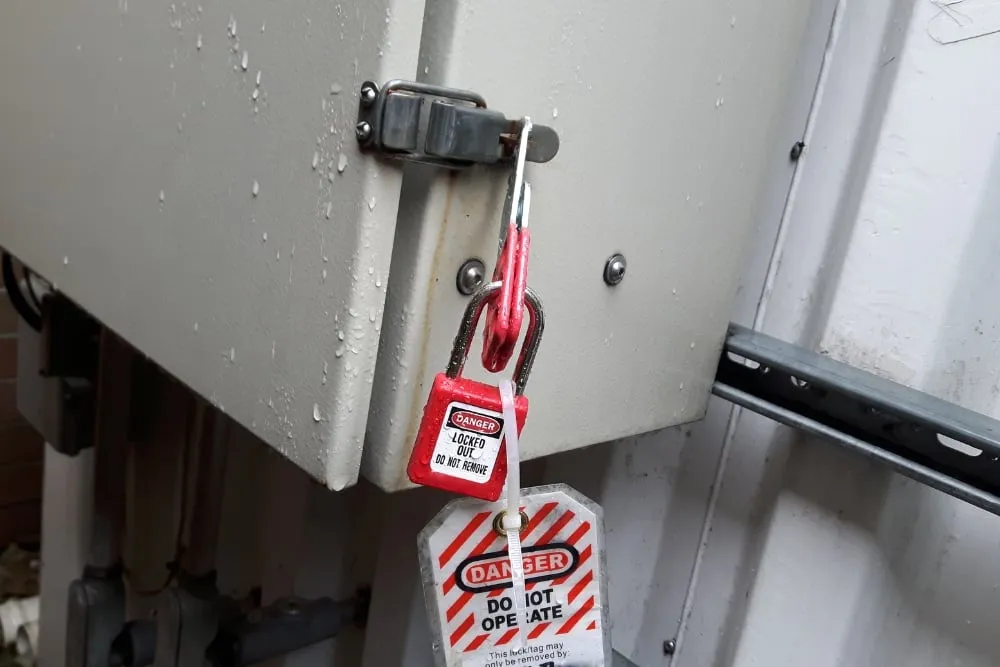
Common Mistakes in Tag Out Procedures
Some common mistakes in tag-out procedures include not performing lockout/tagout for quick jobs, ignoring the use of multiple lockout procedures when multiple employees are working, leaving the keys in the lock during a lockout, asking another employee to shut off the machine and lock the devices, and locking out only the control circuit without verifying the main disconnect or switch.
Not performing lockout/tagout for quick jobs
Overlooking the lockout/tagout process for quick jobs is a commonplace yet dangerous mistake. It’s easy to assume that because a job will only take a couple of minutes, it’s not necessary to go through this safety procedure.
However, even short tasks can lead to serious accidents if unexpected energy surges occur while we’re working. No matter how brief the job may be, it’s critical we always use proper lockout/tagout protocols to ensure our safety and prevent injuries or equipment damage.
Every task deserves full attention when it comes to implementing effective safety measures – there are no shortcuts in protection.
Ignoring the use of multiple lockout procedures when multiple employees are working
When multiple employees are working on a task that requires lockout/tagout procedures, it is crucial to ensure that each employee uses their own lock and tag. Ignoring the use of multiple lockout procedures can lead to serious accidents or injuries.
For example, if one employee locks out a machine but another employee also needs to work on it, they may unknowingly remove the first employee’s lock and put themselves at risk. By implementing proper procedures and ensuring that each worker follows them individually, we can prevent these dangerous situations from occurring.
In addition, it is essential for all employees involved in a task to communicate and coordinate effectively when using lockout/tagout procedures. This helps to avoid confusion and ensures that everyone understands which equipment is locked out and who is responsible for unlocking it.
Taking the time to properly plan and execute these procedures can save lives and prevent unnecessary accidents or injuries in our homes.
Leaving the keys in the lock during a lockout
Leaving the keys in the lock during a lockout is a common mistake that can compromise the effectiveness of the procedure. By leaving the keys, you are essentially allowing unauthorised access to potentially hazardous energy sources.
This not only increases the risk of accidents and injuries but also undermines the purpose of lockout/tagout procedures. It is crucial to double-check and verify that all locks and tags are firmly in place before starting any work.
Remember, proper implementation of lockout/tagout procedures requires strict adherence to safety protocols, including removing and securing all keys during lockout.
Asking another employee to shut off the machine and lock the devices
We should never rely on someone else to shut off the machine and lock the devices during a tag-out procedure. This is a common mistake that can compromise the safety of everyone involved.
Each worker must take personal responsibility for following proper lockout/tagout procedures, including shutting off the machine themselves and placing their own lock on it. By relying on others, we introduce the risk of miscommunication or oversight, which could lead to accidents or injuries.
It’s important for each individual to understand their role in ensuring their own safety and the safety of others by taking control of this step in the process.
Locking out only the control circuit and not verifying the lock on the main disconnect or switch
Locking out only the control circuit without verifying the lock on the main disconnect or switch is a common mistake that can compromise the effectiveness of lockout/tagout procedures.
This error increases the risk of accidents and injuries because it fails to properly isolate energy sources. It’s crucial for homeowners to ensure that both the control circuit and main disconnect or switch are locked out before starting any maintenance or repair work, in order to provide maximum safety and protection against potential hazards.
Not following the written procedures for lockout/tagout
When we don’t follow the written procedures for lockout/tagout, we put ourselves at risk of accidents and injuries. These procedures are in place to ensure our safety, so it’s important that we adhere to them carefully.
By not following these procedures, we may fail to properly isolate energy sources or drain residues, which can lead to dangerous situations. It’s crucial that we take the time to familiarise ourselves with the written procedures and follow them precisely every time we perform lockout/tagout tasks.
Proper training and understanding of these procedures are essential for keeping ourselves and others safe on the job.
Consequences of these Mistakes
These mistakes can lead to a higher risk of accidents and injuries, as the energy sources may not be properly isolated. This lack of communication and coordination in tag-out procedures can have serious consequences for both employees and the overall safety of the workplace.
Increased risk of accidents and injuries
We need to be aware of the increased risk of accidents and injuries when tag-out procedures are not followed correctly. Failure to properly isolate energy sources, such as not shutting off the main breaker or leaving keys in locks during the lockout, can lead to dangerous situations.

Ignoring written procedures, inadequate training, and using duplicate or shared locks also contribute to this risk. It is crucial for everyone involved to understand and follow proper lockout/tagout protocols to ensure a safe working environment.
Failure to properly isolate energy sources
One crucial mistake in tag-out procedures is the failure to properly isolate energy sources. This means that workers may overlook certain energy sources and not take the necessary steps to ensure they are effectively shut down and locked out.
Failing to isolate energy sources poses a significant risk as it can lead to unexpected release of stored energy, resulting in accidents or injuries. It is essential for homeowners to understand the importance of identifying and isolating all potential energy sources during lockout/tagout procedures to create a safe working environment.
By adhering to proper isolation practices, individuals can significantly reduce the risk of accidents and protect themselves from harm.
Lack of communication and coordination
Communication and coordination are crucial aspects of successful lockout/tagout procedures. One mistake that often occurs is a lack of communication between employees involved in the process.
It’s important for everyone to be on the same page and understand their roles and responsibilities during lockout/tagout. Failure to communicate can lead to confusion, errors, and potential accidents or injuries.
Another common mistake is a lack of coordination among workers during lockout/tagout procedures. This can happen when multiple employees are working on the same equipment or machinery but fail to coordinate their efforts.
Each worker needs to know when it’s safe to begin work and when it’s time to remove locks and tags.
By ensuring clear communication and effective coordination, organisations can minimise the risks associated with lockout/tagout procedures. Workers should always communicate any changes or updates related to the procedure, as well as any concerns or questions they may have.
Importance of Proper Training and Procedures
Proper training and procedures are crucial in ensuring the safety of employees and preventing accidents. Without them, the risk of mistakes and injuries significantly increases. Find out how you can avoid these common tag-out procedure mistakes by reading more below.
Providing thorough training on lockout/tagout procedures
We understand the importance of providing thorough training on lockout/tagout procedures. It is crucial for all employees to be knowledgeable and confident in implementing these safety measures.
By ensuring that everyone receives comprehensive training, we can reduce the risk of accidents and injuries in the workplace. Proper training will equip workers with the necessary skills to identify energy sources, follow written procedures precisely, and communicate effectively with their teammates.
Investing in thorough training not only promotes a safer work environment but also demonstrates our commitment to employee well-being.
Ensuring clear communication and understanding of the procedures
We must make sure that everyone involved in lockout/tagout procedures understands and communicates clearly. This is essential to avoid any misunderstandings or mistakes that could compromise safety.
It’s crucial to provide thorough training on the procedures, ensuring that employees are aware of their responsibilities and how to properly execute each step. Regularly reviewing and updating the procedures will also help keep everyone informed and up-to-date.
By fostering clear communication and understanding, we can ensure a safer work environment for all.
Regularly reviewing and updating the procedures
We understand the importance of keeping our lockout/tagout procedures up to date. That’s why we regularly review and update them to ensure they reflect the latest safety standards and best practices.
By doing so, we can address any new risks or potential hazards that may arise in our work environment. Our commitment to reviewing and updating these procedures means that every employee can trust that they are following the most current guidelines for performing lockout/tagout correctly.
This helps us maintain a safe working environment and minimise the risk of accidents or injuries related to energy isolation.

Tips for Avoiding Mistakes
Always remember to perform lockout/tagout for any job, no matter how quick it may seem. Communicate and coordinate clearly with your fellow employees, double-checking and verifying all locks and tags before starting work.
And most importantly, follow the written procedures precisely to ensure a safe working environment.
Always perform lockout/tagout for any job, regardless of how quick it may seem
We should always perform lockout/tagout for any job, no matter how quick it may seem. It is a common mistake to think that short-duration tasks don’t require lockout/tagout procedures, but this can lead to serious accidents and injuries.
Even a seemingly simple task can have hidden dangers, such as the unexpected release of energy or the activation of machinery. By taking the time to properly lock out and tag out equipment, we ensure our safety and prevent potentially life-threatening incidents from occurring.
So, let’s not take any shortcuts when it comes to our safety – always follow proper lockout/tagout procedures for every job.
Clearly communicate and coordinate with other employees involved
We must always remember to clearly communicate and coordinate with our fellow employees when it comes to lockout/tagout procedures. This is crucial for ensuring everyone’s safety and avoiding any mistakes or accidents.
By effectively communicating, we can make sure that everyone is aware of the tasks at hand and what needs to be done in order to properly lock out and tag out equipment or machinery.
Coordination among team members is also important to prevent any conflicts or overlap in locking out devices. By working together and keeping open lines of communication, we can minimise the risk of errors and create a safer work environment for everyone involved.
Double-check and verify all locks and tags before starting work
Before you begin any work, it is crucial to double-check and verify all locks and tags. This simple step can help prevent accidents and ensure your safety. Take the time to inspect each lock and tag, making sure they are securely in place and functioning properly.
By doing this, you are ensuring that the energy sources are effectively isolated and that no unexpected power or energy can be activated while you are working. Remember, a few extra minutes spent on this precautionary measure can make a big difference in keeping you safe during your tasks.
So always take the time to double-check before starting any work.
Follow the written procedures precisely
We cannot stress enough the importance of following the written lockout/tagout procedures precisely. These procedures are in place for your safety and the safety of others, so it is crucial that you adhere to them without any deviation.
Failure to do so can lead to serious accidents or injuries. By carefully reading and understanding the procedures, you can ensure that you are taking all necessary steps to properly lock out and tag out equipment or machinery.
Your Space, Our Tagging Expertise
In conclusion, it is crucial to avoid common mistakes in tagout procedures to ensure the safety of workers. By performing lockout/tagout for every job and properly training employees on procedures, organisations can prevent accidents and injuries.
Clear communication, thorough verification of locks and tags, and following written procedures precisely are essential steps in maintaining a safe workplace.
Transform safety in your industrial setting with Tag Out System’s Lockout/Tagout solutions. Your workplace’s well-being depends on it, and we’re here to help you achieve it. Take action now to ensure the utmost protection for your employees and equipment. Contact us today to explore our comprehensive range of Lockout/Tagout products and services tailored to industrial settings. From custom procedures to reliable lockout devices, we’ve got you covered. Don’t wait for accidents to occur – trust Tag Out System for safety excellence. Act now for a secure and compliant industrial environment. Reach out today and experience the peace of mind that comes with top-notch Lockout/Tagout practices!