
Tag Out System · 13 February 2024
Common Challenges in Implementing Tag Out Systems
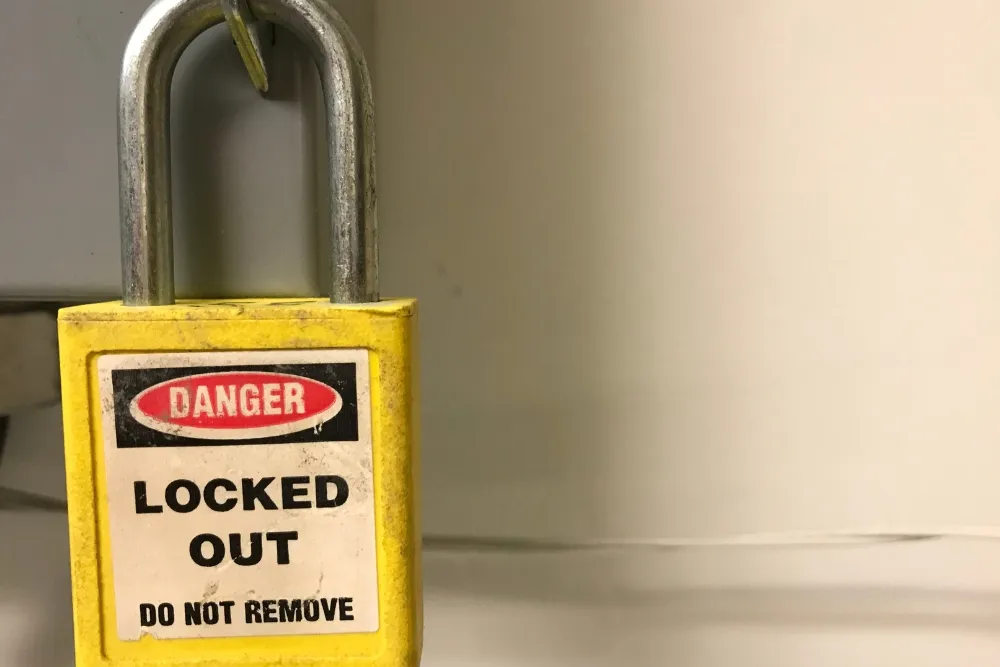
Struggling to keep the workplace a safe zone with an effective tag-out system? It’s a tough gig, we get it. It can be pretty darn frustrating trying to nip those common lockout tagout issues in the bud, especially when they have the potential to lead someone having a blue with some serious injuries.
This yarn is chock-a-block full of tips on how you can tackle these challenges head-on while setting up your tag-out system. So let’s dive into it mate and get those safety measures sorted!
Key Takeaways
- Employee training is key to avoiding mistakes with tag-out systems. It’s about giving the team a solid understanding of how to spot all types of energy sources and slap on those tags and locks correctly.
- Keeping procedures fresh and up-to-date matters heaps. By checking in regularly, we can dodge old or dodgy practices that could lead someone into strife.
- Using the latest tech helps make sure everyone’s doing their bit right. Smart devices can keep watch on energy sources, which means less room for human slip-ups.
- Communication needs to be as clear as a sunny Aussie day. Making sure everyone speaks up without fear keeps workers safe from misunderstandings that could cause real harm.
- Resistance or brushing off rules isn’t on – it’s dangerous for all involved. Getting everyone on board with following lockout tagout steps to the letter is super important for keeping things safe at work.
Understanding Tag Out Systems
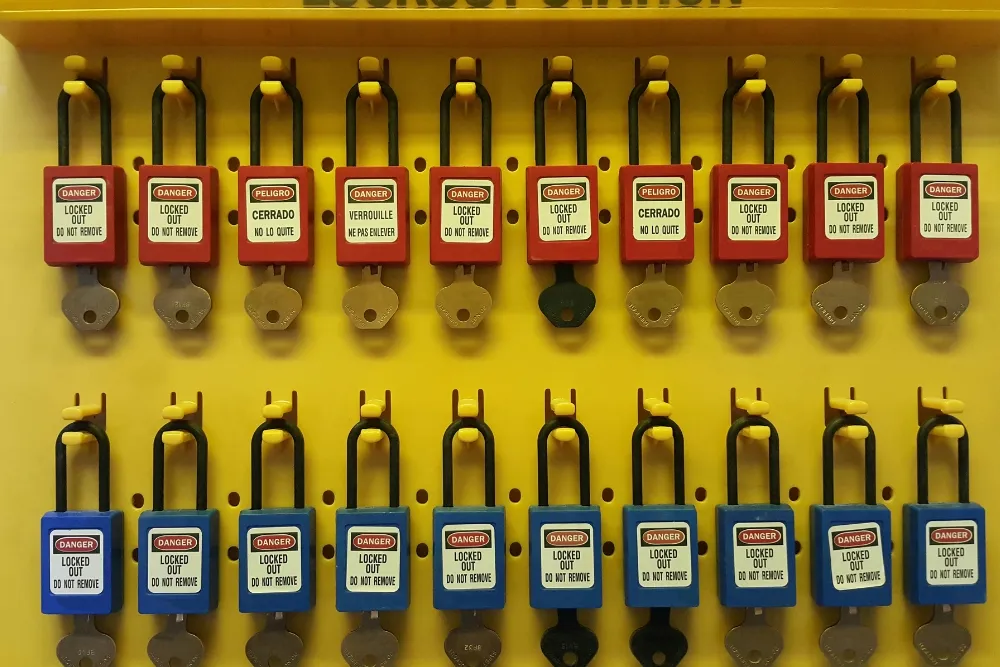
Beyond the basics, let’s dive into what tag-out systems really entail. These are critical parts of industrial safety that involve attaching a tag to an energy-isolating device.
This tag serves as a warning not to operate the machinery while maintenance or repairs are underway. It’s essential for preventing accidental start-ups of equipment, which could lead to severe injuries or even fatalities.
We see these systems at work when machinery undergoes service; they lock down hazardous energy and make sure everyone knows the status. To get it right, we ensure all potential risks are assessed and every piece of machinery has machine-specific lockout tagout procedures that comply with HSE regulations.
By doing so, we create a safer environment where tagging and locking out are managed effectively, keeping us clear from violations and enhancing our workplace protocols.
Common Challenges in Implementing Tag Out Systems
Lack of employee training and inadequate procedures are common challenges in implementing tag-out systems. Difficulty in identifying all energy sources, failure to properly document procedures, communication breakdowns, and resistance or non-compliance also pose significant obstacles.
Lack of employee training
Inadequate employee training hinders the successful implementation of tag-out systems. Without proper instruction and understanding, employees may not be aware of potential hazards or how to effectively use lockout tagout procedures.
This lack of knowledge can lead to non-compliance, putting themselves and others at risk. It is crucial to provide comprehensive training on energy sources, safety procedures, and equipment maintenance to ensure that all employees are proficient in executing effective tag-out measures.
Insufficient training also increases the likelihood of errors in documenting procedures as well as selecting appropriate tag-out equipment for specific machinery and lockout needs.
Inadequate or outdated procedures
Inadequate or outdated procedures can pose significant risks when implementing tag-out systems. Outdated lockout tagout procedures may not align with current safety standards, leading to potential hazards in the workplace.
Additionally, inadequate procedures may fail to account for all energy sources, increasing the risk of accidents and injuries. Regular review and update of procedures are essential to ensure that they remain effective and compliant with safety regulations.
Utilising technology for efficient implementation is crucial in overcoming challenges posed by inadequate or outdated procedures. Innovative technologies can streamline the lockout tagout process, making it easier to identify energy sources and implement necessary precautions.
Difficulty identifying all energy sources
Identifying all energy sources can be challenging, but it is crucial for the success of tag-out systems. Lack of awareness or knowledge about potential energy sources within machinery and equipment can pose serious safety risks.
Without a comprehensive understanding of all possible energy sources, there is an increased likelihood of accidents and injuries occurring during lockout tagout procedures. Implementing thorough training programmes that cover the identification and management of various energy sources is essential to mitigating this risk.
Furthermore, specific procedures should also include a detailed process for identifying and isolating all potential energy sources before any maintenance or servicing work begins on machinery or equipment.
Accurate identification ensures that employees are aware of all hazards associated with the machinery they are working on, thereby minimising the risk of accidents occurring due to overlooked energy sources.
Failure to properly document procedures
Inadequate documentation of procedures can lead to confusion and errors in the implementation of tag-out systems. This oversight may result in employees unknowingly working on equipment that was meant to be tagged out, putting them at risk of serious injury or even death.
Without proper documentation, it is challenging for employees to follow correct procedures, increasing the likelihood of accidents and violations.
As we delve into overcoming these challenges, let’s explore practical solutions for you related to “Failure to properly document procedures”.
Communication breakdowns
Properly documented procedures are crucial, but communication breakdowns can derail the effectiveness of lockout tagout (LOTO) systems. Misunderstandings or lack of clear instructions can lead to serious safety risks in homes and offices alike.
Clear and direct communication is essential to ensure that everyone involved understands the procedures and follows them accurately. A lack of open channels for feedback and questions regarding LOTO processes can create confusion, leading to potential violations or accidents.
Regular training sessions on effective communication within a tag-out system are vital in minimising errors and enhancing overall workplace safety. Simplifying language in written communications about LOTO procedures also aids in ensuring clarity among employees and minimises the risk of misinterpretation.
Resistance or non-compliance
Resistance or non-compliance to lockout tagout procedures can jeopardise the safety of both employees and property. It poses a significant risk, as failure to adhere to established protocols could result in accidents, injuries, and even fatalities.
Employees must understand the importance of following lockout tagout procedures diligently, as any reluctance or non-compliance can have severe consequences for everyone involved.
Lack of compliance with lockout tagout procedures may stem from a lack of awareness about the potential hazards associated with energy sources. Inadequate training on the proper implementation and necessity of lockout tagout systems could also contribute to resistance or non-compliance within the workplace.
Overcoming these Challenges
We can overcome these challenges by providing comprehensive employee training, regularly reviewing and updating procedures, utilising technology for efficient implementation, and promoting a culture of safety.
Comprehensive employee training
Comprehensive employee training is crucial in ensuring the successful implementation of tag-out systems. Training should cover the identification and recognition of energy sources, lockout tagout procedures, proper use of lockout equipment, and potential risks associated with non-compliance. It’s essential to provide practical hands-on training sessions and refresher courses to reinforce understanding and competence.
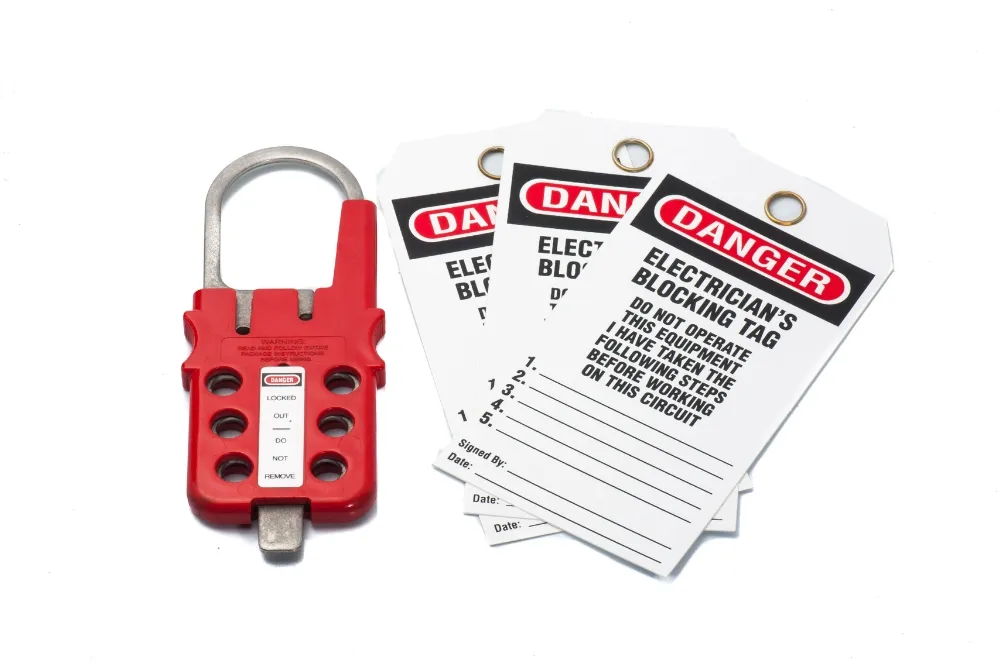
- Educate employees about the specific procedures for tagging out equipment and machinery, emphasising the importance of following protocols to prevent accidents and injuries.
- Train all personnel on the correct selection, inspection, and use of lockout tagout devices according to machine-specific requirements to ensure optimal safety measures.
- Instruct employees on how to recognise and document procedures correctly, ensuring that all necessary information is accurately recorded for efficient tagging out processes.
- Conduct thorough training programmes on communication protocols within a lockout tagout system, emphasising the need for clear and open communication among team members during equipment maintenance or servicing activities.
Regular review and update of procedures
To maintain the effectiveness of tag-out systems, it’s crucial to regularly review and update procedures. This ensures that necessary adjustments are made to address any changes in equipment or processes, keeping safety measures up-to-date and relevant. Here are practical steps for ensuring the regular review and update of procedures:
- Schedule periodic reviews of lockout tagout procedures to assess their current applicability and effectiveness.
- Keep abreast of industry best practices and regulatory updates to inform revisions to existing procedures.
- Involve employees in the review process to gather valuable insights from those directly involved in implementing tag-out systems.
- Document all modifications made to procedures, ensuring that the latest version is readily accessible to all relevant personnel.
- Conduct training sessions to communicate any changes or updates to lockout tagout procedures, ensuring that all employees are informed and equipped with the latest protocols.
Utilising technology for efficient implementation
To ensure efficient implementation of tag-out systems, we turn to innovative technologies that can streamline the process. Advanced lockout tagout equipment is designed with user-friendly features, making it easier for employees to carry out procedures accurately and safely.
These modern solutions offer clear visual cues, such as colour-coded tags and digital interfaces, to help identify energy sources and maintain compliance with safety protocols. Additionally, using digital documentation tools simplifies the recording of procedures, ensuring proper documentation and reducing the risk of errors.
By incorporating technology into our tag-out systems, we can address common challenges effectively and enhance workplace safety measures. The integration of these advanced tools promotes a culture of safety within our facilities while improving overall operational efficiency.
Promoting a culture of safety
To ensure a safe workplace, we must foster a culture where safety is prioritised and valued by everyone. This involves engaging employees in regular safety training and awareness programmes to equip them with the knowledge and skills needed to identify and mitigate lockout tagout risks effectively.
It also means promoting open communication channels to enable employees to report safety concerns without fear of reprisal or judgment. By incorporating safety into everyday operations, and creating visible reminders such as signage and posters, we can reinforce the importance of lockout tagout procedures in preventing workplace accidents.
Practical Solutions for You
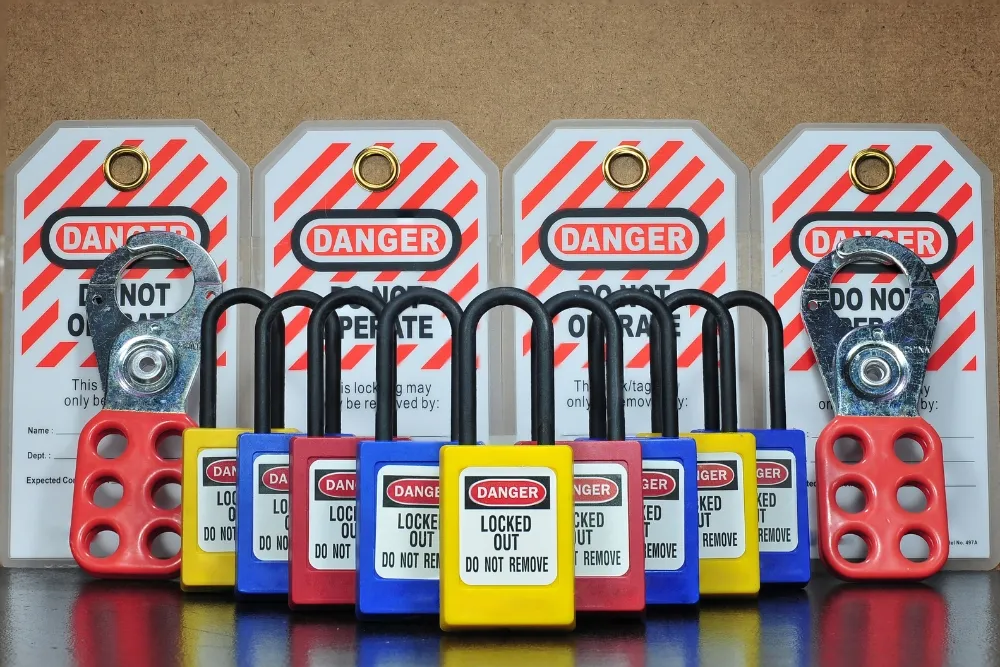
Explore the power of protection with lockout safety locks and discover innovative technologies in lockout equipment to enhance workplace safety. Learn about the key elements of effective lockout equipment to ensure machinery safety and minimise risks.
The power of protection – lockout safety locks demystified
Lockout safety locks are key elements in ensuring machinery safety and risk management. These innovative lockout devices provide a physical barrier to prevent the accidental start-up of machines during maintenance or repair.
By utilising these machine-specific lockout tagout systems, home and office owners can effectively eliminate energy sources and protect employees from potential hazards. Lockout safety locks also play a crucial role in promoting a culture of safety by providing a visible indication that equipment is being serviced, keeping everyone informed and safe.
Understanding the importance of effective lockout equipment is vital for creating a secure work environment. The selection of appropriate lockout devices is essential for successful implementation, preventing common mistakes or issues within the LOTO process that could lead to injury or even fatalities.
Innovative technologies in lockout equipment
Innovative technologies play a crucial role in enhancing the efficiency and effectiveness of lockout equipment. Modern advancements such as smart lockout devices with integrated sensors and remote monitoring capabilities provide real-time insights into energy isolation status.
These advanced technologies ensure enhanced safety, allowing for better control and visibility over energy sources during maintenance or servicing activities. Automated lockout systems equipped with digital locks and centralised control panels simplify the process, reducing human errors and improving compliance with tag-out procedures.
Furthermore, the use of unique identification tags linked to cloud-based management platforms enables seamless documentation of lockout/tagout procedures, enhancing accountability and tracking across various machines or equipment within a facility.
Key elements of effective lockout equipment
- Sturdy Lockout Devices: The equipment should be durable and resistant to tampering, ensuring reliable isolation of energy sources.
- Clear Tagging System: Utilising standardised, easily visible tags with clear instructions can prevent confusion and ensure proper lockout adherence.
- Customisable Locks: Locks that can be tailored to fit a variety of energy control points promote flexibility and efficiency in implementation.
- Integration with Procedures: Equipment should align seamlessly with established procedures to streamline the tagging process and maintain consistency.
- Employee Training Tools: Providing comprehensive training materials alongside the equipment facilitates proper usage by all personnel.
Enhance Safety in Your Space with Our Tagout System!
Overcoming the challenges in implementing tag-out systems requires a proactive approach. Proper employee training is essential, as well as regularly reviewing and updating procedures.
Utilising technology can streamline implementation while promoting a strong safety culture is crucial. The power of protection through lockout safety locks and innovative technologies in lockout equipment are practical solutions to consider for successful implementation.
Discover how Tag Out System can help you overcome common challenges in implementing tag-out systems. From training to equipment selection, we provide tailored solutions to ensure seamless integration and compliance. Don’t let obstacles hinder your safety protocols. Contact us today to streamline your tag-out procedures and enhance workplace safety.