
LockOut Equipment · 8 October 2023
Choosing the Right Lockout Device for the Job
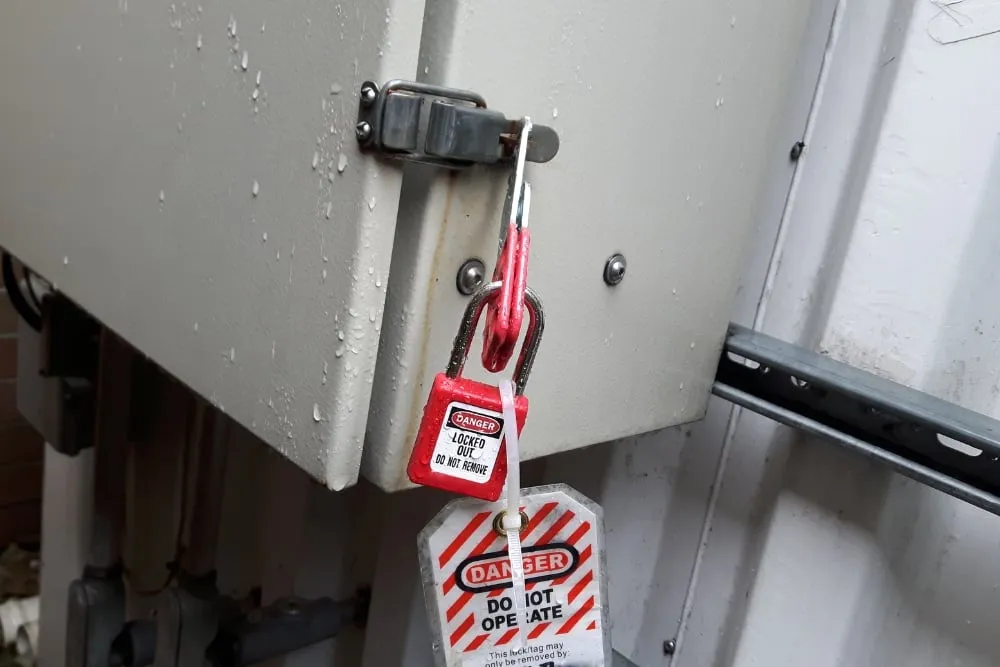
Struggling to wrap your head around which lockout device is the duck’s guts for your job? We understand – it’s not exactly a walk in the park, considering the smorgasbord of devices on offer.
And let’s face it, making a dodgy choice could bring up some serious safety risks. We’ve pulled out all stops and delved deep into research and have realised that choosing the right one rests heavily on its purpose and use (Just a reminder: Lockout tagout gadgets are there to prevent accidental energy release during maintenance or chucking in some repairs).
This article will steer you through various types of lockout/tagout contraptions, helping you cherry-pick an ideal one that matches your needs while keeping those crucial workplace safety standards tickety-boo.
So strap yourself in, as we untangle this complicated selection process!
Key Takeaways
- Lockout/tagout devices are essential for preventing accidents and injuries during maintenance or repair work.
- There are three main types of lockout/tagout devices: electrical isolation, mechanical isolation, and personal lockout devices.
- When choosing the right device, consider the type of equipment, energy source involved, and durability of the device.
- Assess your premises to determine specific lockout/tagout requirements and select appropriate storage solutions for easy accessibility.
What is Lockout/Tagout and Why is it Important
Lockout/Tagout (LOTO) is a crucial safety procedure used during maintenance or repair of machinery. It involves disabling equipment to prevent it from accidentally starting up or releasing hazardous energy, which can cause serious injuries or even fatalities.
This process requires the use of specific devices and accessories, such as lockout hasps, padlocks, circuit breaker lockouts, valve lockouts and electrical plug lockouts.
The importance of Lockout/Tagout simply cannot be overstated – sloppy handling of machinery kills and maims workers every year. The choices we make about safety procedures aren’t just about complying with regulations; they’re literally life-or-death decisions.
In essence, choosing the right LOTO device for your job can act as an essential barrier against unexpected machine start-ups or energy release, ensuring maximum safety at work sites or in homes.
Types of Lockout/Tagout Devices
There are three main types of lockout/tagout devices: electrical isolation devices, mechanical isolation devices, and personal lockout devices.
Electrical isolation devices
Electrical isolation devices are essential for ensuring safety when working on electrical equipment.
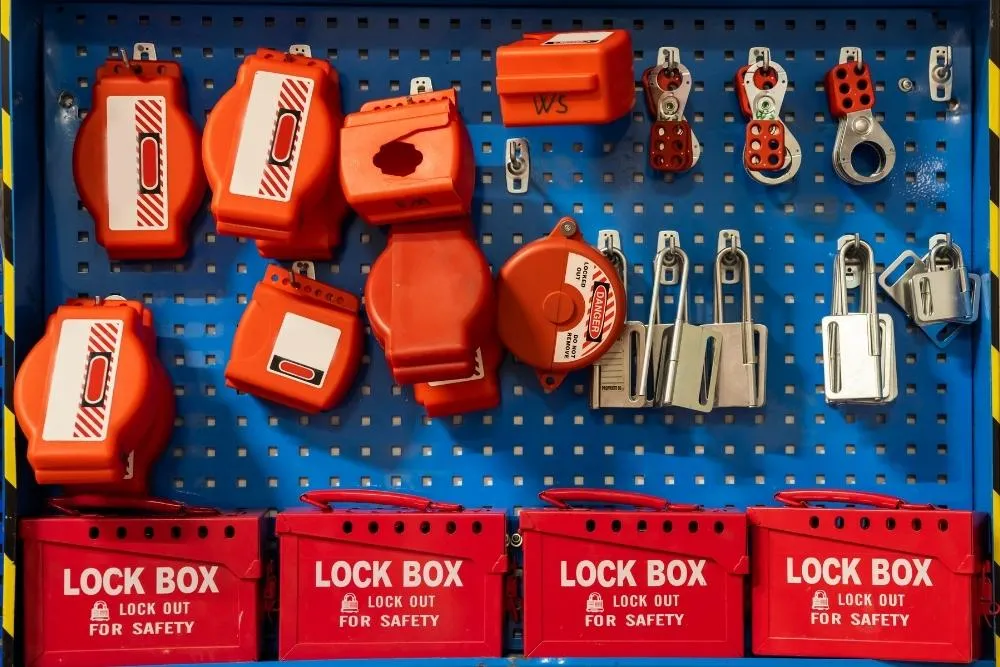
These devices are designed to prevent the accidental release of energy that could lead to electric shocks or other hazards.
They include circuit breaker lockouts, electrical plug lockouts, and valve lockouts. Circuit breaker lockouts are specifically used to isolate circuit breakers and prevent them from being turned on while maintenance is being performed.
Electrical plug lockouts are used to secure electrical plugs in an off position, preventing them from being inadvertently switched on. Valve lockouts are designed to immobilise valves and keep them in a closed position during maintenance or repair work.
When selecting an electrical isolation device, it’s important to consider factors such as the type of equipment you will be working on and the specific energy source involved. Choose devices that are durable, tamper-resistant, and made from non-conductive materials like plastic or nylon.
Ensure that each device is easily identifiable with clear labelling or colour-coding for quick recognition.
Training employees on how to use these devices correctly is crucial for maintaining a safe work environment. Make sure your employees understand the proper procedures for isolating energy sources using these devices before they start any electrical work.
Mechanical isolation devices
Mechanical isolation devices are an important part of lockout/tagout procedures. These devices are specifically designed to physically prevent the accidental startup or release of energy during maintenance or repair work.
They can include items such as lockout hasps, valve lockouts, and electrical plug lockouts. These devices are made from durable materials like steel and non-conductive materials to ensure safety.
It is essential to select the right mechanical isolation device for your specific job, considering factors such as the type of equipment being worked on and the energy source involved.
Personal lockout devices
Personal lockout devices are essential tools for ensuring safety during maintenance or repair work. These devices are designed to prevent the accidental release of hazardous energy and keep workers protected.
When selecting a personal lockout device, it is important to consider factors such as the type of equipment being worked on and the specific hazards involved. Additionally, personal lockout devices should be made from durable materials that can withstand tampering.
Remember, these devices should be easily distinguishable and identifiable from other locks or devices used in your home. By using personal lockout devices correctly and following proper procedures, you can ensure maximum safety for yourself and others in your household.
Choosing the Right Lockout/Tagout Device
When choosing the right lockout/tagout device, it’s important to assess your premises, select appropriate lockout boxes/bags/stations, consider the number and types of padlocks needed, and ensure a user manual is included.
Don’t forget about personal and contractor kits for specific purposes! Read on to learn more.
Survey your premises and assess isolation device requirements
To ensure the safety of your home, it’s important to survey your premises and assess the isolation device requirements. This involves taking a thorough look at your property and identifying potential hazards or equipment that may require lockout/tagout devices.
Consider things like electrical panels, machinery, or hazardous energy sources that could pose a risk. By conducting this survey, you can determine the specific types of lockout devices needed to effectively protect yourself and others from accidents or injuries caused by unexpected energy releases.
Remember, choosing the right lockout device is essential for maintaining a secure environment in your home.
During our assessment of your premises, we’ll carefully analyse any potential hazards such as circuit breakers or valve systems that need effective isolation measures. It’s crucial to select appropriate lockout boxes/bags/stations based on these findings to ensure maximum safety.
Moreover, considering kits tailored for specific purposes like electrical or mechanical work will provide added protection in targeted areas with specialised needs. Additionally, don’t forget to include user manuals and consider personal and contractor kits depending on who will be accessing these devices.
Select the appropriate lockout box/bag/station
To ensure the safety of your home and prevent accidents, it is crucial to select the right lockout box, bag, or station for your lockout/tagout needs. These storage solutions are designed to keep your lockout devices organised and easily accessible when you need them.
When choosing a lockout box/bag/station, consider factors such as the size of the equipment you will be working on and the number of devices you need to store. Look for durable options made from materials like steel or non-conductive materials that provide protection against tampering.
It’s also important to ensure that these storage solutions are easily distinguishable from other locks or devices in order to avoid confusion during emergencies. By selecting an appropriate lockout box/bag/station, you can maintain a safe and efficient work environment at home.
Assess the number and types of padlocks needed
To ensure the safety of your workplace, it is important to assess the number and types of padlocks needed for lockout/tagout procedures. Consider factors such as the size of your facility, the number of machines or equipment that require lockout, and the number of employees involved in maintenance work.
Determine how many padlocks will be required to securely lock each piece of machinery or energy source. Also, consider different types of padlocks depending on your specific needs – some may be designed for electrical isolation while others are suited for mechanical isolation.
By accurately assessing your requirements, you can ensure that you have enough padlocks on hand to effectively implement lockout/tagout procedures and keep everyone safe from hazardous energy releases during maintenance or repair work.
Consider kits for specific purposes (electrical/mechanical)
When choosing the right lockout device for your job, it’s important to consider kits that are designed specifically for electrical or mechanical purposes. These kits contain all the necessary tools and accessories needed to safely isolate and lock out specific equipment or machinery.
By using these specialised kits, you can ensure that you have the correct devices and components needed to effectively prevent hazardous energy release during maintenance or repair work.
Whether you’re working on electrical panels, circuit breakers, valves, or other mechanical systems, these purpose-built kits will provide you with the right lockout devices for the task at hand.
Ensure the user manual is included
We always want to do things the right way, and that includes using lockout/tagout devices correctly. That’s why it’s important to ensure that a user manual is included when selecting a lockout device for the job.
A user manual provides essential instructions on how to properly use the device, ensuring maximum safety for you and others involved. It will guide you through the process of setting up and securing the lockout device, as well as any additional features or precautions you should be aware of.
With a user manual in hand, you can feel confident knowing that you are taking all necessary steps to protect yourself from hazardous energy during maintenance or repair work.
Remember, having a user manual isn’t just about checking off another item on your list. It’s about prioritising safety and making sure we have all the tools and information we need to do our best work.
Personal and contractor kits
We offer personal and contractor kits for lockout/tagout procedures. These kits are designed to provide you with everything you need to safely isolate and control energy sources. Our personal kits include essential devices such as padlocks, hasps, tags, and lockout stations.
They are compact and convenient for individual use. For contractors working on multiple sites or larger projects, our contractor kits offer a comprehensive set of lockout devices that can accommodate various types of equipment and hazards.
Whether you’re a homeowner or a professional contractor, these kits ensure that you have the right tools to protect yourself and others from hazardous energy during maintenance or repair work.
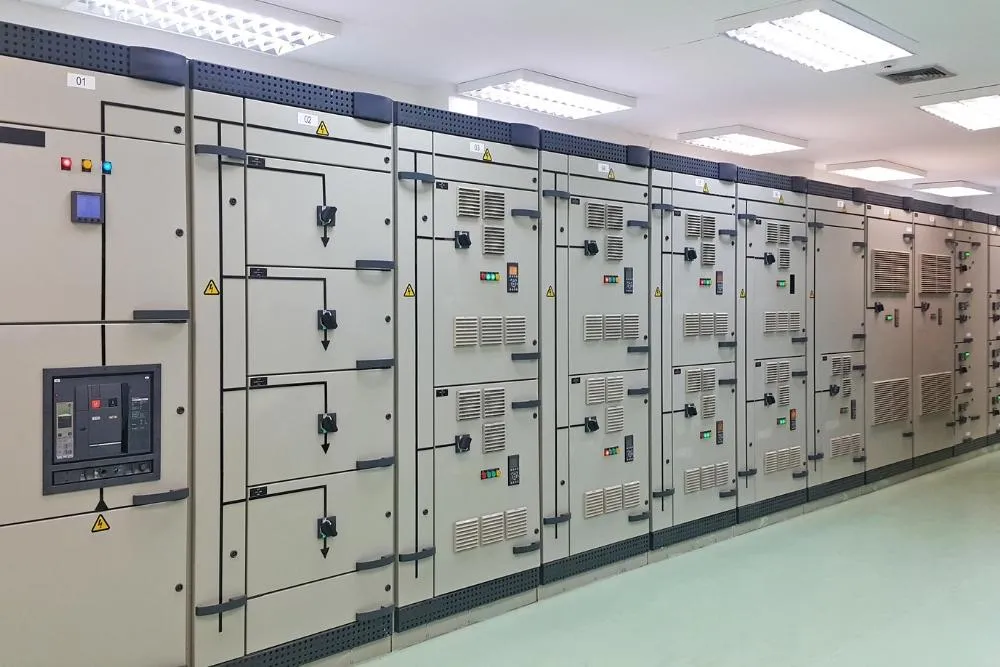
Training and Auditing for Lockout/Tagout Procedures
Train your employees and conduct regular audits to ensure compliance with lockout/tagout procedures. Stay up-to-date on standards and regulations, assess hazards, devise comprehensive procedures, and prioritise safety in the workplace.
Know the standards and regulations
We need to be aware of the standards and regulations when it comes to lockout/tagout procedures. It’s important for us as homeowners to understand and follow these guidelines to ensure the safety of ourselves and our families.
These regulations are designed to prevent accidents and injuries caused by unexpected energy release. By familiarising ourselves with these standards, we can take the necessary precautions and protect ourselves from potential harm.
Additionally, it’s essential for us to keep up-to-date with any changes or updates in these regulations. Staying informed helps us maintain compliance with the latest standards, ensuring that we’re using appropriate lockout devices and following proper procedures.
Assess hazards and devise procedures
To ensure the safety of our homes and loved ones, it is crucial that we assess the hazards present in our surroundings and devise proper procedures to address them. This involves identifying potential risks and dangers, such as electrical equipment or machinery that could pose a threat if not handled correctly.
By conducting a thorough hazard assessment, we can determine the specific precautions needed to prevent accidents or injuries.
Once identified, it is essential to develop effective procedures for dealing with these hazards. This includes outlining step-by-step instructions on how to safely operate equipment or perform maintenance tasks.
It is important to clearly communicate these procedures to everyone involved, ensuring they understand the potential risks and how to mitigate them.
Train employees and conduct regular audits
We believe that ensuring the safety of your home and loved ones is a top priority. That’s why it’s essential to train employees on proper lockout/tagout procedures and conduct regular audits.
By providing comprehensive training, you can equip your team with the knowledge they need to use lockout devices correctly, minimising the risk of accidents or injuries. Regular audits will help identify any areas for improvement in your lockout/tagout program and ensure that all devices are being used effectively.
Remember that ongoing training and audits are key to maintaining a safe environment at home or in any workplace setting.
Get the Right Lockout Device for You
In conclusion, selecting the appropriate lockout device for the job is crucial in maintaining a safe working environment. By surveying your premises and assessing isolation device requirements, selecting the right lockout box or bag, and considering the number and types of padlocks needed, you can ensure proper safety measures are in place.
Additionally, training employees on lockout/tagout procedures and conducting regular audits will help to minimise workplace accidents and protect workers from hazardous energy.