
Tag Out System · 22 November 2023
Case Studies of Successful Tag Out System Implementation
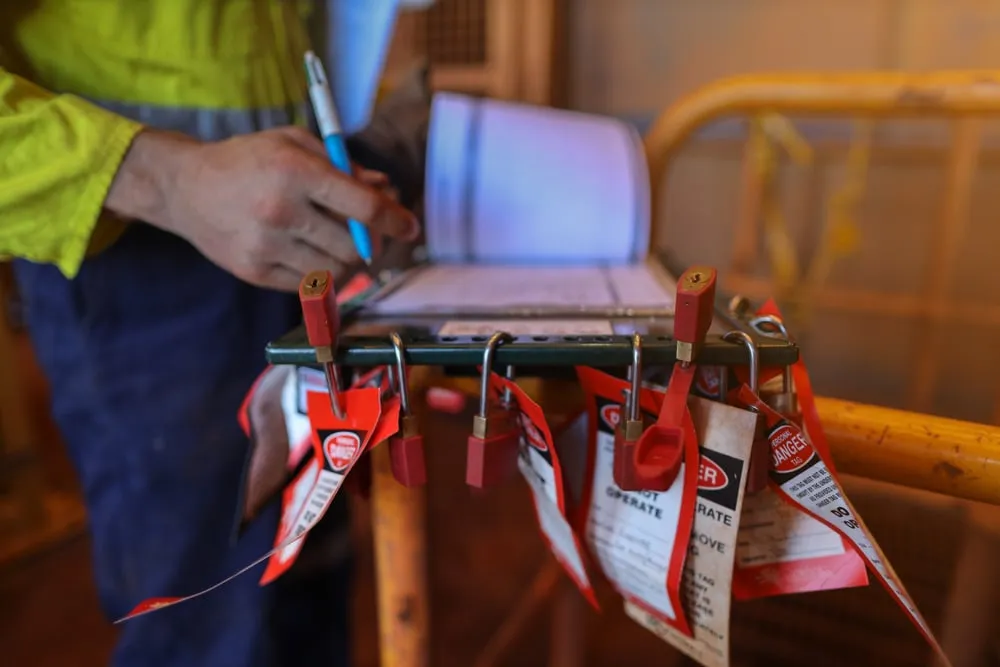
Ever found yourself scratching your head over how to keep the old workshop safe while giving the gear a bit of a tune-up? It’s not just you – plenty of us have been up against it.
But here’s a hot tip: lockout/tagout procedures are absolute game-changers when it comes to dodging workplace mishaps. We’re not just spinning yarns; our expert advice and real-deal success stories will give you the lowdown on why a top-notch tag-out system is your best mate for ensuring safety on site.
So, grab a cuppa, and let’s yarn about nailing accident-free maintenance!
Key Takeaways
- Multiple energy control procedures were successfully implemented in a manufacturing facility, significantly reducing the risk of accidents during machine maintenance.
- Integration of LOTO procedures into maintenance routines across different industries has led to tangible benefits by effectively isolating and securing energy sources during servicing machinery and equipment.
- Compliance with regulatory standards for Lockout/Tagout (LOTO) programs is crucial for ensuring a safe working environment while embracing technological advancements that can help streamline adherence to stringent regulations.
Understanding LOTO
Lockout/Tagout systems are all about keeping us safe while we work on machines. They help prevent accidents by making sure any sort of power is cut off and that equipment is secure before anyone starts maintenance or repairs. It’s like putting a big red “STOP” sign on energy sources, so everyone knows not to start the machine up again.
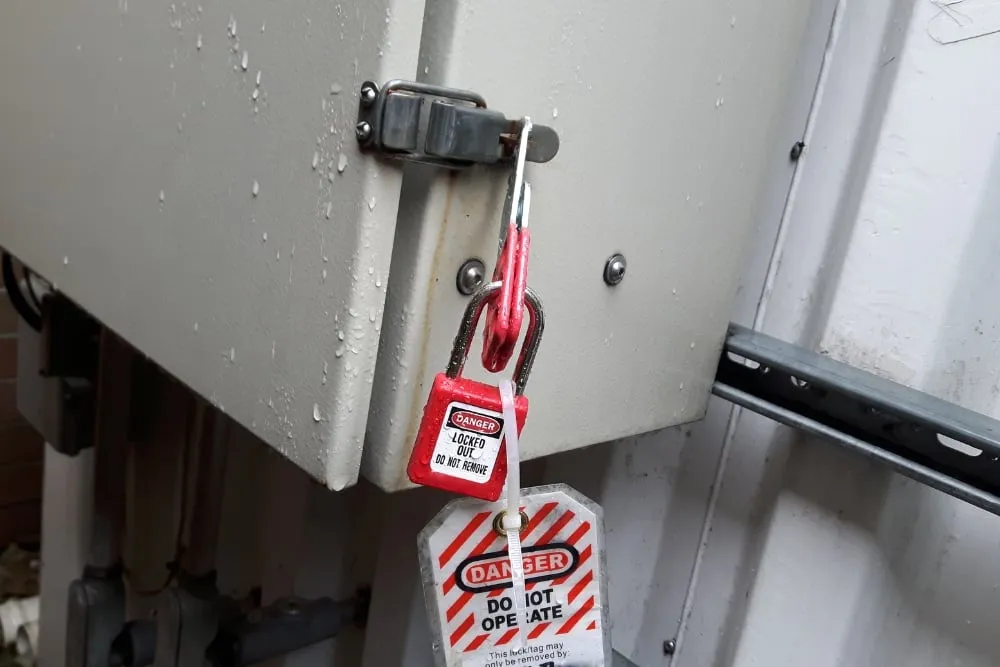
We need to work together across departments, whether it’s the folks in maintenance or our pals in operations, to get this right.
These procedures aren’t just good sense; they’re also backed by safety standards because LOTO practices are serious business when it comes to protecting our teams from harm. With technology giving us a hand, we’re now finding smarter ways to keep track of these crucial steps, which means better protection for everyone involved with servicing equipment.
Let’s gear up and head into why exactly LOTO matters so much for all of us at work.
Importance of LOTO
Implementing a robust Lockout/Tagout (LOTO) program is crucial to ensuring workplace safety and preventing work-related accidents. LOTO procedures are designed to isolate and secure energy sources, significantly reducing the risk of hazardous incidents during maintenance and service activities.
Companies that prioritise the implementation of LOTO not only comply with regulatory standards but also demonstrate a commitment to safeguarding their employees’ well-being. Moreover, as technology continues to revolutionise safety programs, organisations can leverage advanced tools for generating LOTO sheets and streamlining energy control measures, further emphasising the importance of staying updated with evolving safety protocols.
By prioritising the importance of LOTO, businesses can proactively mitigate risks associated with equipment servicing while simultaneously promoting a culture of safety consciousness among employees.
This strategic emphasis on LOTO forms an integral part of our continuous efforts towards enhancing workplace safety practices.
Components of an Effective LOTO Program
Energy identification, isolation procedures, locking and tagging, and verification are essential components of an effective LOTO program. Understanding these components is crucial to ensure the safety and security of equipment.
Read more to learn about the importance of each component in successful tag-out system implementation.
Energy Identification
Identifying energy sources is a vital step in the Lockout/Tagout (LOTO) process. An effective LOTO program involves locating and labelling all energy sources that need to be isolated before maintenance or servicing.
This may include electrical, mechanical, hydraulic, pneumatic, chemical, and thermal energy sources. By clearly identifying these energy sources and understanding their associated hazards, employees can take necessary precautions to prevent accidents while working on machines or equipment.
Organisations understand the importance of accurately identifying energy sources as part of their LOTO procedures. Through proper planning and evaluation, companies can ensure that all potential energy hazards are recognised and addressed accordingly.
Isolation Procedures
After identifying the energy sources, the next crucial step is implementing effective isolation procedures to ensure the safety of personnel and equipment. Here are essential isolation procedures to follow:
- Secure all energy sources using lockout devices before performing any maintenance or servicing tasks.
- Release any stored energy within the machinery by following specific procedures provided by the manufacturer or regulatory standards.
- Verify that all energy sources have been successfully isolated and pose no threat to anyone working on the equipment.
- Use standardised LOTO tags to communicate the status of isolation to everyone in the vicinity.
Locking and Tagging
After completing the energy isolation procedures, the next crucial step is locking and tagging. This ensures that no unauthorised person can restore power to the equipment or machinery being serviced. It involves:
- Placing a lock on the energy isolation device to prevent it from being operated.
- Attaching a tag indicating that maintenance work is in progress and warning against energising the equipment.
- Ensuring that only the individual who applied the lock and tag will be able to remove them upon completion of maintenance, preventing accidental re-energisation.
- Training all employees on recognising and respecting locked-out devices, as well as their responsibilities during procedures.
Verification
Proper verification is crucial for the effectiveness of a Lockout/Tagout (LOTO) program. It involves confirming that energy isolation has been successfully achieved before any maintenance or servicing work begins.
This step ensures that all energy sources are effectively controlled, and equipment cannot be inadvertently restarted. It also assures employees performing maintenance tasks that they are safe from unexpected energisation during their work.
Verification may involve visual checks, testing of controls or stored energy discharge, as well as communication among team members involved in the lockout process. Clear and consistent procedures for verifying LOTO must be established and followed to prevent potentially fatal accidents caused by overlooked energy sources.
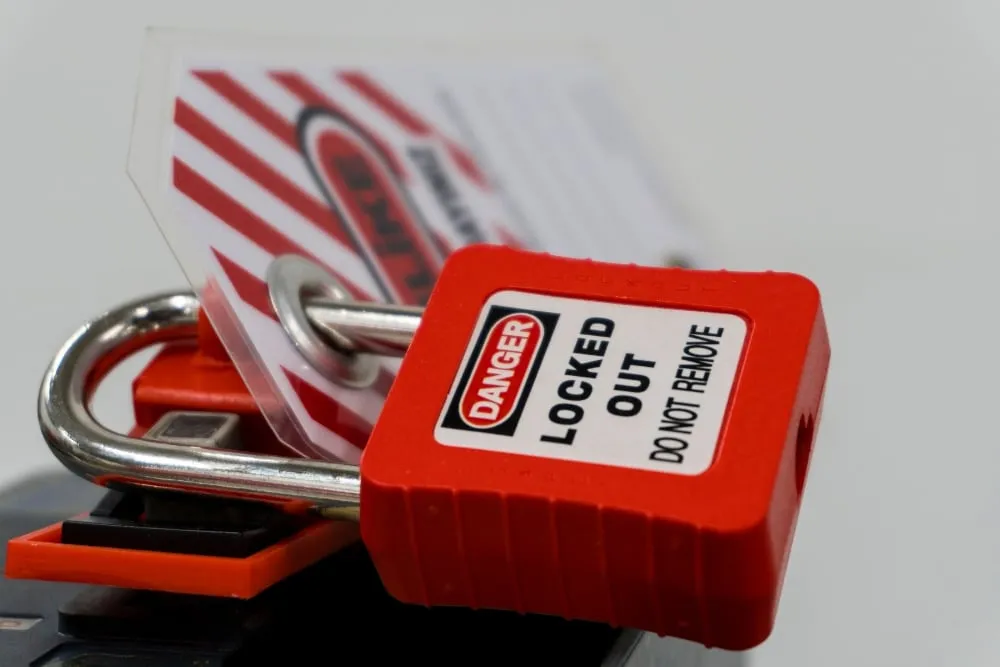
Case Studies of Successful LOTO Implementation
Case Study 1: Multiple Energy Control Procedures; Case Study 2: Implementing LOTO in Different Industries;
Case Study 3: Compliance with Regulatory Standards.
Case Study 1: Multiple Energy Control Procedures
In a manufacturing facility, we implemented multiple energy control procedures to enhance safety during maintenance and servicing. We identified various energy sources, including electrical, mechanical, hydraulic, and pneumatic systems to ensure thorough isolation.
Locking and tagging each energy source effectively prevented accidental re-energisation. Verification was carried out by a designated team to confirm the successful isolation of all energy sources before maintenance work began.
The implementation of multiple energy control procedures significantly reduced the risk of accidents during machine maintenance. By meticulously identifying and securing diverse energy sources across different machines, we ensured a comprehensive approach to hazard control measures.
Case Study 2: Implementing LOTO in Different Industries
Organisations from various industries are successfully implementing Lockout/Tagout (LOTO) programs to enhance workplace safety. By integrating LOTO procedures into their maintenance routines, companies have significantly reduced the risk of work-related accidents.
Industrial owners have seen tangible benefits from this approach, as it effectively isolates and secures energy sources during maintenance procedures, such as servicing machinery and equipment.
Furthermore, technology is playing a pivotal role in revolutionising safety programs within organisations across different industries. Implementing machine learning has streamlined the generation of LOTO sheets, making the process more efficient.
As industrial and office owners, understanding how LOTO can be adapted to different industries is essential for enhancing operational procedures while ensuring workplace safety.
Case Study 3: Compliance with Regulatory Standards
After successfully implementing LOTO in different industries, we understand the importance of compliance with regulatory standards. Adhering to regulatory requirements is crucial for ensuring a safe working environment for employees and preventing work-related accidents.
Compliance includes following specific guidelines set by authorities to prevent unauthorised access to hazardous energy sources during machine maintenance and servicing.
One of our key findings in this case study is that organisations across various industries have embraced technological advancements to streamline their compliance with regulatory standards related to LOTO programs.
Challenges and Continuous Improvement of LOTO Procedures
Ensuring employee responsibilities and awareness, as well as constantly improving LOTO procedures, are ongoing challenges. It’s important to stay vigilant and committed to safety measures for accident prevention. Ready to learn more about successful LOTO implementation? Let’s dive in!
Employee Responsibilities and Awareness
Employees must actively participate in the Lockout/Tagout (LOTO) program by following all safety procedures and using proper lockout/tagout devices. Staff must be aware of energy control measures, such as knowing how to identify energy sources and understanding isolation procedures.
Employees should also take responsibility for verifying that machines are properly locked out before servicing or maintenance begins.
Employees need to report any issues or concerns related to LOTO procedures promptly. Regular training sessions and communication about the importance of LOTO can help raise awareness among all team members, ensuring a safe work environment for everyone involved.
Gain Knowledge from Case Studies
In conclusion, successful implementation of the tag-out system is crucial for ensuring workplace safety. Case studies have illustrated how organisations across various industries have effectively incorporated LOTO procedures to reduce accidents and comply with regulatory standards.
Continuous improvement and active involvement from all departments are essential for maintaining an effective LOTO program. Organisations must prioritise employee training and awareness to ensure the successful execution of Lockout Tagout systems.