
LockOut Equipment · 10 September 2023
Case Studies of Successful LOTO Implementation
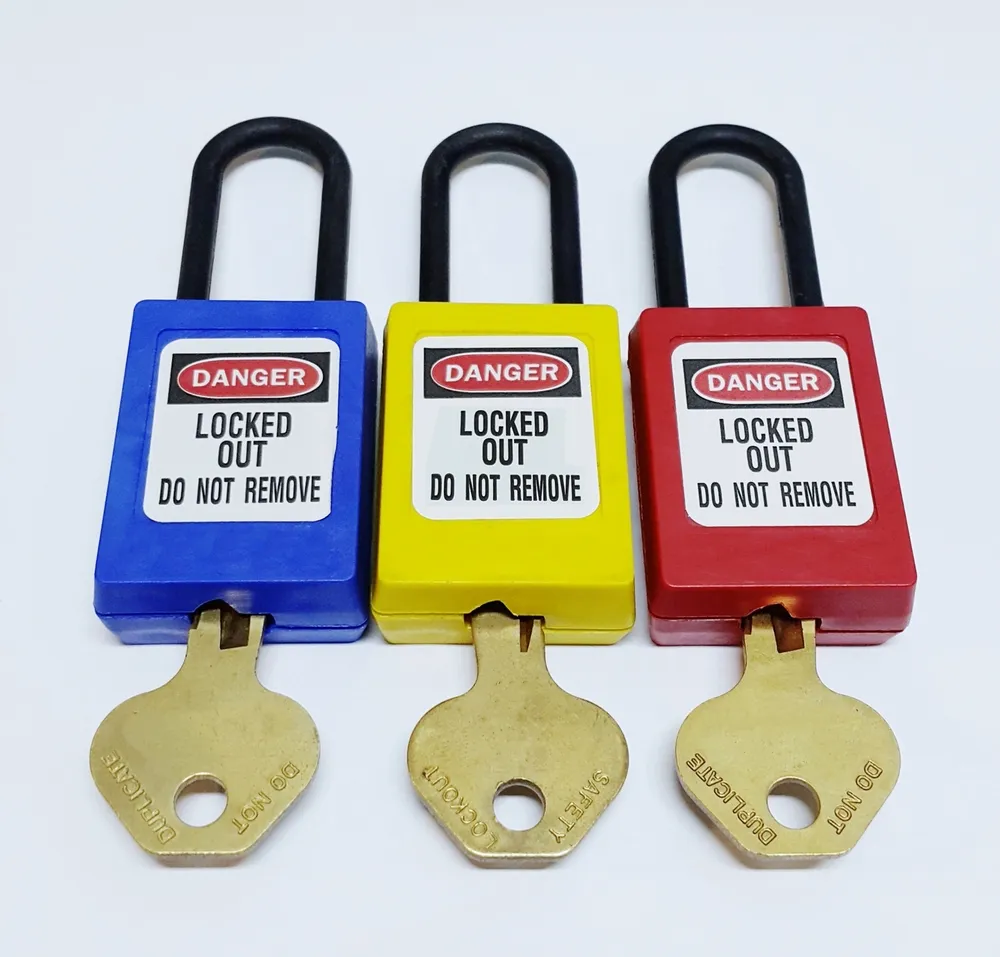
Struggling to put those all-important Lockout Tagout (LOTO) safety protocols into action at your workspace? Mate, we’ve walked that road and know it’s a bit of a rough patch. Understanding this common hurdle, we’ve taken a fair dinkum deep dive into the subject.
This article fires up examples of successful Lockout Tagout execution, offering some top-notch insights to navigate past these sticking points. Come on and take the plunge with us – discover how these real-life case studies can help make your workspace not only safer but also more compliant.
Key Takeaways
- Successful LOTO implementation is crucial for preventing workplace accidents and minimising downtime.
- Key components of LOTO include lockout procedures, tagout systems, and comprehensive training programs.
- Benefits of LOTO implementation include accident prevention, compliance with regulations, and improved productivity.
- Challenges in LOTO execution include training and awareness, dealing with complex machinery, and ensuring employee cooperation.
Importance of LOTO Implementation
Understanding Lockout Tagout (LOTO) is crucial in ensuring workplace safety. LOTO implementation plays a vital role in preventing accidents and minimising downtime. It involves key components such as lockout procedures, tagout systems, and hazardous energy control measures.
Compliance with regulations and employee cooperation are essential for successful LOTO execution. By implementing best practices like comprehensive training programs, clear communication, and regular equipment audits, organisations can achieve effective LOTO implementation and reduce the risk of workplace incidents.
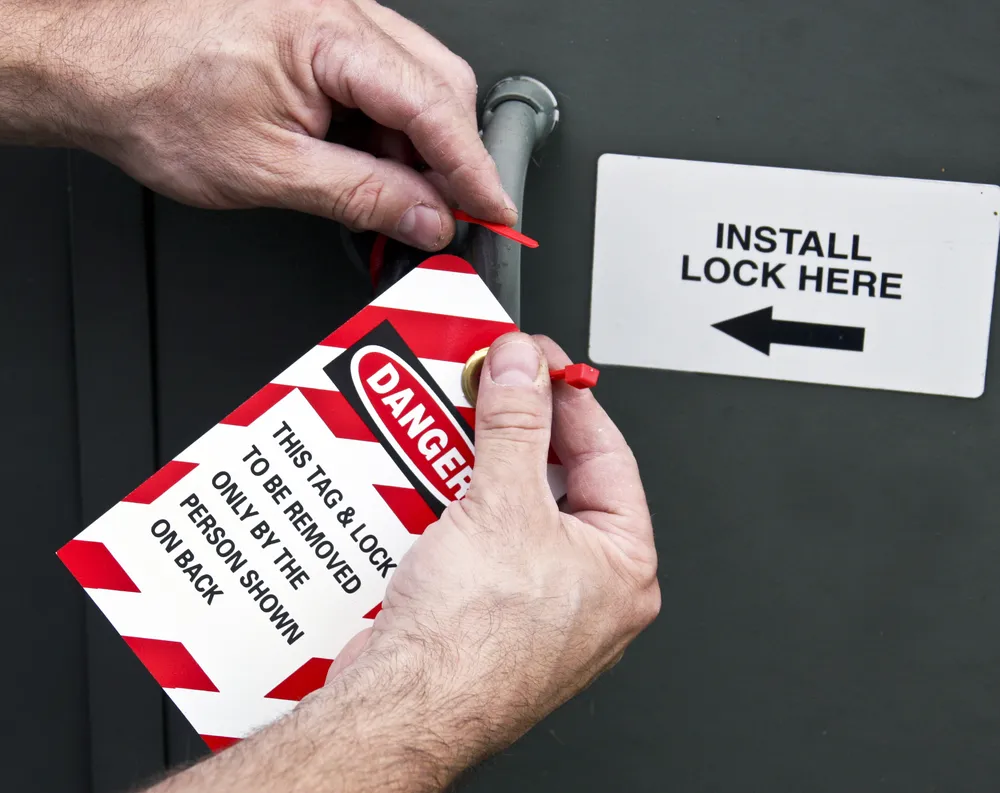
Understanding Lockout Tagout (LOTO)
Lockout Tagout, commonly known as LOTO, involves controlling hazardous energies in the workplace. It’s a safety practice that safeguards workers from the unexpected energisation or start-up of machinery and equipment during maintenance or servicing work.
Injuries such as burns, crushing, cutting, lacerating or fracturing body parts are minimised with successful LOTO implementation. We follow specific procedures to ensure all energy sources are adequately isolated and cannot be re-energised until work is complete on that machine.
A lock is used to secure the device in an off position while a tag provides additional information about why it’s locked out. This method complies with OSHA regulations and helps prevent serious incidents like industrial accidents, hence its crucial importance for our safety at home too.
Key Components of LOTO
The key components of LOTO (Lockout Tagout) include lockout procedures and a tagout system. Lockout procedures involve isolating hazardous energy sources to ensure the safety of workers during repairs or maintenance.
This typically involves using locks to secure equipment and machinery, preventing accidental startup. The tagout system complements lockout procedures by providing clear visual warnings with tags attached to locked-out equipment.
This helps communicate that the equipment should not be operated. By implementing these key components, homeowners can take preventive measures to protect themselves from accidents related to hazardous energy in their homes.
Another important component of LOTO is documentation. It is essential to keep detailed records of all lockouts and tagouts performed, including the dates, personnel involved, and specific equipment affected.
Proper documentation ensures accountability and allows for effective tracking and auditing of lockout/tagout activities.
Implementing a comprehensive training program is also crucial for successful LOTO implementation at home. Homeowners should provide thorough training sessions for all individuals who may need to perform lockouts/tagouts, ensuring they understand the proper procedures and how to use relevant tools effectively.
Adequate employee training plays a significant role in mitigating risks associated with hazardous energy incidents.
Benefits of LOTO Implementation
Implementing LOTO procedures brings numerous benefits to the workplace, including accident prevention, compliance with regulations, and minimising downtime.
Preventing Accidents
Preventing accidents is a crucial aspect of workplace safety, and implementing LOTO procedures plays a significant role in achieving this goal. By properly locking out hazardous energy sources, such as machinery or electrical systems, potential accidents can be effectively mitigated.
Studies have shown that companies that prioritise LOTO implementation experience a reduction in workplace incidents and injuries. This preventive measure not only safeguards employees but also ensures compliance with safety regulations.
With comprehensive training programs and clear communication, companies can create a safe work environment where accidents are prevented through proactive measures.
Compliance with Regulations
Complying with regulations is a crucial aspect of implementing LOTO procedures in the workplace. Following these regulations ensures that your business meets safety standards and avoids costly penalties.
By adhering to OSHA regulations, you protect your employees from potential hazards and minimise the risk of accidents. It’s important to stay up-to-date with any changes in safety protocols and make sure your lockout tagout system is regularly audited for compliance.
Remember, complying with regulations is not only about avoiding fines but also about prioritising the well-being of your employees and creating a safe work environment.
Minimising Downtime
Minimising downtime is a crucial benefit of implementing LOTO procedures in the workplace. By effectively using lockout and tagout systems, companies can reduce the time lost due to accidents or equipment failures.
This means fewer disruptions to daily operations and improved productivity overall.
Implementing LOTO procedures helps prevent unexpected incidents that could lead to extended periods of downtime. By properly isolating hazardous energy sources, employees are protected from potential injuries and accidents.
Preventive measures like locking and tagging machinery during repairs or maintenance ensure that employees can work safely without worrying about unexpected startup or release of energy.
Compliance with LOTO regulations also plays a significant role in minimising downtime. Following safety protocols and adhering to OSHA regulations help companies avoid costly fines and legal issues, which can result in additional time wasted on resolving non-compliance matters.

Challenges in LOTO Execution
– Training and awareness of LOTO procedures pose a significant challenge in its execution, as employees need to fully understand and follow the necessary safety protocols.
Training and Awareness
Training and awareness are crucial components of a successful LOTO implementation. By providing comprehensive training programs, employees can gain the knowledge and skills necessary to effectively execute lockout procedures.
Regular training sessions ensure that everyone understands the importance of following safety protocols and how to properly identify and control hazardous energy sources. Additionally, creating a culture of awareness will help foster employee cooperation and encourage active participation in LOTO practices.
With proper training and increased awareness, workplace incidents can be significantly reduced, promoting a safer work environment for all.
Complex Machinery
Implementing LOTO procedures can be particularly challenging when dealing with complex machinery. These machines often have multiple energy sources that need to be controlled, making it essential for employees to understand and follow lockout and tagout protocols.
Failure to properly isolate hazardous energy can lead to serious accidents and injuries. However, by providing comprehensive training programs and clear communication about the specific lockout procedures for each piece of equipment, companies can effectively mitigate risks associated with complex machinery.
Regular equipment audits also play a crucial role in ensuring that all necessary steps are being taken to safeguard employee safety.
Employee Cooperation
Employee cooperation is a crucial factor in the successful implementation of LOTO procedures. When employees actively participate and follow safety protocols, it greatly reduces the risk of workplace accidents and injuries.
Additionally, by cooperating with lockout tagout measures, employees contribute to a culture of safety within the organisation.
Remember, employee cooperation involves understanding and adhering to the lockout tagout procedures outlined by management. This includes properly isolating energy sources, applying locks and tags to machinery or equipment, and following all established safety guidelines.
By doing so, employees play an active role in preventing incidents related to hazardous energy.
Moreover, effective communication between management and employees is essential for ensuring cooperation. Regular training programs can help educate workers about the importance of LOTO implementation and create awareness about potential dangers in their work environment.
Best Practices for Effective LOTO
Implementing comprehensive training programs, maintaining clear communication, and conducting regular equipment audits are essential for effective LOTO implementation. Discover these best practices to ensure the safety of your employees and minimise workplace incidents.
Comprehensive Training Programs
Comprehensive training programs are a crucial element of successful LOTO implementation. These programs provide employees with the knowledge and skills they need to effectively use lockout tagout procedures.
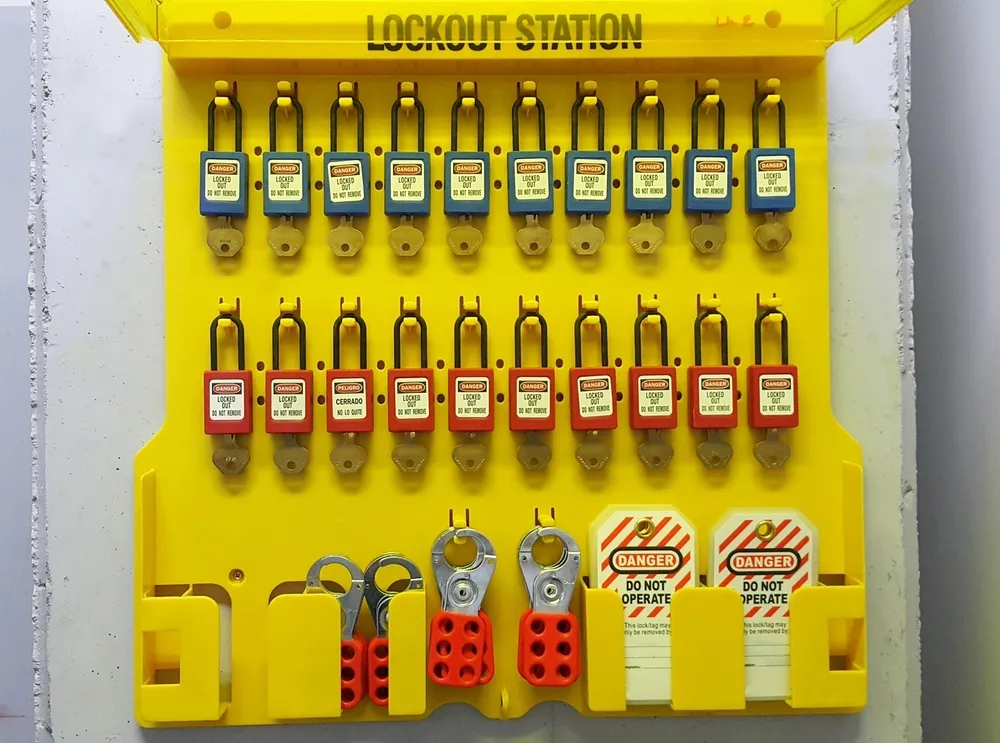
Through hands-on training and interactive sessions, employees learn how to identify hazardous energy sources, isolate equipment, and apply lockout devices correctly. Training also covers key concepts such as risk assessment, hazard identification, and compliance with safety regulations.
By equipping workers with the necessary tools and knowledge, comprehensive training programs ensure that LOTO is implemented consistently and accurately throughout the workplace. With well-trained staff members, companies can minimise accidents, improve employee safety, and maintain compliance with OSHA regulations.
Clear Communication
Clear communication is crucial for the successful implementation of LOTO procedures. It ensures that all employees understand and follow the lockout and tagout system correctly, minimising the risk of workplace accidents.
By clearly conveying information about energy control, hazardous energy sources, and safety protocols, companies can prevent incidents and protect employee safety. Clear communication also includes documentation such as blanking and tagging procedures for pipeline repairs or equipment maintenance.
With a well-established lock and key plan in place, businesses can maintain compliance with safety regulations while effectively mitigating risks through open and transparent communication channels.
Regular Equipment Audits
Regular equipment audits play a crucial role in maintaining workplace safety and preventing accidents. By conducting routine inspections of machinery and equipment, companies can identify potential hazards, ensure proper functioning, and address any maintenance issues promptly.
These audits help to minimise the risk of workplace incidents by identifying faulty equipment, worn-out components, or inadequate safety measures. In addition to protecting employees from harm, regular equipment audits also ensure compliance with safety regulations and demonstrate a commitment to creating a safe working environment for everyone.
So remember, scheduling regular equipment audits is an essential part of any effective lockout tagout (LOTO) implementation strategy.
Equipment audits are not just about ticking boxes but actively assessing the state of your machinery. They provide an opportunity to evaluate the effectiveness of your LOTO procedures and make necessary revisions if needed.
By regularly reviewing your lockout procedures and verifying that all required tags and locks are correctly used according to the established protocols, you can identify potential areas for improvement or additional training needs within your organisation.
LOTO Success Stories
– Industry Examples: We will highlight real-life stories of companies that have successfully implemented LOTO procedures, showcasing their strategies and the positive outcomes they achieved.
– Accident Prevention Outcomes: These success stories will focus on how LOTO implementation has led to a significant reduction in workplace accidents and injuries, emphasising the importance of prioritising employee safety.
Industry Examples
We have seen numerous examples of successful LOTO implementation across various industries. One such example is in the oil and gas sector, where strict lockout procedures are followed during pipeline repairs.
By implementing a comprehensive lock and key plan, workers can safely isolate hazardous energy sources, reducing the risk of accidents. Another industry that has successfully implemented LOTO is the manufacturing sector.
Companies have developed effective safety protocols and provided extensive employee training to ensure compliance with regulations and prevent workplace incidents. These success stories highlight the importance of LOTO in maintaining workplace safety and protecting employees from potential hazards.
Accident Prevention Outcomes
Implementing LOTO procedures in the workplace has proven to be highly effective in preventing accidents and promoting employee safety. By properly controlling hazardous energy and implementing safety protocols, companies have seen a significant reduction in workplace incidents.
This not only ensures the well-being of employees but also helps to comply with safety regulations set by organisations like OSHA. Through risk mitigation and the implementation of preventive measures, LOTO plays a crucial role in maintaining a safe working environment for everyone involved.
So when it comes to accident prevention, LOTO is an essential tool that every homeowner should consider implementing.
Efficiency and Safety for Your Space
In conclusion, case studies of successful LOTO implementation demonstrate the importance and effectiveness of lockout tagout procedures in preventing workplace accidents. By following best practices, companies can ensure compliance with regulations, minimise downtime, and prioritise employee safety.
These success stories serve as valuable examples for organisations looking to improve their safety protocols and mitigate risks associated with hazardous energy.
Prepare for the unexpected with the Tag Out System! When it comes to emergency response in tag-out systems, every second counts. Our cutting-edge technology and expert guidance are here to ensure that your team can respond swiftly and effectively in crisis situations. Don’t leave safety to chance – trust Tag Out System to equip your workforce with the tools and knowledge they need to handle emergencies with precision. Discover peace of mind and bolster your emergency preparedness. Contact us today to learn more about how we can empower your team and keep your workplace safe!