
LockOut Equipment · 23 October 2023
Case Studies Demonstrating Effective Use of Lockout Equipment
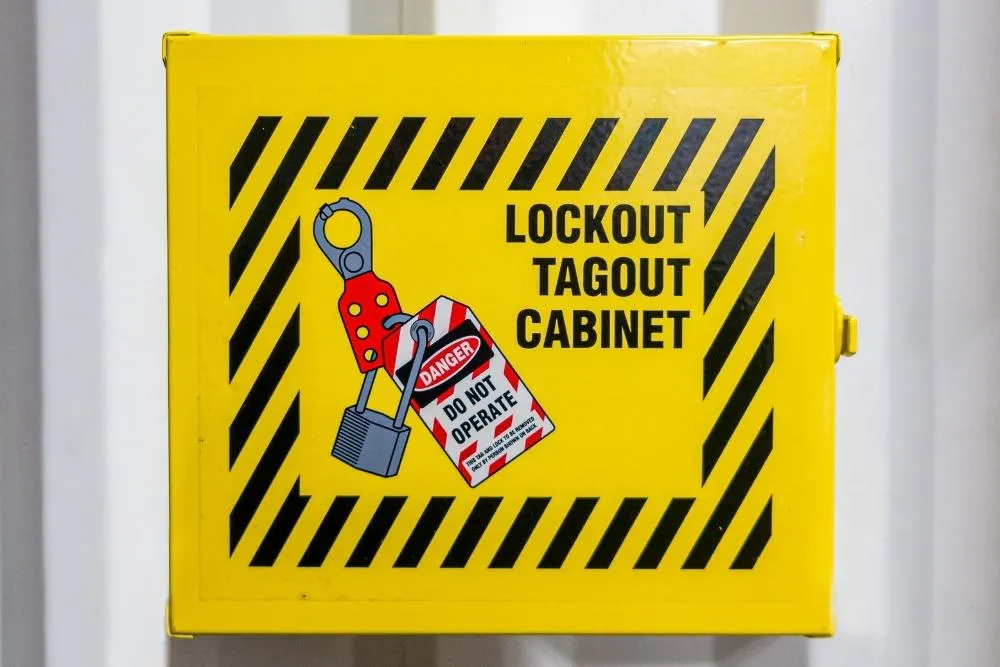
You probably know as well as the next bloke just how crucial safety is, right? Especially when you’re dealing with mighty machinery. We’ve been in those same boots mate and found that lockout equipment is a real game-changer when it comes to keeping things safe and secure at work.
This article is going to walk you through some ripper case studies showing exactly how lockout equipment can side-step accidents and boost overall workplace safety. So stick around cobber, we’re about to unfold some true-blue success stories!
Key Takeaways
- Lockout Tagout (LOTO) is a safety procedure that isolates and de-energises equipment to prevent accidents during maintenance or repair work.
- Implementing LOTO can prevent accidents, comply with regulations, and minimise downtime in the workplace.
- Challenges in LOTO execution include the need for training and awareness, dealing with complex machinery, and ensuring employee cooperation.
- Best practices for effective LOTO include comprehensive training programs, clear communication, and regular equipment audits.
Understanding Lockout Tagout (LOTO)
Lockout Tagout (LOTO) is a critical safety procedure used to protect workers from hazardous energy sources during maintenance or repair work. It involves isolating and de-energising equipment and then securing it with lockout devices and tags to prevent accidental startup.
Definition and purpose
Lockout Tag Out, commonly known as LOTO, is a safety protocol developed to safeguard us from the unintentional operation of machinery or equipment. It’s all about isolating and de-energising certain parts of machinery to keep everyone out of harm’s way.
While lockout serves as a positive restraint that stops any mechanical movement, tagout acts as a warning device by alerting others not to restart the device accidentally. Our goal in utilising this system is not only to prevent accidents but also to enhance productivity by minimising shutdown times during equipment maintenance or repair.
Components of LOTO
To implement an effective lockout Tagout (LOTO) program, it’s important to understand the components involved. The key elements of LOTO include lockout devices, tagout devices, and energy isolation procedures.
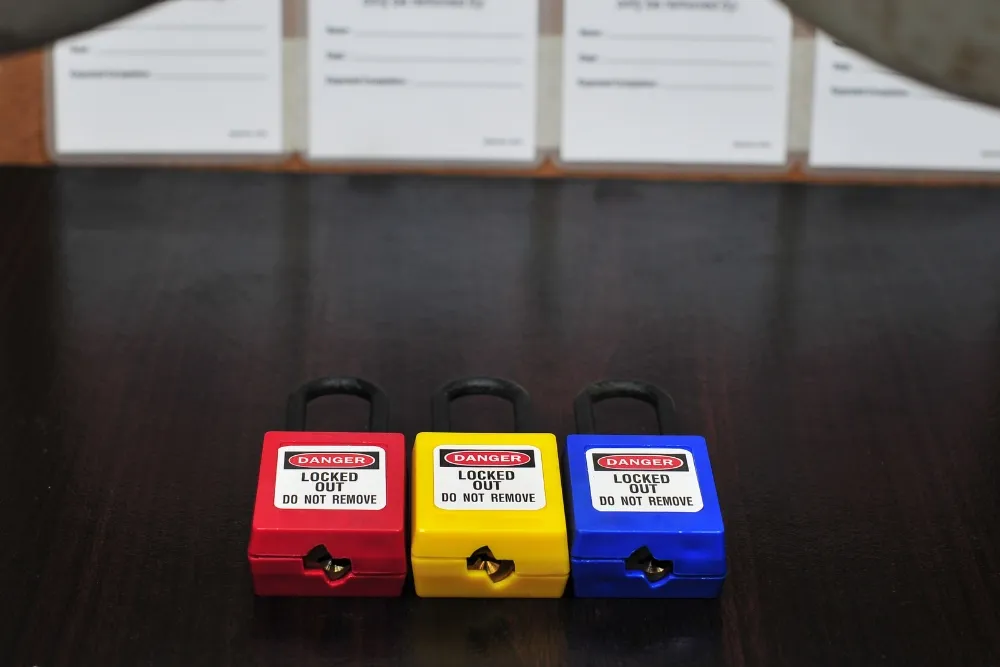
Lockout devices, such as padlocks or hasps, are used to physically prevent the operation of machinery or equipment. These devices ensure that machines remain inoperative while maintenance or repairs are being conducted.
Tagout devices, on the other hand, provide a warning system with information about who is working on the equipment and why it is out of service. They complement lockout devices by providing additional visibility and communication during maintenance activities.
Energy isolation procedures involve de-energising and isolating specific sources of energy before any work is performed on the machinery or equipment. This step ensures that all hazardous energy sources are properly controlled and prevented from causing harm to employees.
Examples of energy isolation methods can include shutting off power supplies, blocking hydraulic lines, or closing valves.
Importance of LOTO Implementation
LOTO is crucial for preventing accidents, complying with regulations, and minimising downtime.
Preventing accidents
Implementing an effective lockout program is crucial in preventing accidents and ensuring the safety of workers.
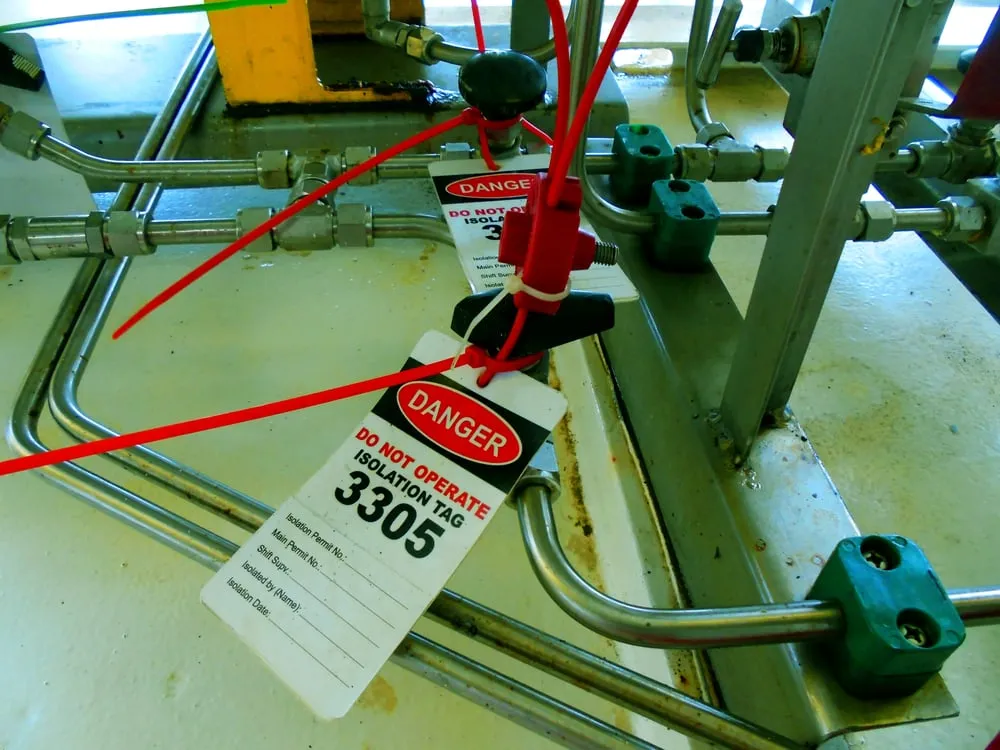
Lockout Tag Out (LOTO) procedures are designed to protect employees from unexpected equipment startup, reducing the risk of injuries and fatalities.
By using lockouts to isolate and de-energise machinery, potential hazards can be eliminated, providing a safer workplace environment. Advanced lockout padlocks have been successfully implemented across various industries, leading to improved safety outcomes.
Proper training on LOTO procedures and regular inspections can further enhance accident prevention efforts.
Compliance with regulations
Complying with regulations is an essential aspect of implementing a successful lockout/tagout (LOTO) program. Following the guidelines set by regulatory bodies, such as OSHA, ensures that your lockout procedures are up to standard and provide maximum safety for you and your workers.
By adhering to these regulations, you demonstrate your commitment to maintaining a safe workplace environment and preventing accidents. It’s important to stay updated on any changes or updates in regulations related to LOTO so that you can continuously improve the effectiveness of your lockout equipment and procedures.
Minimising downtime
Minimising downtime is a crucial aspect of implementing an effective lockout program. By following proper lockout tagout procedures and using the right lockout equipment, you can significantly reduce the amount of time your machinery or equipment is out of service.
This helps to ensure that your operations run smoothly and efficiently, without unnecessary interruptions caused by accidents or malfunctions. With the right training and protocols in place, you can minimise downtime and keep your workplace safe for both employees and machinery.
So make sure to invest in comprehensive lockout tagout training programs and conduct regular equipment audits to identify any potential issues before they cause significant disruptions.
In addition to preventing accidents, compliance with lockout regulations also plays a key role in minimising downtime. By adhering to OSHA guidelines for energy isolation procedures, shutdown procedures, and group lockouts, you are taking proactive measures to protect your workforce while also reducing the risk of unexpected machine startup or malfunction.
These regulations provide clear instructions on how to safely isolate and de-energise parts of machinery during maintenance or repair work, ensuring that everyone involved remains safe throughout the process.
Challenges in LOTO Execution
The challenges in LOTO execution include the need for training and awareness, dealing with complex machinery, and ensuring employee cooperation.
Training and Awareness
Implementing an effective lockout program requires proper training and awareness. By ensuring that all employees receive comprehensive lockout/tagout training, you can greatly reduce the risk of workplace accidents.
This training will educate workers on the importance of following lockout procedures, identifying energy sources, and using lockout equipment correctly. Additionally, regular safety audits should be conducted to ensure that employees are aware of potential hazards and know how to mitigate them.
With the right training and a culture of awareness in place, you can create a safer workplace for everyone involved.
Dealing with complex machinery
When it comes to dealing with complex machinery, implementing lockout/tagout procedures becomes even more crucial. Complex machinery often involves intricate systems and multiple energy sources, which can pose significant risks to workers if not properly isolated and de-energised.
By following lockout/tagout protocols, homeowners can ensure that all necessary steps are taken to safely shut down and isolate the various components of the machinery. This includes identifying all energy sources, using appropriate lockout equipment such as padlocks and tags, and strictly adhering to the established procedures for shutdown and isolation.
Taking these proactive measures will help minimise accidents and protect both individuals operating the machinery as well as those in close proximity. Remember that safety should always be a priority when dealing with complex machinery in any home setting.
Employee cooperation
To ensure the successful implementation of a lockout/tagout program, employee cooperation is crucial. When all employees actively participate and follow the lockout procedures, it significantly reduces the risk of accidents in the workplace.
Employees should understand the importance of lockouts and be trained on how to properly use lockout equipment. By cooperating with these safety protocols, workers contribute to creating a safer work environment for themselves and their colleagues.
When employees demonstrate cooperation by following lockout procedures, they help prevent unexpected machinery startup and minimise the potential for accidents or injuries. It’s important that employees communicate effectively with each other when working on locked-out equipment and respect each other’s safety measures.
By doing so, they contribute to a culture of safety in which everyone understands their role in protecting themselves and others from harm.
Employee cooperation also helps businesses comply with OSHA regulations regarding lockout/tagout procedures. By actively participating in training programs and adhering to proper practices, employees contribute to maintaining a safe workplace that meets regulatory requirements while minimising downtime due to accidents or non-compliance.
Best Practices for Effective LOTO
To ensure the successful implementation of Lockout Tagout (LOTO), it is essential to follow best practices. These include comprehensive training programs, clear communication, and regular equipment audits. By adopting these practices, you can minimise accidents and downtime in your workplace.
Comprehensive training programs
We believe that comprehensive training programs are crucial for effective lockout/tagout implementation. These programs educate employees on proper procedures and equip them with the knowledge to confidently use lockout equipment.
Training covers topics such as identifying energy sources, understanding isolation procedures, and using lockout devices correctly. By providing thorough training, employers ensure that their workers have the skills to safely isolate and de-energise machinery, preventing accidents in the workplace.
In addition, ongoing training and refresher courses help reinforce these practices and keep employees up-to-date with any changes or advancements in lockout/tagout protocols.
Clear communication
To ensure the effective implementation of a lockout program, clear communication is essential. This involves providing employees with straightforward instructions and guidelines on how to properly use lockout equipment.
By clearly communicating the procedures for isolating and de-energising machinery, workers can better understand and follow safety protocols. Clear communication also helps create a shared understanding among team members, improving overall coordination and efficiency.
It is important to emphasise the importance of open lines of communication between management and employees to maintain a safe workplace environment.
Regular equipment audits
Regular equipment audits are a crucial aspect of maintaining workplace safety when it comes to lockout/tagout procedures. By conducting regular audits, homeowners can ensure that their lockout equipment is in proper working condition and meets all necessary safety standards.
These audits help identify any potential issues or defects in the equipment, allowing for timely repairs or replacements. Additionally, regular audits provide an opportunity to assess employee compliance with lockout/tagout protocols and identify areas where additional training may be needed.
By regularly reviewing and auditing their lockout equipment, homeowners can minimise the risk of accidents and ensure a safe working environment for everyone involved.
Case Studies of Successful LOTO Implementation
In this section, we will explore real-life examples of how lockout equipment has been effectively used in various industries to prevent accidents and promote workplace safety.
Industry examples
In various industries, lockout/tagout procedures have been successfully implemented to improve workplace safety. For example, in the manufacturing sector, companies have used lockouts to isolate and de-energise machinery during maintenance or repair work.
This has significantly reduced the risk of accidents caused by unexpected machine startup. Similarly, in the construction industry, lockouts have been employed on large equipment such as cranes and excavators to ensure worker safety while performing maintenance tasks.
These industry examples demonstrate how the effective use of lockout equipment can prevent accidents and protect employees from harm.
Accident prevention outcomes
Implementing effective lockout procedures can greatly reduce the risk of accidents in the workplace. By isolating and de-energising machinery through lockouts, workers are protected from unexpected startup and potential injuries.
Case studies have shown that when proper lockout procedures are followed, accident rates decrease significantly. This not only improves safety outcomes but also minimises downtime and ensures a more efficient work environment.
Through comprehensive training programs and regular equipment audits, businesses can achieve successful accident prevention outcomes and create a safer workplace for everyone involved.
Efficiency and safety benefits
Implementing a proper lockout program in your home can bring significant efficiency and safety benefits. By using lockout equipment, you can ensure that machinery or equipment is properly isolated and de-energised, reducing the risk of unexpected startup.
This not only protects you from accidents but also minimises downtime by preventing damage to the equipment. Advanced lockout padlocks have been successfully implemented in various industries, leading to improved safety outcomes.
Additionally, following lockout/tagout procedures can help you comply with regulations and avoid costly penalties. Investing in comprehensive lockout training programs and conducting regular equipment audits will further enhance efficiency and safety in your home.
In conclusion, implementing effective LOTO procedures brings about efficiency by minimising downtime caused by accidents while ensuring the safety of individuals working with machinery or equipment.
Know the Use of Lockout Equipment
In conclusion, case studies showcasing the effective use of lockout equipment demonstrate the importance of implementing proper safety protocols. These real-life examples highlight how lockout/tagout procedures can prevent accidents and improve efficiency in the workplace.
By investing in comprehensive training programs and regularly auditing equipment, businesses can ensure safe operations and compliance with regulations. Lockout equipment plays a crucial role in achieving a safer work environment, reducing downtime, and protecting employees from potential hazards.