
LockOut Equipment · 12 March 2024
Auditing and Assessments for Tag Out Procedures

Ensuring our machines are safe as houses at work can sometimes feel like a bit of a sticky wicket. We’ve all felt the pinch when grappling with lockout/tagout routines. After digging deep and doing our homework, we’ve unearthed some top-notch steps that take the guesswork out of the process and guarantee safety on the job.
Key Takeaways
- Regular audits and assessments of lockout/tagout procedures are vital to ensure workplace safety and compliance with regulations.
- Employing specific tools like locks, tags, kits, and devices is essential for effective lockout/tagout procedures that prevent accidental machine startups during maintenance.
- Evaluating employees’ knowledge and compliance with lockout/tagout protocols helps identify areas for improvement, ensuring everyone understands how to operate safely.
- Utilising resources like Brady’s experts and software can streamline the auditing process, making it easier to comply with OSHA’s periodic inspection requirements.
- Keeping documentation up-to-date and regularly reviewing procedures ensures that all safety measures align with current industry standards.
Understanding Lockout/Tagout Procedures
Understanding Lockout/Tagout Procedures involves knowing the differences between “Lockout/Tagout” and “Tagout Only,” and knowing when to use each procedure. Understanding these procedures helps ensure workplace safety.
Definition of Lockout/Tagout
Lockout/Tagout refers to specific practices and procedures safeguarding employees from the unexpected startup of machinery and equipment, or the release of hazardous energy during service or maintenance activities.
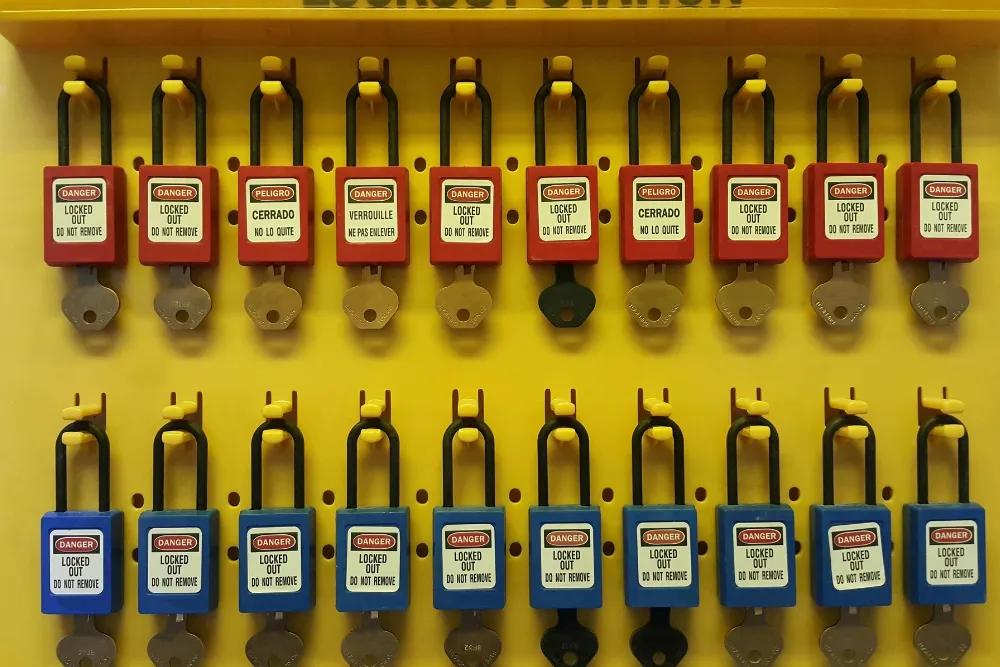
These methods involve placing a lock or tag on an energy-isolating device, ensuring that the equipment being controlled can’t be used until the lockout device is removed.
This process is a critical component of workplace safety, especially in industries dealing with heavy machinery or electrical systems. By implementing lockout/tagout procedures, businesses protect their workers from potential injuries caused by uncontrolled releases of energy.
It’s all about keeping everyone safe while maintaining and servicing equipment – quite straightforward but profoundly vital for reducing workplace accidents.
Difference between Lockout/Tagout and Tagout Only
Lockout/Tagout involves physically locking energy-isolating devices to prevent machines or equipment from being turned on while maintenance or servicing work is being performed. Tagout Only, on the other hand, only uses tags to warn others not to operate the equipment.
Lockout/Tagout ensures a higher level of protection as it prevents accidental energisation of machinery during maintenance, while Tagout Only may not provide physical prevention and can be easily removed.
The decision between Lockout/Tagout and Tagout Only depends on the potential risks involved in servicing or maintaining the machinery, as well as compliance with safety regulations.
When to use Lockout/Tagout or Tagout Only
When transitioning from understanding the difference between Lockout/Tagout and Tagout Only procedures, it’s crucial to determine when to use Lockout/Tagout or Tagout Only based on specific scenarios. This decision can be guided by the following considerations:
- Equipment Complexity: When dealing with complex machinery that requires complete isolation from energy sources, Lockout/Tagout procedures should be employed to ensure a comprehensive safety protocol.
- Routine Maintenance: Tagout Only may be suitable for situations involving simple servicing or maintenance that does not necessitate complete energy isolation.
- Worker Safety: Utilise Lockout/Tagout when employees are exposed to high-risk situations or when multiple workers are involved in maintenance tasks.
- Energy Sources: For equipment powered by multiple energy sources, Lockout/Tagout is essential to ensure all potential hazards are effectively controlled.
- Clear Communication: Tagout Only can be used for operations where clear communication is maintained about the status of equipment and its servicing needs, without the need for complete electrical isolation.
- Equipment Specificity: Differentiate between lockable and taggable devices, choosing Lockout/Tagout for lockable devices and Tagout Only for taggable devices.
- Job Duration: For short-duration jobs involving minor repairs or adjustments where full disconnection isn’t required, Tagout Only may suffice.
- Supervision Levels: In cases where direct supervision is possible during work on machines or equipment, Tagout Only may be a suitable option.
Importance of Auditing and Assessments for Lockout/Tagout Procedures
Conducting regular audits and assessments for lockout/tagout procedures is crucial. It ensures the effectiveness of the program and helps in complying with safety regulations.
Ensuring program effectiveness
To ensure programme effectiveness, we regularly review and evaluate our lockout/tagout procedures. This involves conducting safety audits, equipment inspections, and risk assessments to identify any gaps or areas for improvement.
By staying proactive in our compliance assessment and machinery safety evaluations, we can enhance plant safety and maintain OHS compliance. Our focus is on continuously improving our lockout/tagout programme to keep our work procedures safe and in line with regulatory requirements.
We also invest in ongoing safety training for employees to ensure they understand the importance of adhering to lockout/tagout procedures. This tailored approach not only underpins our commitment to machinery safety but also demonstrates that we are seeking more than just minimal compliance – we are aiming for a robust culture of workplace safety across all aspects of the organisation.
Complying with regulations
Maintaining compliance with lockout/tagout regulations is crucial for ensuring the safety of employees and avoiding hefty penalties. Regular safety inspections, equipment assessments, and maintenance audits are essential to verify that lockout/tagout procedures align with OSHA’s requirements.
It’s imperative to conduct regulatory compliance audits to ensure that tagging procedures and operational reviews meet the necessary standards. By doing so, homeowners and business owners can rest assured that their lockout/tagout programs adhere to all applicable regulations.
Conducting periodic regulatory compliance audits ensures that your lockout/tagout procedures are up-to-date and aligned with industry best practices. Assessments should include evaluating employee competency, reviewing machine-specific procedures, and conducting work procedure evaluations.
Steps for Conducting an Annual Lockout/Tagout Audit
Assessing overall program and policy compliance, evaluating employees’ knowledge and compliance, and reviewing procedures and documentation form a vital part of the annual lockout/tagout audit.
This annual check ensures that all aspects of the lockout/tagout procedures are thoroughly evaluated to guarantee safety and regulatory compliance.
Reviewing procedures and documentation
When reviewing procedures and documentation, it is crucial to carefully assess the accuracy and completeness of all lockout/tagout protocols. Make sure to thoroughly review step-by-step processes for locking and tagging out machinery, including machine-specific procedures.
Check that documentation is up-to-date, easily accessible, and clearly outlines the necessary steps for implementing lockout/tagout procedures. Regularly updating these materials helps maintain a safe environment for everyone involved in operating or maintaining equipment.
Additionally, we need to ensure that all employees are trained on the updated procedures and have access to the latest documentation. It’s important to regularly review these materials as part of our commitment to workplace safety.
Evaluating employees’ knowledge and compliance
After reviewing procedures and documentation, the next crucial step is evaluating employees’ knowledge and compliance with lockout/tagout protocols. It is essential to ensure that your team understands the procedures and follows them meticulously to maintain a safe work environment.
By regularly assessing employees’ comprehension and adherence to lockout/tagout measures, you can identify any gaps in understanding or areas needing improvement. This evaluation not only ensures that everyone is up to date with safety protocols but also underpins a culture of safety awareness within your organisation.
Conducting regular evaluations of employees’ knowledge and compliance contributes towards creating a safer workplace for everyone involved. It empowers employees with the necessary information to keep themselves and their colleagues safe while operating machinery and equipment.
Assessing overall program and policy compliance
We evaluate the complete program and policy compliance to ensure adherence to regulations and safety standards. We review lockout/tagout procedures and documentation, ensuring they meet all requirements.
Evaluating employees’ understanding of these procedures is critical for maintaining a safe work environment. All aspects of our program are rigorously assessed to guarantee full compliance with regulations.
To further enhance your understanding, we can share insights into compliance checks when it comes to lockout tag-out regulation assessments and tagging system evaluations. These strategies will help you stay on top of your safety game whilst saving time!
Compliance with OSHA’s Periodic Inspection Requirement
Complying with OSHA’s Periodic Inspection Requirement ensures that machine-specific lockout/tagout procedures are regularly inspected and assessed for adequacy. To learn more about the importance of compliance, read on.
Procedure adequacy inspection
Inspecting the adequacy of lockout/tagout procedures is crucial in ensuring the safety of your employees and compliance with regulations. As business owners, we need to regularly assess whether our procedures align with HSE standards and industry best practices.
This involves a thorough examination of each procedure to determine if it provides clear instructions for isolating energy sources effectively and safely. We also need to review if the procedures consider all potential hazards associated with specific equipment or machinery.
By conducting these inspections, we can identify any shortcomings in our lockout/tagout processes and take necessary steps to rectify them, ultimately creating a safer work environment for everyone involved.
As home or business owners, it is essential that our inspection process evaluates the effectiveness and practicality of our lockout/tagout procedures under real working conditions.
This means observing how employees apply these procedures in their day-to-day tasks and identifying any areas where they may not fully comprehend or follow the established protocols.
Employee competency review
When reviewing employee competency for lockout/tagout procedures, it is crucial to ensure that all employees understand the specific steps and requirements. Assessing their knowledge and compliance with the established lockout/tagout programme is essential for maintaining a safe work environment.
This review helps identify any gaps in understanding or areas that may need reinforcement, allowing businesses to address training needs effectively.
Regularly evaluating employee competency ensures that everyone understands how to implement proper lockout/tagout procedures when working with machines or equipment. It also contributes to overall programme effectiveness and adherence to relevant regulations.
By actively involving employees in this process, businesses can continuously improve safety measures and minimise potential hazards in the workplace.
Exceptions and ways to save time
To streamline the process, consider utilising digital tools for documentation and record-keeping to save time during Lockout/Tagout audits. Additionally, implementing clear and concise lockout/tagout procedures can help employees quickly understand and comply with the protocols without spending excess time deciphering complex instructions.
Moreover, providing regular training sessions and creating accessible resources can enhance employee competency while saving time in the long run.
Consider incorporating visual aids such as instructional videos or infographics that effectively convey lockout/tagout procedures to save valuable time on explanations. Furthermore, establishing a designated team responsible for overseeing compliance with lockout/tagout regulations can expedite auditing processes by ensuring continuous monitoring throughout the year rather than conducting one large assessment annually.
Resources and Tools for Conducting Audits and Assessments
When it comes to auditing and assessments, we have a range of resources and tools available to help conduct thorough evaluations. Utilise experts and software from Brady for in-depth insights into lockout/tagout procedures.
We also offer locks, tags, kits, and devices designed to enhance your compliance with relevant resources and aligned policies/regulations.

Experts and software from Brady
Brady offers expert guidance and software to streamline your lockout/tagout auditing process. Their comprehensive solutions help home and business owners ensure compliance with regulations, assess programme effectiveness, review procedures, and evaluate employee knowledge and compliance.
With Brady’s resources, you can confidently conduct annual audits and meet HSE’s periodic inspection requirements.
Their specialised tools are designed to enhance lockout/tagout procedures by providing tailored resources aligned with relevant policies and regulations. Whether it’s locks, tags, kits, devices or software, Brady equips you with everything needed for a robust auditing process that underpins safety and regulatory compliance.
Locks, tags, kits, and devices for lockout/tagout procedures
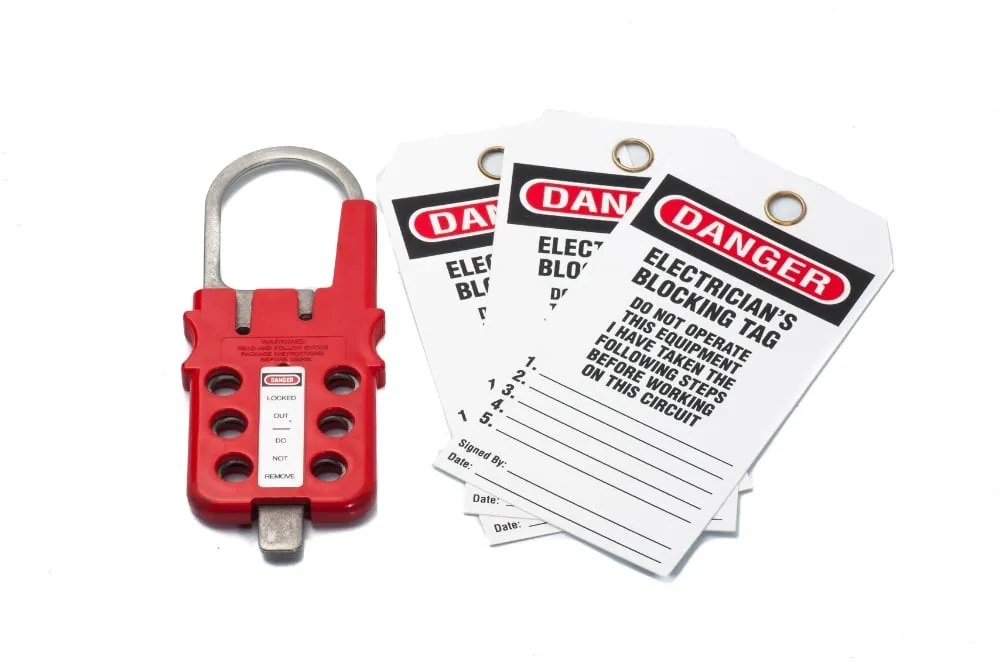
Lockout/tagout procedures require specific locks, tags, kits, and devices to effectively isolate energy sources and prevent the accidental start-up of machinery. These tools help in securely locking out equipment during maintenance or repairs, ensuring the safety of workers.
Locks are used to physically secure the machinery, while tags provide a clear indication that the equipment is undergoing maintenance. Additionally, lockout/tagout kits contain all necessary devices for isolation and ensure compliance with regulations.
Business owners and homeowners need to invest in high-quality locks, durable tags, comprehensive kits, and reliable devices that meet safety standards. Ensuring these items are easily accessible and properly maintained is crucial for maintaining a safe working environment.
Relevant resources and aligned policies/regulations
When it comes to ensuring compliance with lockout/tagout regulations, it is crucial to have access to relevant resources and aligned policies. As business owners and homeowners, we can benefit from utilising experts and software provided by Brady for conducting audits and assessments.
Additionally, having the necessary locks, tags, kits, and devices tailored towards lockout/tagout procedures is essential for maintaining a safe work environment. Familiarising ourselves with the associated policies and regulations underpinning lockout/tagout procedures helps us navigate the ever-evolving realm of workplace safety.
Moving forward to understand how periodic inspection requirements tie into compliance with OSHA’s regulations is essential in enhancing our safety protocols.
Secure Your Space with Our Tagout Solution!
In conclusion, auditing and assessments play a crucial role in ensuring the effectiveness of lockout/tagout procedures. Conducting annual audits helps in evaluating employees’ knowledge and compliance, reviewing procedures and documentation, as well as assessing overall program and policy compliance.
Compliance with OSHA’s periodic inspection requirement is essential to ensure that the tagging system remains effective. By using resources such as experts and software from Brady, locks, tags, kits, and devices for lockout/tagout procedures can be employed effectively.
Regular audits not only ensure program effectiveness but also help comply with regulations while providing a safe working environment for both employees and equipment.
Stay ahead of compliance requirements and ensure the effectiveness of your Tag Out procedures with thorough auditing and assessments. Our expert team can evaluate your systems, identify areas for improvement, and help you maintain a safe working environment. Contact us today to schedule your Tag Out audit and keep your operations running smoothly.