
LockOut Equipment · 11 March 2024
Advanced Tag Out Procedures for Maintenance Shutdowns
Look, we get it, keeping your machinery ticking over safely during those maintenance shutdowns is a bit of a headache. And crikey, the number of times we’ve heard about unnecessary injuries worldwide that could have been dodged with proper Lockout/Tagout (LOTO) practices.
Key Takeaways
- Always begin by preparing for a maintenance shutdown, making sure all team members know their roles and have the right tools.
- Properly shut down machinery using controls or switches, ensuring all energy sources feeding into the equipment are turned off.
- Use lockout/tagout devices to isolate energy sources from machinery, preventing unexpected startups during maintenance work.
- Test each isolated energy source before starting repairs to confirm there’s no power supply left that could cause accidents.
- Engaging in advanced consulting and training for lockout/tagout safety can significantly improve workplace safety protocols.

What is Lockout/Tagout (LOTO)?
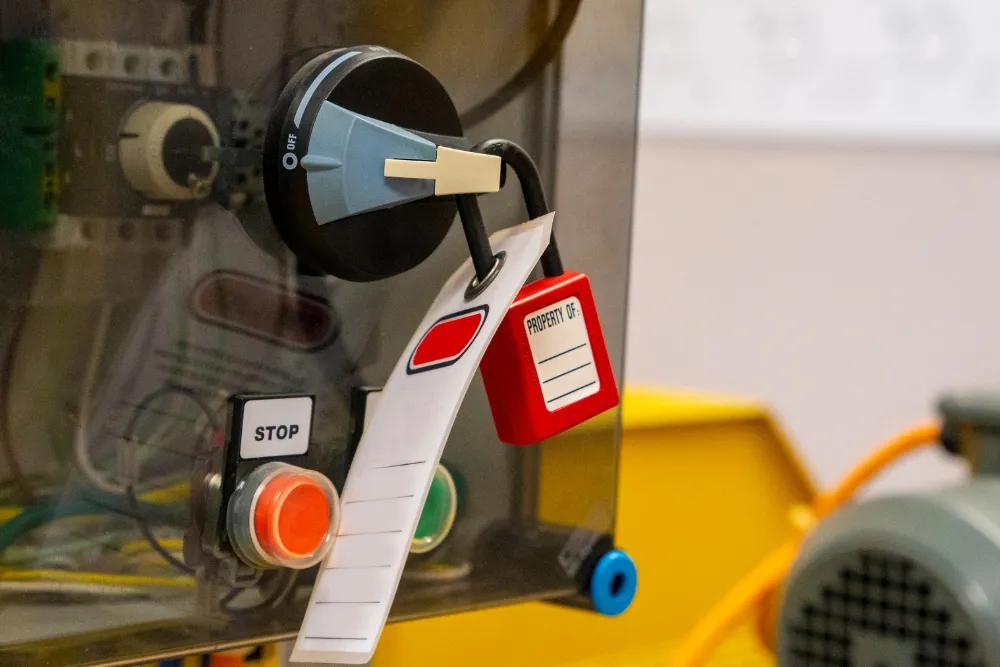
Lockout/Tagout (LOTO) is a safety procedure used during industrial maintenance shutdowns to ensure that machinery is properly shut off and can’t be started up again before the completion of maintenance or servicing work.
Essentially, it involves placing a lock and tag on energy sources for equipment to visually and physically signal that the equipment should not be operated. This method prevents accidental startup or release of stored energy, which could lead to injuries or fatalities.
We use LOTO procedures as part of our commitment to employee protection and machinery operation safety measures. It’s crucial to maintain a safe environment during equipment maintenance by isolating machinery from its energy source.
Through these protocols, we safeguard everyone involved against potential risks associated with the unintended activation of equipment, thereby supporting a culture of safety and awareness in our workplaces.
The Importance of Lockout/Tagout Procedures for Maintenance Shutdowns
Lockout/Tagout procedures are vital for maintenance shutdowns in ensuring the safety of employees and protecting machinery from unexpected start-ups. Implementing these procedures prevents the release of hazardous energy, safeguarding workers from potential injuries or even fatalities.
These safety measures also shield equipment from damage, reducing costly repairs and prolonging the lifespan of machinery.
Adhering to Lockout/Tagout protocols is crucial in preventing accidents during maintenance activities, such as servicing or repairing equipment. It emphasises employee awareness and accountability while creating a safe environment for carrying out essential tasks.
By prioritising these procedures, businesses can effectively mitigate risks associated with machinery operations and uphold workplace safety standards.
Steps for a Safe Lockout/Tagout Procedure
When conducting a safe lockout/tagout procedure, it is crucial to follow the defined steps meticulously. To learn more about ensuring workplace safety during maintenance shutdowns, read on.
Preparation for Shutdown
Before beginning a maintenance shutdown, it is essential to thoroughly prepare for the process. This involves notifying all relevant personnel about the impending shutdown and ensuring they are aware of their roles and responsibilities.
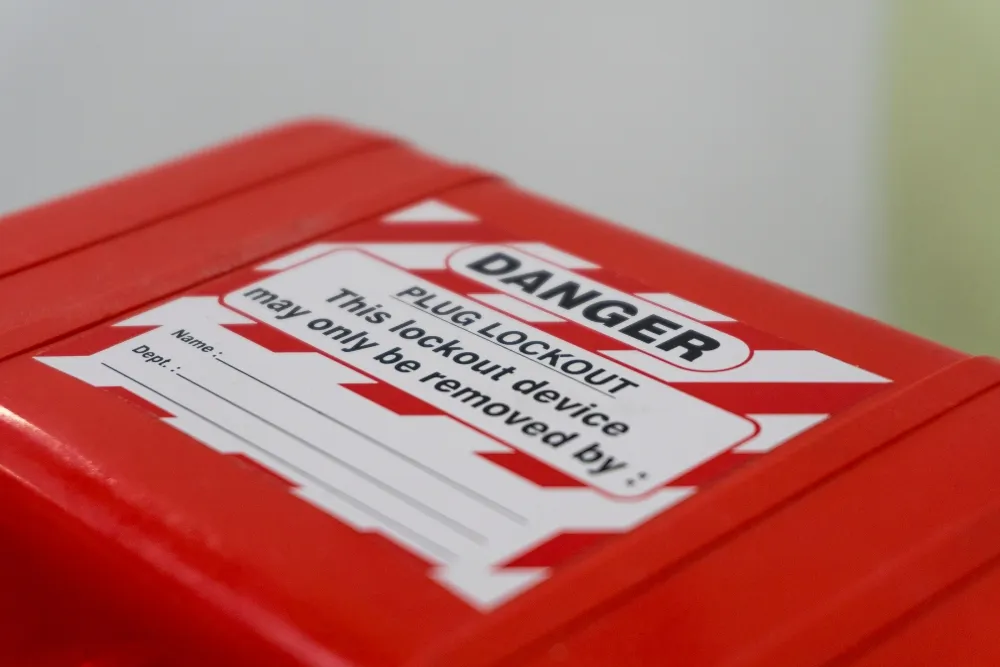
Additionally, gather all necessary tools and equipment required for isolating energy sources and applying lockout/tagout devices. It’s crucial to meticulously plan the steps involved in shutting down machinery and isolating energy sources to ensure a safe working environment during maintenance.
Once everything is prepared, proceed with caution through each step of the preparation process without skipping any vital safety measures or protocols. Always verify that all employees understand their role in the preparation phase and are equipped with proper training on lockout/tagout procedures before moving forward.
Notification
When it’s time to shut down machinery for maintenance, communication is key. Notify all affected personnel about the upcoming shutdown and explain the reasons behind it. Use clear and simple language to ensure everyone understands the necessity of the procedure.
This will help prevent accidental reactivation of equipment and promote a safe working environment during maintenance activities.
Shutting Down Machinery
Before shutting down machinery for maintenance, ensure that all operators are clear of the work area. Stop the machine by using the appropriate control or switch. If needed, refer to the equipment’s manual for guidance on safely shutting it down.
Turn off power sources and any other energy supplies feeding into the equipment. Once complete, verify that all systems are indeed turned off before proceeding with lockout/tagout procedures.
These steps are crucial in maintaining a safe environment during maintenance shutdowns and avoiding potential accidents or injuries caused by unexpected startup or release of stored energy when working on machinery.
Isolating Energy Sources
Isolating energy sources is a critical step in ensuring workplace safety during maintenance shutdowns. To do this, we turn off the power and utilise lockout devices to prevent unexpected startup.
Ensuring equipment isolation means putting mechanisms in place to stop any energy flow to the machinery or equipment being maintained, keeping our team safe from harm.
Advanced procedures for isolating energy sources involve using advanced technology and strategies to ensure effective and thorough isolation of all energy sources. This protects everyone involved from potential harm and ensures that maintenance work can be carried out safely.
Applying Lockout/Tagout Devices
When shutting down machinery for maintenance, it is crucial to isolate energy sources to prevent accidents. Applying lockout/tagout devices helps to ensure that equipment remains in a safe and isolated state throughout the maintenance process.
By following this safety protocol, you can protect both your employees and the machinery from potential harm. This step underpins our commitment to workplace safety during industrial maintenance shutdown procedures, providing peace of mind for home and business owners alike.
Ensuring Equipment is Isolated
After applying the lockout/tagout devices, we physically test each energy isolation point to make sure it’s effectively shut off. We meticulously verify that no power source is supplying the equipment before maintenance work begins.
This ensures that machinery won’t unexpectedly start up during repairs, providing a safe environment for our team and preventing equipment damage.
Our advanced procedure includes detailed testing of isolated energy sources to confirm complete shutdown and prevent any accidental startup. It is crucial to follow this step with precision to ensure maximum safety during maintenance activities.

Advanced Consulting & Training for Lockout/Tagout Safety
When considering advanced consulting and training for lockout/tagout safety, it is essential to seek professional guidance. Expert consultants offer tailored guidance towards navigating the complexities of lockout/tagout procedures.
Training programs are meticulously designed to enhance safety measures during maintenance shutdowns, ensuring not only employee safety but also compliance with machinery operation protection protocols.
Consulting with professionals can provide home and business owners with the necessary expertise to navigate the ever-evolving realm of advanced maintenance procedures and energy isolation protocols.
By engaging in advanced consulting and training, you unlock the secrets to robust lockout/tagout practices that underpin workplace safety during machinery maintenance. Professional guidance not only enhances your understanding but also equips you with the knowledge needed for successful implementation within your specific work environment.
Tips for Following Lockout/Tagout Procedures and Ensuring Workplace Safety
To ensure workplace safety during machinery maintenance, always conduct a thorough risk assessment before implementing lockout/tagout procedures. This involves identifying potential hazards and establishing a clear plan to isolate energy sources effectively.
Communicate openly with all workers involved in the maintenance process and provide comprehensive training on lockout/tagout protocols. This enhances awareness and ensures that everyone understands their roles and responsibilities, ultimately contributing to a safe working environment.
Regularly review and update your lockout/tagout procedures to incorporate any changes in equipment or processes. By staying proactive in this aspect, you can continually improve safety measures and prevent accidents due to outdated protocols.
Additionally, enforce strict compliance with the established lockout/tagout procedures through regular inspections and audits. Maintaining accountability is crucial for sustainable workplace safety during maintenance shutdowns.KEYWORDS: Safety protocols, Machinery shutdown, Lockouttagout procedures, Employee safety during maintenance.
Enhance Safety in Your Space with Our Tagout System!
In closing, implementing advanced tag-out procedures for maintenance shutdowns is pivotal for ensuring workplace safety. Adopting stringent lockout/tagout measures helps prevent accidents during machinery maintenance, ultimately safeguarding both workers and equipment.
By adhering to these protocols, the risk of energy-related incidents is significantly reduced, promoting a secure work environment. It’s crucial to continuously update and enhance safety measures in line with evolving industry standards and best practices.
Maximise efficiency and safety during maintenance shutdowns with our advanced Tag Out procedures. Streamline your processes, minimise downtime, and ensure compliance with industry standards. Contact us now to implement cutting-edge Tag Out solutions for your facility.