Tag Out System · 24 November 2023
A Vital Component of Asset Management with Tag Out Systems
Managing your assets can be as tricky as a kangaroo in a China shop, particularly when it comes to keeping an eagle eye on all that valuable equipment. Tell me about it – the hassles of assets going walkabout or just slipping off the radar altogether are all too familiar.
You know what? Research suggests that getting your asset management sorted can boost productivity by a ripper 20%. Our nifty guide on tag-out systems is here to show you the ropes, helping you set up a system that’s slicker than a barramundi on a slip ‘n’ slide.
So, roll up your sleeves and get ready for some fair dinkum changes to how you keep tabs on your gear – we’re about to make things heaps easier!
Key Takeaways
- Tag Out Systems are crucial for efficient asset management, providing clear identification and categorisation of assets, selecting durable asset tags, and creating a digital database for easy access to maintenance records and inspection schedules.
- Implementing a comprehensive tag-out system improves safety for employees by mitigating potential hazards through regular audits and maintenance, reducing the risk of workplace injuries. Different types of asset tagging such as RFID tags and GPS trackers enable accurate tracking and monitoring of mission-critical assets.
- Efficient asset tracking is achieved through the integration of asset tags with management software, allowing businesses to maintain an accurate digital database ensuring that valuable resources are accounted for at all times. Utilising appropriate tagging methods like RFID or barcode labels streamlines the asset management processes while enhancing overall efficiency in safeguarding valuable equipment.
Key Components of a Comprehensive Tag Out Program
We will discuss the importance of identifying and categorising assets, selecting and designing asset tags, data encoding and attachment, creating a digital asset database, integrating with asset management software, and conducting regular audits and maintenance with Tag Out System.
Identifying and categorising assets
First up, we need to get a handle on what we’ve got. That means taking stock of every tool, piece of equipment, and important gadget. We sort them into groups based on type or function, like all the power drills in one category and ladders in another.
Our mission-critical assets are top priority; they’re the ones that keep our operations humming.
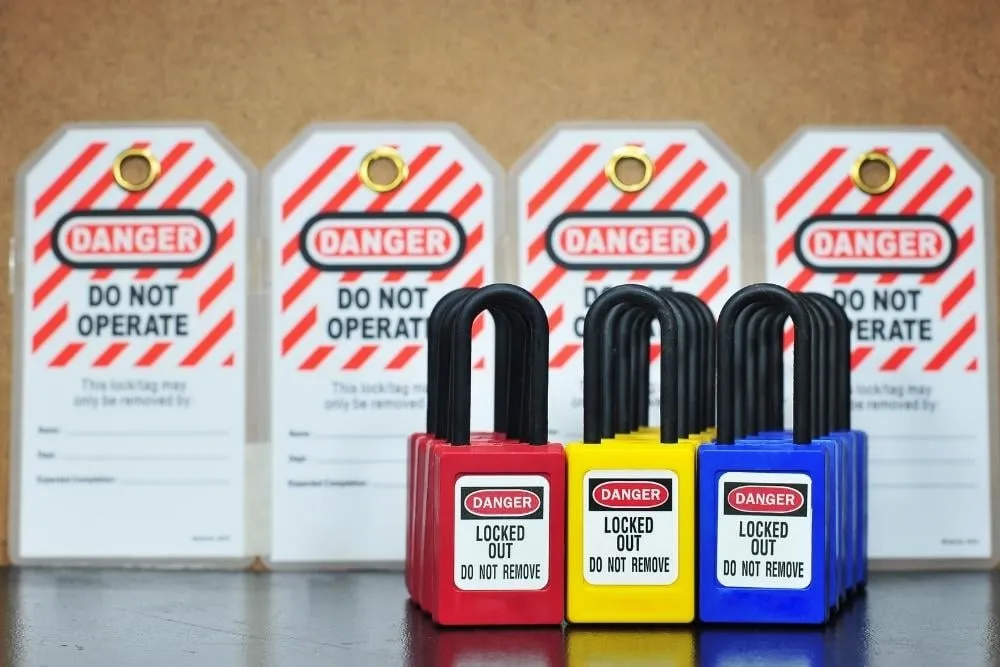
Next, it’s crucial to lay out clear labels for each category. This isn’t just busywork, it’s about making sure everyone knows where things belong and how they fit into our lockout tagout procedures.
With everything neatly identified and organised, we’re setting ourselves up for smoother sailing when it comes to maintenance, tracking down equipment and keeping workplace hazards to a minimum.
Selecting and designing asset tags
After identifying and categorising assets, the next crucial step is selecting and designing asset tags. When choosing asset tags, consider factors such as durability, readability, and compatibility with your asset-tracking system.
It’s essential to select materials that can withstand various environmental conditions and are resistant to tampering or removal. Once you’ve chosen suitable tag materials, design them to include essential information like asset ID numbers, barcode or QR code for scanning purposes, and any other relevant details for easy identification.
Designing the layout of the asset tags should be clear and well-structured for quick visual recognition. Highlight important information using contrasting colours or bold fonts to ensure visibility.
Data encoding and attachment
After selecting and designing asset tags, the next crucial step is data encoding and attachment. This involves encoding essential information about the asset onto the tag using various technologies such as QR codes, barcodes, or RFID.
The encoded data typically includes details like equipment type, serial number, maintenance schedule, and any other pertinent information for efficient tracking and management within a digital database.
Once encoded, these tags are securely attached to the assets through adhesive backing or fasteners to ensure they remain in place during regular use and inspection. This process allows for quick access to vital asset information at any given time, streamlining maintenance efforts and enhancing overall asset management efficiency.
Creating a digital asset database
Transitioning from data encoding and attachment, the next crucial step in a comprehensive tag-out program is creating a digital asset database. This database serves as a central repository for all information related to tagged assets, allowing easy access to details like maintenance records, equipment specifications, and inspection schedules.
With a well-organised digital asset database, home, industrial, and office owners can efficiently manage their assets by tracking their usage history and ensuring timely maintenance.
Owners can upload relevant documents such as user manuals or service records to the digital asset database. This ensures that all essential information is easily accessible whenever needed.
Integrating with asset management software
After creating a digital asset database, the next crucial step is integrating with asset management software. This integration allows for seamless tracking and monitoring of assets within one centralised system.
By linking asset tags with the software, users can efficiently manage equipment maintenance schedules, track movement and usage history, and generate detailed reports to optimise asset performance.
Furthermore, integrating with asset management software enables real-time updates on equipment status and location. With this streamlined process, businesses can maximise operational efficiency by reducing downtime through timely maintenance interventions and ensuring mission-critical assets are constantly monitored.
Regular audits and maintenance
Regular audits and maintenance are crucial to ensure the effectiveness of your tag-out system. Here are some steps to help you keep your asset management system in top shape:
- Schedule periodic inspections of all tagged assets to verify their condition and location.
- Conduct routine checks on the integrity and readability of asset tags to avoid data loss or damage.
- Update your digital asset database regularly to reflect any changes in asset status, location, or maintenance history.
- Review and assess the performance of your tag-out system to identify areas for improvement and optimisation.
- Train employees on proper tag-out procedures and the importance of regular audits and maintenance to uphold safety standards.
Benefits of Implementing Tag Out Systems in Asset Management
Improved safety for employees, efficient asset tracking, and reduction of workplace injuries and hazards are just a few key benefits of implementing tag-out systems in asset management.
Improved safety for employees
Implementing a comprehensive tag-out system can greatly enhance safety for employees. By clearly identifying and categorising assets, selecting and designing appropriate asset tags, and integrating with digital databases, potential hazards can be mitigated through efficient tracking and monitoring.
Regular audits ensure that assets are properly maintained, reducing the risk of workplace injuries and enhancing overall safety protocols.
Utilising the right type of asset tagging such as RFID tags or GPS trackers further bolsters employee safety by providing real-time tracking capabilities. This not only ensures that critical assets are always accounted for but also helps in avoiding potential hazards.
Investing in an effective tag-out system is an essential step towards creating a secure working environment while minimising risks associated with asset management processes.
Efficient asset tracking
By implementing a comprehensive tag-out system, we ensure improved safety for employees and efficiently track our assets. With the use of RFID tags, barcode labels, and GPS trackers, we can accurately monitor the movement and location of mission-critical assets.
This not only reduces workplace injuries and hazards but also helps in identifying any potential issues or irregularities in asset management. Integrating these tracking methods with asset management software enables us to maintain an accurate digital database of our assets, ensuring that they are accounted for at all times.
When it comes to efficient asset tracking within your business or organisation, it is crucial to utilise the appropriate tagging method to maintain visibility over your valuable resources.
Whether you choose RFID tags for real-time tracking or opt for barcode labels for cost-effective monitoring, selecting the right approach is essential in streamlining your asset management processes.
Reduction of workplace injuries and hazards
Implementing a comprehensive Tag Out System is crucial for reducing workplace injuries and hazards. Properly tagged assets provide clear information about potential dangers, helping to prevent accidents.
By using asset tags and integrating them into a digital database, employees can easily access safety instructions and protocols, ensuring they understand how to handle equipment safely.
Regular audits and maintenance of the tag-out system also play a vital role in minimising workplace risks. These proactive measures help identify any potential hazards or issues with the equipment that could lead to injuries.
By staying on top of maintenance and inspections, owners can create a safer work environment for their employees, ultimately preventing accidents before they occur.

Different Types of Asset Tagging
From RFID tags to GPS trackers, there are various options for asset tagging. Want to know more about the different types of asset tagging? Keep reading!
RFID tags
RFID tags are a popular choice for tracking assets due to their ability to store and transmit data wirelessly.
These tags use radio frequency waves to communicate with RFID readers, enabling quick and efficient asset identification. With RFID tags, owners can easily track mission-critical assets in real-time, minimising the risk of loss or theft. Additionally, these tags offer a hands-free scanning process, making asset management more convenient and less time-consuming.
When integrated with asset management software, RFID tags provide accurate and up-to-date information on the location and status of assets. This streamlined approach enhances overall efficiency by reducing manual data entry errors and automating inventory processes.
Barcode and QR code labels
Barcode and QR code labels are widely used for asset tagging due to their simplicity and efficiency. These labels can be easily scanned with a smartphone or a barcode scanner, allowing for quick access to essential asset information.
By encoding pertinent details such as asset ID, location, and maintenance history into these labels, home, industrial, and office owners can streamline their asset tracking process.
The use of barcode and QR code labels also facilitates accurate inventory management while reducing the risk of human error in data entry.
Implementing barcode and QR code labels offers an affordable yet effective way to enhance the overall efficiency of asset management by providing seamless access to detailed asset information at any given time.
GPS trackers
GPS trackers are an effective tool for asset management, providing real-time location information and enhancing security. When integrated with asset management software, GPS trackers enable owners to monitor the movement of their assets and quickly identify their whereabouts.
By utilising GPS trackers, owners can mitigate risks associated with theft or loss while maintaining a comprehensive overview of their valuable equipment.
When installing GPS trackers on mission-critical assets, such as industrial machinery or vehicles, owners can ensure the safety and security of these assets. Additionally, by leveraging GPS technology in their asset management strategy, they can streamline operations and enhance efficiency.
Furthermore, incorporating GPS trackers into existing asset tagging processes offers owners peace of mind knowing that they have full control over their assets’ locations at all times.
This proactive approach ensures that assets are protected from potential risks and optimises overall asset management practices.
NFC tags
NFC tags provide a convenient and efficient way to track and manage assets. These tags can be easily scanned using a smartphone, allowing for quick access to asset information. NFC tags are durable and cost-effective, making them an ideal choice for various industries.
With their ability to store data securely, NFC tags ensure accurate asset tracking and streamlined management processes. Incorporating NFC tags into your asset tagging system can significantly enhance efficiency and simplify the task of monitoring mission-critical assets.
Implementing NFC tags within NonStop Suite software offers seamless integration that enables easy adoption and use. The benefits of using NFC tags extend beyond simplifying asset tracking; they also contribute to improved safety, reduced risks, and enhanced compliance with lockout tagout standards.
Custom tags
When considering asset management, the option of custom tags can provide a tailored solution to meet specific tracking and identification needs. By creating customised asset tags, users can incorporate specific information such as company logos, contact details, or additional identifying features relevant to their unique assets.
These personalised tags not only enhance brand visibility but also contribute to efficient tracking and streamlined management of mission-critical assets.
Incorporating custom tags ensures that each asset is easily identifiable and traceable within the system. This level of customisation allows for a more seamless integration into existing asset management software, offering owners greater control and security over their valuable resources.
The Tagging Process: 7 Steps for an Efficient Asset Tagging and Tracking System
In the tagging process, we identify and categorise assets, select and design asset tags, create a digital database, integrate with asset management software, and implement security measures.
Interested in learning more about effective asset tagging? Keep reading to discover how our NFC tags can revolutionise your asset management system!
Asset identification and categorisation
To effectively implement a tag-out system, the first step is asset identification and categorisation. This involves identifying all mission-critical assets within your facility or office space and categorising them based on their function and importance.
Asset identification ensures that every piece of equipment or machinery that requires tagging for safety and tracking purposes is accounted for. Categorisation helps prioritise assets, allowing for a more efficient allocation of resources towards tagging and monitoring high-risk items.
Once assets are identified and categorised, the next step is to select appropriate tags for each category. By understanding the specific needs and uses of different assets, suitable tags can be chosen to ensure effective tracking and safety measures are in place.
Asset tag selection and design
After identifying and categorising assets, the next vital step is to select and design appropriate asset tags. The right tag selection ensures easy identification and tracking of mission-critical assets.
When choosing asset tags, one must consider factors such as durability, readability, and data encoding options. It’s essential to opt for tags that can withstand various environmental conditions within your specific industry while remaining easily scannable or readable.
Designing the layout of the tag should prioritise clear visibility of important information like asset number or description for quick reference.
Digital documentation and database creation
We create digital documentation by inputting asset details into the system. We categorise assets and link them to their respective tags. Then, we encode data onto the tag and attach it to the asset physically. After encoding, we make sure all information is accurately reflected in our digital database for easy tracking.
This ensures that every piece of critical equipment is accounted for and can be located quickly when needed, ultimately improving workplace safety and efficiency for both employees and management. Moving forward with integrating this system with asset management software helps us streamline operations even further.
Integration with asset management software
Integrating asset tagging with management software streamlines tracking and maintenance. It simplifies monitoring, ensuring real-time updates and status visibility.
Digital databases enable quick access to asset information, facilitating efficient decision-making and resource allocation. Tracking assets becomes seamless, enhancing operational productivity and reducing downtime.
Implementation of security measures
We secure assets through various measures, such as installing surveillance cameras and access control systems. We also use physical barriers and alarms to protect valuable items. Assessing potential risks is crucial in determining the right security measures to implement for asset protection.
Regular security audits help identify vulnerabilities, enabling us to proactively strengthen our security protocols. Additionally, establishing clear guidelines on who can access certain assets and when enhances overall security.
In addition to these eyes around the area, advanced technology like GPS trackers or NFC tags can further boost asset protection by providing real-time tracking information. This enables us to monitor our mission-critical assets constantly, enhancing their safety and reducing the risk of loss or theft.
NonStop Suite’s NFC Tags: The Ultimate Solution for Asset Tagging and Tracking.
NonStop Suite’s NFC tags offer a seamless solution for asset tagging and tracking, providing ease of use and integration with the NonStop Suite software. Read on to discover the benefits of using NFC tags for efficient asset management.
Benefits of using NFC tags
Using NFC tags provides several benefits for efficient asset tagging and tracking. NFC tags offer easy and seamless integration with asset management software, ensuring accurate and real-time data capture. Additionally, NFC tags simplify the process of asset identification and categorisation, streamlining the overall tagging process.
Integration with NonStop Suite software
Integrating NFC tags with NonStop Suite software is a seamless process that enhances the efficiency of asset management. The NonStop Suite software offers a user-friendly interface, allowing easy integration of NFC tags for streamlined asset tracking and maintenance.
This integration provides real-time access to critical asset data, enabling proactive decision-making based on accurate information.
The NonStop Suite’s compatibility with NFC tags ensures that asset information can be easily updated and accessed through mobile devices or desktop computers, reducing time spent on manual data entry and improving overall operational productivity.
Ease of use and implementation
Implementing an asset tagging and tracking system is straightforward. You can easily identify and categorise assets, select suitable tags, and encode tag data with minimal effort. Moreover, creating a digital asset database for efficient tracking is simple.
Integration with asset management software to streamline the process is quick and hassle-free.
NFC tags offered by NonStop Suite are user-friendly and seamlessly integrated with their software, making the whole process incredibly convenient for home, industrial, and office owners looking to implement an efficient asset management system.
The Importance of Tag Out Systems in Efficient Asset Management
In conclusion, tag-out systems are vital for efficient asset management. Implementing comprehensive tag-out programs ensures the safety of employees and efficient tracking of mission-critical assets.
By using different types of asset tagging such as RFID tags and GPS trackers, businesses can significantly reduce workplace injuries and hazards. The tagging process involves 7 steps that lead to an efficient asset tagging and tracking system.
NonStop Suite’s NFC Tags offer the ultimate solution for simplifying asset tagging and tracking with their ease of use and seamless integration with software.