
Tag Out System · 29 November 2023
A Legacy of Safety and Innovation with Tag Out Systems
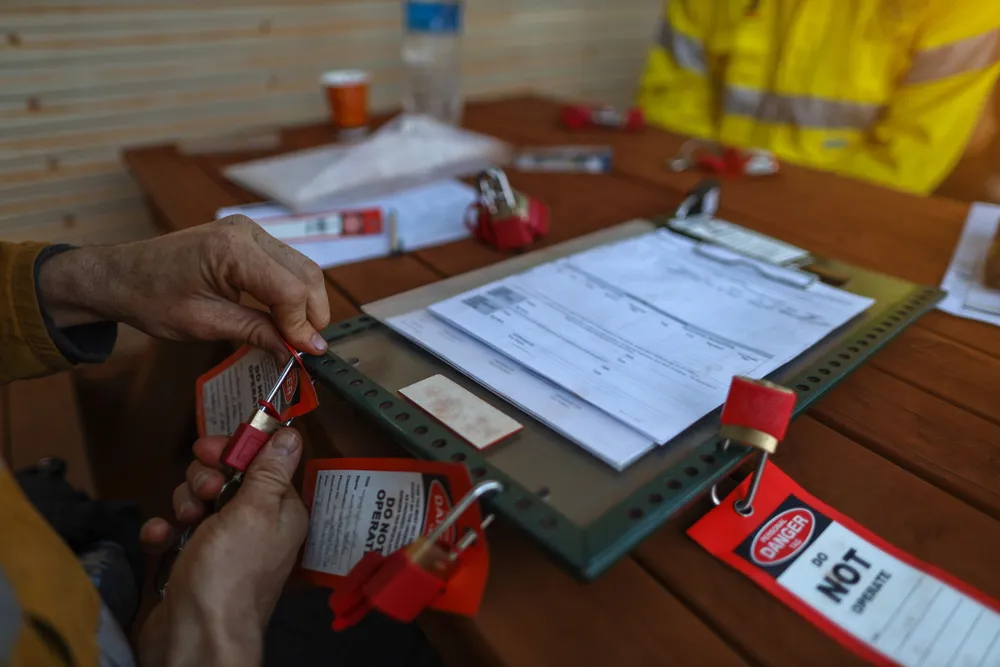
Ever had that moment when the hairs on the back of your neck stand up, just thinking about what could go wrong during equipment maintenance? Yeah, us too. It’s fair dinkum scary stuff.
But it’s also why lockout/tagout systems are absolute rippers for keeping workers safe on the job – reckon they stop heaps of injuries every single year! Our yarn today is all about these lifesavers in action, with a few clever tips thrown in to make sure your workplace is as safe as houses.
So buckle up – we’re about to give you the tools to nail safety at work!
Key Takeaways
- Lockout/Tagout (LOTO) systems are crucial for workplace safety, ensuring equipment shutdown and isolation to prevent accidents or injuries.
- Adherence to regulations is essential, requiring comprehensive lockout/tagout procedures and safety protocols in place.
- Comprehensive lockout/tagout procedures involve preparation, shutdown, isolation, lockout/tagout, stored energy check, and isolation verification to ensure a safe work environment.
Understanding the Importance of Lockout/Tagout Systems
Lockout/Tagout systems are crucial for safety in the workplace, ensuring that equipment is properly shut down and isolated to prevent accidents or injuries. Compliance with regulations is essential for maintaining a safe work environment.
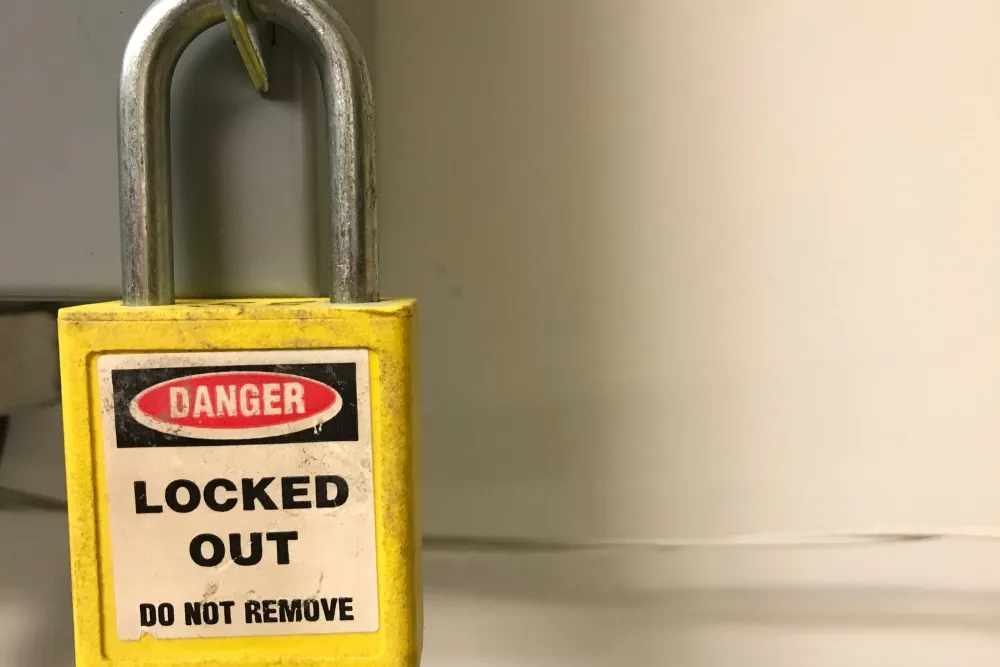
Definition and purpose
Lockout/Tagout (LOTO) systems are our line of defence against the unexpected release of hazardous energy during service and maintenance activities. This safety protocol involves powerful locks and tags that we attach to equipment switches and power sources.
These tools ensure machines stay off, protecting us while we work on them. It’s about controlling energy, stopping equipment from starting up or moving without warning.
The main goal of LOTO is simple: keep workers safe. By following strict isolation procedures as part of a lockout/tagout process, we prevent tragic accidents and also comply with regulations focused on worker safety.
In industries where heavy machinery poses risks, getting energy control measures right could be the difference between a regular day at work and a disaster. We use LOTO every time we need to shut down industrial equipment – it’s non-negotiable for our safety management practices because nobody should gamble with their life on the job.
Compliance with regulations
Transitioning from understanding the importance of lockout/tagout systems to compliance with regulations, home, industrial, and office owners must adhere to safety standards.
Implementing comprehensive lockout/tagout procedures is not only a best practice but also a legal requirement set. By following these regulations, workplace accidents related to equipment shutdown can be significantly reduced while ensuring safety compliance.
Adhering to regulations involves equipping your establishment with necessary safety protocols and lockout devices that align with legislative compliance. Managers and employees alike must understand the significance of obtaining permits for work involving hazardous energy sources.
Key Components of a Comprehensive Lockout/Tagout Procedure
In a comprehensive lockout/tagout procedure, preparation, shutdown, isolation, lockout/tagout, stored energy check, and isolation verification are essential components to ensure safety in the workplace.
Preparation
Before carrying out any maintenance or servicing work, it is vital to initiate the preparation phase for lockout/tagout procedures. This involves identifying all energy sources that need to be controlled and understanding the specific steps required for the equipment being serviced.
Furthermore, obtaining the necessary tools and equipment, such as locks, tags, and isolation devices, is crucial during this phase. By diligently preparing for lockout/tagout procedures, we can effectively minimise the risk of unexpected energy release and ensure a safe working environment for everyone involved.
To prepare adequately for lockout/tagout procedures means having a clear understanding of potential hazards and risks associated with specific machinery or equipment. We must also ensure that all personnel involved are well-informed about their roles in implementing these safety measures.
Shut Down
Before initiating the critical “Shut Down” stage of your lockout/tagout procedure, it’s vital to ensure all equipment and machinery are properly prepared for isolation. Once you’ve completed all necessary preparations, shutting down the power supply or energy source is essential to safeguard against any unexpected start-ups during maintenance or servicing.
This step effectively cuts off the flow of hazardous energy and sets the stage for safe lockout/tagout processes.
In a comprehensive lockout/tagout procedure, “Shut Down” marks a crucial phase in preventing work-related accidents and ensuring workplace safety compliance. By actively engaging in this process, you contribute to the protection of workers from potential injury and uphold legislative guidelines laid out regarding safety procedures in various industrial settings.
Isolation
After the equipment has been shut down, the next crucial step in the lockout/tagout procedure is isolation. Isolation involves physically disconnecting the machinery or equipment from its power source, ensuring that it cannot be energised during maintenance or servicing activities.
This step often includes de-energising electrical circuits and locking out any potential energy sources such as hydraulic systems, pneumatic lines, or steam valves to prevent unexpected start-ups.
The isolation phase is essential for protecting workers from exposure to hazardous energy and reducing the risk of work-related accidents.
To ensure effective isolation, it’s important to follow specific procedures outlined by OSHA regulations and industry best practices. Properly isolating equipment requires a thorough understanding of potential energy sources and how they can be safely disconnected to prevent accidental activation.
Lockout/Tagout
As we transition from isolation to the lockout/tagout procedure, it’s important to recognise its crucial role in preventing work-related accidents. Lockout/tagout (LOTO) is a strategic safety measure that effectively prevents unexpected equipment startups during maintenance or servicing.
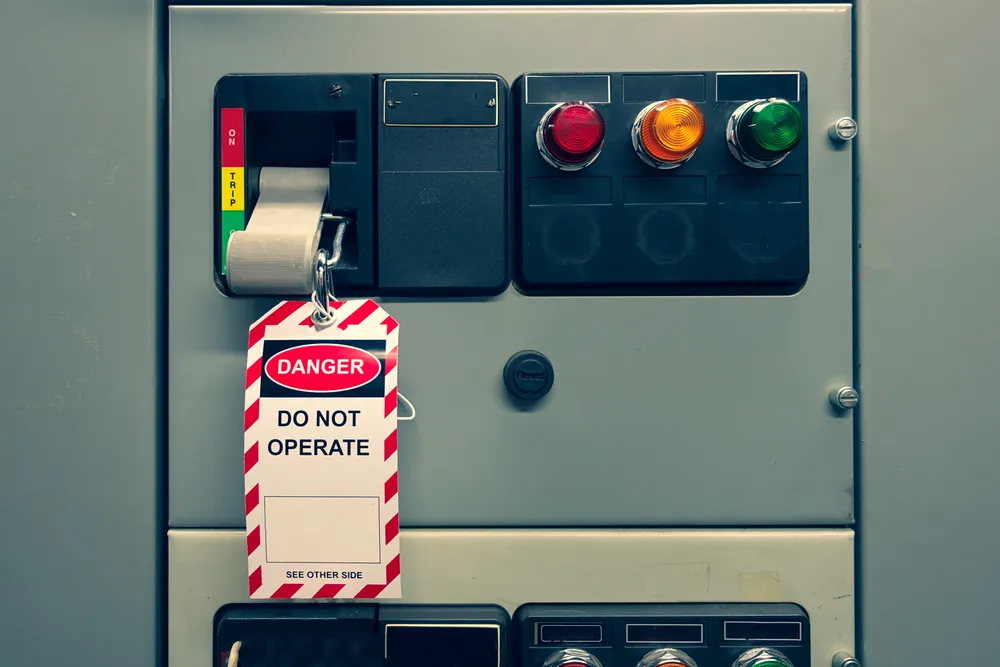
This essential procedure involves isolating and locking out energy sources, as well as using tags to communicate that equipment is being serviced and must not be operated. LOTO procedures are vital for safeguarding workers from hazardous energy exposure, reducing the risk of workplace accidents, and ensuring compliance with safety regulations.
By implementing comprehensive lockout/tagout procedures and training employees accordingly, home, industrial, and office owners can create a safe working environment while adhering to legislation requirements.
Additionally, the use of advanced digitised systems in conjunction with traditional LOTO mechanisms offers real-time information on machinery status, further enhancing workplace safety measures.
Stored Energy Check
Transitioning from the important procedures of Lockout/Tagout, a crucial step in ensuring workplace safety is the stored energy check. This step involves inspecting equipment and machinery to identify any potential residual energy that could pose a risk during maintenance or servicing.
Home, industrial, and office owners need to understand that even after shutting down and isolating equipment, there might still be stored energy present. This can include electrical charge, hydraulic pressure, or mechanical tension that needs to be dissipated before work can safely proceed.
During a stored energy check, various types of hazardous energy sources must be identified and effectively neutralised or released. This process ensures that employees are protected from unexpected release of energy during maintenance tasks.
Isolation Verification
Before proceeding with any maintenance or servicing tasks, it is vital to verify the isolation of all energy sources. Once stored energy has been checked and confirmed, the next critical step in lockout/tagout (LOTO) procedures is isolation verification.
This involves ensuring that all hazardous energy sources have been effectively isolated and rendered safe before work begins, preventing unexpected startup of machinery and equipment.
Isolation verification plays a crucial role in preventing workplace accidents by providing an additional layer of safety during maintenance or service operations.
Adhering to best practices in isolation verification is essential for maintaining a safe working environment. Utilising comprehensive checklists and visual confirmation by authorised personnel can help confirm proper isolation before commencing any repair or maintenance activities.
Training Employees on Lockout/Tagout Procedures
We will discuss the importance of training employees on lockout/tagout procedures, including different types of training and best practices for effective implementation.
Importance of training
Training employees on lockout/tagout procedures is crucial for ensuring workplace safety. It equips them with the knowledge and skills to recognise and control hazardous energy sources, reducing the risk of work-related accidents.
Proper training also promotes compliance with safety regulations, such as lockout safety standards, safeguarding both workers and business owners from potential legal implications.
Effective training should encompass various types of learning methods, including hands-on demonstrations and interactive sessions, to ensure that employees understand the importance of lockout/tagout procedures.
Furthermore, ongoing education about best practices for implementing these procedures can lead to a culture of safety within the workplace. By prioritising comprehensive training in lockout/tagout processes, businesses demonstrate their commitment to protecting their employees and promoting a safe working environment.
Types of training
Training on lockout/tagout procedures is crucial for ensuring the safety of workers in various settings. Different types of training methods can be implemented to educate employees and enhance their understanding of lockout/tagout procedures, including:
- Hands-on Training: This method involves practical demonstrations and exercises that allow employees to learn how to perform lockout/tagout procedures correctly.
- Classroom Training: Formal instruction conducted in a classroom setting can help employees understand the importance of lockout/tagout and familiarise them with the relevant regulations and best practices.
- Interactive Online Modules: Utilising digital platforms, interactive modules can engage employees through quizzes, videos, and simulations to reinforce their knowledge of lockout/tagout procedures.
- Practical Assessments: Regular assessments enable employers to evaluate employees’ comprehension of lockout/tagout protocols and identify areas that may require additional training or clarification.
- Refresher Courses: Periodic reinforcement sessions ensure that employees stay updated on any changes in procedures, technology, or regulations related to lockout/tagout.
Best practices for effective training
We emphasise the significance of ongoing training to keep employees well-versed with lockout/tagout procedures. Regular training sessions help reinforce the importance of safety and ensure that employees understand the proper protocols.
Involving interactive elements in training, such as real-life scenarios or hands-on demonstrations, can enhance comprehension and retention of critical safety measures.
Implementing a multi-faceted approach to training is crucial for accommodating various learning styles and preferences. This may include visual aids, practical exercises, and refresher courses to continuously reinforce safe practices.
Moreover, incorporating digital resources like online modules can provide flexibility and accessibility for employees to refresh their knowledge on lockout/tagout procedures anytime.
Digitised and Connected Lockout/Tagout Systems in the IIoT Era
With advancements in technology, digitised lockout/tagout systems offer benefits such as real-time monitoring and integration with IIoT platforms. Learn more about how these systems are shaping the future of industrial safety.
Advancements in technology
Lockout/tagout systems have seen significant advancements in technology, particularly in the Industrial Internet of Things (IIoT) era. Digitised and connected lockout/tagout systems now offer real-time monitoring and information on equipment status, reducing the risk of accidents and ensuring compliance with safety regulations.
With safety-compliance software potentially being integrated into LOTO devices in the future, these advancements are poised to enhance worker safety even further.
The benefits of utilising digitised systems are clear for home, industrial, and office owners alike. As we continue to embrace ongoing technological improvements in lockout/tagout procedures, it’s essential to recognise their role in improving worker safety and reducing workplace accidents.
Benefits of using digitised systems
Emerging technologies have revolutionised lockout/tagout systems, ushering in a new era of digitised and connected safety measures. Incorporating digitised systems provides real-time information on equipment status, reducing the risk of accidents and enhancing workplace safety for home, industrial, and office owners.
With safety-compliance software integration into LOTO devices projected for the future, these advancements aim to comprehensively improve worker safety and reduce the risk of work-related accidents.
Additionally, utilising digitised systems not only ensures compliance with legislation but also aligns with the ongoing improvements in technology to provide enhanced protection against unintentional exposure to hazardous energy from machinery.
The Legacy of Tag Out Systems in Promoting Safety and Innovation
Discover how tag-out systems have evolved to promote safety and innovation in industrial settings, and the continued improvements that have been made to ensure workplace safety. Learn more about the impact of these systems on industrial practices by reading on.
Evolution of systems
Lockout/tagout systems have evolved significantly over the years, owing to advancements in technology and a focus on enhancing workplace safety. From traditional manual lockout/tagout procedures to the integration of digitised and connected systems in the IIoT era, these developments have revolutionised safety measures for workers.
The introduction of real-time equipment status monitoring has provided crucial information, reducing the risk of accidents and ensuring compliance with legislation. As technology continues to advance, we can anticipate further integration of safety-compliance software directly into LOTO devices, demonstrating an ongoing commitment to worker protection.
Moreover, ABUS’ 72 aluminium lockout padlocks stand as a testament to innovative solutions within lockout/tagout procedures. These advancements not only reflect a legacy of promoting safety but also offer tangible benefits for industrial, and office owners by mitigating work-related accidents and ensuring enhanced workplace security.
Impact on industrial safety
As lockout/tagout systems have evolved, their impact on industrial safety has been profound. These systems play a crucial role in preventing work-related accidents, especially those that occur during maintenance or servicing procedures.
By adhering to comprehensive lockout/tagout procedures and using advanced safety technology, industrial owners can significantly mitigate the risk of unexpected start-ups and unintentional exposure to hazardous energy from machinery and equipment.
Utilising digitised and connected lockout/tagout systems provides real-time information on equipment status, allowing for better risk assessment and control measures. Furthermore, compliance with legislation regarding permits for work and the use of innovative lockout devices such as ABUS’ 72 aluminium padlocks demonstrate a commitment to promoting industrial safety.
Continued improvements and advancements
Improvements and advancements in lockout/tagout (LOTO) systems have revolutionised workplace safety. Technology has played a pivotal role, in the introduction of digitised and connected LOTO systems in the era of the Industrial Internet of Things (IIoT).
These advancements provide real-time equipment status updates, reducing the risk of accidents and enhancing overall safety compliance. Furthermore, ongoing developments aim to integrate safety-compliance software directly into LOTO devices, creating a seamless approach to maintaining a safe work environment.
In addition to technological advancements, product innovation continues to drive improvements in LOTO systems. For instance, ABUS’ 72 aluminium lockout padlocks are a testament to the brand’s commitment to innovative solutions for LOTO procedures.
Be Safe and Innovative
In conclusion, the legacy of tag-out systems in promoting safety and innovation continues to evolve with technological advancements. These systems play a crucial role in preventing work-related accidents, ensuring compliance with safety regulations, and protecting workers from hazardous energy exposure during maintenance or servicing.
As we embrace digitised and connected lockout/tagout solutions, it’s evident that ongoing improvements are enhancing worker safety across various industries. The commitment to advancing LOTO technology underscores the industry’s dedication to reducing workplace accidents while prioritising employee well-being.