
Tag Out System · 21 November 2023
A Global Perspective on Safety Practices with Tag Out Systems

Working around machinery can be a bit of a rough gig if you’re not clued up on the safety side of things. We’ve all copped an earful about mishaps on worksites or in the workshops, and chances are you’re keen as mustard to make your own space a fair bit safer for everyone knocking about.
Have you heard of tag-out systems? These little rippers are top-notch when it comes to giving the heads up on possible dangers lurking in your day-to-day. Our guide is going to suss out how these systems have been keeping workplaces across the world as safe as houses.
So, let’s get cracking and find out what steps we can take to ramp up our safety game at work.
Key Takeaways
- Lock-out and Tag-Out procedures are vital for worker safety, as they involve isolating hazardous energy sources to prevent unexpected start-up or release of stored energy during equipment maintenance or servicing.
- Global safety practices and regulations related to lockout/tagout procedures are crucial for ensuring the protection of workers and employees around machinery and equipment, with advancements in the industry contributing to more efficient and user-friendly solutions.
- Required Isolation Equipment includes lockout devices, tagging devices, hasps and group lockout devices, lock boxes, circuit breaker lockouts, ball valve lockouts, plug and hoist control covers, safety training equipment, personal protective equipment (PPE), identification and labelling materials. These play a significant role in safeguarding workers from potential hazards associated with operating machinery.
- Case studies across different regions have shown significant reductions in work-related injuries upon comprehensive enforcement of lock-out tag-out systems. Compliance with standards has been found to prevent an estimated 120 fatalities and 50,000 injuries each year in the US.
Understanding Lock-Out and Tag-Out Procedures
Lock-out and Tag-Out procedures are essential for worker safety, as they involve isolating hazardous energy sources to prevent unexpected start-up or release of stored energy during equipment maintenance or servicing.
Summary
In our workplaces, we take the safety of everyone seriously, which is why lock-out and tag-out procedures are vital. They’re like the superheroes of industrial safety, guarding against accidents by controlling hazardous energies when machines or equipment need servicing or repairs.
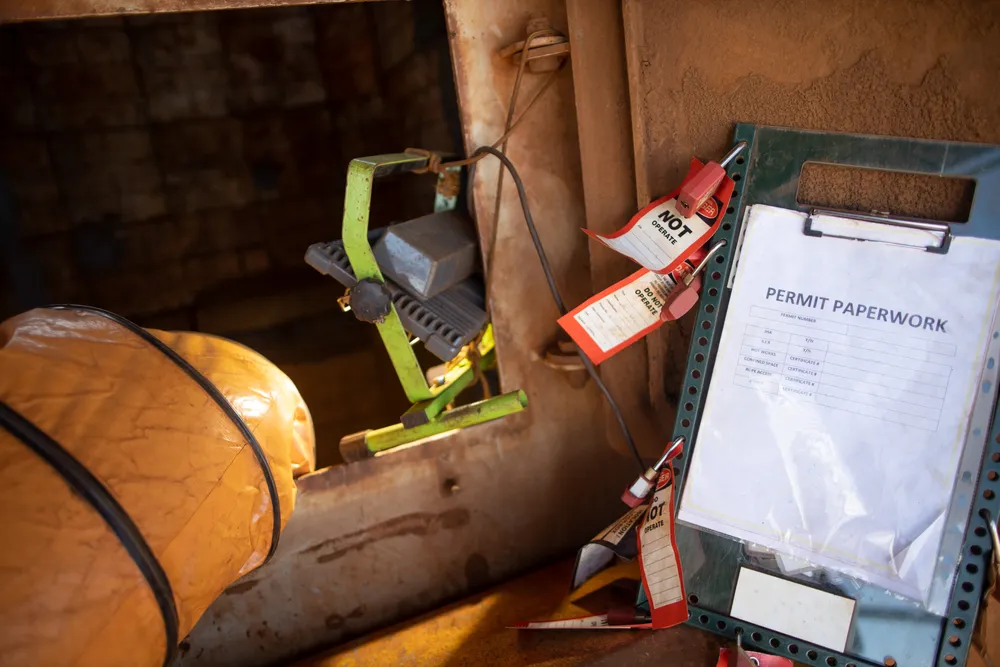
We must ensure that no one faces preventable risks; we use physical locks to secure machinery and add tags as a clear warning. These tags tell everyone in the area that they should not operate the equipment until it has been properly re-energised.
We’ve embraced these practices globally because they save lives. Following guidelines, we de-energise equipment thoroughly before any work begins. There’s no room for shortcuts here, skipping a step can mean putting someone at risk.
By sticking strictly to these regulations not only do we protect our team members but also remain compliant with laws around the world including Australian safety rules. Moving on, let’s bust some myths about scope and definitions in this context.
Scope and Definitions
Moving on from understanding the summary of lockout and tag-out procedures, it is vital to grasp the scope and definitions involved. The scope encompasses all machinery shutdown processes, equipment servicing, hazardous energy control, workplace safety standards, and compliance programs.
Definitions cover terms such as energy isolation, equipment de-energising techniques, machine disablement practices, and safety protocols for risk management in industries or offices adhering to global safety standards.
Compliance with these defined procedures ensures injury prevention in the workplace. Recognising the importance of proper machinery shutdown and hazardous energy control is crucial for maximum worker safety.
Policy and Regulations
Having a clear understanding of lock-out/tag-out policy and regulations is crucial for ensuring the safety of workers and employees in various settings. Compliance with relevant safety standards, such as the Lockout/Tagout Fact Sheet, is essential to prevent the release of hazardous energy and disable machinery during maintenance or repair.
Adhering to lockout/tagout standards not only protects workers but also ensures maximum safety by Australian safety regulations.
Lockout/tagout procedures are fundamental in preventing accidents related to equipment isolation and control of equipment energies, safeguarding against potential hazards associated with machinery de-energising.
Roles and Responsibilities
The importance of isolation procedures is crucial for ensuring worker safety and preventing the release of hazardous energy. Required isolation equipment should be readily available and well-maintained to effectively control the energies of hazardous machines.
Regular training and compliance programs are essential for employees to understand their roles and responsibilities in machinery disablement and de-energising processes.
The Importance of Isolation Procedures
Safety procedures, such as lockout/tagout, are crucial for protecting workers from hazardous energy released by machinery and equipment. Implementing isolation procedures ensures that all forms of energy are effectively controlled to prevent accidental activation during maintenance or repair work.
By using the appropriate isolation equipment and following strict lockout/tagout protocols, home, industrial, and office owners can safeguard their employees from potentially life-threatening situations. Workers’ safety is paramount when it comes to machinery disablement and de-energising processes. Compliance with international safety practices is essential to prevent the release of hazardous energy.
Incorporating these isolation procedures into business operations not only ensures legal adherence but also protects workers from potential hazards associated with operating machinery. Companies must recognise the importance of isolation procedures and prioritise employee safety above all else.
Required Isolation Equipment
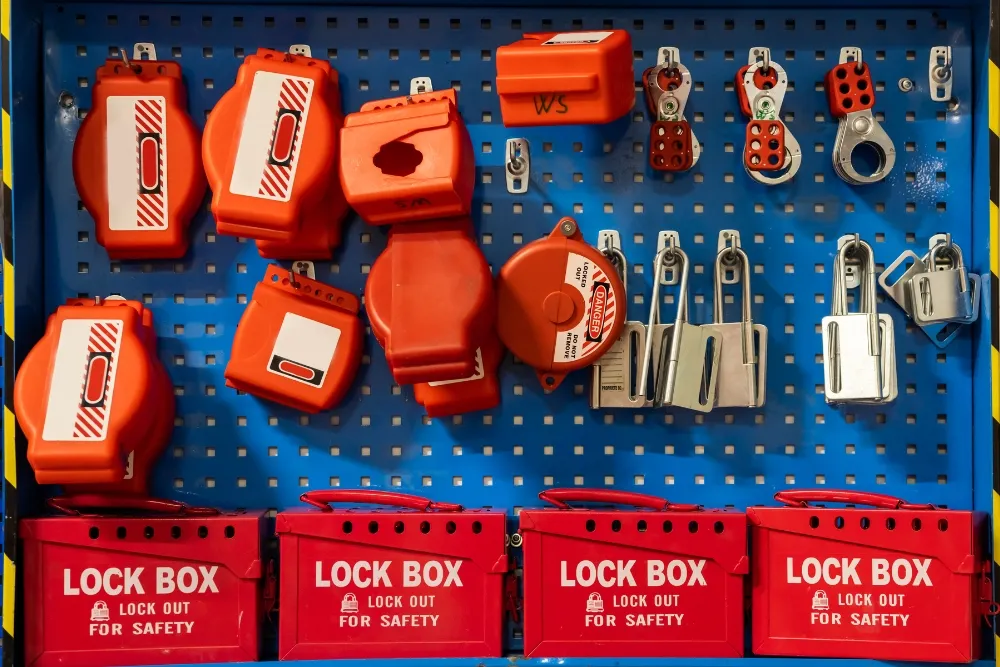
- Lockout Devices: These include padlocks, valve locks, electrical panel locks, and lockout hasps to secure energy isolation points.
- Tagging Devices: Tags should be durable and able to withstand environmental conditions. They should also be easy to understand and convey the reason for the lockout/tagout.
- Hasps and Group Lockout Devices: These are used to ensure multiple workers can apply their locks to a single energy isolation point, providing each worker with control over hazardous energy.
- Lock Boxes: These are used to store keys for locked-out equipment, allowing only authorised personnel access to the keys during maintenance or repair work.
- Circuit Breaker Lockouts: These devices prevent accidental energising of circuit breakers while maintenance work is being carried out.
- Ball Valve Lockouts: Used specifically for locking out ball valves to prevent unauthorised operation or accidental energising during maintenance activities.
- Plug and Hoist Control Covers: Essential for isolating power sources on machinery and equipment during servicing or repair work.
- Safety Training Equipment: This includes lockout/tagout training materials such as videos, manuals, and quizzes to educate employees on proper procedures and safety protocols.
- Personal Protective Equipment (PPE): PPE such as gloves, goggles, face shields, and other protective gear must be worn by workers conducting maintenance with lockout/tagout procedures in place.
- Identification and Labeling Materials: Labels and signs should indicate energy isolation points, associated hazards, the name of the responsible person performing the lockout/tagout, and the expected duration of the procedure.
Lock-out tag-out procedures are vital in protecting workers from hazardous energy during servicing or repairs on machinery or equipment. Now let’s take a look at global safety practices and regulations in more detail.
Global Safety Practices and Regulations
We will explore international standards, share case studies and statistics, and discuss advancements in the industry.
A Look at International Standards
Global safety practices and regulations related to lockout/tagout procedures are crucial for ensuring the protection of workers and employees around machinery and equipment. Adhering to international standards is essential for increasing facility safety on a global scale.
It is important to note that advancements in lockout/tagout systems are being adopted industry-wide, making it imperative for businesses to stay informed about international standards to comply with safety regulations and protect workers from hazardous energy.
Furthermore, understanding these standards can provide valuable insights into best practices for preventing the release of hazardous energy and enhancing workplace safety.
Incorporating lockout/tagout procedures based on international standards can greatly benefit companies by reducing the risk of accidents and injuries caused by unexpected energisation of machinery or equipment.
Case Studies and Statistics
When we look at the impact of lockout tagout procedures, it’s clear that they are not just a formality, but a lifesaver in workplaces across the globe. To convey the significance, we’ve compiled case studies and relevant statistics that demonstrate the effectiveness and necessity of these safety practices.
| Region | Case Study | Statistics |
|---|---|---|
| Australia | A chemical processing facility in the US saw no recordable lockout tagout-related injuries for five consecutive years after overhauling its safety protocols. | Work-related injuries in Australia dropped by 4% in industries where comprehensive lockout tagout systems were enforced. |
| North America | Following a severe energy control-related accident, a European automotive company adopted a strict lockout tagout program, which has since eliminated similar incidents. | In the US, compliance with lockout tagout standards prevents an estimated 120 fatalities and 50,000 injuries each year. |
| Europe | Following a severe energy control related accident, a European automotive company adopted a strict lockout tagout program, which has since eliminated similar incidents. | European Agency for Safety and Health at Work reports that adhering to energy control procedures could reduce accident rates by up to 10% in certain industries. |
| Asia | A textile factory in India drastically reduced equipment downtime and improved overall worker safety with a customised lockout tagout training program. | Statistics from several Asian countries indicate a 20-30% reduction in maintenance-related accidents following the adoption of lockout tagout practices. |
These figures and stories from around the world tell us one thing: we have a responsibility to safeguard our teams through stringent lockout tagout procedures. Not only do these measures protect the health of our workers, but they also contribute to the overall efficiency and productivity of businesses. Let’s keep pushing the boundaries of safety in every workspace.
Advancements in the Industry
Lockout/tagout systems have seen remarkable advancements in recent years to enhance workplace safety. Innovations in technology and equipment design have led to more efficient and user-friendly lockout/tagout solutions, making it easier for businesses to implement and enforce these crucial safety measures.
Additionally, industry players are constantly improving their training programs to ensure that workers understand the importance of lockout/tagout procedures and how to effectively utilise them.
Moreover, ongoing research has resulted in the development of new isolation devices and energy control methods aimed at further minimising risks associated with hazardous energy sources.
Incorporating Lock-Out and Tag-Out in Business Operations
Implementing lock-out and tag-out procedures in business operations can enhance worker safety and prevent accidents. To learn more about the benefits, challenges, and strategies for implementation, keep reading!
Benefits for Companies
Lockout/tagout procedures offer numerous benefits for companies, including:
- Enhanced Workplace Safety: Implementing lockout/tagout procedures helps prevent accidents and reduces the risk of injury to workers during equipment servicing and maintenance.
- Compliance with Regulations: Adhering to lockout/tagout standards is essential for meeting safety regulations, such as those set forth by Australian safety authorities, ensuring legal compliance.
- Reduced Downtime and Costs: By preventing accidents and damage caused by unexpected equipment start-ups, lockout/tagout procedures help minimise downtime and repair costs.
- Improved Productivity: Ensuring the safety of workers during equipment maintenance fosters a positive work environment, boosting morale and productivity in the company.
- Prevention of Lost Work Hours: Implementing effective lockout/tagout measures reduces the likelihood of workplace accidents, minimising lost work hours due to injuries.
Challenges and Solutions
Incorporating lock-out and tag-out procedures into business operations brings several benefits for companies. However, it also comes with its own set of challenges. Here are some challenges and solutions that home, industrial, and office owners should consider:
- Identifying all energy sources within the facility can be challenging. Workers need to be trained to recognise all potential energy hazards and use appropriate lockout/tagout procedures.
- Inadequate communication between different departments or shifts may lead to confusion about which equipment is locked out, or who is responsible for the process. Implementing clear communication protocols and using standardised tagging systems can help mitigate these issues.
- Some older machinery may not be designed for easy implementation of lockout/tagout measures. Investing in retrofitting equipment or upgrading to newer models that prioritise safety can address this challenge.
- Compliance with international safety standards and regulations can present a challenge, especially for businesses operating across borders. Keeping updated with global safety practices and regulations is crucial to ensure compliance.
- Employee resistance or lack of understanding of lockout/tagout procedures can hinder successful implementation. Regular safety quizzes and effective training programs are essential to educate employees on the importance of following safety protocols.
- Ensuring that lockout/tagout procedures are consistently followed during shift changes or maintenance activities requires robust supervision and oversight from management.
- Complex machinery or processes may require more comprehensive lockout/tagout protocols than standard procedures. Employing specialised consultants or external experts can provide valuable insights into developing custom solutions for high-risk equipment.
- Resistance from upper management due to perceived productivity loss during equipment downtime can pose a challenge for implementing thorough lockout/tagout procedures. Demonstrating the financial benefits of enhanced worker safety through reduced accidents and improved operational efficiency can help align priorities across the organisation.
- Adapting lock-out and tag-out procedures to accommodate evolving technology or automation in industrial processes presents an ongoing challenge that requires proactive planning and continuous improvement efforts.
- Overcoming language barriers in multinational workplaces where various languages are spoken requires clear documentation, multilingual training materials, and consistent enforcement of standardised visual communication aids.
Implementation Strategies
To implement effective lockout/tagout procedures, it is essential to develop a comprehensive safety plan that includes regular training for employees. This should encompass the importance of isolating equipment and following proper isolation procedures.
Companies need to ensure that required isolation equipment, such as locks and tags, are readily available and in good working condition. Incorporating regular safety quizzes and training sessions on lockout/tagout procedures can help reinforce understanding among employees and promote a culture of safety within the workplace.
Business owners should also establish clear communication channels regarding lockout/tagout policies and encourage open discussions about any challenges or concerns related to implementing these procedures.
Practice Safety Everywhere in the Workplace
In summary, global safety practices and regulations play a crucial role in protecting workers from hazardous energy. Companies benefit from incorporating lock-out and tag-out procedures into their operations, although they may face challenges in the process.
Implementing these safety measures requires careful consideration of strategies to ensure maximum worker protection. Adhering to lock-out/tag-out standards is essential for complying with Australian safety regulations and safeguarding employees against potential hazards.