
Tag Out System · 19 November 2023
A Fundamental Element of Workplace Safety Culture with Tag Out Systems

We’ve all been shaken by the news of workplace accidents that, frankly, should never have happened. Like you, we’re hit with that deep sense of frustration when we learn about these incidents, situations where a bit more care and foresight could’ve kept everyone safe.
That’s what’s driven us to dive into the nitty-gritty of Tag Out Systems. These systems aren’t just procedures; they’re the backbone of a secure work environment, a real game changer in safety.
Did ya know sticking to Lockout Tagout rules can slash the chances of electrical injuries by a whopping 80%? Crikey! Our latest blog is your go-to for getting heads around these crucial protocols and making sure your mates at work are as safe as houses. Don’t be one to miss out on lifting the bar for safety at your worksite!
Key Takeaways
- Lockout Tagout (LOTO) systems are critical for workplace safety, involving the use of lockout and tagout devices to control hazardous energy and prevent accidents during maintenance or servicing of machinery and equipment.
- Understanding the differences between lockout and tag-out systems is crucial for implementing an effective workplace safety culture, as both methods work together in an effective LOTO program to ensure employee safety when working with equipment.
- Components of LOTO systems include lockout devices, tagout devices, and LOTO boxes. These components play essential roles in physically preventing equipment operation, providing visual reminders that equipment is out of service, and storing necessary tools during LOTO procedures.
- Properly performing LOTO procedures involves 7 key steps including notifying affected employees about shutdowns, isolating energy sources, labelling and locking out each isolation device with a personal lock, safely dissipating residual energy, verifying isolation before maintenance or servicing tasks, performing required work on the safe locked-out state followed by removing locks and tags once work is completed.
Understanding Lockout Tagout (LOTO)
Understanding Lockout Tagout (LOTO) is crucial for workplace safety. It involves the use of lockout and tagout devices to control hazardous energy and prevent accidents during maintenance or servicing of machinery and equipment.
Importance of LOTO
Lockout tagout (LOTO) is like the best mate that’s got your back in risky situations, it’s crucial for protecting us from serious injuries or worse when we’re up against the powerful forces of electrical circuits and equipment.
We make it our top priority to lock and tag out energy sources, ensuring nothing accidentally kick-starts while someone is working on the gear. It’s about control and making sure we keep each other safe, especially around machinery that doesn’t know when to take a break.
We all have roles to play in this safety dance; our authorised mates are trained experts, throwing padlocks and tags on equipment like pros. They show everyone else how it’s done because getting LOTO right means we can trust that when something’s locked down, it stays locked down, no nasty surprises.
Now let’s dig into the nuts and bolts of these systems, so grab your hard hat as we move on to explore the components of LOTO systems.
Differences between Lockout and Tagout
Lockout and tagout are both safety procedures used to control hazardous energy and protect workers from injury. Lockout involves physically locking the energy-isolating devices of equipment, preventing its operation, while tagout uses tags or signs to warn others not to activate the machinery.
Lockout is a more secure method as it requires a physical lock, whereas tagouts rely on warning labels which may be easily ignored or removed by unauthorised personnel. Both methods work together in an effective lockout/tagout program to ensure that employees are safe when working with equipment.
Understanding the differences between lockout and tag-out systems is crucial for implementing an effective workplace safety culture. By comprehending these distinctions, businesses can create robust protocols for hazard management and injury prevention in their respective workplaces.
Standards and exceptions
Specific standards for lockout tagout procedures are set to ensure the safety of workers. Employers must comply with these regulations to protect employees from hazardous energy sources in the workplace.
Exceptions are rare and usually require thorough documentation and evidence of equivalent protection measures. It is essential to stay updated on standards and ensure that your lockout tagout program meets all regulatory requirements, securing a safe working environment for everyone.
Understanding standards for lockout tagout procedures is crucial for maintaining a safe workplace. Compliance with these regulations protects workers from potential hazards, ensuring a secure environment where everyone can perform their tasks without risk or injury.
Components of LOTO Systems
Lockout devices, such as locks and keys, are essential for physically preventing equipment from being turned on or activated. Tagout devices, like tags and warning signs, serve as a visual reminder that the equipment is out of service. LOTO boxes provide a secure location for storing keys and locks during lockout procedures.
Lockout devices
Lockout devices, such as padlocks, are crucial tools in the implementation of effective lockout tagout procedures. These devices physically prevent the operation of machinery and equipment by ensuring that energy sources are isolated.
They play a vital role in safeguarding workers from unexpected startup or release of hazardous energy during maintenance or servicing tasks.
Padlocks can only be removed by authorised personnel who have undergone thorough training on lockout tagout procedures. This ensures that only competent individuals have control over the release of energy sources, adding an extra layer of protection for employees working around machinery and electrical circuits.
Tagout devices
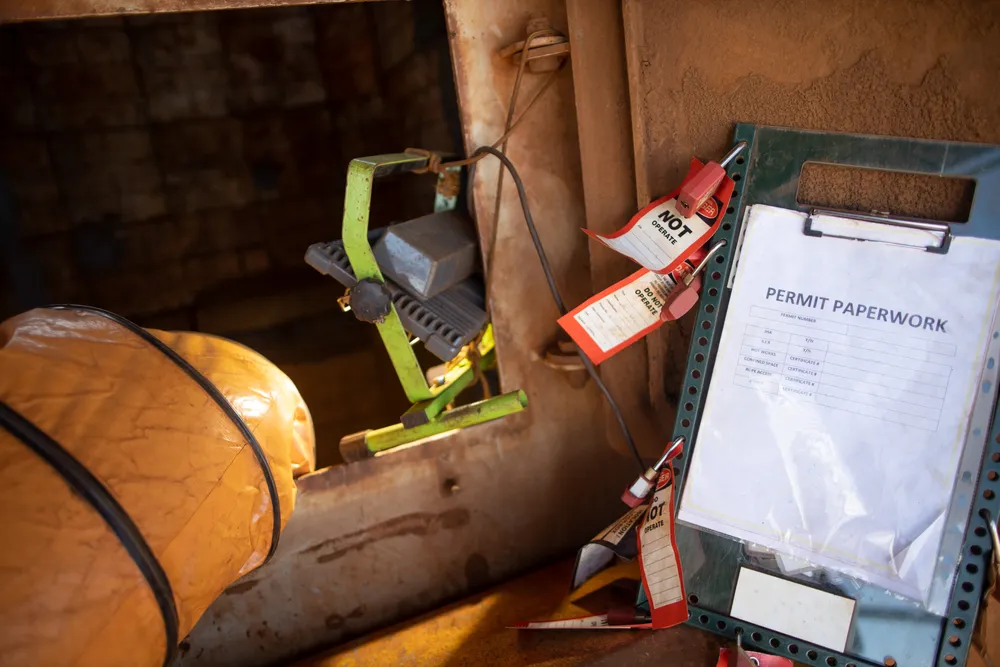
Now, let’s move on to tagout devices that play a crucial role in ensuring workplace safety. Tagout devices are essential tools used during lockout tagout procedures to indicate that the equipment is not to be operated and identify the individual responsible for the lockout.
Standards require these tags to be durable and standardised, with specific information such as the date of application and the identity of the employee who applied them. Tags should also warn against hazardous conditions if the equipment is energised.
Tagout devices also serve as a visual warning for anyone approaching locked-out machinery or equipment. They provide valuable information about why an energy source has been isolated and who performed the isolation, promoting understanding and accountability among employees.
LOTO boxes
LOTO boxes are essential components of a comprehensive lockout tagout (LOTO) system. These sturdy, durable containers serve as a centralised location for storing lockout devices, tags, and other necessary equipment used during LOTO procedures.
LOTO boxes help to keep all required tools easily accessible and organised, ensuring that authorised employees can efficiently perform the locking and tagging of energy sources on machinery or equipment.
By having designated LOTO boxes in strategic locations throughout the workplace, owners can promote a culture of safety and ensure that employees have quick access to the tools they need to carry out proper LOTO procedures.
Understanding the significance of LOTO boxes within a workplace is crucial for maintaining a safe environment. Keeping these containers well-stocked with lockout devices and tags helps to facilitate smooth adherence to LOTO protocols, fostering a consistent safety culture across different industries.
Steps to Properly Perform LOTO Procedures
When it comes to performing LOTO procedures, 7 key steps need to be followed. From isolating the energy source to verifying isolation, each step is crucial for workplace safety.
To learn more about these essential steps and how they can be incorporated into your workplace safety culture, read on!
7 steps of LOTO procedures
Performing Lockout Tagout (LOTO) procedures involves seven crucial steps that are essential for ensuring workplace safety and protecting workers from hazardous energy. These steps include:
- Notify all affected employees about the planned shutdown.
- Identify and isolate all energy sources for the equipment being serviced.
- Label and lock out each energy isolation device with a personal lock.
- Safely dissipate or restrain any residual energy remaining in the equipment.
- Verify that the equipment is isolated and de-energised before proceeding with maintenance or servicing.
- Perform the required work on the equipment while it is in a safe, locked-out state.
- Remove all locks and tags once the work is completed and the equipment is ready for use.
Establishing a LOTO program
To establish a LOTO program, we need to understand the critical role it plays in workplace safety. Authorised employees must demonstrate competence in locking and tagging out equipment to prevent accidental startups or the release of hazardous energy.
This involves implementing compliant lockout tagout procedures to protect workers from injury and ensure workplace safety. Workplaces must have a thorough understanding of these procedures and effectively implement them to create a culture of safety.
Building an effective LOTO program involves improving usage and safety, simplifying training, increasing accountability, and fostering consistency in safety culture, while also incorporating technology for safer implementation.
Implementing best practices in establishing a LOTO program is essential for promoting workplace safety and occupational health. With proper risk assessment and adherence to workplace protocols, owners can effectively safeguard their employees around machinery by creating a robust lockout tagout system.
LOTO inspections and audits
After establishing a LOTO program, it is crucial to regularly conduct inspections and audits to ensure that the procedures are being followed correctly and that all equipment is properly locked out. Here’s how you can effectively perform LOTO inspections and audits:
- Conduct routine inspections of lockout tagout procedures to verify that all energy sources are isolated and de-energised before maintenance or servicing.
- Audit the LOTO program to ensure that all employees are trained in proper lockout tagout procedures and understand the importance of following them.
- Regularly review and update LOTO procedures based on any changes in equipment or machinery to maintain compliance with safety standards.
- Utilise LOTO software or apps to streamline the inspection process and track compliance with lockout tagout procedures.
- Document all LOTO inspections and audits, including any findings or corrective actions taken, to maintain a record of compliance with safety regulations.
- Involve employees in the inspection process by encouraging them to report any issues or concerns related to lockout tagout procedures for continuous improvement.
- Collaborate with management, supervisors, and authorised individuals to address any gaps or non – non-compliance with LOTO procedures identified during inspections and audits.

Importance of Training and Communication
Training and communication are essential for the successful implementation of Lockout Tagout (LOTO) procedures. The involvement of management, supervisors, and authorised individuals is crucial for a safe workplace environment.
Communicating LOTO policies and procedures effectively ensures everyone understands their role in maintaining safety. Using LOTO software can also enhance communication and streamline the process for safer implementation.
Involvement of management, supervisors, and authorised individuals
Management, supervisors, and authorised individuals play a pivotal role in ensuring the effective implementation of lockout tagout (LOTO) procedures. Their involvement is crucial for promoting and upholding a culture of safety in the workplace.
This includes providing necessary resources, support, and leadership to create an environment where LOTO procedures are prioritised and consistently followed. Managers and supervisors must actively communicate the importance of LOTO to all employees, while authorised individuals need to demonstrate competence in performing LOTO procedures according to established guidelines.
Empowering management, supervisors, and authorised individuals with the knowledge and tools to oversee proper LOTO implementation is essential for fostering a safe work environment.
Communicating LOTO policies and procedures
The involvement of management, supervisors, and authorised individuals is crucial in effectively communicating lockout tagout (LOTO) policies and procedures to ensure workplace safety.
Clear and concise communication about LOTO protocols helps to minimise the risk of accidents and injuries. Providing comprehensive training on LOTO practices is essential, ensuring that all employees understand the importance of following these procedures to safeguard against potential hazards.
Utilising visual aids such as posters and instructional videos can reinforce LOTO policies, serving as constant reminders for all personnel in various work environments. Regular safety meetings should be conducted to discuss any updates or changes to LOTO procedures, creating an open dialogue where employees can ask questions or seek clarification on best practices.
Using LOTO software for safer implementation
Transitioning from effectively communicating LOTO policies and procedures to the implementation phase, a vital tool that can significantly enhance workplace safety is the use of LOTO software.
This software plays a crucial role in ensuring smoother and safer lockout tagout processes across various industries. By incorporating LOTO software into your safety program, you can streamline the management of energy control procedures.
It enables easy documentation, tracking, and verification of lockout tagout activities while maintaining compliance with standards.
LOTO software simplifies the process for authorised employees by providing clear guidelines and electronic documentation for each step of the procedure. Additionally, it enhances accountability through digital authorisation processes and ensures that all necessary steps are completed before equipment servicing or maintenance begins.
Effective LOTO Programs for a Safe Workplace
Implementing LOTO into work processes is crucial for a safer workplace. This includes training and communication, utilising technology and equipment, and building a safety culture.
Building a safety culture
We cultivate a safety culture by integrating lockout tagout (LOTO) procedures into our work processes. By instilling a mindset of safety-first, we empower our employees to take responsibility for their well-being and that of others.
Emphasising the importance of LOTO and implementing thorough training and communication strategies equips everyone with the knowledge and tools needed to contribute positively to workplace safety.
Incorporating technology and advanced equipment not only streamlines LOTO procedures but also demonstrates our commitment to providing a safe working environment. Through continuous improvement initiatives, we enhance our LOTO program, fostering an atmosphere where safety is paramount in every task undertaken.
Incorporating LOTO into work processes
To reinforce a safety culture within your workplace, it is essential to seamlessly integrate lockout tagout (LOTO) procedures into daily work processes. This involves consistently incorporating LOTO steps in equipment operation and maintenance, ensuring that all employees are trained and competent in performing the necessary lockout and tagout tasks.
By actively involving management, supervisors, and authorised individuals in the implementation of LOTO systems, you can create a workplace environment that prioritises employee safety while working with machinery or electrical circuits.
It is crucial to utilise technology and equipment specifically designed for safer LOTO procedures. Implementing LOTO software can streamline the process of identifying energy sources, creating detailed isolation procedures, managing authorised personnel access, and conducting regular inspections and audits.
Utilising technology and equipment for safer LOTO procedures
We leverage technology and specialised equipment to enhance the safety of our lockout tagout (LOTO) procedures. By employing LOTO software, we streamline the implementation process and minimise potential errors, ensuring a more secure work environment for everyone involved.
Additionally, using innovative LOTO devices like smart padlocks equipped with Bluetooth connectivity allows for better tracking and monitoring of energy isolation status, further bolstering the effectiveness of our safety protocols.
At our facility, we prioritise the integration of advanced technologies such as automated lockout systems that provide real-time updates on equipment isolation status. This proactive approach not only optimises workplace safety but also fosters a culture of continuous improvement in line with standards and best practices.
Be Informed of the Workplace Safety Culture
In conclusion, implementing a strong lockout tagout (LOTO) system is vital for workplace safety. Training employees on LOTO procedures and regularly conducting inspections and audits are crucial steps in creating a culture of safety.
By integrating LOTO into work processes and utilising technology for safer implementation, workplaces can ensure the well-being of their employees. A comprehensive understanding of LOTO procedures is essential to protect workers from injury and maintain a safe working environment.