
Tag Out System · 9 November 2023
A Critical Component of Industrial Safety Management
Working with machinery is a bit like playing footy – there’s always the chance of a nasty tackle if you’re not careful. And just like we’ve all winced at those close calls on the field, we know too well about those workplace incidents that could’ve been dodged.
Like you, I reckon safety isn’t just another box to tick; it’s as important as your morning cuppa. Every year, heaps of injuries are sidestepped because folks use tag-out systems the right way around.
Our blog’s chock-a-block with straightforward tips to help make your work site safer than a house made of bricks. So why not give it a burl? Get stuck into industrial safety management without making a meal of it – stick around and have a read!
Key Takeaways
- Tag-out systems, used in conjunction with lockout devices, play a crucial role in controlling hazardous energy release from machinery and equipment during maintenance or servicing activities.
- Implementing comprehensive tag-out programs is essential for preventing workplace accidents and ensuring the well-being of employees across various work settings, ultimately enhancing workplace productivity.
- Adequate preparation for implementing a lockout/tagout program involves assessing equipment, developing procedures, providing employee training, creating documentation, conducting safety reviews, and establishing emergency response plans.
- Training employees on lockout/tagout procedures is paramount to equipping them with the knowledge and skills needed to effectively implement these protocols while fostering a culture of safety awareness within the workplace.
Understanding Lockout/Tagout Procedures
Lockout/tagout procedures are crucial for preventing hazardous energy from causing harm in the workplace. It involves isolating and securing energy sources to ensure machinery and equipment remain safely powered off during maintenance or servicing.

Definition of Lockout/Tagout
Lockout/Tagout is a safety procedure we take seriously, essential for controlling the hazardous energy in machines at work. By using lockout devices like padlocks, we ensure equipment stays off and can’t be started up again until maintenance or repairs are completed.
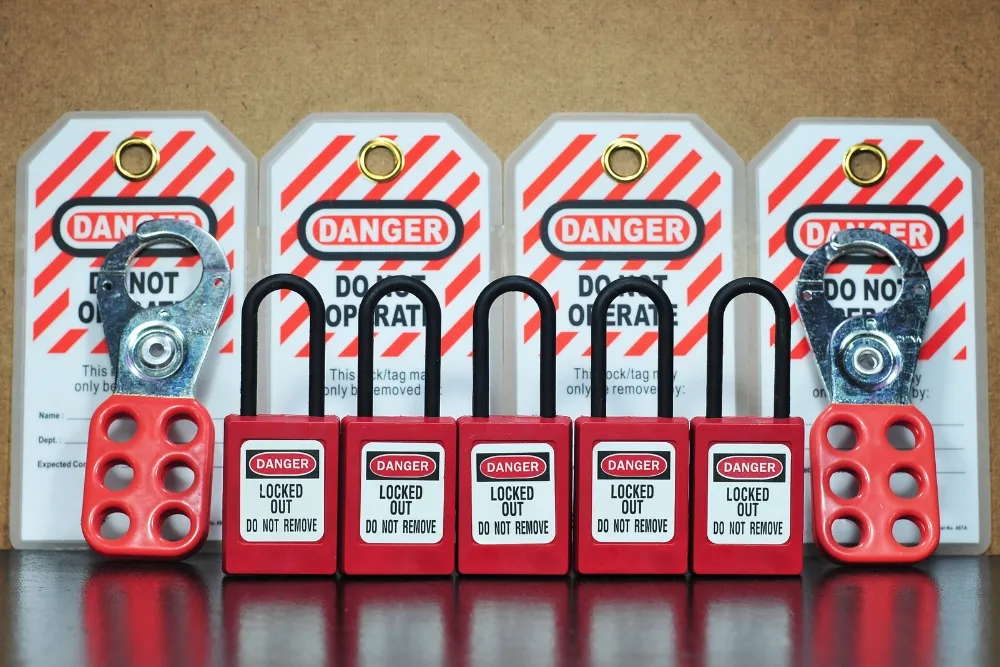
Tag out complements this by having warning tags attached to alert everyone that machinery shouldn’t be used.
This process helps us protect our workers from serious harm caused by unexpected energisation or startup of machines and equipment. We always follow these steps meticulously to maintain high standards of workplace safety and productivity while respecting regulations on preventing accidental release of dangerous energies.
Importance in Industrial Safety
Implementing tag-out systems is crucial for industrial safety management to prevent workplace accidents and ensure the well-being of employees. By using tag-out procedures in conjunction with lockout devices, such as padlocks, hazardous energy release from machinery and equipment can be effectively controlled.
This helps safeguard workers around potentially dangerous equipment and prevents unintentional exposure to hazardous energy during maintenance or servicing activities. Adhering to standards for tag-out procedures not only ensures compliance but also provides a safe working environment while enhancing workplace productivity.
The use of effective tag-out systems is vital in industries where equipment maintenance is a routine activity. Understanding the significance of these procedures and ensuring their proper implementation are essential elements in preventing workplace hazards and protecting workers from injury.
Preparation
To prepare for implementing a lockout/tagout program, it is crucial to take the following steps:
- Assess the Equipment: Identify all machinery and equipment that require lockout/tagout procedures for maintenance or servicing.
- Develop Procedures: Establish detailed step-by-step procedures for safely shutting down, isolating, and locking out each piece of equipment.
- Gather Necessary Tools: Acquire the appropriate lockout/tagout devices, such as padlocks, tags, and hasps, to ensure effective isolation of energy sources.
- Employee Training: Provide comprehensive training to all personnel involved in lockout/tagout procedures to ensure they understand the processes and safety measures.
- Create Documentation: Develop clear documentation outlining the specific steps for each piece of equipment and establish a system for maintaining records of lockout/tagout activities.
- Safety Review: Conduct a thorough review of the lockout/tagout program with input from employees to identify any potential hazards or areas for improvement.
- Emergency Plan: Establish an emergency response plan in case of unexpected hazardous energy release during maintenance activities.
Shut Down
Shutting down equipment is a critical step in the lockout/tagout process. It involves the following:
- Ensure all machinery and equipment are turned off before maintenance or servicing to prevent accidental start-up during work.
- Verify that all moving parts have come to a complete stop and are at rest, reducing the risk of unexpected activation.
- Follow the manufacturer’s recommended shutdown procedures to ensure safe and effective de-energising of the equipment.
- Communicate the shut-down process clearly to all employees involved in the maintenance or servicing tasks for a coordinated and secure approach.
- Use visual indicators such as warning signs or signal lights to ensure everyone is aware of the equipment shutdown status.
- Inspect control panels, switches, and power sources to confirm that power has been effectively cut off before proceeding with any maintenance activities.
- Double-check the shutdown status by physically testing and verifying that no energy source is supplying power to the machinery or equipment.
Isolation
Isolation is a critical step in the lockout/tagout procedure, ensuring the complete separation of machinery and equipment from their energy sources to prevent accidental activation. Here are the key components of isolation in lockout/tagout procedures:
- Ensure all energy sources, including electrical, hydraulic, pneumatic, and gravity systems, are identified and effectively isolated.
- Securely shut off all power supplies to the equipment to eliminate any potential for reactivation during maintenance.
- Use appropriate devices such as disconnect switches or valves to isolate the equipment from its energy source.
- Implement visual indicators like warning signs or barriers to clearly identify the isolated equipment and prevent unauthorised access.
- Conduct thorough verification to confirm that all energy sources have been successfully isolated before commencing maintenance or servicing.
Lockout/Tagout
Lockout/Tagout procedures are crucial for industrial safety management. The process involves several key components to effectively disable machinery and equipment, including:
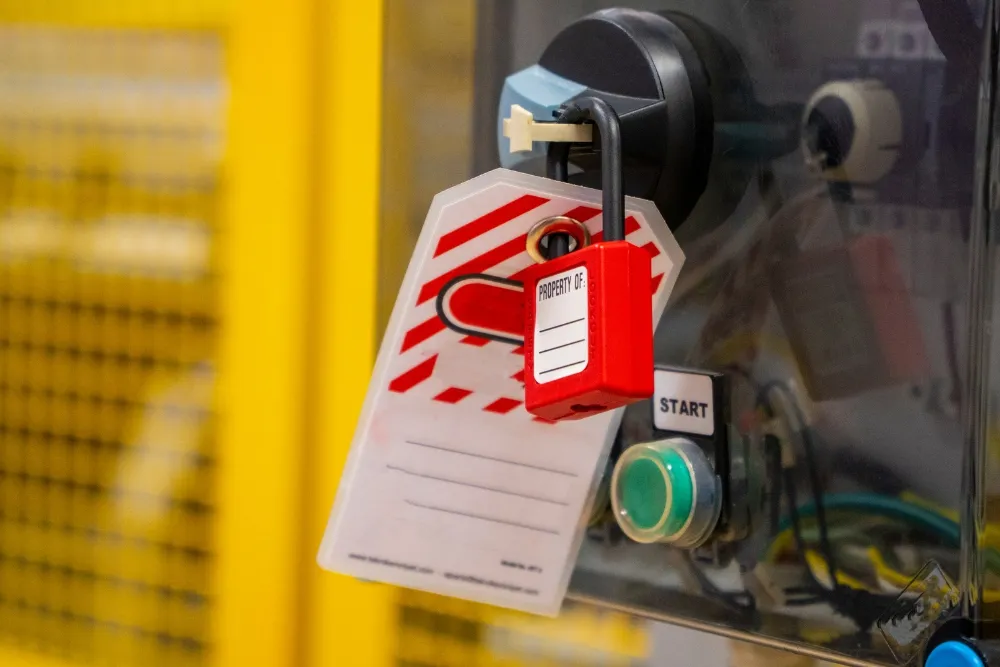
- Attaching tags to indicate that the equipment is not operable until the tag is removed, preventing hazardous energy release.
- Using lockout devices like padlocks in conjunction with tag-out systems to ensure proper equipment maintenance and servicing.
- Implementing tag-out procedures to prevent unintentional exposure to hazardous energy from machinery and equipment.
- Ensuring that tag-out devices meet specific requirements to effectively prevent hazardous energy releases.
- Understanding the importance of tag-out systems for industrial safety management and worker protection.
Stored Energy Check
Once the lockout/tagout procedure is in place, the next crucial step is performing a stored energy check. This check ensures that any residual energy is dissipated or restrained before maintenance work begins. Here’s what you need to do:
- Identify and locate all potential sources of energy, including electrical, mechanical, hydraulic, pneumatic, and thermal energy.
- Use appropriate tools and equipment to safely release or restrain any stored energy from the machinery or equipment.
- Verify that all parts are at a zero-energy state before starting any maintenance or servicing tasks.
- Double-check and confirm that no unexpected energy source has been overlooked by using suitable testing devices.
- Continuously monitor the system to ensure that no new or unexpected sources of hazardous energy manifest during the maintenance process.
Re-Energising Equipment
After conducting a thorough stored energy check, it is important to follow proper procedures when re-energising equipment to ensure the safety of all workers. Here are the steps to take when re-energising equipment:
- Verify that all maintenance work has been completed and all tools have been removed from the machinery or equipment.
- Communicate with all employees in the area to alert them that the equipment will be re-energised and ensure they are in safe positions.
- Remove all lockout/tagout devices and tags from the machinery or equipment according to established procedures.
- Inspect the area around the equipment for any potential hazards or obstructions before re-energising.
- Follow the manufacturer’s guidelines for safely restarting or re-activating the machinery or equipment, including any specific start-up procedures.
- Monitor the equipment closely after re-energising to ensure proper operation and address any issues immediately.
- Notify all affected personnel once the equipment has been successfully re-energised and is back in operation.
Training Employees on Lockout/Tagout Procedures
We will discuss the importance of providing comprehensive training on Lockout/Tagout procedures for all employees involved in industrial safety management.
Importance of Training
Training employees on lockout/tagout procedures is crucial for ensuring the safety of workers and preventing workplace accidents. Proper training helps employees understand the importance of tag-out systems in industrial safety management, equipping them with the knowledge and skills to effectively implement these procedures.
Additionally, it empowers them to identify potential hazards and take necessary precautions when working around machinery and equipment, ultimately reducing the risk of injuries and ensuring compliance with standards.
Employees who receive comprehensive training on lockout/tagout procedures are better equipped to protect themselves and their colleagues from hazardous energy exposure. Through regular training sessions, individuals can stay updated on best practices and guidelines for using tag-out devices effectively.
Educating staff members about the significance of adhering to tag-out protocols fosters a culture of safety awareness within the workplace, further enhancing overall hazard prevention efforts.
Key Personnel Involved
After understanding the importance of training employees on lockout/tagout procedures, it is crucial to recognise the key personnel involved in implementing and maintaining a comprehensive tag-out system.
Supervisors and managers play a pivotal role in overseeing the proper execution of tag-out procedures. They are responsible for ensuring that all employees receive adequate training and understand the significance of following tag-out protocols to prevent hazardous energy releases during maintenance or servicing activities.
Additionally, maintenance personnel are integral to the successful implementation of tag-out systems. Their expertise in equipment isolation, lockout/tagout procedures, and stored energy checks is essential for safeguarding workers from potential workplace hazards.
Ensuring Compliance with Standards
We will discuss the Lockout/Tagout Standard and how to ensure compliance with it.
Lockout/Tagout Standard
The Lockout/Tagout Standard outlines the specific requirements and procedures for effectively implementing tag-out systems in industrial settings. As home, office, and industrial owners, it is crucial to ensure compliance with these regulations to safeguard workers from hazardous energy exposures.
Understanding standards helps in the proper selection and use of tag-out devices to prevent accidental machinery activation during maintenance or servicing. Compliance with these standards and guidelines is essential for ensuring a safe working environment while mitigating potential risks associated with machinery safety.
Implementing an effective lockout/tagout program demands adherence to standards, thus reducing the likelihood of workplace hazards and ensuring the protection of employees. This can be achieved through thorough training on requirements, regular audits to assess compliance, and utilising suitable LOTO software for documentation purposes.
Exceptions and Violations
Exceptions and violations of lockout/tagout procedures can lead to serious consequences for both employees and employers. Failure to comply with standards regarding lockout/tagout can result in hefty penalties, workplace accidents, injuries, or even fatalities.
It is essential to understand that no excuses or shortcuts should be made when it comes to implementing proper tag-out systems. Any deviations from the established lockout/tagout procedures must be thoroughly documented and justified, as non-compliance could pose significant risks to personnel safety and equipment integrity.
Proper training and consistent reinforcement of lockout/tagout policies are crucial in preventing exceptions and violations. This includes regular audits of equipment maintenance practices and a zero-tolerance approach towards any deviation from established safety protocols.
Implementing and Maintaining a Lockout/Tagout Program
Once the policy is established, we will conduct frequent audits to ensure that all equipment and procedures comply with safety standards. We will also utilise LOTO software to streamline the process and make documentation easier to manage.
Additionally, ongoing safety training for employees will be a key part of maintaining a successful Lockout/Tagout program.
Establishing a Policy
To establish a comprehensive lockout/tagout policy, we need to outline clear procedures for the labelling and communication of equipment status. This policy should clearly define the roles and responsibilities of all personnel involved in implementing tag-out systems.
It is essential to include guidelines for conducting thorough equipment inspections and audits as part of the policy to ensure compliance with standards. Additionally, regular training sessions on tag-out procedures must be outlined in the policy to equip employees with the necessary skills and knowledge for safe equipment maintenance.
The implementation of a well-defined tag-out policy is crucial for effectively managing hazardous energy control and promoting workplace safety.
Implementing a robust lockout/tagout program begins with establishing a clear policy that addresses risk management, compliance requirements, communication protocols, and training initiatives.
Conducting Frequent Audits
After establishing a policy for lockout/tagout procedures, conducting frequent audits is crucial to ensure the effectiveness and compliance of the program. Here are essential steps for conducting frequent audits to maintain a robust lockout/tagout program:
- Regular Inspections – Schedule routine inspections to check the condition of lockout/tagout devices, including tags, padlocks, and other safety equipment.
- Documentation Review – Regularly review and update documentation regarding lockout/tagout procedures, training records, and audit reports to ensure accuracy and compliance with standards.
- Equipment Verification – Verify that all equipment subject to lockout/tagout is properly identified and labelled with tags indicating the energy control procedures.
- Employee Interviews – Conduct interviews or surveys with employees involved in maintenance activities to gauge their understanding of lockout/tagout procedures and identify any areas for improvement.
- Corrective Actions – Address any deficiencies or non-compliance found during audits promptly. Implement corrective actions to rectify issues and prevent future safety hazards.
- Training Evaluation – Evaluate the effectiveness of employee training programs related to lockout/tagout procedures by assessing comprehension levels and identifying any training gaps.
- Management Review – Involve management in reviewing audit findings and discussing ways to improve the lockout/tagout program’s efficiency and effectiveness.
- Compliance Monitoring – Monitor ongoing compliance with lockout/tagout procedures through regular checks, ensuring that employees adhere to safety protocols consistently.
- Continuous Improvement – Continuously seek opportunities for improving the lockout/tagout program based on audit findings and industry best practices.
- Audit Reporting – Generate comprehensive reports detailing audit findings, corrective actions taken, and recommendations for further enhancing the lockout/tagout program’s efficacy.
Utilising LOTO Software
We use LOTO software to streamline and manage lockout/tagout procedures effectively. The software helps us create and maintain a database of equipment, procedures, and employees involved in lockout/tagout processes.
It also enables us to generate custom lockout/tagout procedures specific to each piece of equipment, ensuring accuracy and compliance with safety standards.
By using LOTO software, we can schedule and track equipment maintenance, conduct training sessions for employees involved in the process, and ensure that all necessary steps are followed during lockout/tagout activities.
This proactive approach not only enhances workplace safety but also simplifies regulatory compliance and minimises the risks associated with hazardous energy exposure. With straightforward user interfaces and comprehensive features tailored to our needs, utilising LOTO software has become an integral part of our industrial safety management toolkit.
Safety Training and Documentation
Effective safety training and documentation are crucial elements in ensuring that employees understand the importance of tag-out systems. Our team provides comprehensive training programs to educate employees on the proper use of lockout/tagout procedures and emphasise the significance of following safety protocols.
By documenting these training sessions, we ensure that all employees have received the necessary instruction to prevent workplace hazards. Through regular audits and documentation, we maintain a culture of safety awareness within our organisation, fostering a secure environment for everyone involved.
Moving forward to “Ensuring Compliance with Standards,” it’s vital to understand how regulatory standards impact industrial safety management.
Explore Tag Out Systems
In conclusion, implementing and maintaining effective tag-out systems is crucial for industrial safety management. Understanding the importance of tag-out procedures and training employees on their usage are vital steps in safeguarding workers from hazardous energy releases.
Compliance with standards and conducting frequent audits ensures that tag-out devices are utilised effectively, ultimately preventing workplace hazards. Embracing a comprehensive lockout/tagout program with proper tag-out implementation is essential to protect workers and ensure equipment maintenance in various industries.